Planning a ghost town road trip to Bosler, Wyoming starts in Laramie, about 19 miles south on US 30/287. You’ll find weathered buildings, rusting cars, and crumbling structures frozen in time at roughly 7,200 feet elevation. Pack layers, sturdy shoes, and a camera — this high-plains relic needs no permits or trailheads. Bosler connects naturally to nearby ghost towns like Medicine Bow and Rock River, making it a perfect anchor for a longer Wyoming exploration loop you won’t want to miss.
Key Takeaways
- Bosler sits 19 miles north of Laramie on US 30/287, requiring no permits, making it an easy high-plains detour at 7,200 feet elevation.
- Fuel up in Laramie beforehand, pack layers, water, sturdy shoes, and a camera to handle unpredictable high-plains weather and uneven terrain.
- Highlight stops include a historic library, brick schoolhouse, railroad depot, and roadside motel reflecting Lincoln Highway travel culture.
- Combine Bosler with nearby ghost towns like Rock River, Tie Siding, Buford, and Medicine Bow for a comprehensive Wyoming exploration loop.
- Expect a raw, unpolished ghost town of fewer than a dozen residents, rusting vehicles, weathered buildings, and overgrown lots.
What’s Left to See in Bosler, Wyoming?
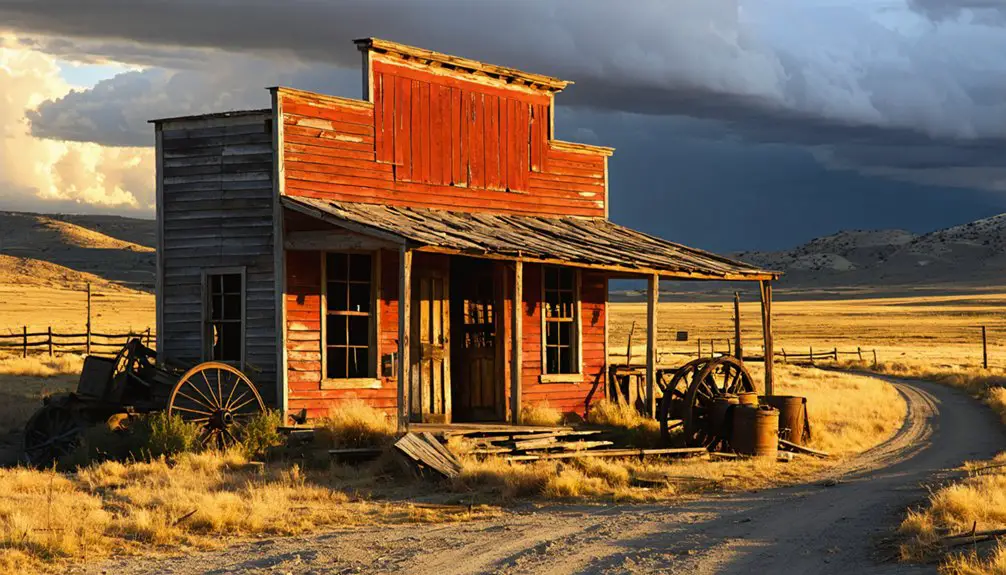
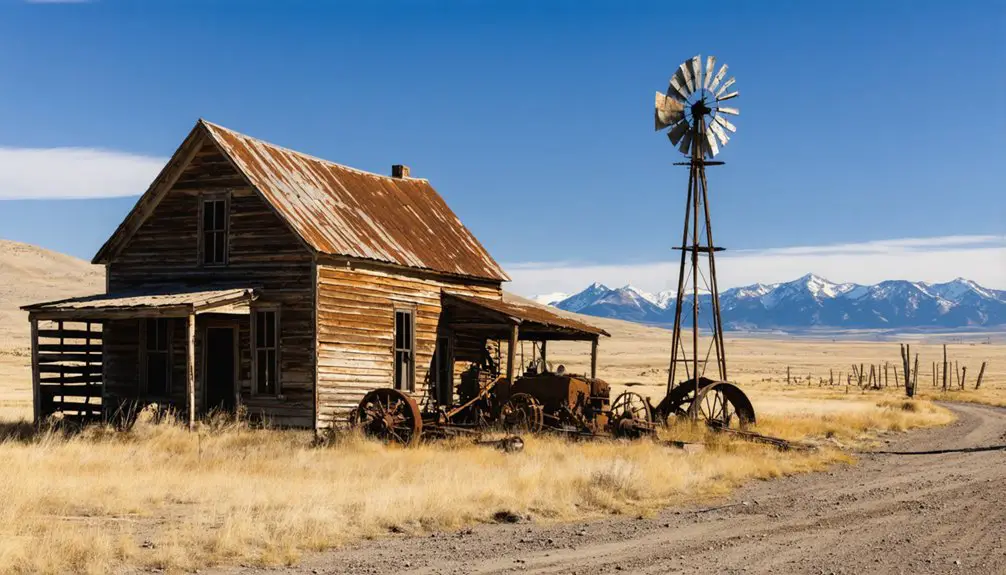
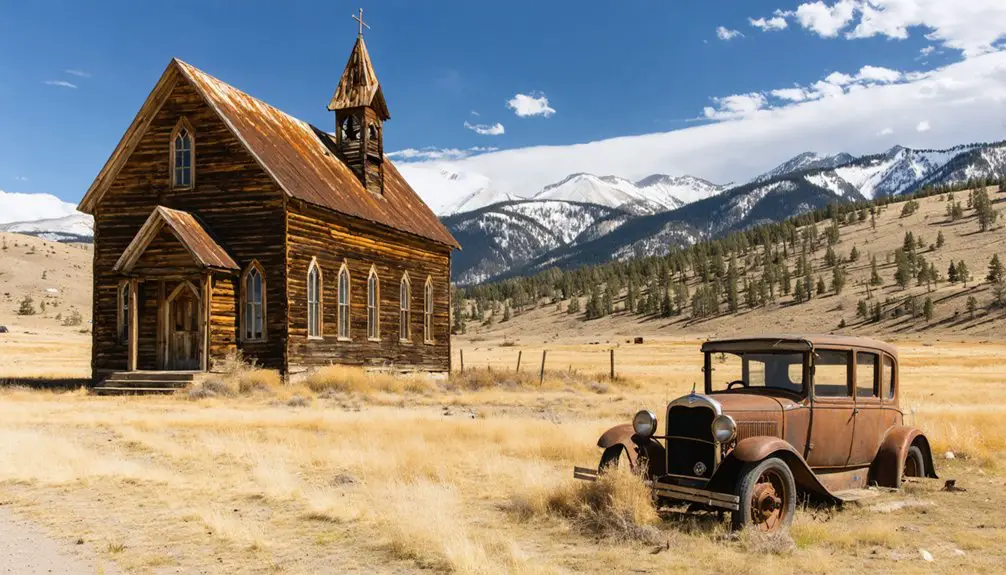
Even though Bosler barely registers as a dot on the map, you’ll find enough surviving remnants to make the stop worthwhile. Wander past a ramshackle motel, a cream-colored clapboard library, and a two-story brick school with old cars rusting in the schoolyard.
These structures represent genuine historic preservation — raw, unpolished, and untouched by tourist amenities that might otherwise sanitize the experience. A railroad depot still stands as a reminder of Bosler’s cattle-shipping origins, while a mix of abandoned buildings and mobile homes tells the full story of a community left behind.
Doc’s store remains open, giving you a rare living anchor in an otherwise fading town. Bosler rewards curious travelers who appreciate authenticity over comfort and history over spectacle.
Where Bosler Is and How to Get There
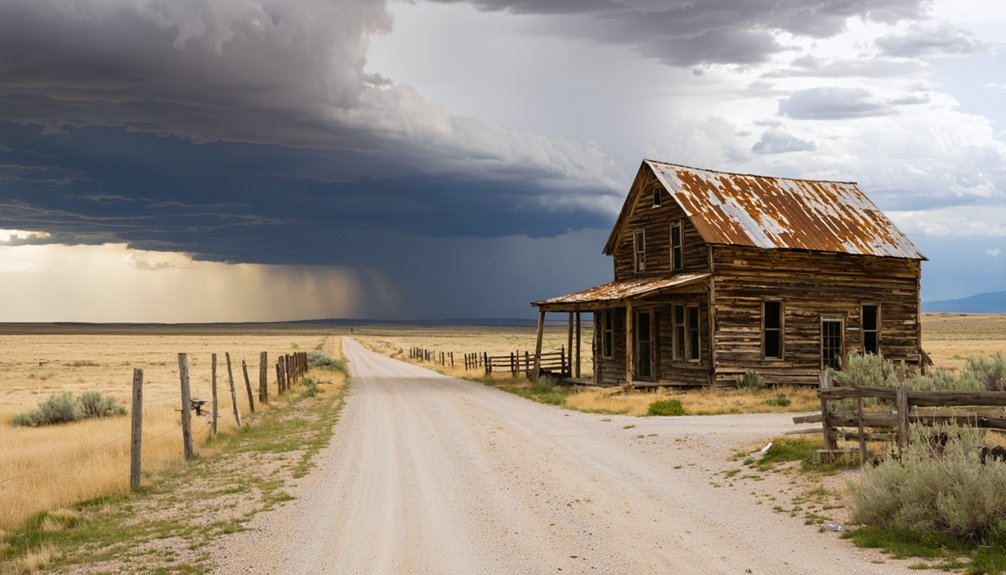
Tucked into Albany County’s high plains, Bosler sits about 19 miles north of Laramie along US 30/287, near the junction of SH 34 — making it an easy detour rather than a rugged backcountry expedition. From Laramie, you simply head north and watch the landscape open into wide ranch country at roughly 7,200 feet.
The drive itself rewards you with potential wildlife sightings, including pronghorn cutting across the sagebrush flats. You won’t find local cuisine in Bosler itself, so fuel up in Laramie before heading out.
The road follows the old Lincoln Highway corridor, layering history directly onto your windshield view. No complicated trailheads, no permits — just an open highway connecting you to one of Wyoming’s most accessible and quietly haunting ghost-town stories.
How the Railroad and Lincoln Highway Built Bosler
When you trace Bosler’s origins, you find a town literally built by steel rails, as early ranchers used it as a key shipping center for cattle moving out of Albany County.
The Diamond Ranch and its operations gave the town its name and its earliest economic pulse, and a post office followed in 1908, with the town platted in 1909.
Then in 1913, the Lincoln Highway rolled through, transforming Bosler from a rail stop into a roadside destination where travelers, ranchers, and commerce all converged.
Railroad Origins Shape Bosler
Before Interstate 80 rerouted Wyoming’s traffic and commerce, Bosler thrived because of two transformative forces: the railroad and the Lincoln Highway.
Railroad development planted Bosler’s roots firmly in Wyoming’s transportation history, giving nearby ranchers a critical shipping point for cattle moving to distant markets. Frank Bosler, owner of the Diamond Ranch, lent his name to the town, and a post office followed in 1908.
By 1909, the town was platted and growing. You can still picture the energy of those early years — cattle drives converging on rail lines, commerce humming through a high-plains settlement sitting at roughly 7,200 feet.
The railroad didn’t just connect Bosler to the outside world; it created the town’s entire reason for existing.
Lincoln Highway Expands Growth
Then came the Lincoln Highway, and Bosler’s story shifted into a higher gear. When America’s first transcontinental road officially passed through town in 1913, Bosler transformed from a quiet railroad-shipping stop into a genuine travel destination.
Drivers pushing west across Wyoming’s open plains needed fuel, food, and rest — and Bosler delivered all three. By the mid-1920s, roughly 75 residents kept the businesses humming, with general stores, a motel, and a library serving both locals and travelers.
That layered history — railroad roots beneath highway growth — is exactly what makes Bosler’s historical preservation so compelling today. You’re not just passing through a forgotten town; you’re tracing America’s transportation evolution firsthand.
For road-trippers hunting authentic tourism opportunities off the beaten path, Bosler rewards curiosity at every turn.
How Interstate 80 Killed Bosler’s Economy
When Interstate 80 bypassed Bosler in 1972, it didn’t just reroute traffic — it gutted the town’s economy almost overnight.
You can still see the wreckage of that decision in the abandoned storefronts and shuttered businesses that line the old US 30/287 corridor.
The motel, the general stores, the Saturday-night energy — all of it collapsed once drivers had a faster road and no reason to stop.
The 1972 Bypass
Although Bosler once thrived as a busy stop along the old Lincoln Highway corridor, the 1972 completion of Interstate 80 effectively strangled the town’s economy overnight. Travelers who once rolled through on US 30/287 suddenly had a faster option, and they took it without hesitation. Businesses lost their customer base almost immediately, residents followed the jobs elsewhere, and Bosler’s population collapsed from nearly 300 to roughly 50 by 1990.
What the bypass left behind, however, became something unexpectedly valuable. The town’s abandoned storefronts, weathered motel, and brick schoolhouse now serve as tourist attractions drawing road trippers who crave authentic historical preservation over polished destinations.
The bypass killed Bosler’s economy, but it accidentally preserved a raw, honest snapshot of mid-century American roadside life that you won’t find anywhere else.
Businesses Left Behind
Before the bypass, Bosler’s business district hummed with the steady rhythm of travelers, ranchers, and railroad workers moving through town. General stores, a motel, a school, and a library all served a community that once peaked near 300 residents.
Local history shows that these weren’t just buildings — they were the backbone of community stories shared over counters and during Saturday night dances.
When Interstate 80 redirected traffic in 1972, that rhythm stopped almost overnight. Customers vanished, businesses shuttered, and the population collapsed to around 50 by 1990.
Today, you’ll find a ramshackle motel, a cream-colored clapboard library, and a two-story brick school still standing. Doc’s store remains open, a rare survivor.
These remnants aren’t ruins — they’re evidence of a town the highway left behind.
The Buildings Still Standing in Bosler
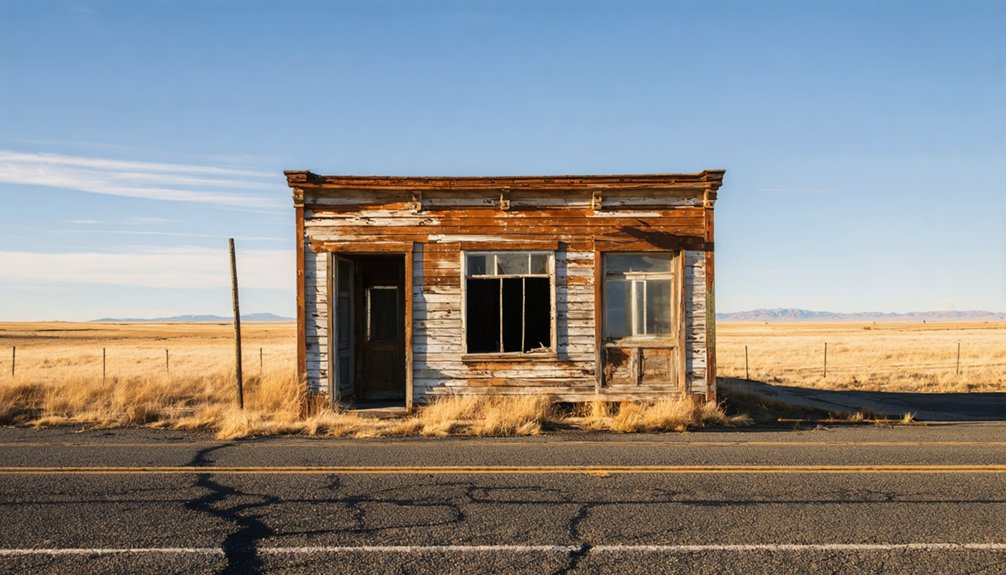
Even though Bosler’s population has dwindled to little more than a dozen souls, the town’s bones are still very much standing. Local legends say these structures hold stories worth chasing, and minimal preservation efforts have kept them visible for road trippers like you.
Here’s what you’ll spot when you roll through:
- A ramshackle motel — frozen in time along the old highway corridor
- A cream-colored clapboard library — small but surprisingly intact
- A two-story brick schoolhouse — its yard filled with old cars and vans
- A railroad depot — a direct nod to Bosler’s shipping-town origins
Each structure tells you exactly how transportation shaped and ultimately abandoned this high-plains community sitting at roughly 7,200 feet.
What Bosler Looks Like Today
When you roll into Bosler today, you’ll find a jarring mix of surviving historic structures, scattered mobile homes, and outright abandoned buildings lining the old highway corridor.
Old cars and vans rust away in the schoolyard, turning the grounds into an open-air junkyard that reinforces the town’s ghost-town character.
It’s a raw, unpolished snapshot of a place caught between hanging on and letting go.
Surviving Buildings And Structures
What’s left of Bosler tells a quiet but striking story. You’ll find historic preservation happening naturally here — not through restoration, but through dry, cold air and sheer abandonment. Each structure carries local storytelling written in peeling paint and weathered brick.
Four landmarks anchor your exploration:
- Cream-colored clapboard library — small, stubborn, and still standing
- Two-story brick schoolhouse — its yard filled with old cars and vans
- Ramshackle roadside motel — a direct echo of Lincoln Highway travel culture
- Railroad depot — connecting Bosler’s cattle-shipping origins to its eventual decline
Walk the street slowly. You’re reading a timeline, not just visiting a town. Every crumbling wall marks a moment when transportation routes shifted and left Bosler behind.
Abandoned Vehicles And Yards
Step past the schoolhouse fence and you’ll find one of Bosler’s most unexpected details: a yard scattered with old cars and vans, rusting quietly in the high-plains air. These vintage vehicles sit frozen in time, their faded paint and crumbling frames telling stories of a town that once hummed with activity.
You’re not looking at a curated museum display — you’re standing inside a raw, unfiltered snapshot of American decline.
The abandoned yards throughout Bosler carry that same energy. Weathered structures, overgrown lots, and forgotten machinery push up against the Wyoming sky with zero pretense.
For travelers chasing open roads and honest history, this is exactly the kind of place that delivers. Bring your camera, take your time, and let the silence do the talking.
Mix Of Old And New
Bosler doesn’t fit neatly into the ghost-town category, and that tension is exactly what makes it worth seeing. You’ll find active life sitting right beside decay, creating a raw, unfiltered snapshot of small-town survival.
Look for these mixed signals as you walk the streets:
- Cream-colored clapboard library — a quiet symbol of historical preservation still standing
- Two-story brick schoolhouse — crumbling but commanding, surrounded by scattered vehicles
- Mobile homes beside abandoned structures — proof that a few residents refuse to leave
- Doc’s Western Village — one of Bosler’s few functioning tourist attractions, keeping commerce barely alive
This collision of old and new isn’t staged — it’s genuine. Bosler rewards visitors who appreciate honest, unpolished places that transportation history quietly left behind.
Is Bosler Worth a Stop on Your Road Trip?
If you’re already making your way through Albany County or passing through on US 30/287, Bosler’s an easy pull-off that rewards curious travelers without demanding much time. You won’t find polished tourist attractions here, but you’ll find something more honest — a town that transportation progress simply left behind.
Walk past the clapboard library, the brick schoolhouse, and the ramshackle motel, and you’ll sense the local legends that longtime residents still carry. While formal preservation efforts remain minimal, the dry high-plains climate has done its part in keeping structures standing.
Bosler connects you directly to railroad history, the Lincoln Highway, and the Interstate 80 bypass story all in one compact stop. If you value roads less traveled, Bosler absolutely earns its place on your Wyoming itinerary.
How to Work Bosler Into a Wyoming Ghost Town Drive
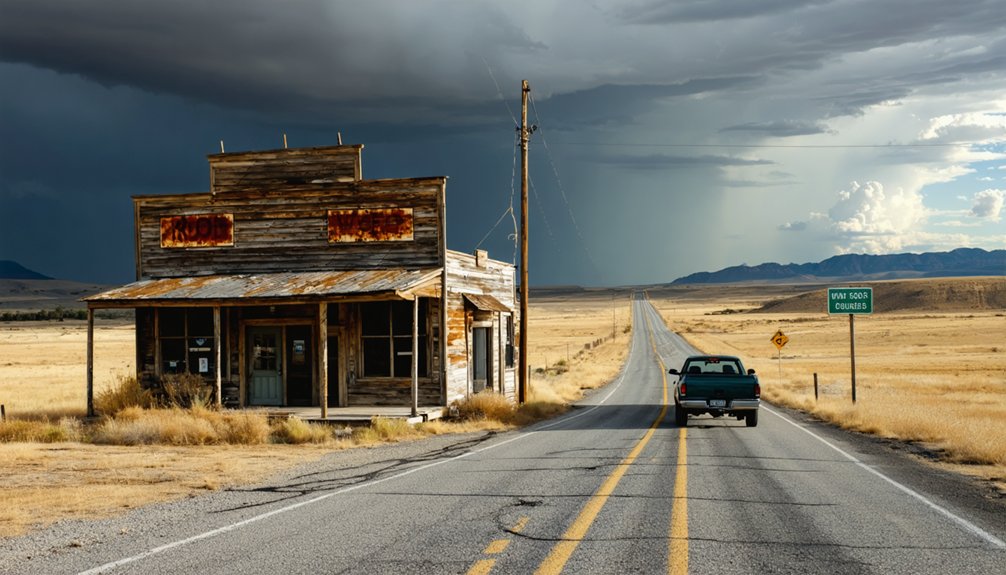
Planning a Wyoming ghost town drive gets easier once you anchor it around Bosler’s location on US 30/287, roughly 19 miles north of Laramie. Its position along the old Lincoln Highway makes it a natural connector between other forgotten communities worth exploring.
Anchor your Wyoming ghost town drive at Bosler, 19 miles north of Laramie on the old Lincoln Highway.
Local legends and preservation efforts give each stop real historical weight.
Build your route around these four stops:
- Laramie – Start here, resupply, and head north on US 30/287
- Bosler – Walk the schoolyard, photograph Doc’s store, absorb the rail-and-highway history
- SH 34 corridor – Push east toward smaller Albany County remnants
- Interstate 80 towns – Contrast Bosler’s bypass fate with communities that survived the freeway era
You’ll cover meaningful ground without backtracking.
What to Bring for a Day Trip to Bosler
Once you’ve mapped out your route, packing smart keeps the day from turning into an ordeal. Bosler sits at roughly 7,200 feet, so bring layers even in summer—high-plains weather shifts fast. Pack water, snacks, and a printed map since cell service is unreliable out there.
Carry a camera for the historical architecture: the brick schoolhouse, the clapboard library, and the weathered motel deserve close attention. A notebook helps you track local legends you might overhear if Doc’s store is open and someone’s willing to talk.
Wear sturdy shoes for walking uneven ground around abandoned structures. Binoculars add value if you want to scan the schoolyard’s scattered old vehicles from a distance. Keep your tank full leaving Laramie—fuel stops along US 30/287 aren’t guaranteed.
Other Albany County Ghost Towns to Combine With Bosler
Bosler pairs well with other Albany County ghost towns that share the same railroad-and-highway decline story, so you can string together a full day of high-plains exploration without backtracking far. Each stop adds another layer of historical preservation and community nostalgia to your drive.
Bosler fits naturally into a longer Albany County loop, where every ghost town adds another chapter to Wyoming’s railroad decline.
- Rock River – A former Union Pacific stop with surviving brick buildings and a strong ranching identity.
- Tie Siding – A timber-era town near the Colorado border, small but historically rich.
- Buford – Once claimed as America’s smallest town, now a quirky roadside landmark on I-80.
- Medicine Bow – Offers a genuine main street, a historic hotel, and deep railroad heritage worth your time.
Hit these in one loop and you’ll cover Wyoming‘s transportation history firsthand.
Frequently Asked Questions
What Is the Elevation of Bosler, Wyoming?
You’ll find Bosler sitting between 7,080 and 7,200 feet, where crisp high-plains air surrounds its ghost town history. Local wildlife roams freely across these adventurous elevations, making your visit feel gloriously untamed and invigorating.
Who Was Bosler, Wyoming Named After?
You’ll discover that Bosler’s named after Frank Bosler, owner of the Diamond Ranch — one of the area’s most compelling ghost town legends. His cattle empire shaped these historical landmarks and left a lasting mark on Wyoming’s adventurous past.
When Was Bosler’s Post Office Established?
Like a seed planted in untamed soil, Bosler’s post office took root in 1908, anchoring its ghost town history and breathing life into old west stories you’ll still feel echoing through its weathered, freedom-soaked streets today.
What Was Bosler’s Peak Population During Its Busiest Years?
You’ll find Bosler peaked at nearly 300 residents around 1940, making it a thriving community. Today, its ghost town attractions and historic site preservation let you explore this fascinating, freedom-evoking slice of Wyoming’s adventurous past.
Is Camping Available Near Bosler, Wyoming?
You won’t find camping amenities or nearby campgrounds in Bosler itself — it’s practically a ghost! Head to Laramie, just 19 miles south, where you’ll discover your freedom-fueled basecamp for exploring Wyoming’s wild, open plains.
References
- https://freepages.rootsweb.com/~gtusa/history/usa/wy/bosler.htm
- https://en.wikipedia.org/wiki/Bosler
- https://historicwyoming.org/profiles/bosler/
- https://wyomingwhispers.com/bosler-wy-ghost-town/
- https://ghosttownsoftherockies.com/towns/bosler/
- https://ermakvagus.com/noam/usa/West/Bosler/Bosler.htm
- https://ermakvagus.com/North America/usa/West/Bosler/Bosler.htm
- https://en.wikipedia.org/wiki/List_of_ghost_towns_in_Wyoming