Planning a ghost town road trip to Hiawatha, Utah means exploring 55 acres of weathered coal-era buildings and mining relics tucked into Carbon County’s rugged landscape. You’ll need to respect the private property gate and get permission before visiting. Pair Hiawatha with nearby Helper, Latuda, and Castle Gate to build a rewarding heritage circuit. Budget at least two days so you’re not rushing—there’s far more history here than first meets the eye.
Key Takeaways
- Hiawatha’s 55-acre townsite features weathered buildings and mining relics reflecting its coal-era company-town history, including a significant Greek immigrant community.
- The site is private property with a gate blocking access; obtain permission from the property owner before visiting.
- Combine Hiawatha with nearby Carbon County sites like Helper, Latuda, and Castle Gate for a full mining-heritage circuit.
- Plan for at least two days to thoroughly explore the circuit, as driving between stops alone exceeds 14 hours.
- Check seasonal conditions before traveling, as winter snow and spring mud can restrict road access to these sites.
Why Hiawatha, Utah Became One of Carbon County’s Defining Coal Towns
When coal was discovered in Hiawatha’s hills in 1909, it set off a chain of events that would transform a remote corner of Carbon County into a thriving industrial community. A railroad connected the town to Price, and by 1911, roughly 500 residents had already put down roots.
The United States Fuel Company shaped nearly every aspect of daily life, building housing, schools, stores, and a hotel. Greek immigrants arrived in significant numbers, weaving their traditions into local legends that still echo through the region’s history.
What the Gate and Private-Property Restrictions Mean Before You Go
Before you load up the car and point it toward Carbon County, understand that Hiawatha isn’t an open-air museum you can wander freely. A gate blocks direct access to the townsite, and local signage makes the trespassing rules clear — this is private property, and uninvited entry isn’t tolerated.
That restriction doesn’t have to end your plans. Contact the property owner beforehand, explain your interest in the site’s mining history, and request permission. Many heritage-minded travelers secure access exactly that way.
Respecting those boundaries also protects what’s left of the site. Hiawatha’s weathered buildings and mining relics survive partly because people take the restrictions seriously. Treat the place accordingly, and your road trip becomes a responsible act of historical appreciation rather than a liability.
What Remains Across Hiawatha’s 55-Acre Townsite Today
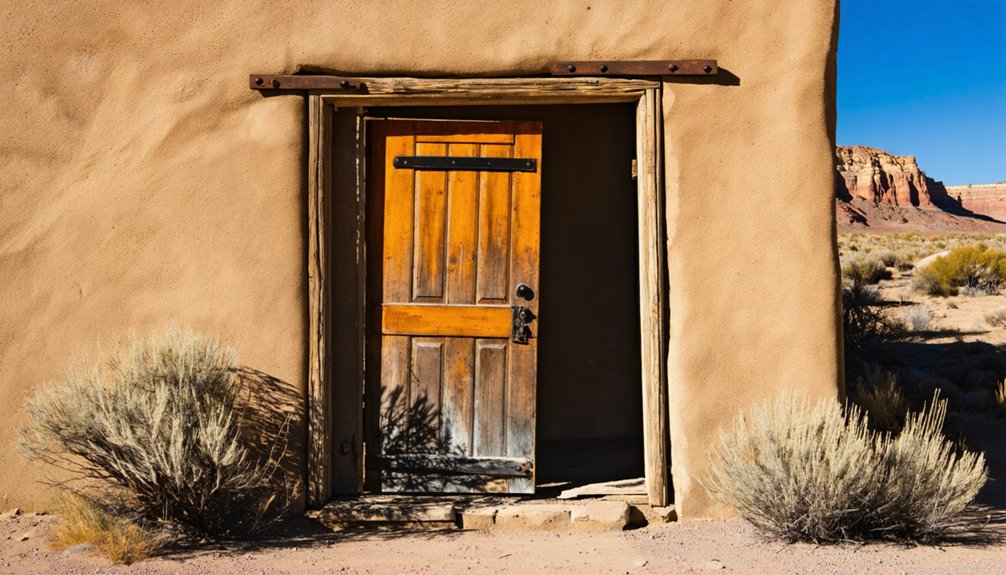
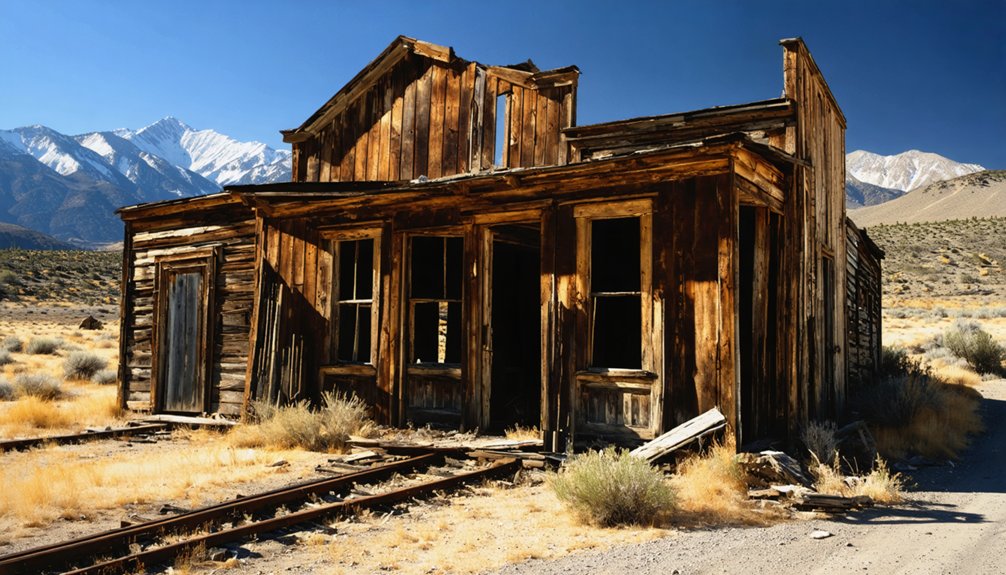
Assuming you’ve sorted out the access question, what you’ll find beyond that gate stretches across roughly 55 acres of weathered structures and mining-era relics that have outlasted the coal boom by decades.
Beyond that gate, 55 acres of weathered structures and mining-era relics wait — outlasting the coal boom by decades.
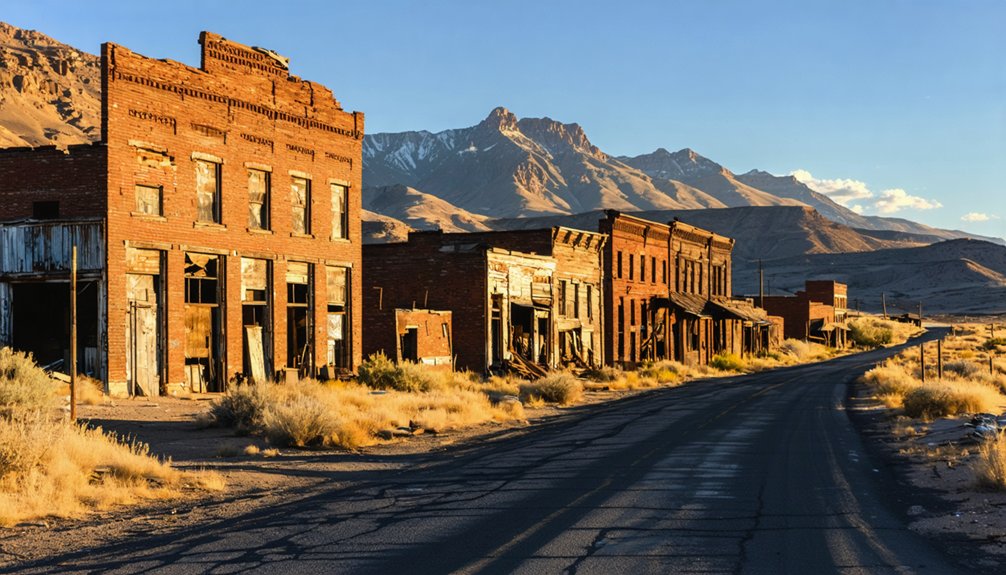
Original buildings still stand across the townsite, remnants of a company-town infrastructure that once supported over 1,500 residents. You’re looking at housing blocks, commercial structures, and industrial remains that speak directly to the artifact significance of Hiawatha’s peak years.
Historic preservation efforts have reportedly touched parts of the site, though weathering continues its work. The landscape reads like an open-air record of coal-era Utah — Greek immigrant community life, United States Fuel Company operations, and daily working-town rhythms all embedded in what remains.
Treat everything you see as irreplaceable, because it genuinely is.
How to Pair Hiawatha With Helper, Latuda, and Castle Gate
Hiawatha makes the most sense as part of a broader Carbon County mining-heritage circuit, so pair it with Helper, Latuda, and Castle Gate to get the full picture of what coal extraction built — and eventually hollowed out — across central-eastern Utah.
Start in Helper, where the Western Mining and Railroad Museum anchors the day and local dining options let you refuel before pushing deeper into the canyon country.
Latuda sits close enough to fold in without backtracking, offering more company-town ruins against dramatic terrain.
Castle Gate delivers scenic overlooks of the Price River corridor and carries its own violent labor history.
Together, these four stops form a connected story rather than isolated detours, and you’ll cover serious ground across one long, rewarding drive.
How Long a Carbon County Mining Heritage Road Trip Actually Takes
Planning a full Carbon County mining-heritage circuit takes longer than most people expect, so budget at least one full day — and ideally two — if you want to do it without rushing. Driving between Hiawatha, Helper, Latuda, and Castle Gate alone can push past 14 hours once you factor in stops, photography, and exploration time.
Seasonal weather adds another variable. Winter snow and spring mud can close access roads without warning, so check conditions before you commit to a route. Summer heat slows you down differently, especially if you’re watching for local wildlife near the canyon roads connecting these sites.
Two days gives you breathing room to actually absorb the history rather than sprint through it. You’ll leave with a clearer picture of what Carbon County’s coal era really looked like.
Frequently Asked Questions
Can You Visit Hiawatha Without a Vehicle With Four-Wheel Drive?
You don’t need four-wheel drive since a 2WD road leads to Hiawatha. No public transportation or hiking trails serve the site, so you’ll want your own reliable vehicle for this remote adventure.
What Role Did Greek Immigrants Play in Hiawatha’s Community Culture?
You’ll find that Greek immigrants shaped Hiawatha’s soul through strong Greek heritage and deep community influence, enriching the town’s social fabric with vibrant traditions, tight-knit bonds, and a cultural identity that outlasted the coal boom itself.
Is Artifact Collecting Permitted Anywhere Along the Carbon County Mining Route?
Every relic’s a whisper of mining history — don’t silence it. You can’t collect artifacts along the route; preservation efforts protect these remnants. Leave them standing so others can hear those same echoes of Carbon County’s past.
What Company Originally Built and Operated Hiawatha as a Company Town?
You’ll find that the United States Fuel Company originally built and operated Hiawatha’s rich mining history, shaping it into a classic company town where they controlled housing, stores, schools, and daily life.
Are There Guided Tours or Organized Heritage Programs Available at Hiawatha?
No official guided tours or heritage programs exist at Hiawatha. You’ll need to research access independently, respect private property restrictions, and connect with local historical organizations if you’re seeking a deeper, meaningful mining-heritage experience there.
References
- https://www.visitutah.com/things-to-do/history-culture/ghost-towns
- https://www.onlyinyourstate.com/trip-ideas/utah/road-trip-ut-ghost-towns
- https://www.reddit.com/r/roadtrip/comments/1fblvhm/ghost_towns_or_weird_stops/
- https://www.ghosttowns.com/states/ut/hiawatha.html
- https://www.travelmag.com/utah-road-trip-takes-you-to-ghost-towns-ancient-ruins-and-otherworldly-landscapes/
- https://en.wikipedia.org/wiki/Hiawatha