Planning a ghost town road trip to Bourne, Oregon starts in Sumpter, where you’ll head west on Highway 410 before turning onto Cracker Creek Road for a scenic 6-mile drive into the Blue Mountains. You’ll find weathered cabins, mining remnants, and Cracker Creek winding through a dramatic canyon. Visit in summer for the best road conditions. There’s more to know before you go to make the most of your trip.
Key Takeaways
- Bourne is located 6 miles from Sumpter via Cracker Creek Road, accessible by 2WD vehicles in fair weather conditions.
- Visit between late spring and early fall for the most reliable road conditions and fully open access routes.
- The ghost town features weathered cabins, mining remnants, and Cracker Creek running through its scenic canyon setting.
- Plan 1-2 hours exploring Bourne’s historical artifacts, then return to Sumpter for lunch and additional backroad exploration.
- Bourne produced approximately $8 million in gold and silver between 1894 and 1916, making it a rich historical destination.
Why Bourne, Oregon Is Worth the Drive?
Although Bourne, Oregon is little more than a scattering of weathered cabins tucked into a steep mountain canyon, it punches well above its weight as a ghost town destination. You’re stepping into a place that once produced roughly $8 million in gold and silver, and the canyon’s rugged setting makes that history feel alive rather than distant.
Cracker Creek still runs through the site, local wildlife moves through the forested slopes, and scenic viewpoints along the drive reward anyone willing to trade pavement for dirt. Unlike crowded attractions, Bourne stays quiet and largely unchanged.
You can explore freely, photograph original structures, and absorb the atmosphere of a boomtown that boomed, faded, and survived on its own terms. That kind of authenticity is increasingly hard to find.
How to Get to Bourne From Sumpter
Getting to Bourne is straightforward once you’re in Sumpter. Head west on Highway 410 toward Granite, and after about 0.5 miles, turn right onto Cracker Creek Road.
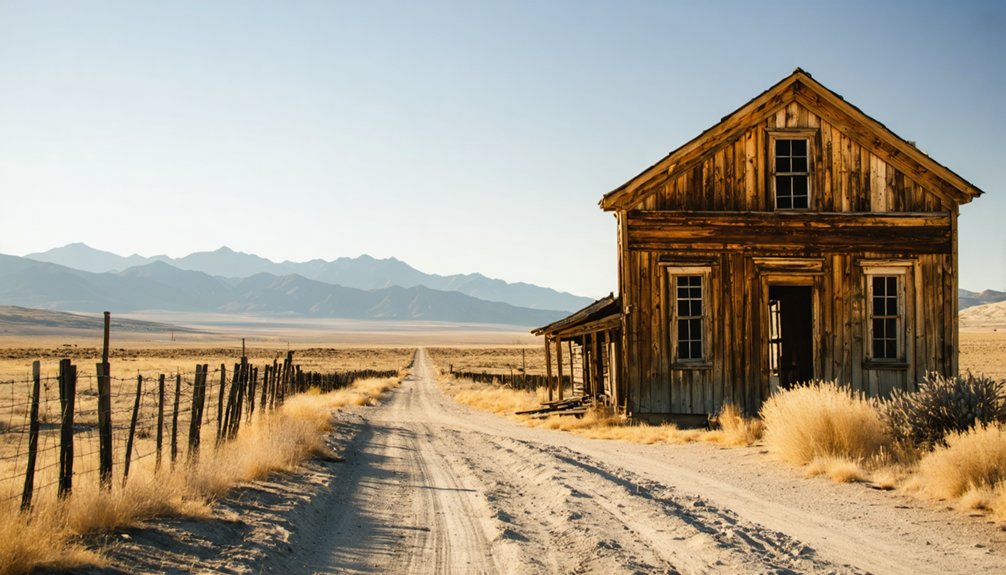
The pavement disappears quickly, giving way to roughly 6 miles of dirt and gravel climbing into the Blue Mountains.
A 2WD vehicle handles the road in fair weather, though high clearance adds comfort on the rougher sections. Plan your visit for summer, when conditions are most reliable. Winter can shut the route down entirely.
As you follow Cracker Creek uphill, the canyon narrows and the forest thickens. You’re tracing the same path miners once traveled, chasing gold and local legends.
Bourne rewards the drive with historical artifacts, weathered cabins, and a setting that feels genuinely removed from the modern world.
When To Visit Bourne for Driveable Road Conditions
Summer is your best window for driving Cracker Creek Road, when drier conditions make the dirt and gravel route manageable even in a standard 2WD vehicle.
Once winter sets in, snow can close the road entirely, leaving snowmobiles as the only realistic way in.
If you’re planning a ghost town road trip, aim for late spring through early fall to avoid getting turned back before you reach the townsite.
Summer Offers Best Access
If you’re planning a drive to Bourne, timing matters. Summer gives you the best shot at reaching this remote ghost town without fighting snow-packed or muddy roads.
The dirt and gravel sections of Cracker Creek Road become far more manageable in dry conditions, letting you focus on the journey rather than the terrain.
During summer, you’ll arrive to find weathered cabins, historical artifacts, and scenic vistas framed by forested canyon walls — exactly what makes Bourne worth the detour.
A standard 2WD vehicle can handle the route in fair weather, though high clearance adds comfort on rougher stretches.
Outside of summer, snow can shut the road down entirely, leaving access to snowmobiles only.
Plan accordingly, and you’ll have a smooth, rewarding trip.
Winter Limits Road Travel
Winter transforms Cracker Creek Road into a no-go zone for standard vehicles, with snow and ice cutting off car access entirely. Winter travel to Bourne shifts from a rough but manageable dirt drive to a snowmobile-only route. You can’t simply load up the car and head north from Sumpter once snow conditions set in — the mountain terrain and canyon roads make that impossible.
If you’re drawn to the freedom of exploring on your own terms, that means timing matters. A winter visit without a snowmobile leaves you locked out of the site completely.
Plan your road trip between late spring and early fall, when the road is passable and Bourne’s weathered cabins and creek-side landscape are fully accessible and worth every mile of the drive.
The Gold Mining History That Built This Ghost Town
Gold put Bourne on the map, and the story behind that rush explains why a remote canyon in the Blue Mountains once buzzed with enough activity to warrant its own post office. Between 1894 and 1916, gold and silver extraction produced roughly $8 million in this tight creek corridor.
Mining machinery carved into the landscape while the population swelled enough to rename the settlement after Senator Jonathan Bourne Jr. in 1895. What started as Cracker City transformed into a legitimate boomtown with real infrastructure and ambition.
Today, the weathered cabins and scattered historic landmarks stand as quiet evidence of that intensity. The creek still runs through the canyon, but the rush is long gone, leaving behind just enough to reward curious travelers who make the drive.
What You’ll Actually See When You Arrive in Bourne?
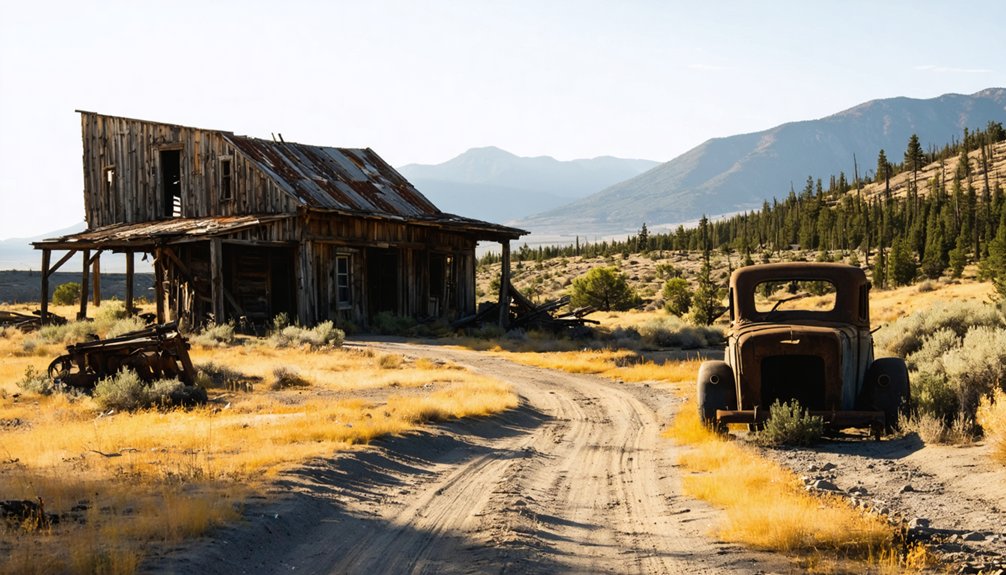
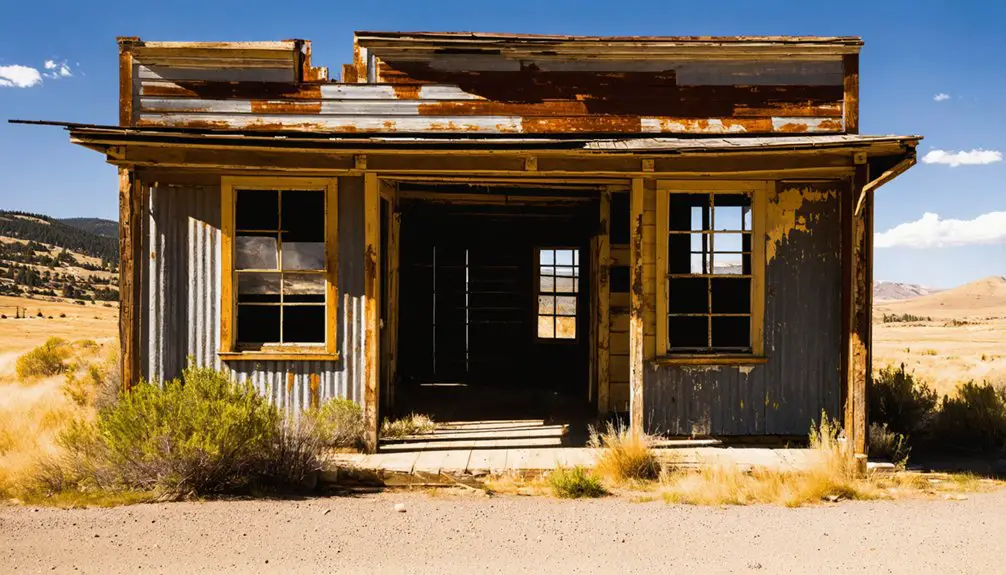
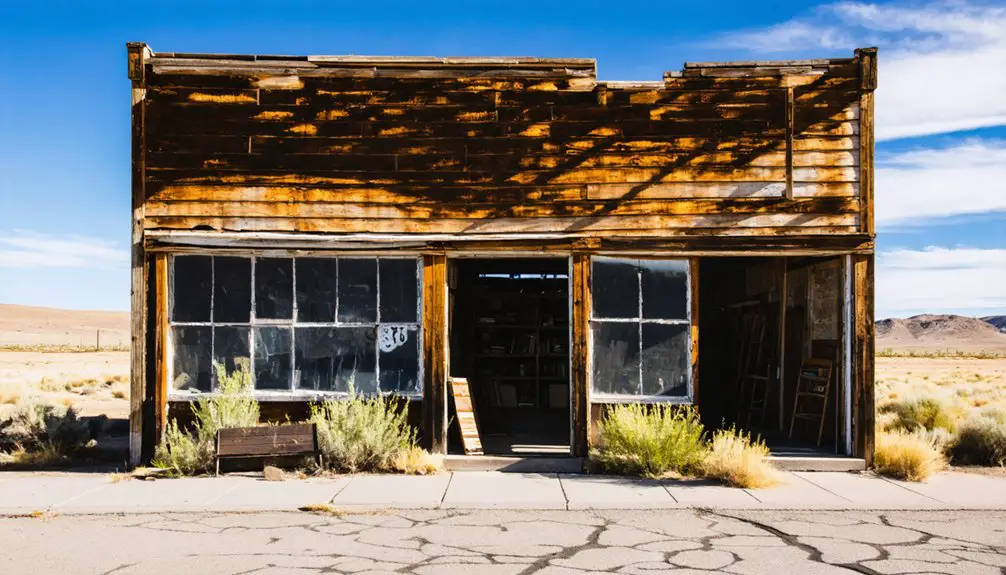
Once you round the last bend on Cracker Creek Road, the canyon opens just enough to reveal a cluster of weathered cabins tucked against the forested slopes. The site is compact but rich, rewarding anyone who makes the drive.
Round the last bend and the canyon opens — weathered cabins tucked against forested slopes, compact but quietly rewarding.
Cracker Creek threads through the townsite, giving the whole scene a raw, lived-in feel that photos can’t fully capture.
Here’s what you’ll find on the ground:
- Standing cabins – Some original, some seasonally occupied, all atmospheric and full of historical artifacts worth examining closely.
- Scenic views – Forested canyon walls frame every angle, making this a strong stop for photography.
- Mining remnants – Scattered evidence of the town’s productive years between 1894 and 1916 still marks the landscape.
Explore at your own pace. Nothing here rushes you.
How to Build a Full Day Trip Around Bourne From Sumpter
Bourne rewards a short visit, but Sumpter gives you the full day. Start your morning in Sumpter by walking the dredge site and grabbing coffee before hitting Cracker Creek Road.
Time the drive right, and you’ll catch wildflower blooms lining the canyon walls as the light shifts through the trees. Spend an hour or two exploring Bourne’s remaining cabins, then retrace your route slowly — forest wildlife moves more freely once foot traffic quiets down.
Back in Sumpter, grab lunch and browse the small shops along the main street. The afternoon stays yours to wander Baker County’s back roads or chase other mining-era remnants nearby.
The loop is tight, manageable, and gives you genuine backcountry Oregon without overcommitting to a single destination.
Nearby Ghost Towns That Pair Well With a Bourne Day Trip
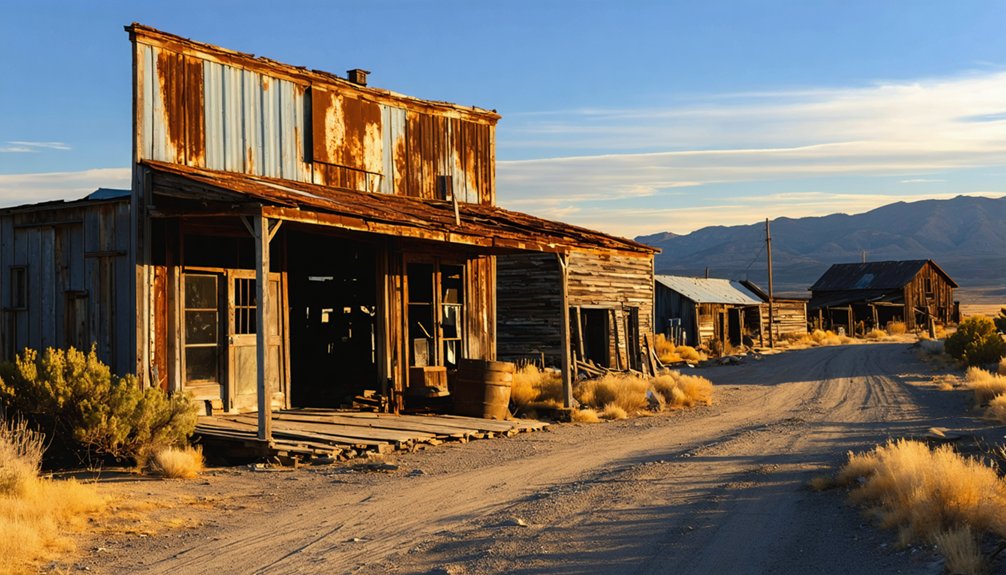
Baker County’s mining past doesn’t end at Bourne — if you’re already on the road, you’re within reach of several ghost towns that round out the story. Each stop adds mining relics and forest scenery that deepen the experience without stretching your day too thin.
- Sumpter – Your likely base camp, with a gold dredge, museum, and preserved downtown that anchor the region’s history.
- Granite – A quiet remnant town about 18 miles west, where you’ll find old structures tucked into the Blue Mountains’ timber country.
- Auburn – One of Oregon’s earliest mining settlements, located near Baker City, offering a stark contrast between its boomtown past and near-total disappearance today.
Stack these stops strategically and you’ve built a road trip that tells a complete story.
Frequently Asked Questions
Is There an Entrance Fee to Visit Bourne, Oregon?
You’re in luck — Bourne’s historical landmarks are completely free to explore! You don’t need a single penny to roam this ghost town. Afterward, you can treat yourself to local dining back in Sumpter.
Are Campgrounds Available Near Bourne Inside Wallowa–Whitman National Forest?
You’ll find campgrounds near Bourne inside Wallowa–Whitman National Forest, perfectly placed for exploring historical landmarks. After setting up camp, you’re free to discover local dining back in Sumpter before returning to your adventurous, off-grid basecamp.
Can Visitors Legally Enter the Standing Cabins at Bourne?
Like echoes frozen in time, the cabins hold their haunted history close — you shouldn’t enter them. Respect cabin preservation by admiring these weathered structures from outside, keeping Bourne’s fragile remnants standing for fellow freedom-seekers.
Is There Cell Phone Service Along Cracker Creek Road?
Don’t count on cell coverage along Cracker Creek Road. Signal strength drops fast once you leave Sumpter and head into the canyon. Download your maps offline, tell someone your plans, and embrace the freedom of going truly off-grid.
Are Pets Allowed When Visiting Bourne Within the National Forest?
Sure, bring your furry co-pilot! Pets are allowed in Wallowa–Whitman National Forest, but keep them leashed for pet safety. Wildlife encounters are real out here, so don’t let curiosity turn your dog into bear bait.
References
- https://www.historicsumpter.com/bourne-oregon-ghost-town/
- https://en.wikipedia.org/wiki/Bourne
- https://www.youtube.com/watch?v=8axi3kG1nds
- https://westernmininghistory.com/towns/oregon/bourne/
- https://crookcountyhistorycenter.org/2026/07/bourne-oregon-a-ghost-town-with-a-swindling-history/
- https://www.youtube.com/watch?v=C39hFzDj3yY
- https://www.youtube.com/watch?v=eVuvijykTbU
- https://et.wikipedia.org/wiki/Bourne_(Oregon)
- https://pnwphotoblog.com/ghost-town-of-bourne-oregon/
- https://www.youtube.com/watch?v=wOGCjMTfrlM