Planning a California ghost town road trip doesn’t require months of prep — just a smart route and a few days to spare. Start near Shasta in the north and work your way south to Calico, covering roughly 770 miles across nine historic stops. You’ll want to visit between spring and fall for the best conditions. Pack water, extra fuel, and sturdy boots, and there’s plenty more to uncover ahead.
Key Takeaways
- California, Kansas is a small ghost town; research its history beforehand to understand its significance and plan meaningful stops along the way.
- Travel during spring or fall for mild temperatures, fewer crowds, and better road conditions on rural Kansas routes.
- Pack essentials including water, snacks, a first-aid kit, extra fuel, and paper maps for remote, unpaved road stretches.
- Use GPS with offline maps and confirm road conditions before departing, as some access routes may be unpaved or unmarked.
- Respect preserved structures and artifacts by avoiding touching or removing anything, as sites may be legally protected.
What Remains at California’s Most Iconic Ghost Towns
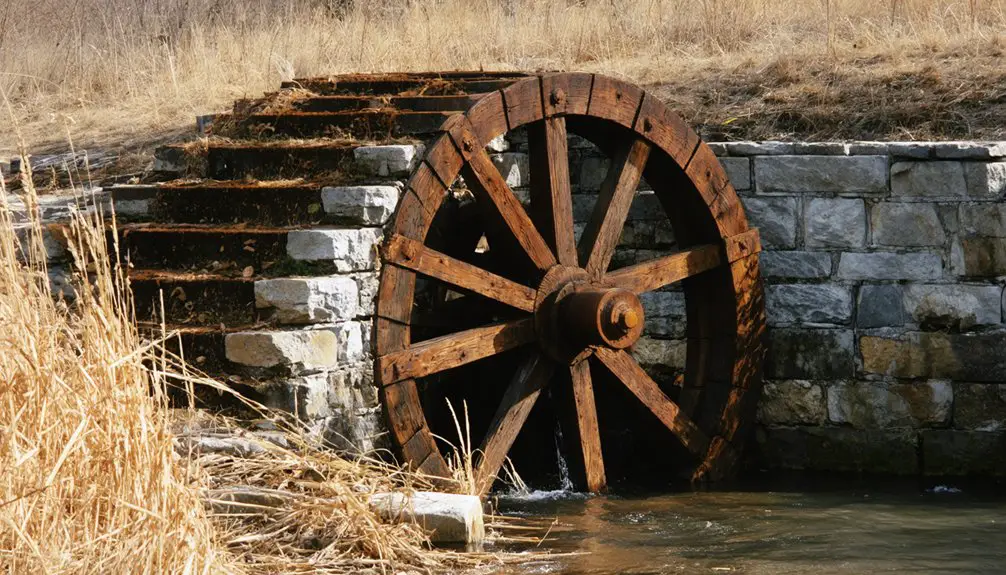
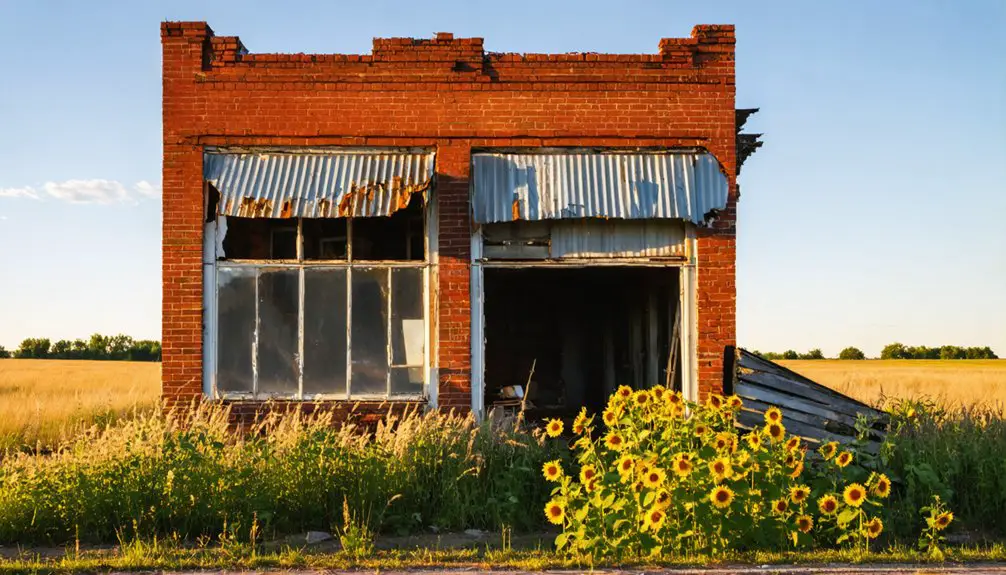
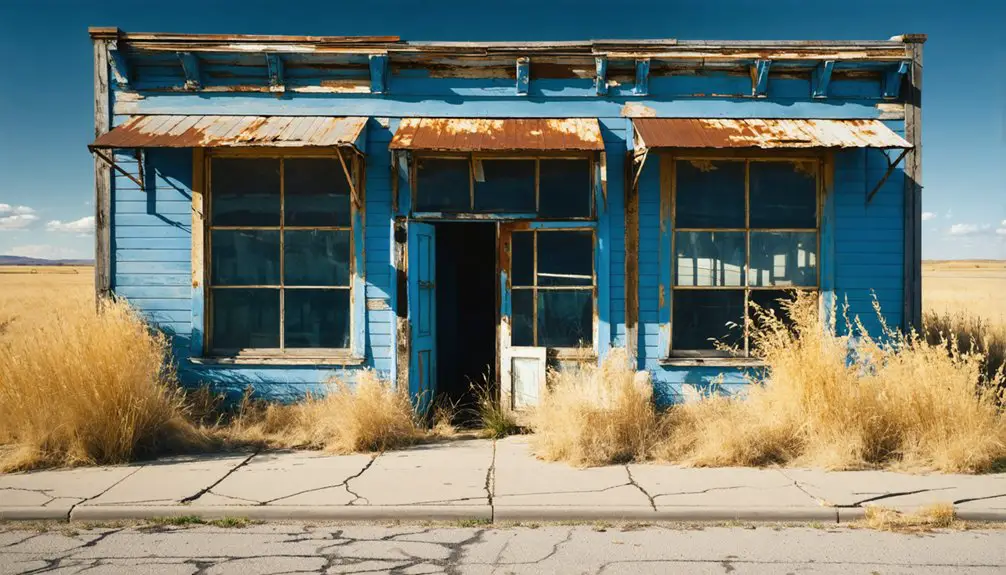
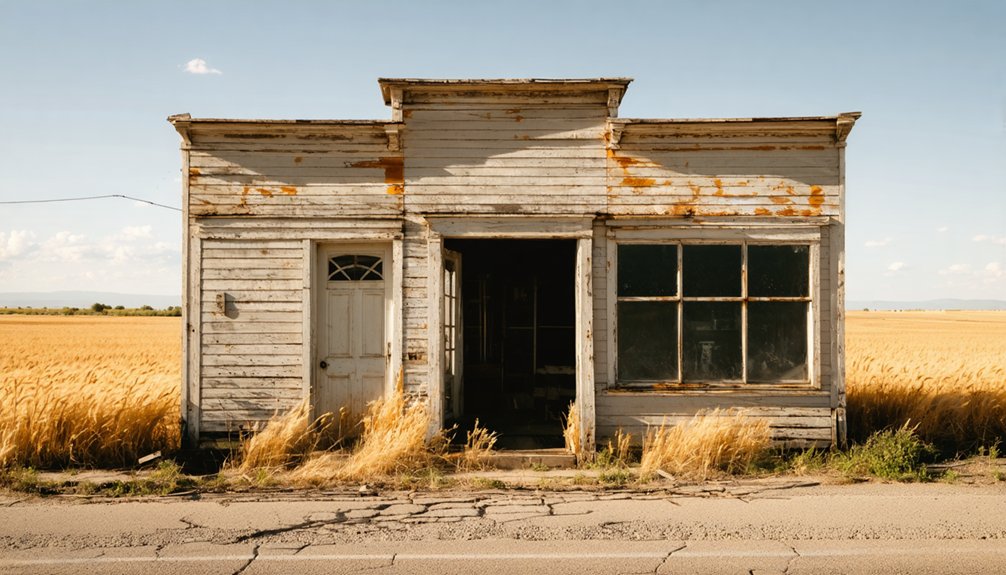
Each stop on this route tells a different story about what survival looks like after a boom goes bust. At Bodie, historical preservation keeps an entire town frozen in time — weathered buildings, rusting equipment, and mining artifacts scattered exactly where workers left them. You won’t find restaurants or gas stations here, just raw history.
Malakoff Diggins shows you the scarred landscape left behind by California’s largest hydraulic mining operation.
Calico takes a different approach, operating as a full attraction complex where you can ride the Calico & Odessa Railroad and pan for gold.
Randsburg still functions as a living community, quietly holding onto its 1890s identity.
Each site reflects a distinct chapter of California’s boom-and-bust past, and you get to walk straight through it.
How to Get to Bodie, Calico, and the Route’s Key Stops
You’ll want to begin your journey in Northern California near Shasta State Historic Park, then work your way south through the Sierra Nevada and into the Mojave Desert over three to six days.
Reaching Bodie requires a stretch of unpaved road off U.S. Highway 395, so check road conditions before you go.
While Calico sits conveniently just off Interstate 15 near Barstow.
Between key stops like Randsburg, Ballarat, and Malakoff Diggins, you’ll navigate a mix of state highways and desert back roads that reward careful planning with some of California’s most striking landscapes.
Starting Point And Access
Whether you’re flying into Sacramento or Los Angeles, this 770-mile route connects naturally to both ends. From Sacramento, you’ll reach Shasta State Historic Park in roughly two hours heading north, then work your way south through mining relics scattered across the Sierra Nevada foothills.
From Los Angeles, you can start at Calico Ghost Town and drive the route in reverse. Renting a car gives you the freedom to stop whenever desert landscapes demand your attention.
Most stops sit along U.S. 395 or nearby state highways, keeping navigation straightforward. Plan for fuel stops carefully — some stretches run long between stations, and towns like Bodie offer nothing commercial.
A GPS with offline maps helps when cell service drops in remote corridors.
Reaching Bodie And Calico
Bodie and Calico anchor opposite ends of this route, and reaching both rewards a little advance planning. Bodie sits northeast of Lee Vining off Highway 395, accessed via a partly unpaved road that demands a reliable vehicle. Its historical preservation is strict — no tourist amenities exist here, so fuel up and pack food before you arrive. The isolation is the point.
Calico sits just outside Barstow near I-15, making it far easier to reach. Here, tourist amenities are plentiful — rail rides, shops, and gold panning fill the day. Its historical preservation runs alongside commercial appeal, giving you a different but equally worthwhile experience.
Between these two anchors, Highway 395 carries you through the Eastern Sierra, connecting mining history mile by mile.
Navigating Between Key Stops
Stretching roughly 770 miles from Shasta in the north to Calico in the south, this route rewards drivers who plan each leg rather than wing it. You’ll move through Northern California’s Sierra Nevada mining corridors before dropping into the Mojave Desert’s open stretches.
Each stop sits within a broader network of historical preservation efforts, so you’re never far from context about what once stood there. That said, visitor amenities vary dramatically. Bodie offers no fuel or food, so stock up beforehand. Randsburg and Barstow provide better resupply options before you push south.
Keep a paper map or downloaded offline route handy since cell service disappears in the eastern Sierra. Spacing your driving across three to six days lets you explore without rushing past the details that make each stop worth finding.
Best Time to Visit California Ghost Towns
Spring and fall offer the sweetest windows for this road trip, giving you mild temperatures across both the Sierra Nevada foothills and the Mojave Desert without the punishing summer heat.
If you’re targeting Bodie, plan your visit between late May and October, since snow closes the access road during winter months.
Summer draws the heaviest crowds to showpiece sites like Calico, so arriving on a weekday in April or September lets you explore at a quieter pace.
Ideal Visiting Seasons
Because this road trip stretches from the Sierra Nevada to the Mojave Desert, timing your visit matters more than you might expect. Each region follows its own rhythm, and your experience shifts dramatically depending on when you arrive.
Spring (March–May) delivers mild temperatures across both regions, making it the strongest window for covering the full route. You’ll find historical preservation sites fully staffed and visitor amenities readily available.
Fall (September–October) runs a close second, offering cooler desert air and fewer crowds.
Summer punishes you in the Mojave, where temperatures routinely exceed 100°F near Calico and Ballarat.
Winter closes or limits access to higher-elevation stops like Bodie.
Target spring or fall, and you’ll move freely through every stop without battling extreme heat or seasonal closures.
Weather And Crowd Patterns
Weather along this route doesn’t follow a single pattern—it follows two, and they rarely align. Northern stops like Shasta and Malakoff Diggins stay cooler and wetter, while southern destinations like Calico and Randsburg bake under Mojave Desert heat. That climate variability means you’ll pack differently for each end of the trip.
Tourist crowds follow a predictable rhythm. Summer draws families to the southern ghost towns, turning Calico especially into a busy theme-park experience. Spring and fall offer the sweet spot—mild temperatures across most stops and noticeably thinner crowds.
Winter clears out the desert sites almost entirely, though mountain roads near Bodie may close. If you want open roads, quiet ruins, and unobstructed photos, aim for a shoulder-season departure.
What to Pack for a Multi-Day Ghost Town Road Trip
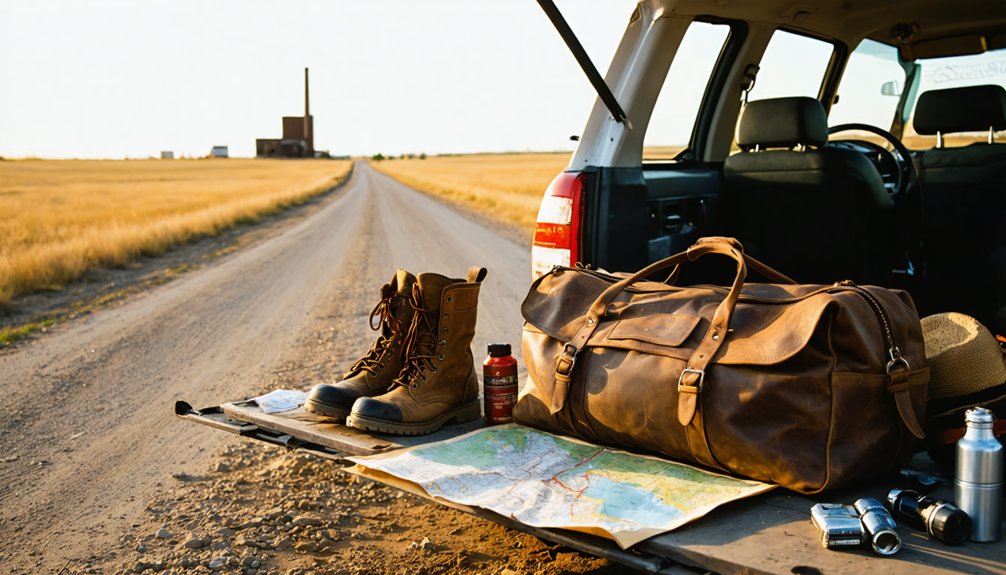
Packing smart can make or break a multi-day ghost town road trip, especially when you’re moving between remote Sierra Nevada mining sites and open Mojave Desert terrain.
Carry enough water for locations like Bodie, where there’s no food or gasoline available. Sun protection, layered clothing, and sturdy boots handle shifting desert and mountain conditions.
Bring a camera to document historical artifacts you’ll encounter across preserved parks and open desert towns. Learn basic preservation techniques before you go — touching or removing anything disrupts sites protected under state and federal law.
A paper map backs you up when cell service disappears on remote stretches. Pack snacks, a first-aid kit, and extra fuel.
Freedom on this route comes from preparation, not improvisation.
Nearby Towns Worth Adding to the Route
While California’s ghost towns anchor the itinerary, several living towns nearby add useful layovers and deeper regional context. They let you refuel, rest, and connect with local cuisine and community events that ghost towns simply can’t offer.
Consider adding these stops:
- Randsburg – A living ghost town with a functioning general store and weekend gatherings.
- Barstow – A reliable base camp near Calico with dining options and Route 66 history.
- Bridgeport – A charming Eastern Sierra town close to Bodie with authentic ranch-style meals.
- Nevada City – A well-preserved Gold Rush-era town near Malakoff Diggins with active arts festivals.
These towns round out your freedom-focused journey, blending history with real community life you can actually experience firsthand.
How to Spend 3 to 6 Days Across All 9 Stops
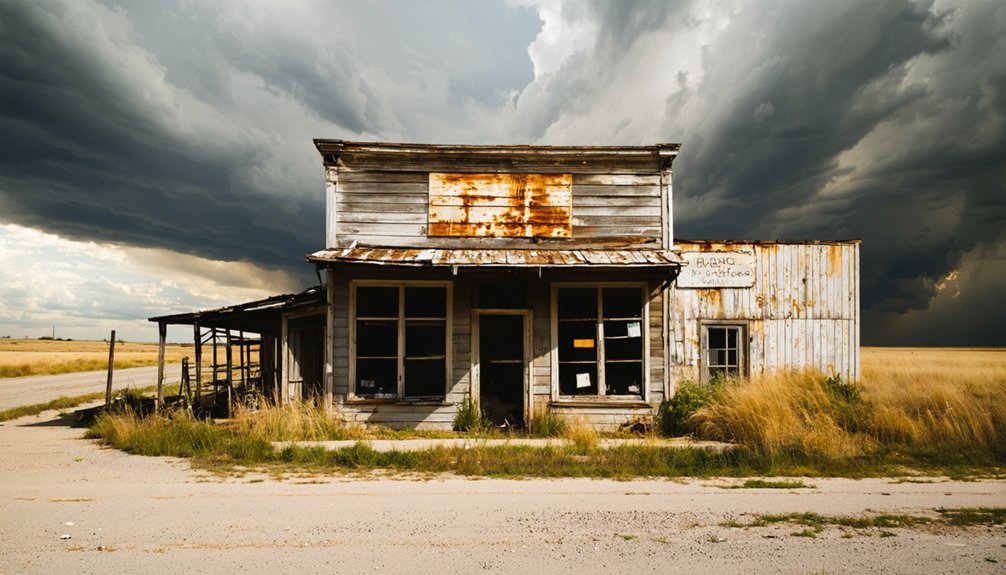
Stretching roughly 770 miles from Shasta in the north to Calico in the south, this nine-stop route rewards you most when you give it at least three full days—though six days lets you breathe, explore side trails, and actually absorb the mining history rather than race past it.
On a three-day push, cluster northern stops like Malakoff Diggins and Empire Mine on day one, hit Bodie on day two, then finish through Ballarat, Randsburg, and Calico on day three.
With six days, you’ll linger longer at each ghost town preservation site, read the interpretive markers, and genuinely connect with mining history highlights at every stop.
Either pace works—just don’t rush Bodie, and always top off your gas before heading into the desert stretch.
Frequently Asked Questions
Are Pets Allowed at California Ghost Town State Historic Parks?
Like a welcome mat at history’s door, pet regulations vary by park. You’ll find pet amenities limited at most California ghost town state historic parks — pets are typically allowed on leashes in designated outdoor areas only.
Can You Camp Overnight Inside or Adjacent to Bodie State Historic Park?
You can’t camp inside Bodie State Historic Park due to strict historic preservation rules. However, you’ll find nearby campgrounds where camping regulations allow you to set up base and explore this iconic ghost town freely!
Is Photography Permitted Inside Abandoned Structures at California Ghost Towns?
At Bodie, you’ll find photography restrictions limit interior exploration — you can’t enter abandoned structures. Stick to exterior shots and open areas to capture the haunting beauty while respecting preservation rules that keep these sites intact.
Are Any California Ghost Towns Accessible to Visitors With Mobility Limitations?
Yes, you’ll find accessible pathways and wheelchair accommodations at Calico Ghost Town and Bodie State Historic Park. Both sites let you explore historic grounds comfortably, ensuring everyone can experience California’s fascinating boom-and-bust mining heritage without limitations holding you back.
Do Any Ghost Town Stops Charge Admission Fees Along the Route?
Yes, you’ll encounter a mountain of admission fees at several stops! State parks like Bodie and Malakoff Diggins charge entry costs, and parking restrictions apply. Always check each site’s current pricing before you roam free.
References
- https://www.visitcalifornia.com/road-trips/ghost-towns/
- https://en.wikipedia.org/wiki/List_of_ghost_towns_in_California
- https://www.reddit.com/r/California/comments/4fizlu/put_together_a_collection_of_my_favorite/
- https://www.youtube.com/watch?v=cr3jaq8nR3o
- https://www.tripadvisor.com/Attractions-g28926-Activities-c47-t14-California.html
- https://www.youtube.com/watch?v=nZWSFiIofpE
- https://en.wikipedia.org/wiki/Category:Ghost_towns_in_California
- https://californiacrossings.com/best-ghost-towns-in-california/
- https://whimsysoul.com/must-see-california-ghost-towns-explore-forgotten-histories/
- https://www.youtube.com/watch?v=ZtBc0thPiyE