Close City, Texas won’t show up on most modern maps, but it’s a hidden gem worth chasing through Garza County’s wide-open rural landscape. You’ll drive roughly 300–400 miles northwest of Austin, taking US-183 toward Lubbock before pushing deeper into South Plains territory. Pack water, offline maps, and a full tank before you go. Nearby ghost towns like Clairemont and Justiceburg make the route even richer. Keep going to uncover everything you need for the perfect trip.
Key Takeaways
- Close City is a rural ghost town in Garza County, Texas, roughly 300–400 miles northwest of Austin, accessible via US-84 and US-180.
- Verify site accessibility through county records or historical societies before visiting, as some Texas ghost towns exist only as unmarked land.
- Nearby ghost towns like Clairemont, Justiceburg, Dumont, and Swenson make ideal stops to enrich your overall route.
- Pack water, snacks, a first-aid kit, offline maps, and a power bank, as cell service becomes unreliable past Abilene.
- Depart at sunrise, travel only during daylight, and share your route with someone for safety in remote areas.
What Is Close City, Texas, and Does It Still Exist?
Where exactly is Close City, Texas, and does it still stand as a real destination? That answer isn’t as straightforward as you’d hope. Close City appears on older Texas maps as a small, faded settlement, but its current status remains difficult to verify without digging into local records and regional sources.
What you’ll find are whispers of local legends tied to rural Garza County, where communities once thrived around agriculture and railroads before quietly disappearing.
Historical preservation efforts in Texas have saved some ghost towns, but others exist only as unmarked patches of land.
Before you pack your bags, treat Close City as a destination worth researching rather than assuming. Confirm its accessibility through county records, local historical societies, or Texas ghost town directories before hitting the road.
How Far Is Close City From Austin?
Close City sits roughly 300 miles northwest of Austin, putting your drive at around four to five hours depending on your route through West Texas.
You’ll want to plan your path carefully, since US-84 and US-180 offer the most direct corridors but pass through stretches with limited services.
Fuel up before leaving any mid-route town, because gas stations thin out considerably as you push deeper into the remote plains.
Approximate Drive Time
Tucked in the Texas Panhandle region, Close City sits roughly 400 miles northwest of Austin — a drive that’ll take you somewhere between 6 and 7 hours depending on your route and stops along the way. That’s a solid commitment, but the open highway rewards you with shifting landscapes and small-town Texas character.
You’ll trade city traffic for wide skies and ranch land long before you arrive.
Visitor accessibility isn’t complicated, but it does require preparation. Remote routes mean fewer services, so fuel up strategically and plan your departure early.
Historical preservation efforts at sites like this depend partly on respectful, informed visitors showing up ready to engage thoughtfully.
Treat this drive as part of the experience — not just the miles between you and the destination.
Route Planning Tips
Getting from Austin to Close City means committing to roughly 400 miles of northwest Texas highway — and once you accept that, you can actually start planning the route with intention.
Head northwest on US-183 toward Lubbock, then push further into the South Plains from there. You’re trading city noise for open sky, and that freedom is exactly the point.
Build in buffer time for unexpected stops. Historical preservation sites and roadside markers often appear without warning, and local legends tend to live in the smallest, easiest-to-miss places.
Download offline maps before you leave Austin — cell service thins out fast past Abilene. Share your route with someone back home, fuel up at every reasonable opportunity, and treat the drive itself as part of the destination.
Fuel Stop Considerations
When you’re covering roughly 400 miles of northwest Texas highway, fuel stops aren’t optional — they’re part of the strategy. Rural routes toward Close City thin out fast, and gas stations don’t appear on demand. Fill your tank before leaving any mid-sized town, and don’t assume the next dot on the map sells fuel.
This stretch of Texas carries its own local legends — stories tied to historical preservation efforts and forgotten communities that vanished quietly from the map. You’re driving through that history, and running empty on a remote caliche road kills the adventure quickly.
Download offline maps, note fuel stops in advance, and carry a small gas can if you’re pushing deep into the backcountry. Freedom on the open road starts with smart preparation.
How to Plan the Drive as a Single Day Trip
Planning a single-day drive to Close City works best if you leave early, keep your fuel tank full, and treat the route as a flexible loop rather than a rigid schedule. Rural west Texas rewards curiosity, not clock-watching.
Follow these four priorities to keep your day on track:
- Depart by sunrise to maximize daylight across remote stretches where road conditions shift unexpectedly.
- Map offline navigation before leaving home since cell service disappears fast outside city limits.
- Practice visitor etiquette at every stop — photograph freely, but never remove objects tied to historical preservation.
- Build buffer time between stops so detours don’t force rushed decisions near unfamiliar property boundaries.
Flexibility keeps the experience honest and the drive genuinely yours.
What to Pack Before You Leave Austin
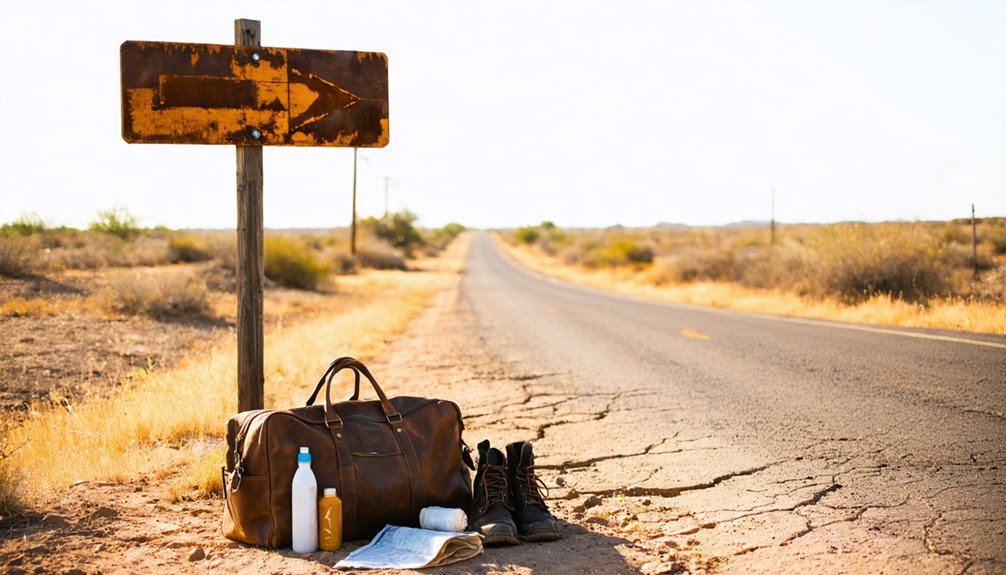
Before you pull out of Austin, pack like the road won’t do you any favors—because it won’t. Toss closed-toe shoes, sunscreen, insect repellent, a flashlight, and a basic first-aid kit into a sling bag so you’re ready for uneven ground, open terrain, and whatever’s hiding in the brush.
Round out your kit with bottled water, snacks, a fully charged phone, a backup power bank, and a downloaded offline map for stretches where cell service disappears.
Essential Gear and Clothing
Packing smart before you leave Austin can make the difference between a smooth ghost town adventure and an uncomfortable scramble. Close City’s remote terrain demands real preparation, not wishful thinking.
- Closed-toe shoes — Uneven ground, debris, and critters make open footwear a liability near ruins worth historical preservation.
- Camera or phone — Document everything, but practice photography etiquette: capture images without disturbing structures or removing artifacts.
- Sunscreen and insect repellent — Exposed, brushy terrain hits harder than you’d expect under a Texas sun.
- Flashlight or headlamp — Shadowed buildings and overgrown cemeteries swallow light quickly, even midday.
Toss a first-aid kit into your bag, too. Minor scrapes happen fast on forgotten ground. Prepare well, and you’ll move freely through whatever Close City reveals.
Once you’ve loaded your gear, stock your bag with snacks and navigation tools before leaving Austin’s city limits behind. Rural roads leading toward ghost towns like Close City offer little in the way of convenience stores or reliable cell coverage, so you’ll need to carry your own fuel for both body and phone.
Pack bottled water, high-energy snacks, and a downloaded offline map as your baseline. A portable charger keeps your phone ready for photography and navigation throughout the drive.
Print a backup route if you can.
Your camera doubles as a tool for historical preservation — documenting structures without disturbing them reflects strong visitor etiquette. You’re free to explore, but responsible preparation is what keeps that freedom sustainable on remote Texas roads.
What You’ll Actually Find When You Arrive at Close City
Arriving at a true Texas ghost town means trading manicured attractions for raw, unfiltered history — and Close City is no exception. You’ll encounter a landscape shaped by time, neglect, and quiet resilience.
Historical accuracy matters here — don’t romanticize what you see beyond what the evidence supports.
Expect to find:
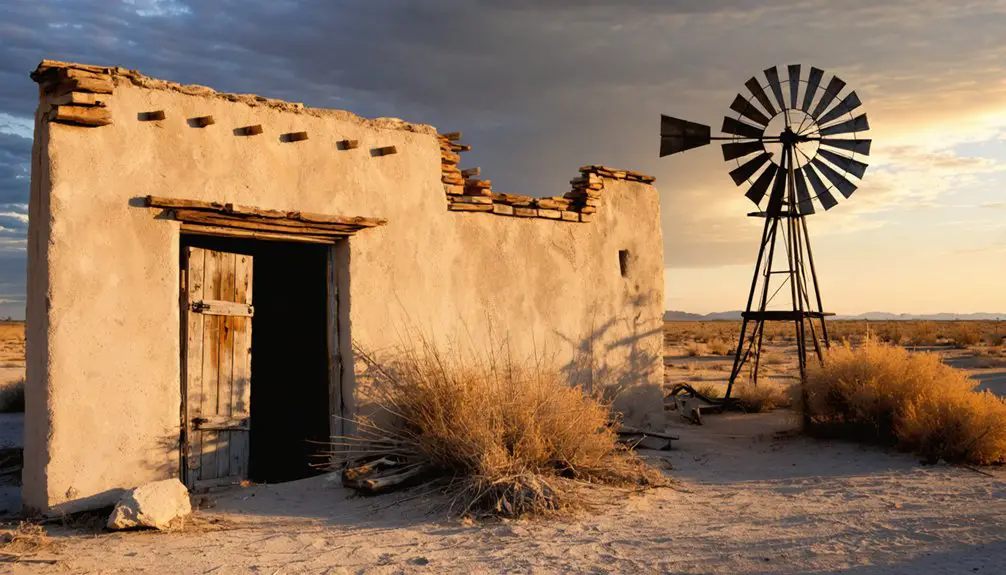
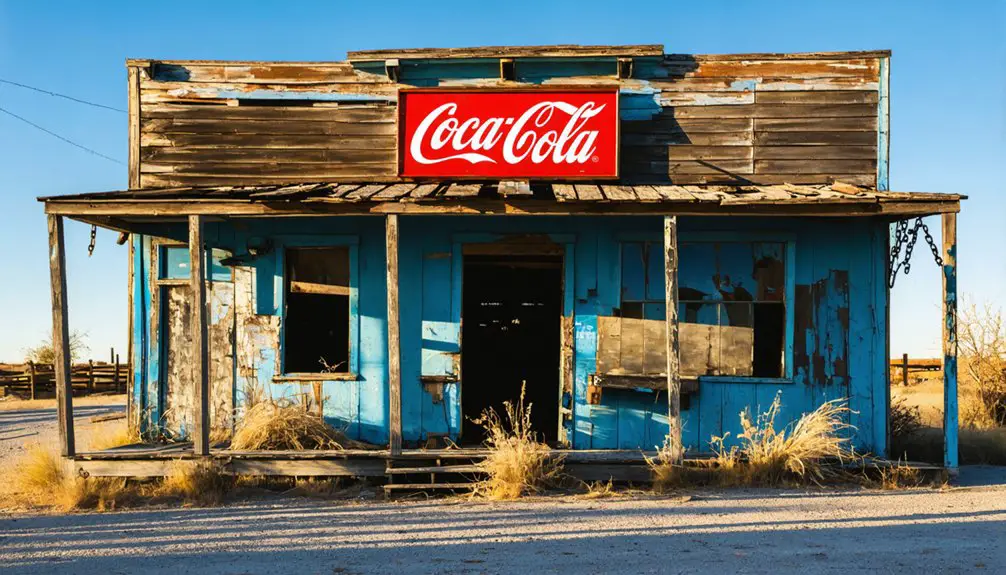
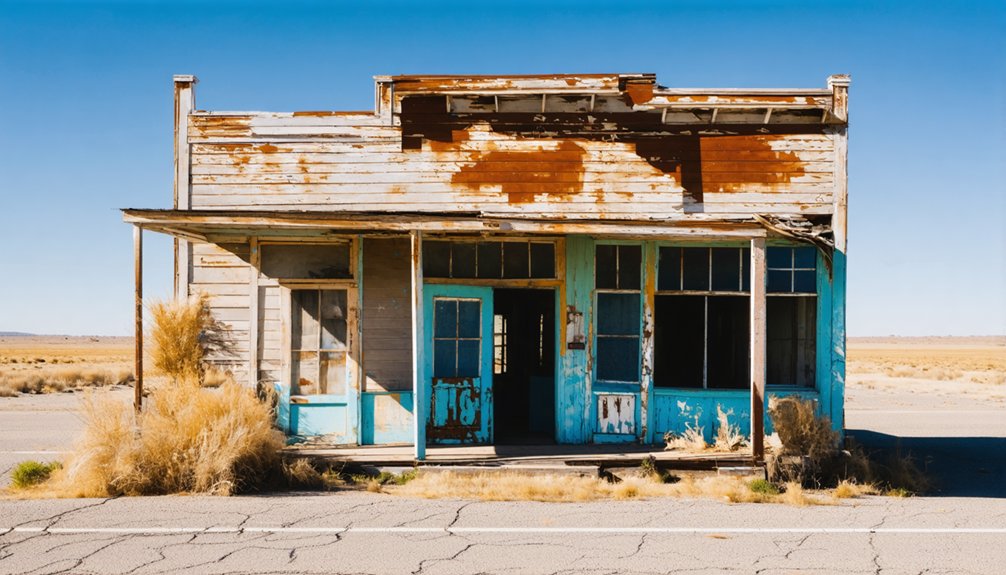
- Weathered structures — partial walls, foundations, or collapsed rooflines that mark where daily life once happened
- Unmarked boundaries — property lines that blur without signage, demanding your awareness
- Sparse signage — little official interpretation, so you’ll rely on your own research
- Fragile remnants — artifacts and surfaces where preservation ethics mean you observe without touching or removing
You’re stepping into something real. Treat it accordingly.
Is Close City, Texas Safe to Visit Alone?
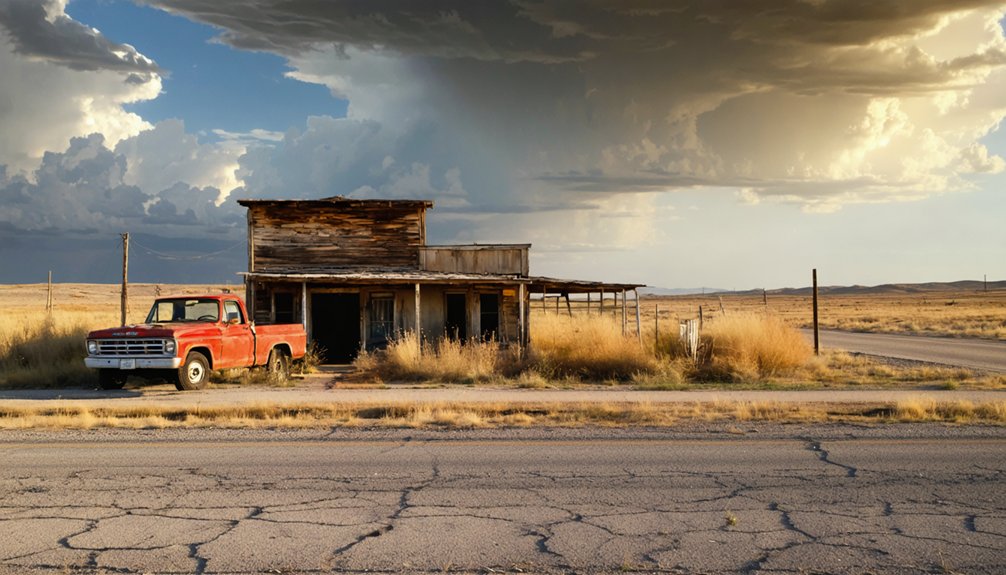
Knowing what you’ll find at Close City shapes how you should prepare — and that includes thinking honestly about whether you should go alone. Solo visits to remote ghost towns carry real risks. Cell service drops, roads get unpredictable, and help can be far away.
That doesn’t mean you can’t go — it means you go smart. Share your route before you leave. Travel during daylight. Carry water, a first-aid kit, and a backup navigation method.
Tourist safety and historical preservation actually connect here. When you’re unprepared, you rush, make careless decisions, and sometimes damage the very sites you came to see. Arriving ready keeps you safer and keeps the location intact for the next traveler curious enough to find it.
The Best Ghost Towns Near Close City Worth Adding to the Route
If you’re already making the drive out to Close City, it makes sense to stretch the trip and pull in a few more stops along the way. Texas has no shortage of abandoned structures and local legends waiting along rural backroads.
Consider adding these ghost towns to your route:
Consider folding a few ghost towns into your route — each one adds depth without demanding much of a detour.
- Clairemont – A near-empty county seat with a courthouse frozen in time.
- Justiceburg – Sits near Lake Alan Henry with crumbling remnants and strong local legends tied to ranching history.
- Dumont – A quiet collapse of a town with scattered abandoned structures worth photographing.
- Swenson – Small, overlooked, and surprisingly photogenic for anyone chasing forgotten Texas.
Each stop adds texture to your trip without requiring major detours.
What to Photograph at Close City and Nearby Ghost Towns
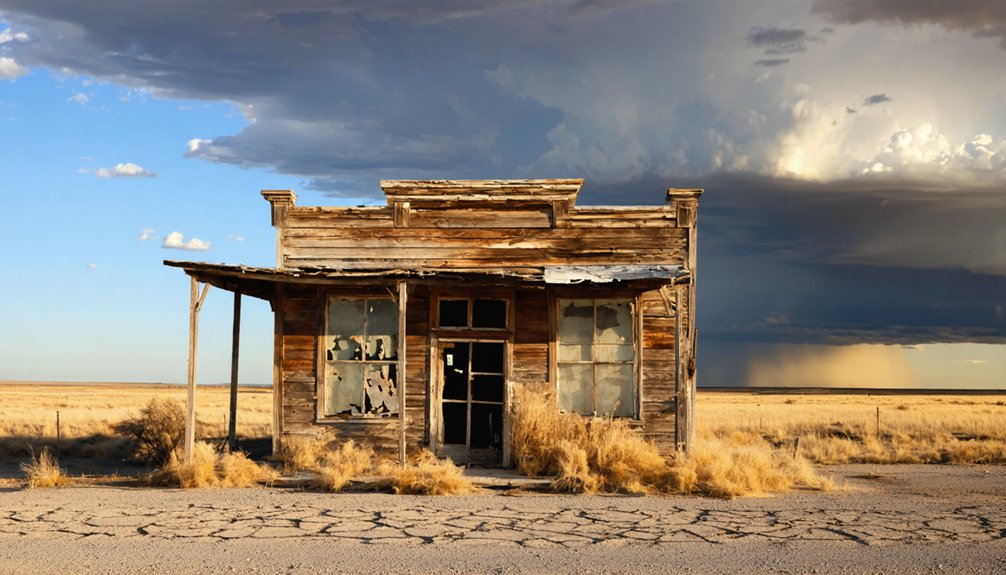
Ghost towns hand you a ready-made portfolio before you even step out of the car. At Close City and nearby sites, aim your lens at weathered storefronts, collapsed rooflines, and rusted farm equipment half-swallowed by brush. Cemetery headstones with hand-carved lettering reward close-up shots that support historical preservation without touching a thing. Shoot during golden hour when long shadows deepen texture across crumbling walls.
Before you frame anything on private land, check whether photography permits are required. Some owners or local authorities restrict commercial shooting at fragile sites. Always ask first.
Beyond structures, capture the landscape itself — flat horizon lines, caliche roads disappearing into scrub, and open sky. These wide shots give your photos context and tell the full story of rural Texas abandonment.
How to Respect Texas Ghost Town Sites Without Getting in Trouble
Getting the shot is only half the job — leaving the site exactly as you found it’s the other half. Texas ghost towns carry local legends worth protecting, and your visit either supports or undermines active preservation efforts.
- Ask before entering — If a structure sits on private land, get permission first. Trespassing charges are real.
- Photograph, don’t pocket — Removing artifacts, bricks, or signage is illegal and strips history from future visitors.
- Respect cemeteries — Walk carefully, avoid leaning on markers, and keep noise low.
- Pack out everything — Trash damages fragile sites and disrespects communities that still care deeply about these places.
Your freedom to explore depends on how responsibly you behave while you’re there.
Frequently Asked Questions
What Time of Year Is Best for Visiting Close City, Texas?
Spring and fall offer the best seasonal weather for your visit—you’ll dodge brutal Texas summers and enjoy fewer visitor crowds, giving you that open-road freedom to explore Close City’s remote, windswept landscape at your own pace.
Are There Any Entrance Fees for Texas Ghost Town Sites?
Dusty roads stretching endlessly before you—most Texas ghost towns don’t charge entrance fees, giving you free site accessibility. However, you’ll want to verify privately owned locations beforehand, as some may require permission before you explore.
Can I Bring My Dog on a Texas Ghost Town Road Trip?
You can bring your dog, but prioritize dog safety by packing water, watching for debris, and checking pet regulations before entering any private or restricted land along your Texas ghost town adventure.
Is Camping Available Near Close City or Surrounding Ghost Towns?
You’ll find camping options near surrounding ghost towns, but you’ve got to verify camping permits and pet policies ahead of time—rural Texas sites vary widely, so research your chosen spot before hitting those open, adventurous roads!
Do I Need a Permit to Photograph Abandoned Buildings in Texas?
“Better safe than sorry!” You don’t always need a permit, but legal considerations matter. Respect photography restrictions on private property by asking permission first. Stick to public access points and shoot freely without legal worries.
References
* https://texplorevibe.com/road-trip/weird-road-trip-from-austin/