Planning a ghost town road trip to Glendale, South Dakota means stepping into the Black Hills’ boom-and-bust past. You’ll find smelter ruins, charcoal kilns, and crumbled foundations from a once-thriving mining community of 2,000 residents. The town collapsed around 1900 when silver prices fell and the Hecla Mining Company went bankrupt. It’s raw, unpolished, and completely authentic. Everything you need to explore it confidently — from access tips to nearby ghost towns — is just ahead.
Key Takeaways
- Glendale is located just south of Keystone along U.S. Route 16A, near the Otho Mine area, making it an easy short drive.
- Visit in September for fewer crowds, cooler temperatures, and ideal conditions for exploring the weathered ruins and smelter remnants.
- Wear sturdy boots, bring water, offline maps, and gloves, as terrain is uneven and cell service is unreliable.
- Confirm land ownership and permit requirements beforehand, as the site spans private claims, state land, and national forest parcels.
- Nearby ghost towns like Etta, Lion City, and Hecla offer additional stops to enrich your road trip itinerary.
What Was Glendale, South Dakota?
Once a thriving mining settlement in the Black Hills of Pennington County, Glendale, South Dakota, grew from a rough 1870s boom camp into a recognized community of roughly 2,000 residents, complete with a post office, a newspaper called *The Atlantis*, and an operational lead smelter that helped process ore from the surrounding Hecla Mining District.
Early mining techniques drove rapid development, pulling silver, lead, and copper from the earth and fueling demand for permanent infrastructure. Town architecture reflected that ambition — company offices, storefronts, and charcoal kilns shaped a settlement that locals considered more civilized than neighboring camps.
When silver prices collapsed and the Hecla Mining Company went bankrupt, residents scattered to Arizona and Idaho, leaving Glendale to fade into the ghost town you can explore today.
How Glendale Went From Boomtown to Ghost Town
Glendale’s rise was fast, but its fall came even faster. At its peak, the town hummed with 2,000 residents, a functioning smelter, and serious mining history built on silver and lead.
At its peak: 2,000 residents, a working smelter, silver and lead pulling the town forward.
Then silver prices collapsed, the Hecla Mining Company went bankrupt, and the smelters shut down for good in 1900. Residents didn’t linger — they packed up and chased the next strike in Arizona and Idaho.
What’s left today reflects the brutal honesty of boom-and-bust cycles. Ghost town preservation here isn’t polished or curated — you’re looking at foundations, ruins, and scattered remnants reclaimed by the landscape.
That rawness is exactly why the site draws independent travelers. You’re not visiting a replica. You’re standing in what silver actually built — and what its absence destroyed.
What’s Left to See at Glendale Today?
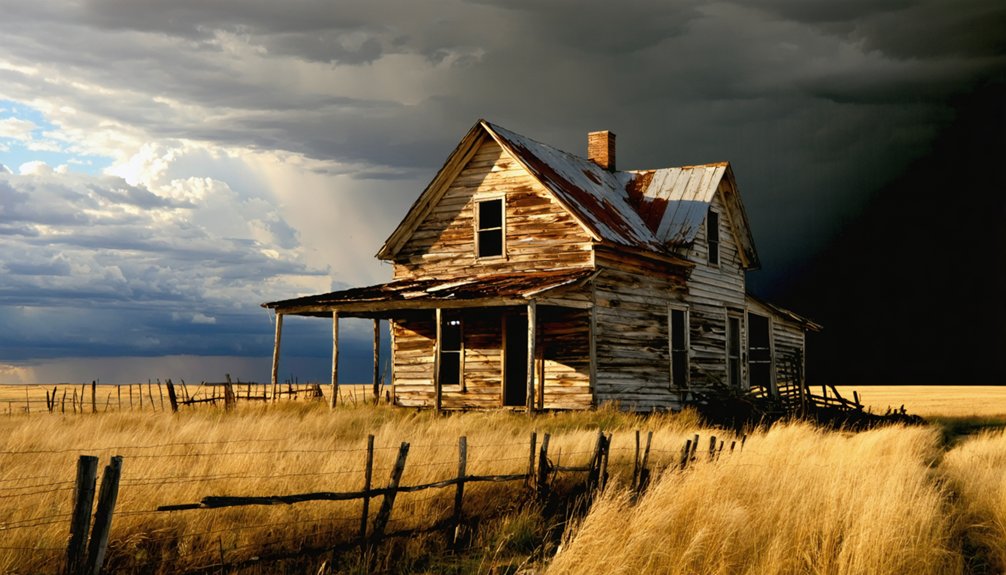
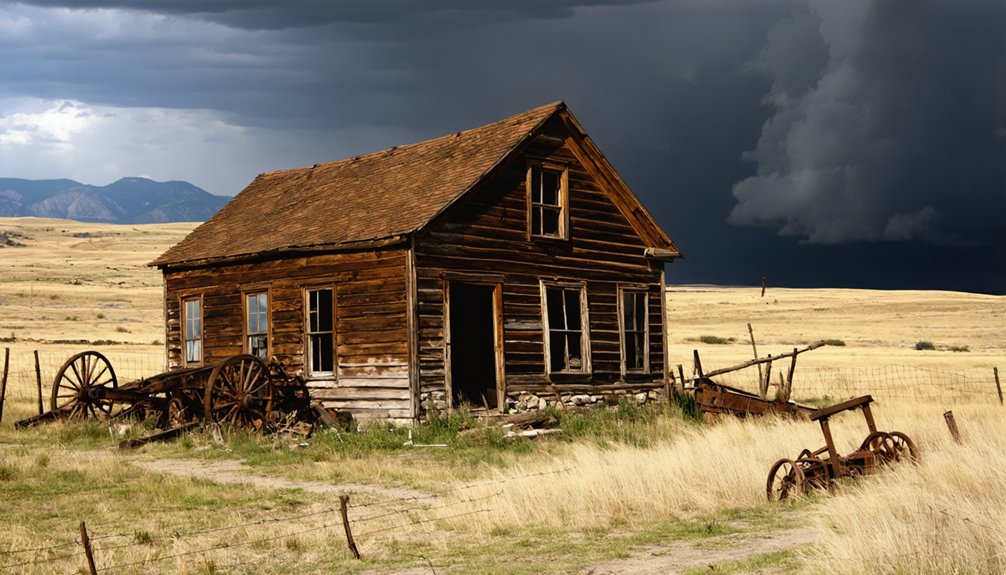
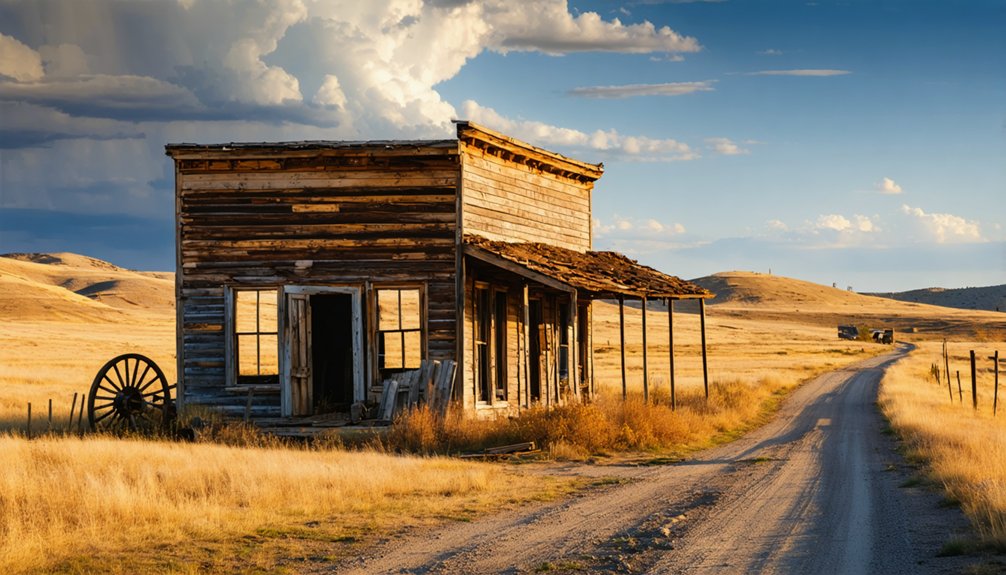
What remains at Glendale won’t impress anyone expecting a preserved museum town — and that’s precisely the point. You’re visiting raw, unfiltered history here. Preservation efforts have been minimal, leaving the site authentically weathered and wild.
Expect to encounter:
- Smelter ruins and charcoal kiln remnants — industrial bones from an operation that once processed millions of ounces of silver
- Foundation outlines — ghostly footprints marking where the company office and storefronts once stood
- Scattered historical artifacts — fragments telling the story of 2,000 people who once called this place home
Bring good footwear, a camera, and your curiosity. Nobody’s curating this experience for you — you’re reading the landscape directly. That freedom to explore unmediated history is exactly what makes Glendale worth the detour.
When Is the Best Time to Visit Glendale?
Summer days are long, giving you ample light to photograph crumbling smelter remains and study the mining technology that once drove this district’s $20 million output.
Avoid peak July weekends if you prefer solitude. September is ideal — crowds thin out, temperatures cool, and the Black Hills foliage sharpens the atmosphere.
Whatever month you choose, wear sturdy boots, bring water, and treat the site with the respect a working community’s ghost deserves.
How to Get to Glendale From Keystone
If you’re starting your journey in Keystone, you’re already in the right neighborhood—Glendale sits just south of town, making it an easy add-on to any Black Hills ghost town itinerary.
Take U.S. Route 16A south from Keystone, keeping an eye out for the turnoffs that lead toward the old Otho Mine area where Glendale once stood.
The drive is short, but you’ll want to research current road conditions before heading out, since access to remote relic sites like this can vary by season.
Keystone Starting Point Overview
Keystone serves as your natural launching point for reaching Glendale, placing you just a short drive from one of the Black Hills’ most storied ghost towns. This small mountain community sits along U.S. Route 16A, giving you easy road access while keeping you close to solid amenities before you head into rougher terrain.
Keystone itself offers several advantages as your base:
- Proximity to Glendale’s historical preservation sites and surrounding mining-era ruins
- Reliable fuel, food, and lodging before you explore more remote areas
- Access to local tourist attractions that provide context for the region’s boom-and-bust mining past
Starting here means you’re not just passing through — you’re stepping into the same corridor that once connected bustling mining settlements across the Black Hills.
Route 16A Directions
The drive from Keystone to Glendale follows U.S. Route 16A south, a winding road that cuts through the Black Hills with the kind of rugged scenery that matches the region’s rough history. You’ll cover only a few miles, but the landscape shifts quickly, hinting at the mining activity that once defined this corridor.
Keep your eyes open for turnoffs near the Otho Mine area — that’s where Glendale sat at its peak. As you arrive, you’re stepping into terrain where historical artifacts like charcoal kilns and smelter ruins still surface. The site reflects the raw mining techniques workers used during the 1870s boom.
The freedom to explore these remnants without barriers makes this stop genuinely rewarding for anyone chasing authentic Black Hills history.
Nearby Ghost Towns Worth Adding to Your Route
While you’re in the area, you won’t want to skip the nearby ghost town of Etta, which sits close enough to Glendale to make it a natural add-on to your route.
The Keystone area holds several abandoned settlements tied to the same Black Hills mining boom, so a single drive can cover multiple sites without major detours.
Pairing these stops together gives you a richer picture of how quickly these communities rose, competed, and collapsed once the ore ran out.
Etta Ghost Town Nearby
If you’re already making the drive through the Keystone area to visit Glendale, why not extend your route to include Etta, another ghost town tucked into the Black Hills mining corridor? Like Glendale, Etta reflects the boom-and-bust rhythm that defined Black Hills settlement.
Adding Etta to your itinerary rewards you with:
- Historical artifacts scattered across the site, offering direct glimpses into frontier mining life
- Mining techniques visible through remaining structural remnants and excavation evidence
- A broader understanding of how interconnected these small communities once were
Both towns sit close enough to explore in a single day. You’ll leave with a richer picture of how miners, merchants, and families carved temporary civilization out of rugged South Dakota terrain before moving on.
Keystone-Area Abandoned Settlements
Scattered across the ridges and hollows surrounding Keystone, several abandoned settlements reward curious travelers willing to look beyond the main tourist corridor. Lion City, Trapper City, and Hecla each shaped the district’s boom years, their fates tied to shifting ore prices and evolving mining technology that eventually made smaller operations unviable.
Today, foundations, collapsed structures, and scattered debris mark where communities once housed thousands. Historic preservation efforts remain limited here, meaning you’ll encounter raw, unmanicured remnants rather than polished interpretive displays. That rawness is exactly the appeal.
Follow U.S. Route 16A south of Keystone, stay alert for unmarked turnoffs, and respect private property boundaries. Each site adds meaningful context to Glendale’s story, showing you how an entire regional economy rose and collapsed within a single generation.
What to Bring for Exploring Glendale’s Ruins

Since Glendale’s remains consist of ruins, foundations, and relic structures rather than a curated museum site, you’ll want to come prepared for uneven terrain and unpredictable conditions. Roaming freely through this Black Hills ghost town means taking responsibility for your own comfort and safety.
Pack these three essentials before heading out:
- Sturdy boots — crumbled foundations and scattered debris demand solid ankle support.
- A camera — photo opportunities abound among charcoal kiln remnants and smelter ruins that few travelers ever see.
- Gloves and a bag — historical artifacts may appear underfoot, so handle everything respectfully and leave the site undisturbed.
Cell service can be unreliable near Keystone’s backcountry roads, so download offline maps and carry water. Glendale rewards the self-sufficient explorer.
Permits, Parking, and Property Rules at Glendale
Packing the right gear gets you ready for the terrain, but knowing the rules keeps you out of trouble. Glendale sits in a region where land ownership is fragmented between private claims, state land, and national forest boundaries. That mix matters because permit requirements and access rules shift depending on exactly where you’re standing.
Before you visit, confirm who manages the parcel you’re targeting. Don’t assume open land means public land.
Park along established pull-offs near U.S. Route 16A rather than blocking access roads or trespassing onto posted property. Leave foundations, artifacts, and structural remnants exactly where you find them — removing anything is illegal and disrespectful to the site’s history.
A little research before you go protects both your freedom and the ruins for future explorers.
Frequently Asked Questions
Was Glendale Ever Called by a Different Name Historically?
Yes, you’ll find that Glendale was historically also called Otho! When exploring ghost town tourism, you’ll discover these historical name changes add fascinating layers to Glendale’s rich, freedom-filled Black Hills mining story.
How Did Glendale Originally Get Its Unusual Name?
You’ll love Glendale’s historical naming origins rooted in local legend stories — settlers drew names written on wood, then let fate decide, selecting whichever piece landed face up. It’s a charmingly unconventional way to christen a wild frontier town!
Which Miners Are Credited With First Discovering Ore Near Glendale?
Like prospectors chasing lightning, James Bryant and William Spurr sparked Glendale’s ore discovery, igniting its mining history. You’d be retracing their bold footsteps through the Black Hills, where their finds unleashed a silver and lead rush forever marking this rugged frontier.
Did Glendale Have Its Own Local Newspaper During Its Peak?
Yes, Glendale had its own newspaper, *The Atlantis*, founded in 1879! As you explore ghost town tourism, you’ll find it referenced in local historical archives, revealing how this once-thriving mining community expressed its independent, freedom-loving spirit.
Where Did Glendale’s Residents Relocate After the Mines Closed Down?
Restless residents relocated to rising regions like Arizona and Idaho, chasing new claims after urban decay claimed Glendale. Today, you’ll find ghost town attractions where miners once thrived, their freedom-seeking spirit embedded in every crumbling ruin.
References
- https://www.sdpb.org/rural-life-and-history/2023-08-21/some-black-hills-ghost-towns-and-their-origins
- https://en.wikipedia.org/wiki/List_of_ghost_towns_in_South_Dakota
- https://www.facebook.com/groups/593649794978720/posts/1014517176225311/
- https://www.sdhspress.com/journal/south-dakota-history-2-2/some-black-hills-ghost-towns-and-their-origins/vol-02-no-2-some-black-hills-ghost-towns-and-their-origins.pdf
- https://www.reddit.com/r/AbandonedPorn/comments/2d5kc7/my_recent_exploration_of_the_ghost_towns_and/
- https://www.mtghosttowns.com/glendale
- https://www.abandonedspaces.com/towns/glendale.html
- https://kids.kiddle.co/List_of_ghost_towns_in_South_Dakota
- https://en.wikipedia.org/wiki/Etta
- https://openprairie.sdstate.edu/etd/4061/