To plan your ghost town road trip to Mentryville, exit I-5 at Lyons Avenue in Santa Clarita, head west, then turn onto Pico Canyon Road. You’ll explore California’s first commercially viable oil well, historic cottages, a schoolhouse, and a mansion abandoned since 1932. Spring and fall offer the best conditions. The 4-mile Pico Canyon trail makes this a perfect road trip launch point—and there’s far more to this remarkable site than first meets the eye.
Key Takeaways
- Mentryville, near Santa Clarita, is California’s first commercially viable oil town, accessible via I-5 at Lyons Avenue onto Pico Canyon Road.
- Visit during spring or fall for mild weather, wildflowers, and fewer crowds; check for seasonal closures before arriving.
- The 4-mile round-trip Pico Canyon Trail features historic structures, canyon vistas, Pico Creek, and diverse wildlife.
- Nearby ghost towns like Calico, Bodie, and Cerro Gordo make ideal additions to an extended Southern California road trip.
- Santa Clarita provides lodging, fuel, and food, making Mentryville a practical base for regional ghost town exploration.
Why Mentryville Outlasted Every Other California Oil Ghost Town
Mentryville didn’t survive by accident — Pico No. 4 kept it alive long after every other California oil boomtown had dried up and blown away. That well punched into Pico Canyon on September 26, 1876, and didn’t stop producing until 1990 — an extraordinary 114-year run that cemented its place in California history.
While rival oil towns collapsed when their wells went dry, Mentryville held on through sheer geological luck. Today, historical preservation efforts by Friends of Mentryville and the Santa Monica Mountains Conservancy protect what remains — the mansion, schoolhouse, and barn that once supported roughly 100 families.
Community storytelling keeps the human side alive, giving you more than crumbling buildings to explore. You’re walking through a living record of California’s first commercially viable oil operation.
The Oil Boom and Bust That Built and Abandoned Mentryville
When you trace Mentryville’s history, you find a story driven entirely by oil. On September 26, 1876, Charles Alexander Mentry struck California’s first commercially viable oil at Pico No. 4, turning a quiet canyon into a booming company town of roughly 100 families almost overnight.
But as oil output dropped and the industry shifted, residents left just as quickly as they’d arrived. By 1932, Mentryville had become a ghost town.
California’s First Oil Strike
On September 26, 1876, a drill bit struck oil in Pico Canyon, and California’s energy landscape changed forever. Pico No. 4 didn’t just produce oil — it launched an entire oil industry along the West Coast. Here’s why that single well matters:
- It became California’s first commercially viable oil well
- It powered the Pico Canyon field, then the richest in state history
- It ran continuously for an extraordinary 114 years before capping in 1990
- It set the foundation for historic preservation efforts that protect the site today
When you visit Mentryville, you’re standing at the birthplace of California’s petroleum era. That’s not marketing language — that’s documented history carved into the canyon walls around you.
Boom To Ghost Town
After the 1876 oil strike, Mentryville didn’t just grow — it exploded into a full company town practically overnight. The oil industry transformed this quiet canyon into a bustling settlement of roughly 100 families. Workers built cottages, a schoolhouse, a red barn, and a 13-room mansion for founder Charles Mentry himself.
Life here revolved entirely around Pico Canyon’s wells.
But nothing lasts forever. As oil flow declined and the broader oil industry shifted, families packed up and moved on. By 1932, Mentryville had become a ghost town, its streets emptied and its buildings left standing in eerie silence.
How to Get to Mentryville From Santa Clarita?
Getting to Mentryville from Santa Clarita is straightforward once you know the route. Head west along Lyons Avenue, roughly four to six miles from the I-5 interchange, then follow Pico Canyon Road to its terminus. The drive itself sets the mood, pulling you deeper into canyon country where mining history shaped California’s early oil industry.
Pico Canyon Road pulls you deeper into history with every mile, ending where California’s oil story began.
Follow these steps to reach the site:
- Exit I-5 at Lyons Avenue in Newhall
- Drive west on Lyons Avenue toward Stevenson Ranch
- Turn onto Pico Canyon Road and follow it to the end
- Park and walk into Mentryville on foot
Town preservation efforts have kept several historic structures intact, so once you arrive, you’ll find a genuinely atmospheric ghost town worth every mile of the journey.
Best Time of Year to Visit Mentryville
Spring and fall offer the most comfortable temperatures for hiking Pico Canyon, keeping you out of summer’s intense heat and winter’s occasional rain-soaked trails.
You’ll also find fewer visitors on weekday mornings, which lets you explore the abandoned structures and eerie atmosphere without the distraction of crowds.
Before you go, check with Santa Clarita Woodlands State Park for any seasonal closures, since fire or flood damage has periodically restricted access to the site.
Ideal Visiting Seasons
Fall and spring are your best bets for visiting Mentryville, when mild temperatures make the hike up Pico Canyon Road far more enjoyable than a sweltering summer trek through sun-baked chaparral.
Historical preservation efforts have shaped visitor amenities here, so planning around the right season maximizes your experience.
- Spring (March–May): Wildflowers bloom along Pico Canyon, and cool temps keep the trail comfortable.
- Fall (September–November): Crisp air and golden light make the ghost town’s abandoned structures strikingly photogenic.
- Summer (June–August): Scorching heat and fire risk can limit access; go early morning only.
- Winter (December–February): Rain softens trails and occasional flooding can close the canyon road entirely.
Choose wisely, and Mentryville rewards you with atmosphere that few Southern California destinations can match.
Weather Considerations For Hikers
Because Mentryville sits in a sun-exposed canyon with little shade cover, temperature and trail conditions should factor heavily into your planning. Summer heat can push past 100°F, making midday hikes genuinely dangerous. Carry more water than you think you’ll need, and start early if you’re visiting between June and September.
Spring offers the sweet spot — mild temperatures, wildflower blooms along Pico Canyon Road, and softer golden light for photography.
Fall delivers crisp air and stunning sunset views that paint the canyon walls in deep amber tones.
Winter visits are manageable but watch for muddy, slippery trails after rain.
Whatever season you choose, wear layers, pack sun protection, and check trail conditions beforehand. This canyon rewards prepared hikers and punishes careless ones.
Avoiding Crowds And Closures
Weather shapes when you hike, but crowds and closures shape whether you can hike at all. Mentryville‘s historical preservation efforts mean the site occasionally shuts down for restoration work, fire risk, or flood damage. Visitor amenities are limited, so planning ahead saves frustration.
Dodge the worst timing by following these four guidelines:
- Avoid summer weekends — peak heat draws curious day-trippers and strains the minimal facilities.
- Check for fire closures — Southern California’s fire season can shut down canyon access without warning.
- Visit on weekday mornings — you’ll explore the ghost town nearly alone.
- Confirm docent tour schedules — guided access isn’t always available, and showing up unannounced risks a locked gate.
Weekday visits in spring or fall offer the cleanest, freest experience.
What You’ll Actually See Walking Through Mentryville?
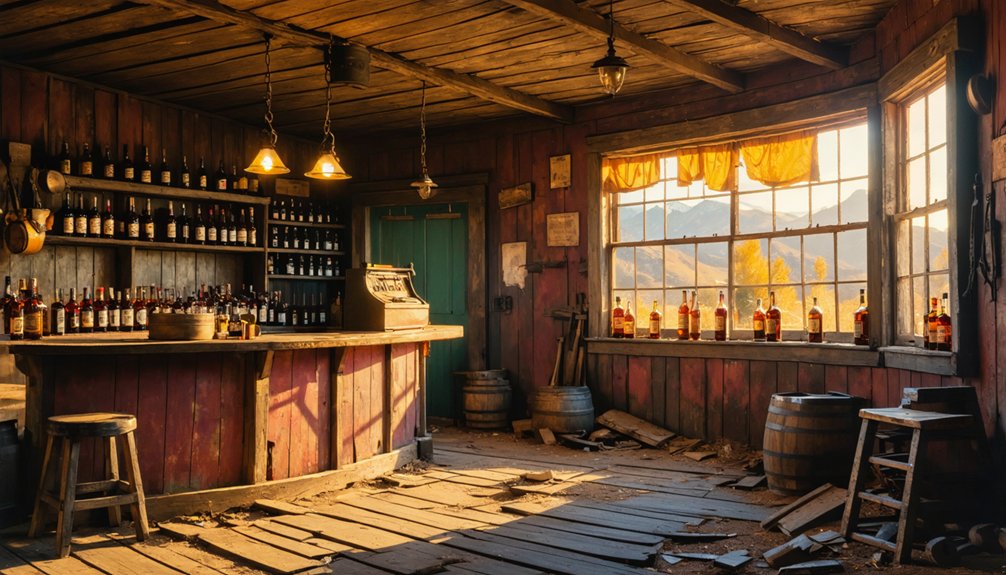
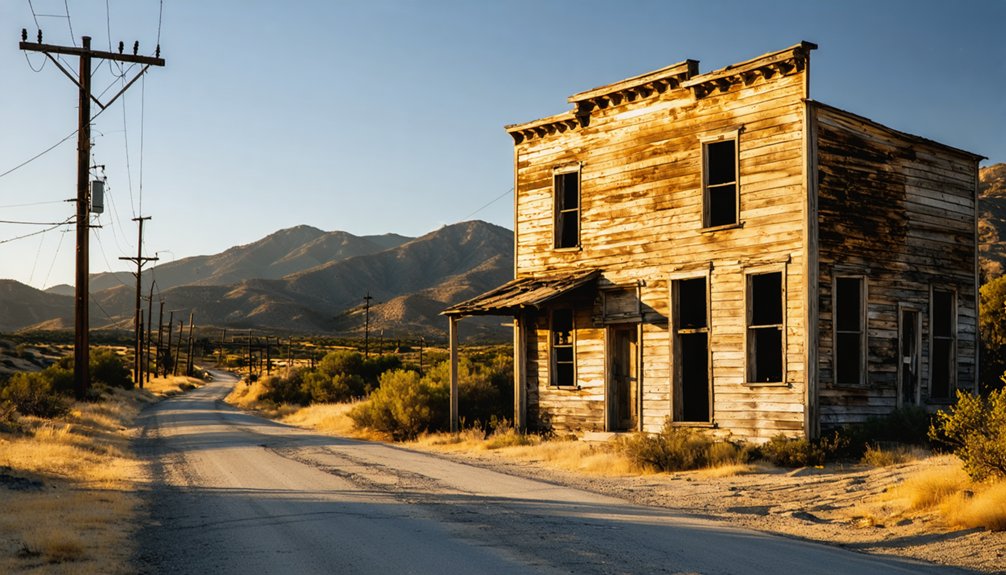
Once you step into Mentryville, you’ll find a small but surprisingly intact cluster of historic structures that tell the story of California’s oil boom better than any museum could. You’ll walk past Mentry’s grand 13-room mansion, weathered cottages, a red barn, and a one-room schoolhouse — all abandoned structures frozen in time.
Historical artifacts tied to early oil production still mark the landscape, including the legendary Pico No. 4 well site, which pumped crude for 114 remarkable years. Pico Creek runs nearby, adding a natural soundtrack to your exploration.
The canyon setting makes everything feel remote and untouched, even though Santa Clarita sits just miles away. It’s raw, unpolished history you can actually walk through rather than read about behind glass.
Hiking Pico Canyon at Mentryville
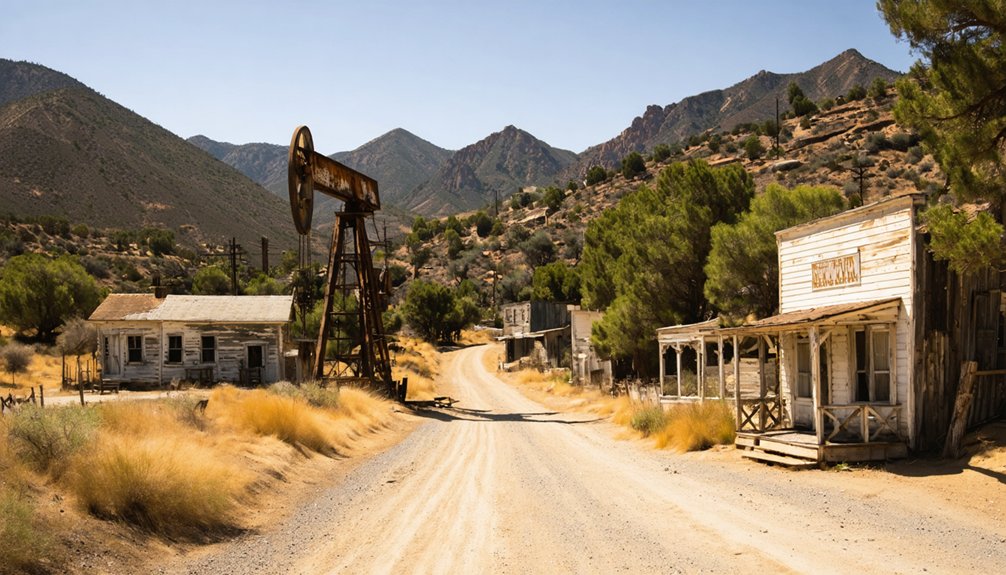
Beyond the ghost town’s weathered buildings, Pico Canyon opens into miles of trail that’ll reward you with sweeping canyon views, coastal sage scrub, and the kind of quiet that makes Southern California feel far away.
The trail weaves past historic architecture before climbing deeper into wild terrain where canyon wildlife thrives.
Top reasons to hike Pico Canyon:
- Spot red-tailed hawks, mule deer, and coyotes moving through native chaparral
- Photograph Mentryville’s oil-era structures framed against rugged canyon walls
- Follow Pico Creek upstream toward the original Pico No. 4 well site
- Experience unobstructed ridgeline views stretching across the Santa Susana Mountains
You’ll cover roughly four miles round trip on moderate terrain. Bring water, wear layers, and arrive early — the canyon rewards those who show up before the crowds do.
Parking, Hours, and Rules at Mentryville
Before you lace up those hiking boots, knowing the logistics keeps your visit smooth and frustration-free. Mentryville sits at the end of Pico Canyon Road, and parking is available at the trailhead lot. Expect standard California state park parking fees, so carry cash or a card just in case.
The site generally welcomes visitors during daylight hours, but confirm current schedules through the Santa Monica Mountains Conservancy before heading out, since hours can shift seasonally or after weather events.
Dogs are welcome on the trails, but pet regulations require them on a leash at all times. Stay on marked paths, respect the historic structures, and don’t remove anything from the site. Following these simple rules protects the ghost town for every explorer who comes after you.
Southern California Ghost Towns to Pair With Mentryville
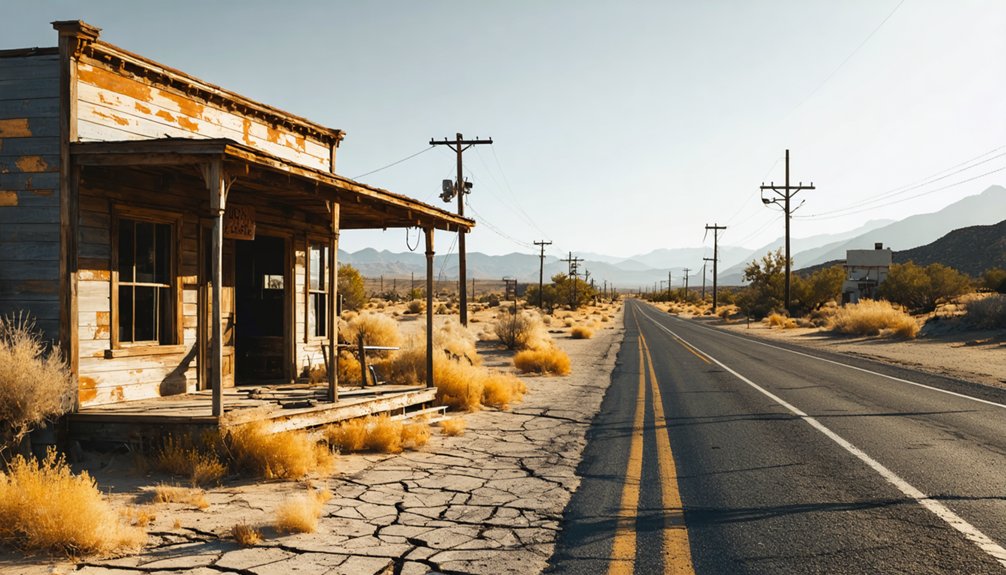
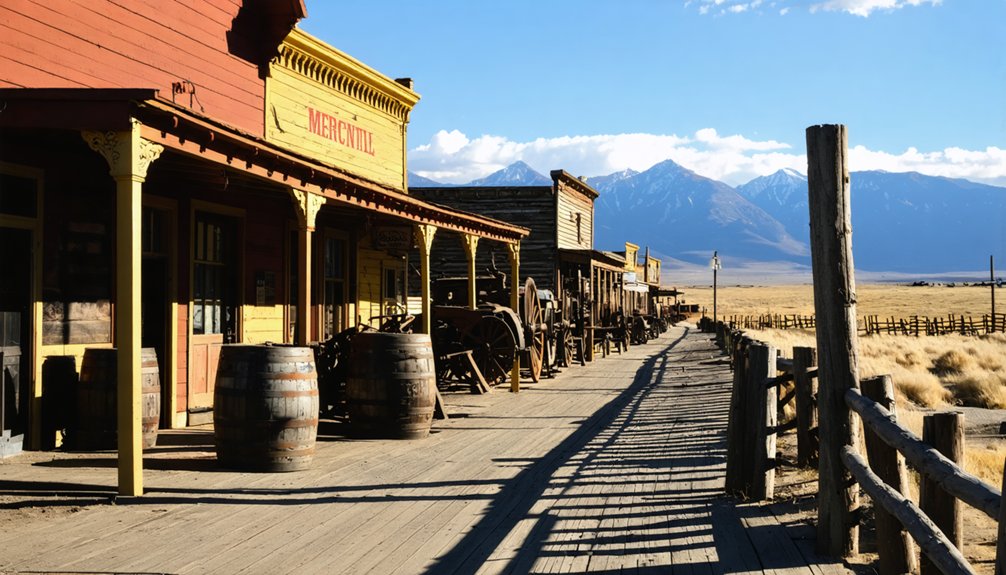
Mentryville pairs well with several other Southern California ghost towns if you’re building a multi-stop road trip through the region’s forgotten history. Each stop adds a different layer of mining history, ghost town legends, and abandoned atmosphere.
Pair Mentryville with other Southern California ghost towns for a road trip through the region’s forgotten history.
- Calico Ghost Town – A restored silver mining camp near Barstow with deep mining history and plenty of legends attached.
- Bodie State Historic Park – Further north, but worth the detour for its remarkably preserved structures and eerie stillness.
- Cerro Gordo – A remote mining ghost town above Owens Lake, rich in silver and lead history.
- Darwin, California – A quiet, mostly abandoned desert town with authentic ghost town atmosphere and minimal crowds.
String these together and you’ve got an unforgettable California road trip.
Mentryville as a Southern California Road Trip Base
Because it sits just off Interstate 5 near Santa Clarita, the site makes a surprisingly practical home base for a wider Southern California ghost town road trip. You’re already connected to major routes heading north toward the Mojave or south into Los Angeles, so logistics stay simple.
Spend your mornings exploring Mentryville’s oil industry legacy and its ongoing historic preservation story, then hit the road by afternoon. Nearby Santa Clarita offers lodging, fuel, and food without draining your schedule.
From here, you can fan out toward desert ghost towns, mountain mining sites, or coastal detours without backtracking unnecessarily. Mentryville rewards the curious traveler who wants historical depth before pushing into rawer, more remote territory.
It’s a smart first stop, not just a side trip.
Frequently Asked Questions
Is Mentryville Considered an Official California Historical Landmark?
Yes, you’ll find Mentryville recognized as California Historical Landmark #516-2! This abandoned site carries ghost town legends that echo through its canyon, letting you explore preserved history while experiencing the freedom of California’s fascinating, forgotten past.
Who Founded Mentryville and When Was It Established?
Like a spark igniting California’s oil rush, Charles Mentry founded Mentryville in the 1870s. You’ll find ghost town legends woven into its Mentryville architecture, with the settlement truly taking shape after the first oil strike in 1876.
How Long Did Pico No. 4 Actually Produce Oil Before Being Capped?
You’ll be amazed that Pico No. 4 boasts an incredible oil production history spanning 114 years before its cap removal timeline concluded in 1990—making it one of California’s longest-running, most legendary wells you’d ever encounter!
Can You Take a Docent-Led Tour of Mentryville’s Historic Buildings?
Yes, you can join a docent-led tour to explore Mentryville’s fascinating past! You’ll discover historic building restoration efforts firsthand and capture stunning ghost town photography as knowledgeable guides bring this remarkable California oil heritage site to life.
How Many Families Once Lived in Mentryville During Its Peak?
Like ghost town legends frozen in time, Mentryville’s peak hummed with life — you’d have found about 100 families thriving there, surrounded by vintage mining equipment and the canyon’s rich, oil-soaked heartbeat.
References
- https://en.wikipedia.org/wiki/Mentryville
- https://www.youtube.com/watch?v=jvy7B3Nj8P0
- https://www.youtube.com/watch?v=Wwjr6HlitRs
- https://www.youtube.com/watch?v=veyojRQKXmA
- https://signalscv.com/2019/05/mentryville-the-scvs-first-boom-town/
- https://www.latimes.com/archives/la-xpm-1986-05-22-vw-7260-story.html
- https://www.latimes.com/archives/la-xpm-1995-04-16-me-55428-story.html
- https://medium.com/@ericbrightwell/introduction-1d7a2fd8149c
- https://valleyrelicsmuseum.org/general-museum-news/mentryville-remnants-of-valley-history/
- https://www.latimes.com/archives/la-xpm-2006-jan-29-me-then29-story.html