You’ll find Isle La Motte unlike any other road trip destination in Vermont. This seven-mile island holds just 488 residents, deserted roads, and centuries of history slowly fading into the landscape. Drive through northwestern Vermont via Route 2 and you’ll discover Fort Sainte Anne, one of America’s earliest frontier outposts, alongside a 480-million-year-old fossil reef. It’s eerie, fascinating, and completely unhurried — and there’s far more to uncover once you know where to look.
Key Takeaways
- Isle La Motte, Vermont, has a ghost town atmosphere with 488 residents, deserted roads, abandoned structures, and centuries-old historical sites.
- Access the island via U.S. Route 2 from Burlington, connecting to Vermont Route 129 through the scenic Champlain Islands route.
- Fort Sainte Anne, built in 1666, marks Vermont’s earliest European settlement and offers a quiet, historically rich stop.
- The southern shore features the Chazy Reef, Earth’s oldest fossilized coral reef at 480 million years old, accessible without special gear.
- Most key stops can be covered in a half-day; biking enhances flexibility for exploring this small, unhurried island.
What Makes Isle La Motte Feel Like a Ghost Town?
Though Isle La Motte technically has residents, you’d never guess it from the quiet that settles over the island’s roads. With only 488 people spread across seven miles of island, you’ll drive deserted streets where traffic feels like a rumor.
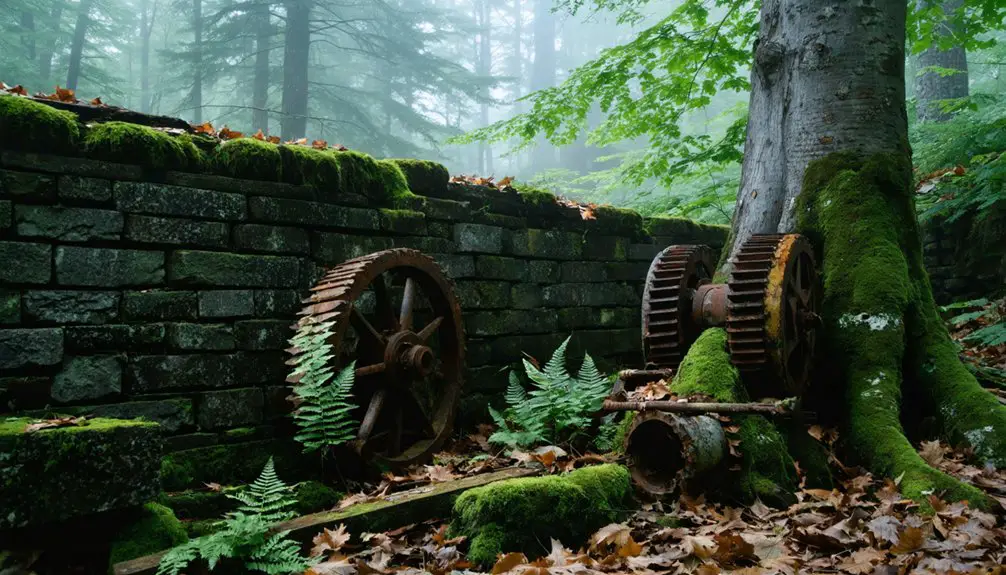
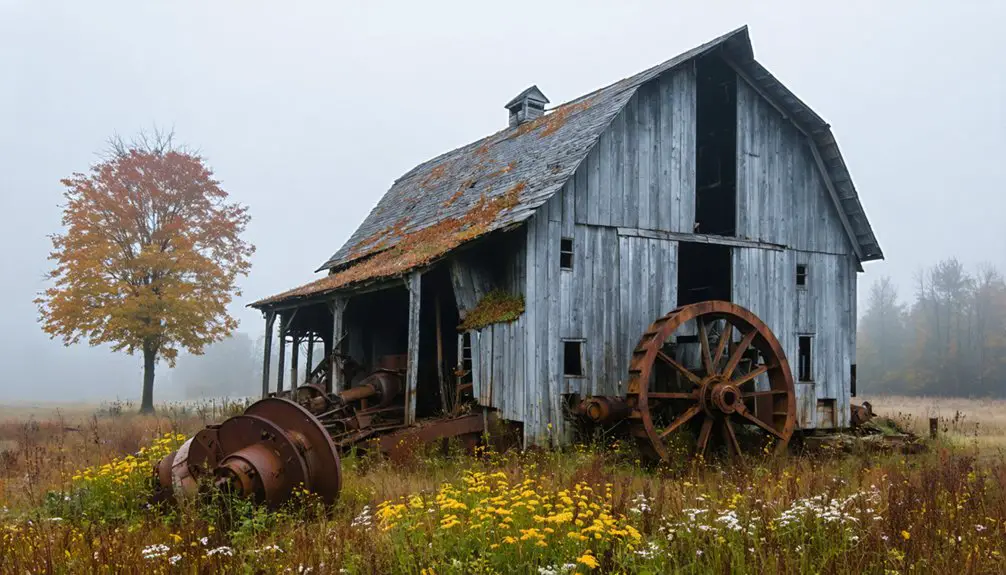
The small population leaves the landscape largely untouched, and abandoned structures dot the terrain alongside centuries-old historical sites that seem frozen in time.
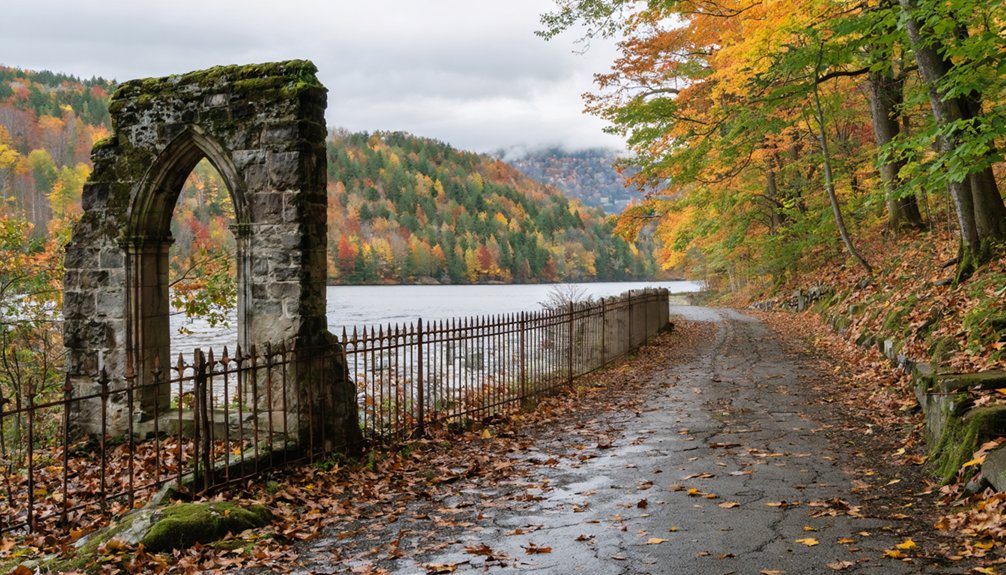
That separation from the mainland sharpens the effect. Once you cross onto the island, the noise of modern life fades fast. No strip malls, no crowds, just open road, lake views, and a stillness that matches the atmosphere of any ghost town you’d seek out.
Isle La Motte earns that feel honestly, through geography, history, and sheer quiet scale.
How to Reach Isle La Motte by Road
Getting to Isle La Motte means threading through one of Vermont’s most scenic corridors. You’ll approach through northwestern Vermont along the Champlain Islands route, a stretch that rewards drivers with open lake views and unhurried roads. Follow U.S. Route 2 north from Burlington, then connect to Vermont Route 129 and eventually Route 129 West toward Grand Isle County. From there, signs guide you onto the island itself.
The drive sets the tone before you even arrive. You’re already moving at a slower pace, noticing farmstands offering local cuisine and quiet pull-offs where winter activities like cross-country skiing shape the colder months.
The island sits just 7 miles long and 2 miles wide, so once you cross over, exploration begins almost immediately.
What Fort Sainte Anne Reveals About Vermont’s Earliest Days
Once you’ve crossed onto Isle La Motte, one of the first stops worth making is Fort Sainte Anne, the site where Vermont’s recorded European history effectively begins. Built in 1666 by French soldiers, it served as a frontier outpost shaped more by wilderness survival than medieval warfare or formal colonial architecture.
You won’t find stone walls or grand structures here. Instead, you’ll find a quiet shrine marking where Europeans first established a permanent presence in what would become Vermont. Standing there, you’re connecting with something raw and foundational.
The site reminds you that Vermont’s earliest days weren’t polished or planned. They were carved out by people pushing into unknown territory, and that story still carries real weight on this small, unhurried island.
Walk the Ancient Fossil Reef on Isle La Motte’s Southern Shore
How often do you get to walk across something nearly half a billion years old? The southern shore holds remnants of the Chazy Reef, roughly 480 million years old and considered the oldest fossilized coral reef on Earth. Ancient fossils sit embedded in the landscape, making reef exploration genuinely unlike anything else on a Vermont road trip.
Here’s what makes this stop worth your time:
- You’re walking Earth’s oldest known fossil reef
- Ancient fossils appear directly underfoot
- No crowds compete for your attention
- The lake backdrop sharpens the experience
- Reef exploration here requires zero technical gear
You move at your own pace, read the landscape, and connect with deep time on your own terms.
Where to Stop and How Long to Spend on Isle La Motte
Isle La Motte runs about seven miles long and two miles wide, so you can cover its main stops in a focused half-day without feeling rushed. Start at Saint Anne’s Shrine for lake views and quiet reflection.
Then head south toward the Chazy Reef remnants where local legends and hidden ruins give the landscape a layered, almost forgotten character. The fossil reef alone deserves an hour if you’re curious about what 480 million years looks like underfoot.
Biking the island gives you flexibility and keeps the pace unhurried. If you’re building a broader Champlain Islands itinerary, treat Isle La Motte as a full morning or afternoon anchor stop before continuing through northwestern Vermont’s quieter back roads.
Frequently Asked Questions
Is Isle La Motte Accessible by Ferry From the Vermont Mainland?
Here’s the twist — you won’t need ferry schedules! You’ll access Isle La Motte via scenic routes through Vermont’s Champlain Islands, driving directly onto the island. Freedom’s just a road trip away!
What County Does Isle La Motte Belong to in Vermont?
You’ll find Isle La Motte nestled in Grand Isle County, Vermont, where you’re free to explore remarkable historical landmarks and savor local cuisine while discovering this island gem’s untamed, authentic character.
How Large Is Isle La Motte’s Permanent Population Today?
You’ll find only 488 permanent residents calling Isle La Motte home, making it delightfully intimate. That’s fewer people than most neighborhoods! Historical ghost stories echo through quiet streets, and local dining experiences feel invigoratingly personal here.
Can Visitors Bike Around Isle La Motte During Their Visit?
Yes, you can bike around Isle La Motte! You’ll enjoy scenic cycling past historical landmarks, ancient reef remnants, and quiet lake views. It’s a freeing, self-guided way to explore this remote island at your own unhurried pace.
What Recreational Water Activities Does Lake Champlain Offer Visitors?
Lake Champlain sets you free! You’ll find watercraft rentals for kayaking and sailing, plus legendary fishing hotspots where bass and pike thrive. Immerse yourself, explore the open water, and let the lake’s wild spirit fuel your adventure.
References
- https://en.wikipedia.org/wiki/Isle_La_Motte
- https://obscurevermont.com/tag/isle-la-motte/
- https://www.denverpost.com/2010/12/02/off-the-beaten-path-in-isle-la-motte-vermont/
- https://www.worldatlas.com/cities/you-won-t-believe-this-town-is-in-vermont.html
- https://www.vermonter.com/isle-la-motte/