Planning a ghost town road trip to Nerve City, South Dakota means tracing the Black Hills’ gold rush legacy through crumbling foundations, rusted relics, and forgotten settlements that boomed and collapsed within a single generation. You’ll want to time your visit between May and September, base yourself in Rapid City or Deadwood, and pack offline maps since cell service gets spotty fast. Everything you need to build the perfect route is ahead.
Key Takeaways
- The Black Hills gold rush of the 1870s created rapid boom-and-bust towns, leaving behind abandoned settlements, mining relics, and legends throughout South Dakota.
- Build an efficient route by prioritizing sites with visible artifacts, historic structures, and railroad history while staying flexible for unmarked ruins.
- The Cowboy Ghost Town at I-90 Exit 390 offers a themed, easily accessible stop with scenic plains views, though it lacks full historical authenticity.
- Visit between May and September for best road access, longer daylight, available guides, and ideal photography conditions, with September offering fewer crowds.
- Pack water, offline maps, sturdy footwear, layered clothing, and a camera, as remote sites have unreliable cell service and uneven terrain.
The Black Hills Boom-and-Bust Cycle That Created South Dakota’s Ghost Towns
When gold fever swept the Black Hills in the 1870s, it didn’t just attract fortune seekers — it built entire towns overnight. Miners, merchants, and gamblers flooded the region, carving settlements out of raw wilderness.
Then the ore ran thin, the railroads shifted, and the crowds vanished just as fast.
The mines went quiet, the trains found new routes, and whole communities simply ceased to exist.
That boom-and-bust cycle left behind a landscape rich with ghost town legends — places that flared bright and burned out within a generation. You’re traveling through living history when you drive these roads, even if the buildings are gone.
Preservation challenges make many sites difficult to find or access. Harsh winters, neglect, and time erase what little remains.
Knowing that history before you hit the road helps you appreciate every crumbling foundation you encounter.
Top Ghost Towns in the Black Hills Worth Building a Route Around
When you’re mapping out your Black Hills ghost town route, a handful of historic sites rise to the top as anchors worth building your drive around. Towns like Rockerville, Mystic, and Galena each carry their own boom-and-bust story, giving you a mix of mining heritage, scattered ruins, and surviving structures to explore.
You’ll want to plot these stops geographically so your route flows efficiently through the Hills rather than doubling back across the same winding roads.
Notable Black Hills Sites
Where better to anchor a ghost-town road trip than the Black Hills, where boom-and-bust history runs as deep as the old mine shafts themselves? This region rewards explorers willing to follow winding county roads toward forgotten places.
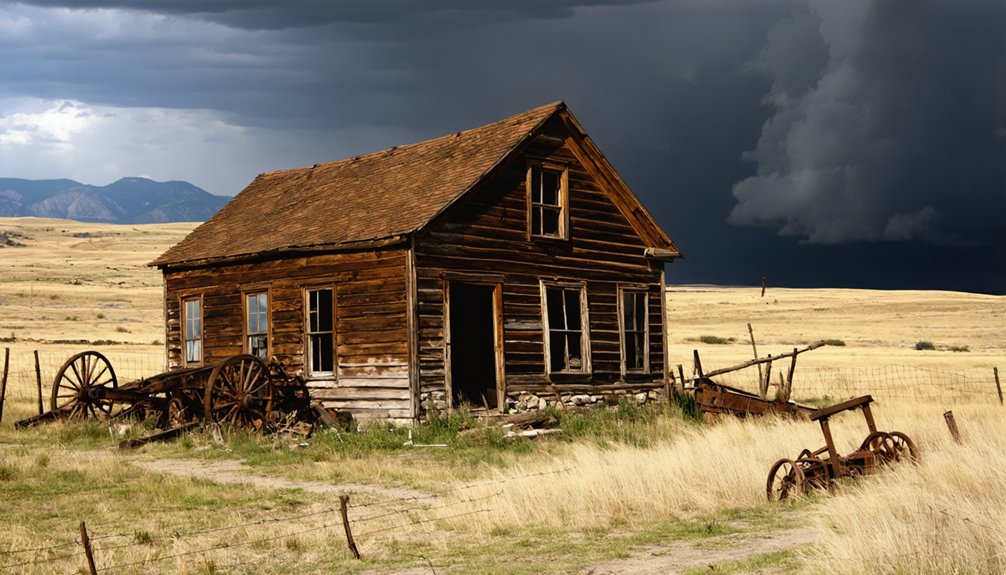
You’ll find mining relics scattered across former gold rush settlements — rusted equipment, collapsed headframes, and stone foundations reclaimed by pine and scrub. These remnants tell the story of communities that erupted overnight and vanished just as fast.
Railroad history adds another layer to your route. Towns that thrived as rail stops faded the moment the lines shifted or shut down entirely. Tracking those patterns helps you understand which sites are worth the detour and which exist today only as names on an old map.
Building Your Route
Building a solid route means anchoring it around sites that actually reward the drive, so start by identifying the Black Hills ghost towns with the most surviving character. Prioritize stops where mining relics still mark the landscape — collapsed headframes, ore piles, and rusted equipment tell the story faster than any roadside sign.
Layer in communities tied to railroad history, since rail lines shaped which towns boomed and which ones quietly disappeared. From there, connect your stops using a logical geographic arc rather than backtracking across the same roads twice.
Western South Dakota’s county routes often link multiple former townsites in a single corridor, making efficient routing possible. Keep your itinerary flexible enough to explore unmarked foundations when you spot them — that’s where the real discoveries happen.
Cowboy Ghost Town at I-90 Exit 390: What the Stop Actually Offers
When you pull off at I-90 Exit 390 in Buffalo Ridge, you’ll find Cowboy Ghost Town is less an abandoned settlement and more a themed attraction built around the ghost-town concept. That distinction matters before you factor it into your itinerary, since you’re not walking through crumbling historic structures the way you might at a Black Hills mining site.
Still, its interstate accessibility makes it a low-effort stop you can layer into a longer western South Dakota route without losing significant drive time.
Themed Attraction Versus Authentic Ruin
Although it sits right off Interstate 90 at Exit 390 in Buffalo Ridge, Cowboy Ghost Town isn’t the crumbling, historically layered ruin you might picture when you hear “ghost town.” It’s a themed attraction built around the ghost-town concept rather than an authentic abandoned settlement, so you’ll want to calibrate your expectations before pulling off the highway.
That distinction matters for your road trip. Themed stops prioritize tourist appeal over historical accuracy, meaning you’ll likely encounter curated aesthetics rather than genuine ruins or documented frontier history.
That’s not necessarily a dealbreaker. If you want a quick, accessible stop with atmosphere, it delivers. But if you’re chasing real boom-and-bust remnants with original structures and layered stories, keep driving toward the Black Hills, where authentic abandoned sites reward the extra miles.
Practical Visitor Access Details
Whatever your expectations, knowing the nuts and bolts of the stop helps you decide whether it’s worth the exit. Cowboy Ghost Town sits at I-90 Exit 390 in Buffalo Ridge, SD 57105, making it an easy pull-off on a westbound run.
- Access: Pull directly off I-90 at Exit 390—no winding county roads required.
- Format: Expect a themed attraction rather than crumbling ruins, so adjust your lens accordingly.
- Local lodging: Buffalo Ridge and nearby towns offer overnight options if you’re stretching the drive across two days.
- Scenic vistas: The surrounding plains deliver wide, open views worth stepping outside for, even briefly.
Confirm operating hours before you arrive—roadside attractions keep inconsistent schedules, and nothing kills momentum like a locked gate.
Standing Ruins vs. Vanished Sites: What Survives at Each Location
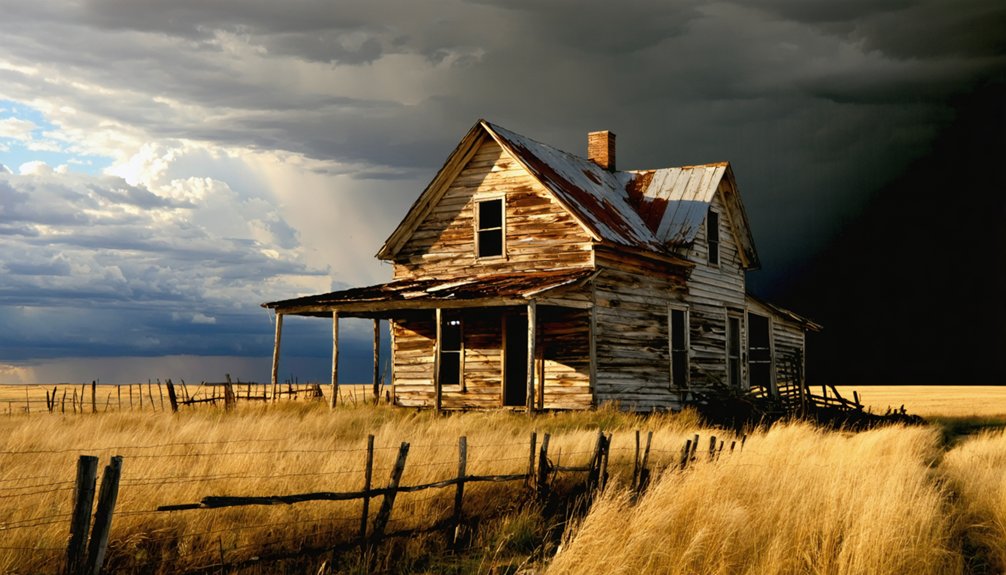
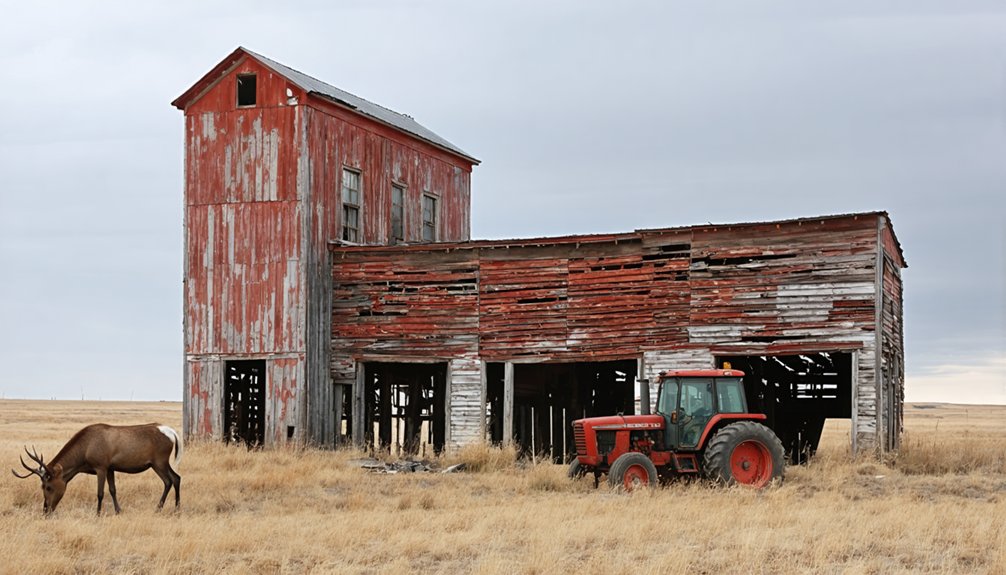
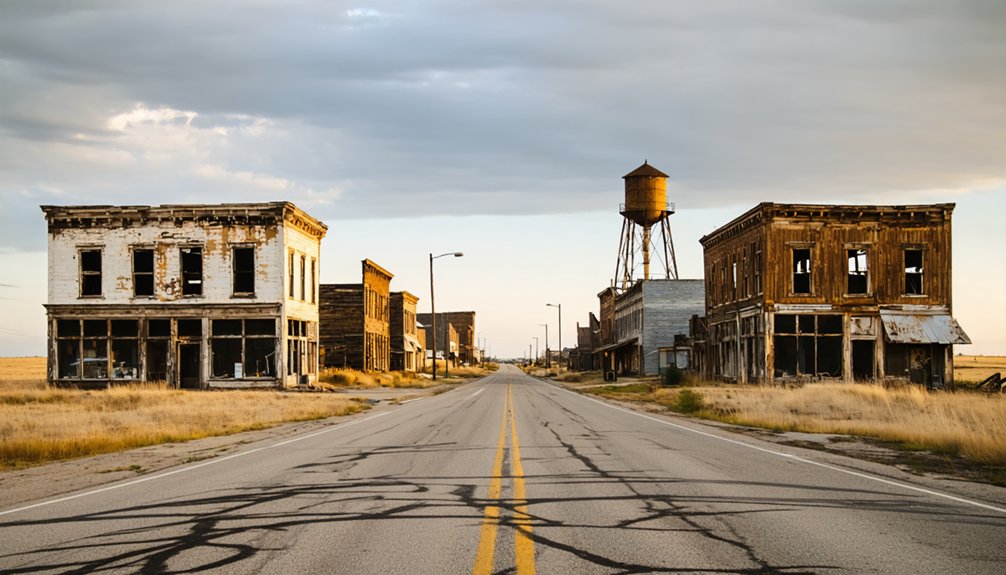
Not every ghost town rewards visitors the same way, and knowing what survives at each site before you hit the road saves you from driving miles down a county road only to find an empty field. Ghost town preservation varies dramatically across South Dakota. Some sites still hold standing structures—weathered storefronts, collapsed mine shafts, or skeletal barn frames that tell the story without a single placard.
Others have surrendered completely to the prairie, leaving only foundations or soil depressions.
Before you go, research each stop individually. Ruin restoration efforts exist at select Black Hills locations, giving you stabilized structures worth photographing. Vanished sites, however, carry their own quiet power. You’re standing where a community once breathed.
Knowing what to expect at each location lets you engage on your own terms.
The Best Driving Route Through South Dakota’s Ghost Town Country
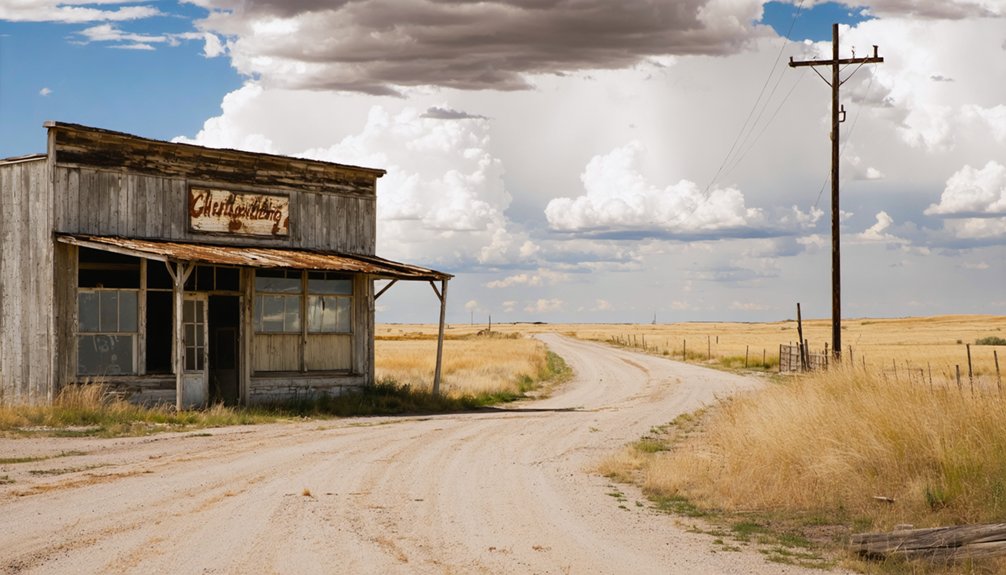
Because most of South Dakota’s ghost towns cluster in the western half of the state, you’ll want to anchor your route around Interstate 90 before branching onto county roads. This corridor connects landscapes rich in historical significance, letting you move efficiently between stops.
Build your route around these four segments:
Build your route around four key segments, using them as anchors while remaining open to unexpected detours along the way.
- Enter near Sioux Falls, heading west on I-90
- Exit toward the Black Hills at Rapid City for ghost town preservation sites
- Branch south on US-385 through former mining corridors
- Loop back using county roads through the western plains
Keep your map flexible. Some sites exist only as foundations or faded names in county records. Others reward the detour with standing structures. Move at your own pace, and let South Dakota’s open roads guide you freely.
How to Verify a Ghost Town Site Before You Make the Drive
Once you’ve mapped your route, the next step is confirming that your chosen stops actually exist in a form worth visiting. Ghost town preservation varies wildly across South Dakota — some sites retain standing structures, while others are nothing but grass and memory.
Start with county historical societies, which often hold the most reliable records on specific townsites. Cross-reference multiple sources before committing to a detour, since informal labels can mislead even experienced travelers. Historical accuracy matters here; a site named on one map may appear nowhere else.
Call local ranger stations or ask at regional visitor centers for current access conditions. Rural roads shift seasonally, and private land can block entry without notice. Verify before you drive — your time and freedom are worth protecting.
Where to Stay Overnight on a Remote South Dakota Ghost Town Loop
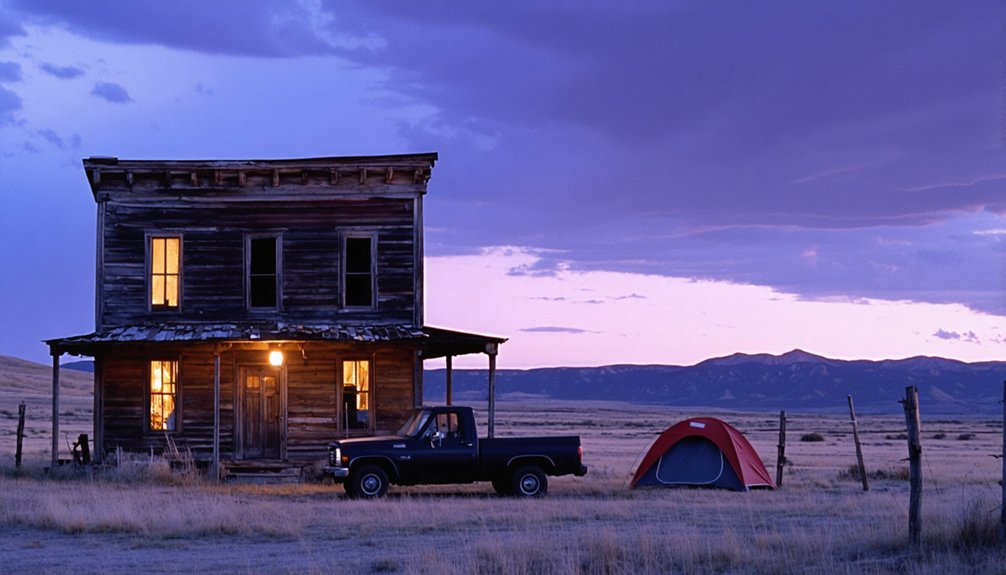
Sleeping arrangements on a remote ghost town loop require as much planning as the route itself. Western South Dakota‘s sparse landscape means tourist facilities thin out fast once you leave the interstate corridor. Plan your overnight stops early.
- Rapid City serves as your best base camp, offering full amenities near Black Hills historical preservation sites.
- Deadwood combines lodging with frontier history, putting you close to multiple ghost-town corridors.
- Dispersed camping on national forest land lets you sleep deep in the landscape you’re exploring.
- Small-town motels along I-90 provide budget-friendly stops without lengthy detours from your route.
Check operating status before committing to any option. Remote areas don’t forgive poor planning, and a sold-out motel hours from your next stop will derail your entire loop.
The Right Time of Year to Visit South Dakota Ghost Towns
Timing shapes everything when you’re chasing ghost towns across South Dakota’s remote western terrain. Late spring through early fall gives you the best access, with May through September offering passable roads, longer daylight, and reasonable weather for exploring ruins and foundations.
Summer peaks bring the most visitor amenities nearby, including open fuel stops, lodging, and local guides who know the terrain.
Avoid winter entirely. Snow buries historical preservation markers, closes county roads, and turns remote sites genuinely dangerous.
September strikes the ideal balance — crowds thin, temperatures cool, and the golden light makes photography striking.
If you’re visiting sites near the Black Hills, weekdays keep things quieter.
Whatever month you choose, call ahead. Ghost-town access conditions shift fast, and surprises out there rarely work in your favor.
What to Bring for a Day of Ghost Town Exploration in Western South Dakota
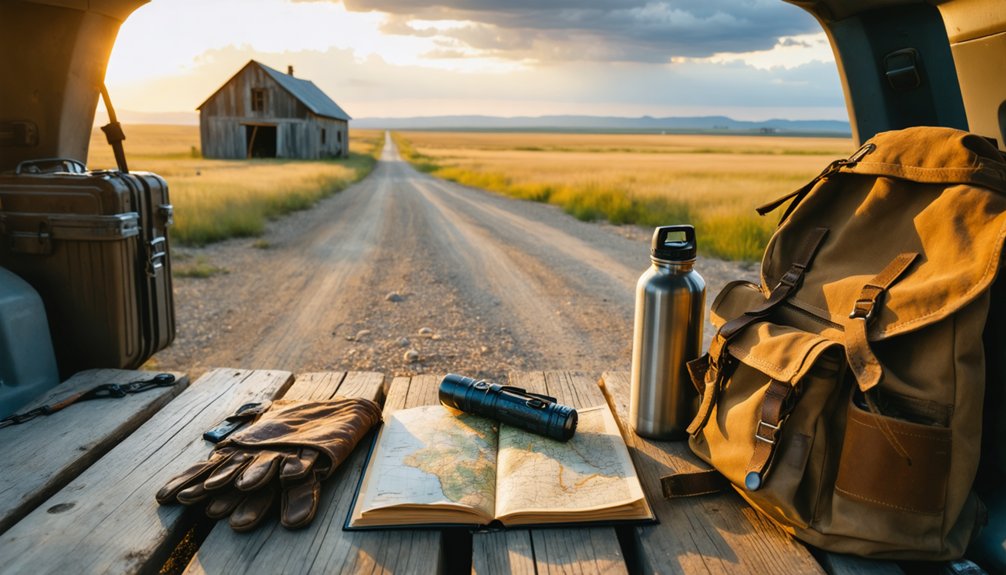
Good planning gets you to the right places at the right time — but what you pack determines whether those places stay enjoyable or turn frustrating fast. Western South Dakota’s ghost town legends live in remote terrain, and the landscape doesn’t forgive poor preparation.
Pack these four essentials before you leave:
- Water and snacks — Mining history sites often sit miles from the nearest store.
- Offline maps or a GPS device — Cell service disappears fast on rural county roads.
- Sturdy footwear — Uneven ground, debris, and foundations demand solid footing.
- A camera and notebook — Documenting what you see adds depth to your experience.
Dress in layers, carry sun protection, and tell someone your planned route before heading out.
Frequently Asked Questions
Is Nerve City, South Dakota an Officially Recognized or Incorporated Town?
Nerve City isn’t an officially incorporated town. You won’t find it in historical preservation records, but it’s worth exploring as one of South Dakota’s intriguing ghost-town tourist attractions that embodies the region’s wild, freedom-seeking frontier spirit.
Are Photography Permits Required at Abandoned South Dakota Ghost Town Sites?
Ironically, even abandoned places have rules! Legal permissions vary by site ownership. You’ll want to check photography restrictions before shooting, as private land requires permission while public historic sites often welcome your camera freely.
Can Children Safely Explore Ghost Town Ruins in the Black Hills?
Yes, children can explore Black Hills ghost town ruins if you take proper safety precautions. You’ll want to supervise them closely, respect historical preservation efforts, and avoid unstable structures to guarantee everyone’s adventure stays exciting and safe.
Are Any South Dakota Ghost Towns Located on Private Property Requiring Permission?
Like forbidden fruit, some ghost towns tempt you from behind fences. Yes, many South Dakota ghost towns sit on private property, so you’ll need permission before exploring. Respect trespassing laws or you’ll trade adventure for legal trouble.
Do Local South Dakota Museums Offer Guided Ghost Town Tours or Maps?
Yes, many local South Dakota museums actively support historical preservation by offering guided ghost town tours or detailed maps highlighting tourist attractions, so you’ll uncover hidden frontier stories and plan your adventure with confidence and freedom.
References
- https://www.tripadvisor.com/Attraction_Review-g54538-d1111483-Reviews-Cowboy_Ghost_Town-Buffalo_Ridge_South_Dakota.html
- https://kids.kiddle.co/List_of_ghost_towns_in_South_Dakota
- https://www.sdpb.org/rural-life-and-history/2023-08-21/some-black-hills-ghost-towns-and-their-origins