When you road trip to La Réunion, Texas, you won’t find crumbling ruins or a dedicated museum — but you will find something more intriguing. This failed 1850s utopian colony left quiet markers across modern Dallas: a historic cemetery near Fishtrap Road, a commemorative plaque at Reverchon Park, and iconic landmarks like Reunion Tower downtown. The half-day urban loop covers under 30 miles and rewards curious travelers who know what shaped this city’s ambitious soul — and there’s much more to this story than most visitors ever discover.
Key Takeaways
- La Réunion was a short-lived 1850s utopian colony on Dallas’s Trinity River, leaving no ruins but rich historical landmarks to explore.
- Key stops include La Réunion Cemetery, Reverchon Park’s commemorative marker, and iconic Reunion Tower in downtown Dallas.
- The self-guided urban loop covers under 30 miles and can be completed in half a day.
- Expect quiet cemeteries and historical markers rather than dramatic ruins or a dedicated museum.
- Street names like Reunion Boulevard serve as tangible, living reminders of the colony’s lasting cultural footprint.
What Was La Réunion, Texas?
Before Dallas became a sprawling metropolis, a group of idealistic European immigrants tried to build something radical on the south bank of the Trinity River: a utopian socialist colony called La Réunion. Founded in 1854 and officially established in 1855, the settlement drew French, Swiss, and Belgian settlers inspired by Charles Fourier’s socialist philosophy.
Victor Prosper Considerant, a French political exile, led the colony through its brief but ambitious life. At its peak, roughly 350 inhabitants brought powerful cultural influences — doctors, architects, and botanists among them.
But the experiment collapsed by 1857–1858, leaving behind no architectural remnants to explore today. What survived instead were ideas, people, and place names that quietly shaped the city you’re now driving through.
Is La Réunion Actually a Ghost Town?
Calling La Réunion a ghost town takes some creative license — and that’s worth unpacking before you map your route. No crumbling storefronts or abandoned streets greet you here. Urban development swallowed the original colony site entirely, folding it into modern Dallas without leaving visible ruins behind.
What you’re chasing is a ghost in the truest sense — a place that vanished not through decay but through absorption. Cultural preservation kept the memory alive through cemetery plots, commemorative markers, and neighborhood names rather than standing structures.
What Survives at the La Réunion Colony Site Today
Though the colony itself is long gone, a handful of tangible remnants anchor La Réunion’s story to the Dallas landscape. Your first stop should be the La Réunion Cemetery, also known as Fish Trap Cemetery, near Fishtrap Road. These graves stand among the few forgotten relics that connect you directly to the colonists who once dared to build something radically different.
From there, head to Reverchon Park, where a commemorative marker preserves the colony’s memory in stone. These ancient artifacts of collective ambition remind you that utopian dreamers once walked this ground.
Finally, explore downtown Dallas, where Reunion Tower and the surrounding Reunion district carry the colony’s name forward. The city absorbed everything else, but these landmarks let you trace La Réunion’s invisible footprint across modern Dallas.
Every Dallas Landmark Named After La Réunion
Once you’ve traced La Réunion’s physical remnants across Dallas, its name becomes impossible to miss in the city’s modern skyline and street grid. Reunion Tower rises downtown as the most visible symbol, its geodesic crown recognizable for miles.
Nearby, Reunion Arena shaped Dallas sports culture for decades before its demolition, and Reunion Boulevard still threads through the urban core. These aren’t coincidental names — they’re deliberate acknowledgments of the colony’s cultural influence on a city that absorbed its founders and their ideas.
The utopian experiment failed, but its urban development footprint endured in concrete and steel long after the last colonist departed. When you drive through the Reunion district, you’re moving through a living map of that 19th-century dream.
The Best La Réunion Road Trip Stops in Dallas
Tracing La Réunion across modern Dallas means stitching together a short but rewarding urban loop rather than chasing ruins down a remote highway.
Start at the La Réunion Cemetery near Fishtrap Road, where weathered headstones ground you in the colony’s historical context and remind you that real people staked their lives on this experiment.
Drive to Reverchon Park next to find the commemorative marker, a quiet anchor amid the greenery.
Then head downtown, where Reunion Tower rises as the boldest symbol of cultural influence, keeping a failed utopia alive in steel and glass.
Wander the broader Reunion district to absorb how thoroughly the colony’s name saturated the city.
This half-day loop rewards curious travelers who prefer layered history over obvious landmarks.
How to Drive the La Réunion History Loop in Half a Day
You don’t need a full day to trace La Réunion’s story across Dallas — a half-day loop connects the key stops efficiently if you plan your route before you leave.
Start at the La Réunion Cemetery near Fishtrap Road, work your way through Reverchon Park to see the commemorative marker, then finish downtown at Reunion Tower where the colony’s name lives on in steel and glass.
Keeping these three anchor points in mind lets you build a tight, logical route that moves through Dallas history without backtracking or wasted miles.
Plan Your Route
Since La Réunion’s surviving traces scatter across modern Dallas rather than cluster in one preserved spot, planning a tight loop keeps the drive efficient and the history connected.
Start at La Réunion Cemetery near Fishtrap Road, where the historical context feels immediate and personal among the quiet graves.
Then head northeast toward Reverchon Park to read the commemorative marker, which grounds you in the colony’s cultural influence on the surrounding neighborhoods.
Finish downtown at Reunion Tower, where the name itself carries the colony’s memory skyward.
The full loop runs well under thirty miles and fits comfortably into a half-day.
You won’t find ruins, but you’ll trace a living city shaped by a bold, failed experiment — and that’s its own kind of discovery.
Key Stops Along The Way
Each stop on this loop does real work, connecting a name on a map to a moment in Dallas history that most locals have never thought twice about. Start at La Réunion Cemetery near Fishtrap Road, where the historical context hits quietly — headstones marking Europeans who crossed an ocean chasing utopian ideals and found hard Texas soil instead.
Drive next to Reverchon Park to read the commemorative marker, then push into downtown toward Reunion Tower. That skyline landmark carries the colony’s name higher than Considerant ever managed to build his dream.
You’re not chasing ruins here — you’re reading a city like a palimpsest, tracing a failed French socialist experiment written underneath modern Dallas in street names, landmarks, and one small, overlooked cemetery.
No Ruins, No Museum: What to Expect When You Visit
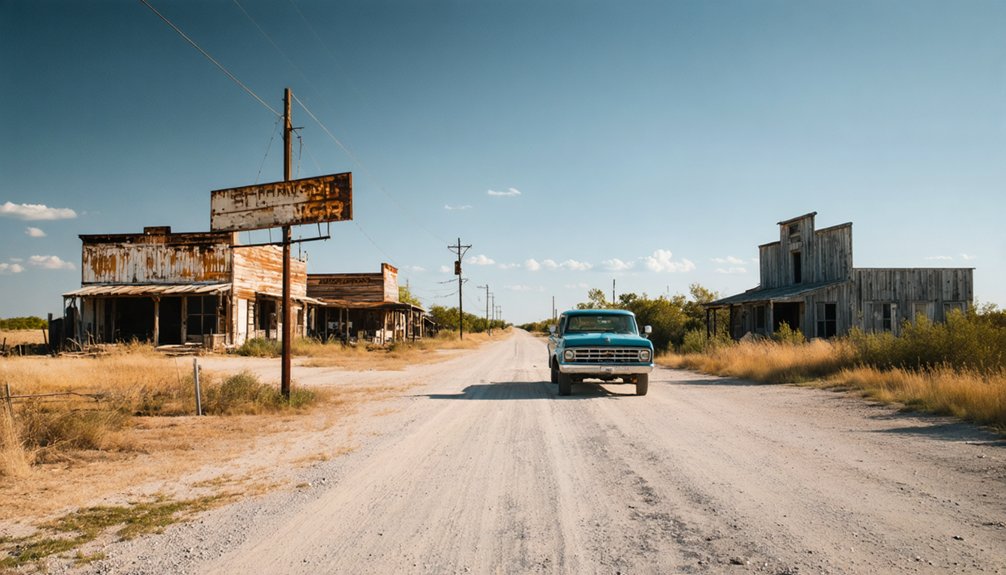
Unlike most ghost town stops, La Réunion won’t greet you with crumbling foundations, rusted machinery, or a roadside museum packed with artifacts. The city swallowed this place whole, leaving almost nothing visible above ground.
What you’ll find instead are quiet, layered traces — a small cemetery near Fishtrap Road, a commemorative marker in Reverchon Park, and place names scattered across downtown Dallas. No guided tours explain the historical myths or urban legends that cling to failed utopian communities.
You’ll piece the story together yourself.
That’s actually fitting. La Réunion was built by independent thinkers who believed they could live outside society’s rules. Visiting it rewards the same spirit — curious, self-directed, willing to find meaning where others see nothing at all.
How La Réunion’s Failure Shaped Modern Dallas
When La Réunion collapsed in 1857, it didn’t simply disappear — it scattered. The colonists who stayed behind carried real skills: medicine, architecture, botany, civic leadership. Their cultural influence quietly threaded itself into Dallas’s growing identity, shaping a city that might otherwise have developed far more slowly.
You can trace that urban development legacy today just by reading a map. Reunion Tower rises over downtown. Reunion Boulevard cuts through the city. The district itself carries the colony’s name forward across generations. These aren’t accidents — they’re acknowledgments that a failed utopian experiment still mattered.
La Réunion didn’t succeed on its own terms, but it seeded Dallas with educated, ambitious people who refused to leave. That’s a powerful kind of failure, and worth understanding before you hit the road.
Frequently Asked Questions
Can Children Enjoy a La Réunion History Road Trip in Dallas?
You’ll find family friendly activities throughout Dallas’s La Réunion stops. Kids can explore historical landmarks like Reverchon Park’s marker and Reunion Tower, sparking curiosity about the fascinating utopian colony that once shaped this vibrant, ever-evolving city.
Is There an Admission Fee to Visit the La Réunion Cemetery?
You won’t pay any admission fee to explore this hauntingly free historical landmark. Wander the grounds, soak in the local folklore, and let La Réunion Cemetery’s quiet, open atmosphere speak directly to your free spirit.
What Is the Best Time of Year to Visit Dallas for This Trip?
Like a perfect open road, spring and fall offer you the best seasonal weather for this trip. You’ll enjoy mild temps, and local festivals add vibrant energy to your Dallas exploration of La Réunion’s fascinating history.
Are There Guided Tours Specifically Focused on La Réunion Colony History?
You won’t find dedicated guided tours focused solely on La Réunion, but Dallas history walks occasionally feature guided storytelling about the colony’s historical artifacts, markers, and place names — so check local heritage organizations before you visit.
Are There Nearby Restaurants or Cafes to Stop at During the Route?
Like explorers refueling between discoveries, you’ll find plenty of local dining and cafe stops near Reverchon Park and the Reunion district — Dallas’s vibrant restaurant scene means you’re never far from a great bite.
References
- https://www.tshaonline.org/handbook/entries/la-reunion
- http://texasghosttowns.blogspot.com/2011/11/la-reunion-dallas-county-august.html
- https://dallaspioneer.org/historical_articles/la-reunion-community/
- https://www.dmagazine.com/publications/d-ceo/2021/october/the-legacy-of-la-reunion-still-lives-on-in-dallas-today/
- https://www.ghosttowns.com/states/tx/lareunion.html
- https://flashbackdallas.com/2016/03/26/la-reunion-utopia-on-the-trinity/
- https://www.keranews.org/arts-culture/2017-10-23/in-the-1800s-french-socialists-came-to-dallas-and-built-a-utopia-that-collapsed-immediately
- https://www.gutenberg.org/cache/epub/58590/pg58590-images.html
- https://blog.txfb-ins.com/texas-living/the-rise-and-fall-of-the-la-reunion-dallas-utopia/
- https://digital.library.unt.edu/ark:/67531/metadc935825/m2/1/high_res_d/1002775310-Sandell.pdf