Planning a ghost town road trip to Lundy, California means heading to Mono County’s Eastern Sierra, where a ruined alpine mining settlement waits at nearly 8,000 feet. You’ll turn off US-395 near Lee Vining onto Lundy Lake Road, following it into a dramatic glaciated canyon. Visit between spring and fall before seasonal road closures hit. Pack layers, sturdy boots, and a camera — and if you want to get the most from your trip, there’s plenty more to uncover ahead.
Key Takeaways
- Lundy Canyon sits at 7,858 feet in Mono County, accessible via Lundy Lake Road off US-395 near Lee Vining, California.
- Visit between spring and fall, as winter snow closes the road and limits access to the historic ghost town site.
- The May Lundy Mine produced $3 million in gold and silver before closing in 1884, leaving ruins and relics behind.
- Pack layers, sturdy boots, a paper map, and bear-aware camping gear, as weather shifts quickly and cell service is unreliable.
- Lundy pairs well with nearby ghost towns like Bodie State Historic Park, Aurora, and Masonic for a fuller regional road trip.
What Is the Lundy Ghost Town?
Tucked into a high-elevation alpine canyon at roughly 7,858 feet in Mono County, California, Lundy is a ghost town sitting at the west end of Lundy Lake — where gold was first discovered in 1879 and a full-blown mining settlement quickly followed. Originally called Mill Creek, the town grew fast, drawing prospectors, merchants, and families into its rugged alpine folds.
The May Lundy Mine drove the economy, pulling an estimated $3 million in gold and silver from the earth before operations faded.
Today, you’ll find scattered ruins, mill relics, and cemetery traces that make historical preservation feel urgent and personal. The glaciated canyon surrounding the site also rewards wildlife observation, offering raw, untamed scenery that matches the town’s restless, freedom-chasing spirit perfectly.
How to Get to Lundy Canyon
Once you’ve pictured those scattered ruins and mill relics, you’ll want to know how to actually reach them. Lundy Canyon sits northwest of Mono Lake in Mono County, California, accessible via the Lundy Lake Road corridor. Follow these steps to get there:
Lundy Canyon awaits northwest of Mono Lake, reachable via the Lundy Lake Road corridor in Mono County, California.
- Head to US-395 near Lee Vining and turn onto Lundy Lake Road heading northwest.
- Drive toward Lundy Lake’s west end, where historical preservation efforts have kept mining relics and cemetery remnants visible.
- Go slowly through the canyon corridor — wildlife encounters with deer, birds, and other alpine animals are genuinely common here.
The road rewards your patience with dramatic glaciated canyon scenery before delivering you straight into Lundy’s haunting, freedom-inspiring ghost-town landscape.
What You’ll Actually See at the Townsite Today
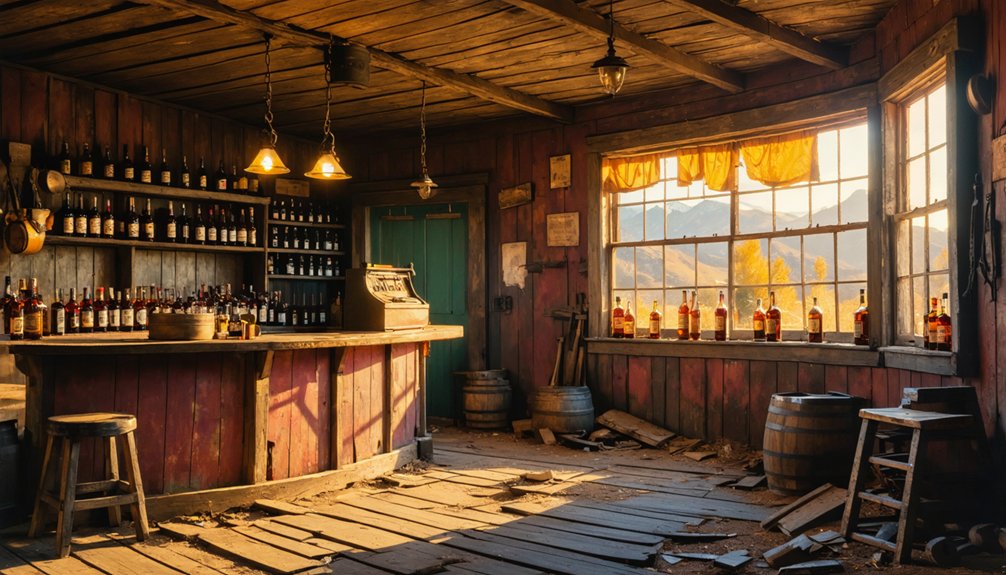
When you step into Lundy’s townsite, scattered ruins, mine equipment, and faint cemetery traces replace what were once saloons, boarding houses, and a bustling Wells Fargo agency.
Historical artifacts from the May Lundy Mine sit above the townsite, rusting quietly against an alpine backdrop that hasn’t softened with time.
You’ll notice that dam construction expanded the lake, swallowing portions of the original settlement beneath the waterline.
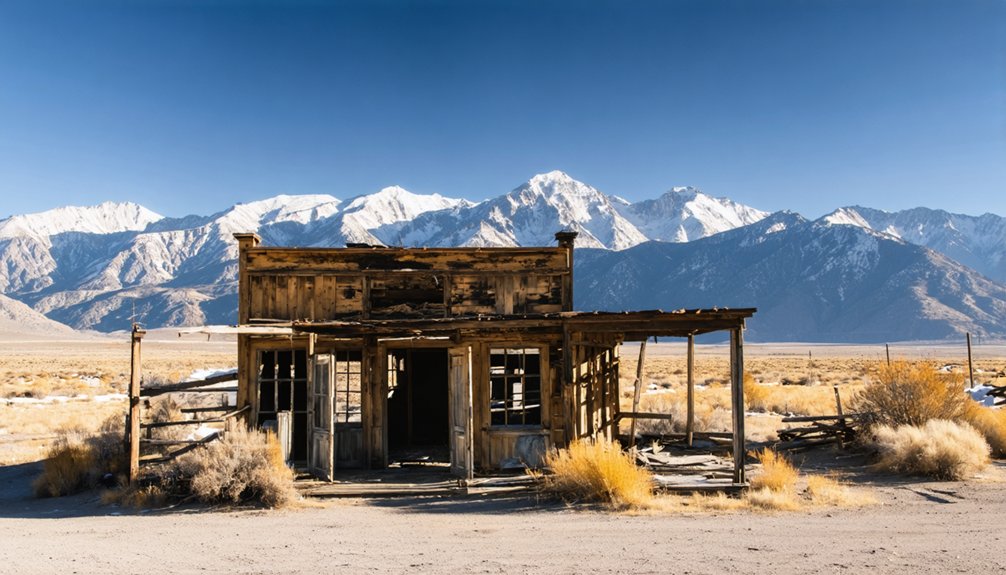
What survives above ground rewards careful eyes — broken machinery, structural remnants, and mill relics that tell the story without narration.
The scenic viewpoints here double as history lessons, framing glaciated canyon walls alongside ghost-town bones.
A seasonal fishing resort still operates nearby, grounding the site between past and present.
Lundy doesn’t perform its history; it simply leaves it lying there for you to find.
The Mining History Behind Lundy’s Rise and Fall
When you trace Lundy’s story back to its roots, you find a single gold discovery in 1879 that ignited an almost overnight rush, with the town swelling by 15 to 20 new residents daily at its peak.
The May Lundy Mine drove that momentum, eventually pulling an estimated $3 million in gold and silver from the canyon walls before suspending operations in 1884.
That closure punched a hole in Lundy’s economy it never recovered from, and by the turn of the century, the once-crowded canyon held only a handful of people.
Gold Discovery Sparks Growth
How did a remote alpine canyon in California’s high country transform into a booming mining settlement almost overnight? Gold discovery in 1879 near Lundy Lake triggered everything.
- Prospectors flooded in at 15–20 people daily between April and June 1880, reshaping the canyon forever.
- The May Lundy Mine drove an estimated $3 million in gold and silver production through 1914.
- A working sawmill supplied lumber regionally, even feeding the legendary Bodie mines nearby.
You’re walking into a place where cultural preservation meets raw wilderness energy. Wildlife observation still rewards visitors wandering the canyon’s glaciated terrain.
That same landscape that lured fortune-seekers now calls to you — not with promises of gold, but with something richer: unfiltered freedom and authentic history.
Mine Closure Triggers Decline
As quickly as Lundy boomed, the May Lundy Mine’s suspension of operations in 1884 pulled the foundation out from under it. Without steady ore production, businesses shuttered, and residents drifted toward more promising strikes elsewhere.
Then in 1887, fire tore through town, reducing 25 commercial buildings to ash and stripping away much of Lundy’s town architecture almost overnight.
Avalanches battered what remained, destroying homes, mines, and power plants across the years. By the turn of the century, only a handful of people still called Lundy home.
The post office finally closed in 1914, marking the town’s quiet end. Today, scattered mining equipment rusts above the old townsite, letting you read the story of collapse directly from the landscape itself.
Best Time of Year to Visit Lundy
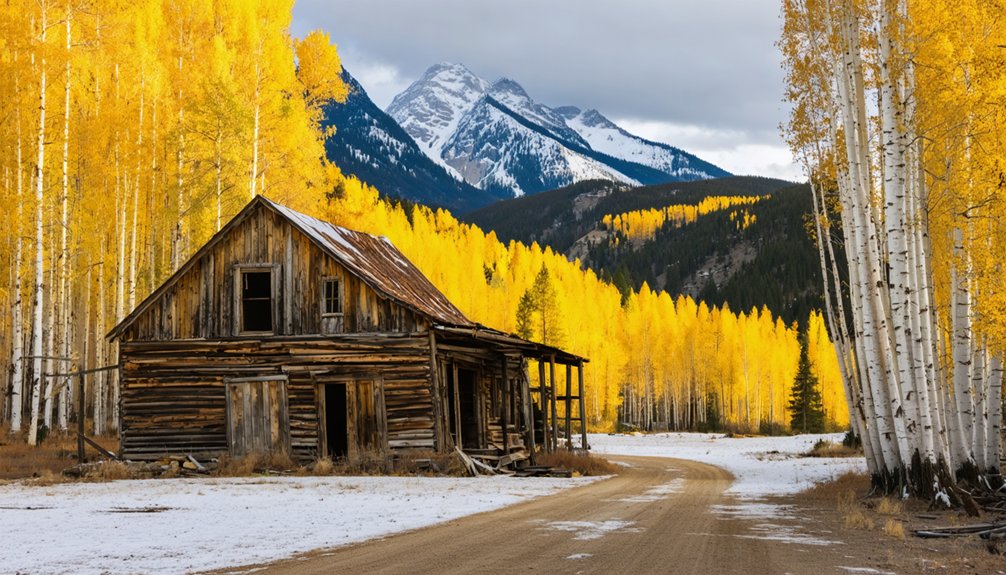
If you’re planning a road trip to Lundy, timing your visit makes all the difference. Summer gives you the most reliable canyon road access and clear views of the alpine ruins.
Spring rewards early arrivals with wildflower-carpeted slopes framing the ghost-town remains.
Don’t wait too long into autumn, though — winter closes the canyon roads entirely, cutting off access until warmer months return.
Summer Offers Peak Access
Summer releases the best version of Lundy, when snowmelt clears the canyon road and the high-elevation townsite becomes fully accessible at nearly 8,000 feet. You’ll move freely through a landscape where historical preservation meets raw wilderness, with mine relics, cemetery traces, and mill ruins spread across open terrain.
Summer unlocks three experiences worth chasing:
- Explore unobstructed ruins — warm, dry conditions let you move deep into the canyon without snow blocking your path.
- Witness wildlife encounters — marmots, eagles, and deer reclaim the ghost town each season, sharing space with its buried past.
- Feel the canyon’s full scale — long daylight hours reveal the dramatic glaciated walls surrounding Lundy’s forgotten streets.
You’ve got the freedom to roam here. Use it.
Spring Brings Wildflower Scenery
Winter’s grip loosens on Lundy Canyon each spring, and what follows is worth timing your trip around. Snowmelt feeds Mill Creek, wildflowers push through rocky soil, and the alpine landscape transforms into something genuinely striking.
You’ll move through a canyon that rewards slow travel, where color and cold air coexist at nearly 8,000 feet.
Spring also heightens your chances of wildlife encounters, as deer, birds, and smaller mammals grow more active along the canyon corridor. The ghost town ruins sit quietly among this renewal, making historical preservation feel less like obligation and more like discovery.
You’re not just reading a roadside marker — you’re standing inside a living landscape. Come prepared for cold mornings, muddy roads, and scenery that justifies every mile.
Winter Closes Canyon Roads
Heavy snowfall shuts Lundy Canyon’s roads each winter, cutting off access to the ghost town and effectively setting the calendar for when you can realistically visit. Winter closures aren’t just inconvenient — they completely seal the site away, leaving the ruins frozen and untouched beneath feet of snow.
Seasonal accessibility shapes your entire trip, so plan around these realities:
- Snow typically blocks canyon roads from late November through early spring, making spontaneous winter visits impossible.
- Avalanches historically struck this canyon hard, the same destructive slides that once killed miners and collapsed buildings.
- The window for open roads runs roughly spring through fall, rewarding those who time their journey right.
Respect the closure season, and Lundy will open itself to you completely.
What to Bring for a Lundy Ghost Town Road Trip
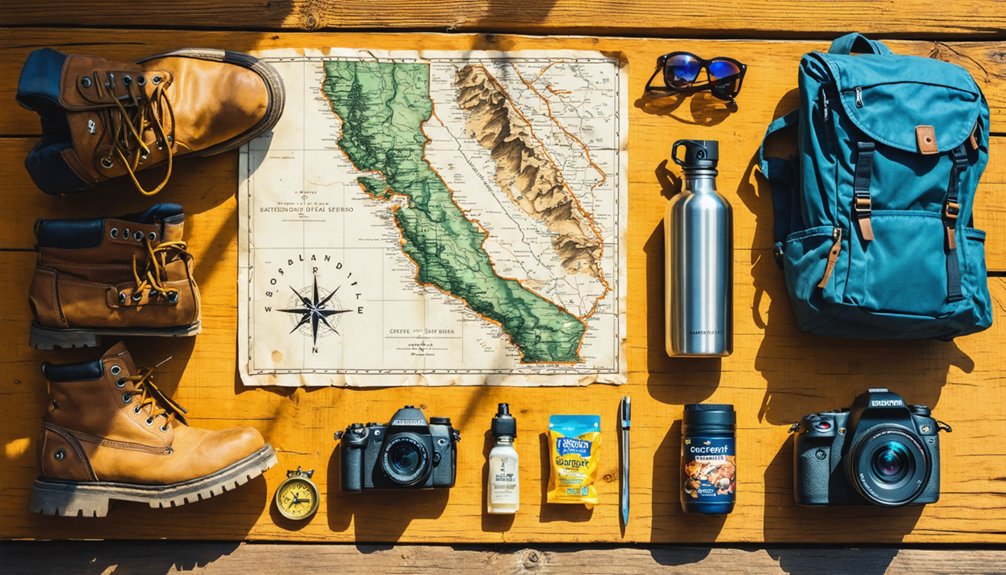
Because Lundy sits at nearly 8,000 feet in an exposed alpine canyon, you’ll want to pack with both the elevation and the terrain in mind. Layers are non-negotiable — temperatures shift fast, and afternoon storms roll in without warning.
At 8,000 feet, Lundy’s alpine canyon demands layers — the weather shifts fast and storms don’t wait.
Sturdy hiking boots will carry you across rocky mine debris and uneven canyon ground with confidence.
Don’t leave your photography gear behind. The combination of rusted mill equipment, glaciated canyon walls, and scattered ruins creates compelling compositions at every turn. Wide-angle and macro lenses both earn their weight here.
If you’re camping, cover your camping essentials — water filtration, bear-aware food storage, and a quality sleeping bag rated for cold nights.
Cell service is unreliable, so carry a paper map and let someone know your plans before you roll in.
Ghost Towns Near Lundy Worth Adding to Your Route
Once your pack is loaded and Lundy’s ruins are behind you, the surrounding Eastern Sierra opens up a wider circuit of abandoned mining country worth pulling over for. The region rewards curious drivers willing to follow unpaved routes past striking geological formations and local wildlife corridors.
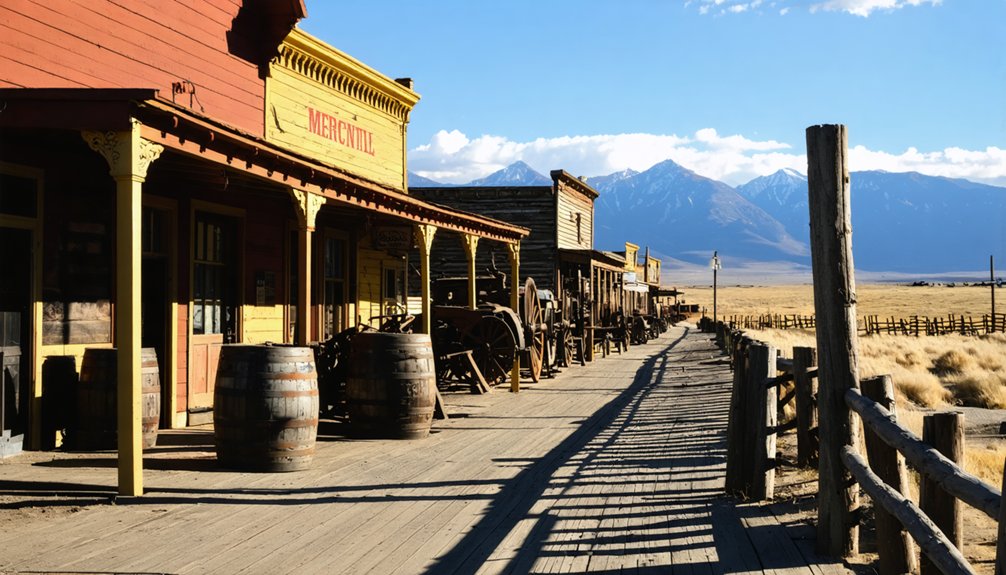
- Bodie State Historic Park – One of America’s best-preserved ghost towns, eerily frozen mid-life with buildings, artifacts, and raw high-desert atmosphere intact.
- Aurora, Nevada – Just across the state line, this crumbling former boomtown supplied Bodie’s early population and still holds lonely stone ruins.
- Masonic – A quiet, forgotten camp north of Bridgeport with scattered cabins and a hilltop mill frame commanding sweeping Sierra views.
Each stop deepens the story Lundy started telling you.
Frequently Asked Questions
Is Overnight Camping Allowed Near the Lundy Ghost Town Site?
Like a free spirit roaming wild lands, you’ll find camping regulations vary near Lundy’s ghost town. Check local guidelines before pitching your tent, and stay alert for wildlife encounters throughout this rugged, hauntingly beautiful alpine canyon.
Are Pets Allowed on Trails Leading Through Lundy Canyon?
The knowledge base doesn’t confirm pet policies, so you’ll want to verify trail regulations before heading out. For your pet’s safety, contact Mono County or Inyo National Forest — they’ll clarify what’s allowed in Lundy Canyon.
Is There Cell Phone Service or Wi-Fi Near Lundy Lake?
Don’t expect reliable cell service or Wi-Fi access near Lundy Lake. You’ll find yourself beautifully disconnected amid alpine wilderness and ghost-town silence — embrace the freedom of exploring untethered, where rugged canyons replace crowded signals.
Are Guided Tours Available at the Lundy Ghost Town Site?
No formal guided tours exist at Lundy’s ghost town site, but you’ll freely explore rich historical preservation on your own terms. Visitor amenities remain minimal, letting you wander evocative mine relics, cemetery traces, and canyon ruins independently.
Is the Lundy Canyon Road Paved or Suitable for Standard Vehicles?
The road condition keeps you guessing, but you’ll find Lundy Canyon Road is generally suitable for standard vehicles. It’s partially paved, so you can confidently navigate it without needing specialized four-wheel-drive capability.
References
- https://www.youtube.com/watch?v=OwpYCVO-HWI
- https://westernmininghistory.com/towns/california/lundy/
- https://nvtami.com/2026/01/04/bennettville-ghost-town/
- https://noehill.com/mono/poi_lundy.asp
- https://www.youtube.com/watch?v=LX4kr-Dzcn8
- https://www.ghosttowns.com/states/ca/lundy.html
- https://www.youtube.com/watch?v=5XazVVofZfM
- https://nevadahiking.org/loc/lundy/
- https://www.huntington.org/collections/lib-244984