Planning a ghost town road trip to Proctor, California means heading to one of San Diego County’s most legendary stretches of dirt and gravel. Proctor Valley Road runs five to eight miles between Chula Vista and Jamul, cutting through remote, rural chaparral where monster legends, phantom headlights, and unexplained phenomena have spooked locals for decades. You’ll want to prep your vehicle, stock up in Chula Vista, and time your drive wisely — and there’s far more to this eerie road than you’d expect.
Key Takeaways
- Proctor Valley Road, located between Chula Vista and Jamul in San Diego County, spans five to eight miles of dirt and gravel terrain.
- Access the road via State Route 94 or I-805 South, stopping in Chula Vista for fuel and supplies beforehand.
- Bring an SUV or truck with high ground clearance, as low-clearance vehicles struggle on uneven, loose gravel surfaces.
- Drive during daytime or early evening, avoiding rainy seasons when muddy conditions make the road dangerously slippery.
- Explore local legends like the Proctor Valley Monster, phantom headlights, and ghostly tales that define this road’s spooky reputation.
What Is Proctor Valley Road and Why Is It Famous?
Tucked between Chula Vista and Jamul in San Diego County, Proctor Valley Road is a roughly five-to-eight-mile stretch of dirt and gravel that’s earned a reputation far bigger than its modest size suggests.
Its historical context traces back to around 1890, when the road finally received its name, linked to Sally Proctor, widow of astronomer Richard A. Proctor.
For decades, its remote rural setting, sparse development, and encounters with local wildlife gave travelers an unmistakable sense of isolation. That eerie atmosphere eventually sparked ghost stories and urban legends that spread far beyond the surrounding communities.
Today, you’ll find the road draws curiosity seekers and folklore fans as much as commuters. Its fame rests less on verified events and more on the powerful, lingering feeling the road delivers.
The Ghost Legends That Made Proctor Valley Road Famous
Among the legends that cemented Proctor Valley Road’s spooky reputation, two stand out: the Proctor Valley Monster and the Phantom Headlights. Both urban legends trace back decades, with the monster story reportedly originating around 1947 after two boys discovered a dead calf and turned it into something far more sinister.
The Phantom Headlights legend follows a darker romantic thread — a boyfriend disappears after stopping for car trouble, leaving only mystery behind. Neither story carries folklore authenticity backed by hard evidence, but that’s never stopped curious travelers from seeking them out.
You’ll also hear whispers of a Haven Bakery tragedy connected to the road’s edge. Whether you believe any of it or not, these stories transformed a quiet dirt road into one of San Diego County‘s most compelling destinations.
The Proctor Valley Monster: How the Legend Actually Started
The Proctor Valley Monster legend traces back to around 1947, when two middle school boys stumbled upon a dead calf on the road.
Rather than report what they’d actually found, they spun the discovery into a wild rumor about a terrifying creature lurking in the area.
You can see how quickly a single odd find fueled decades of ghost stories that still draw curious visitors today.
The Dead Calf Discovery
While most ghost-town legends trace back to tragedy or mystery, Proctor Valley Road‘s most famous story started with something far more mundane — and far more mischievous.
Around 1947, two middle school boys stumbled upon a dead calf along the road. Instead of reporting it, they leaned into the folklore origins of what would become a local legend — and invented a monster.
Here’s the historical accuracy behind the rumor they sparked:
- The boys found a dead calf, not a creature
- They deliberately spread the monster story among peers
- The rumor grew faster than anyone could contain it
- Decades later, locals still debate what really roams that road
You can’t help but respect the creativity — even if it gave generations of drivers a reason to panic.
A Rumor Spreads Fast
How fast can a middle school rumor spiral into decades of local legend? Apparently, very quickly. Once those two boys spotted that dead calf around 1947, they didn’t just walk away quietly. They talked. Word spread through their school, then through the surrounding community, and suddenly Proctor Valley Road had a monster.
Understanding the legend origins here matters for historical accuracy. No creature was ever confirmed. No evidence surfaced. Yet the story took on a life of its own, growing wilder with each retelling. That’s the real power of rural isolation — it gives rumors room to breathe and mutate.
When you drive this road today, you’re fundamentally traveling through a landscape shaped more by storytelling than by anything that actually happened out there.
How Proctor Valley Road Got Its Name
According to ghost-lore sources, Proctor Valley Road didn’t earn its name until around 1890, a surprisingly late date for a route that cuts through such a historically sparse stretch of San Diego County. While historical accuracy remains fuzzy, the folklore origins point to one compelling figure:
- Sally Proctor, widow of astronomer Richard A. Proctor, carries the naming credit.
- She reportedly proposed building an observatory on San Miguel Mountain.
- The road’s extreme remoteness meant it went unnamed for years before her connection solidified its identity.
- No strong documentation fully confirms this account, so you’re fundamentally tracing a legend wrapped around history.
You’re not just driving a dirt road here — you’re rolling through a name that carries its own mysterious backstory.
The Phantom Headlights and Other Stories From the Road
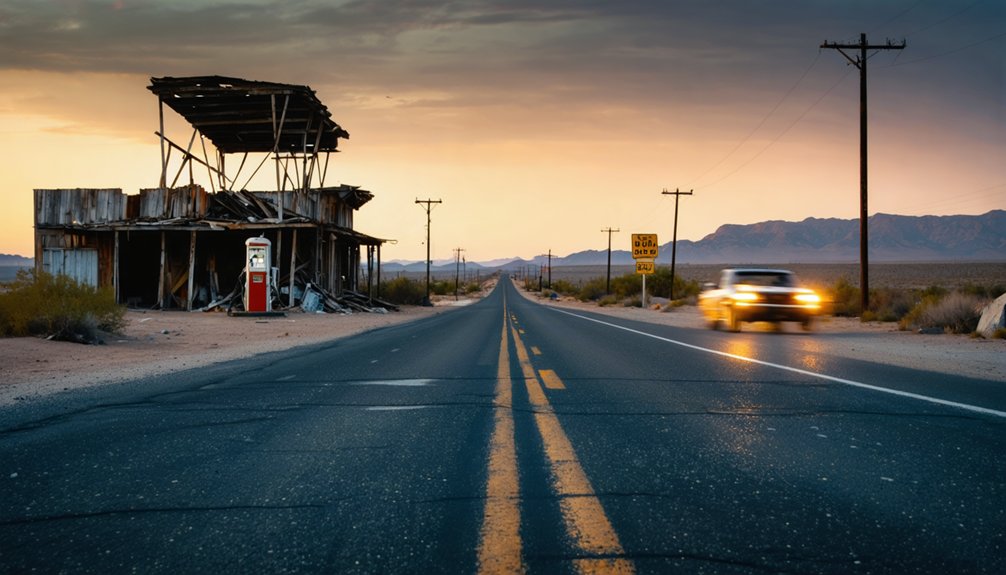
If you drive Proctor Valley Road after dark, you may spot what locals call the Phantom Headlights — mysterious lights that appear behind your vehicle, then vanish before any car ever passes.
One chilling story ties the legend to a couple whose car broke down on the road, leaving a boyfriend who stepped out for help and never returned.
You’ll also find darker tales circulating about the road, from unexplained figures seen in the brush to eerie sounds that have no clear source.
Phantom Headlights Legend Explained
Among the legends tied to Proctor Valley Road, the phantom headlights story stands out as one of the most chilling. Its folklore origins trace back to a simple premise — a couple stops on the road, the boyfriend investigates a strange noise, and he never returns. The girlfriend then sees mysterious headlights approaching.
Historical accuracy is hard to pin down, but the story endures.
Here’s what makes this legend stick:
- The remote setting amplifies every unfamiliar sound.
- No streetlights exist to break the darkness.
- The isolated terrain leaves you genuinely alone.
- The story’s open ending lets your imagination finish it.
You don’t need proof to feel the weight of this road after dark — that eerie silence does the work.
Other Chilling Road Stories
Proctor Valley Road doesn’t stop at one chilling tale — the phantom headlights story is just the beginning. Local folklore has layered this stretch of dirt and gravel with multiple unsettling stories passed down through generations.
You’ll hear about the Proctor Valley Monster, a creature legend reportedly born in 1947 after two boys discovered a dead calf roadside and let their imaginations run wild.
Ghost story traditions here also include a missing boyfriend tale, where a car breakdown on this remote road supposedly led to something far darker.
A nearby bakery tragedy adds yet another grim chapter. None of these stories carry verified proof, but that’s exactly what keeps them alive — and what keeps curious travelers like you coming back after dark.
Is Proctor Valley Road Actually Haunted?
Whether Proctor Valley Road is truly haunted depends on who you ask—and how much you trust a good ghost story. No verified evidence supports the paranormal claims, but folklore authenticity runs deep here. Before you decide, weigh these facts:
- Historical accuracy is thin — legends like the 1947 monster story trace back to schoolboy rumors, not documented events.
- The eerie atmosphere is real — isolation and darkness naturally amplify fear.
- Multiple legends exist — the Phantom Headlights and Proctor Valley Monster each have different origin versions.
- No proof has emerged — local sources openly admit there’s no specific paranormal evidence.
You’re free to believe whatever feels right, but come informed. The road itself delivers the chills, haunted or not.
Best Time to Drive Proctor Valley Road

Timing your visit to Proctor Valley Road makes a real difference in both safety and atmosphere. Daytime driving lets you navigate the dirt and gravel surface confidently while soaking in the remote San Diego County landscape that shaped so much of the area’s historical context.
You’ll spot the terrain that made this road feel isolated enough to birth legends dating back to 1947. If local folklore is your draw, an early evening visit hits differently — the quiet stretches feel genuinely eerie once the light fades.
That said, night driving on rough, unlit roads carries real risk, so go prepared. Avoid rainy seasons when the unpaved surface turns unreliable.
Whatever time you choose, treat it as a real road, not a theme park.
What the Road Conditions on Proctor Valley Road Are Really Like
You’ll want to prepare yourself before heading out, because Proctor Valley Road is a dirt and gravel surface, not a smooth paved highway.
Driving during daylight hours keeps you safer and lets you read the road’s rough patches before they catch you off guard.
Your vehicle choice matters too, since a standard low-clearance car may struggle where a truck or SUV handles conditions with far less trouble.
Dirt And Gravel Surface
Once you leave the pavement behind, Proctor Valley Road shifts quickly into dirt and gravel terrain that demands a little more attention from drivers. The surface varies depending on recent weather and road maintenance schedules, so conditions can change fast.
Here’s what to keep in mind before you roll out:
- High-clearance vehicles handle the loose gravel and uneven patches far better than low-riding cars.
- Dust kicks up quickly, so keep your windows up if you’re trailing another vehicle.
- Wildlife sightings are common here, so slow down and stay alert around blind curves.
- Wet conditions turn the dirt stretches muddy and slippery, making dry-season visits the smarter call.
Respect the road, and it’ll give you an unforgettable ride.
Daytime Travel Recommended
Although the ghost stories tied to Proctor Valley Road thrive after dark, the road itself is best explored in daylight. The dirt and gravel surface hides ruts, loose patches, and uneven terrain that become genuinely hazardous once the sun drops. You’ll also appreciate the landscape far more when you can actually see it.
Daytime travel gives you something else worth having: perspective. You can examine the remote, isolated terrain and understand how folklore origins naturally took root here. The eerie quiet, the open scrubland, the absence of services — these details explain why legends spread so easily.
Historical accuracy matters too. Seeing the road clearly helps you separate the real environment from the mythology built around it. Travel smart, travel in daylight, and let the stories stay where they belong — in the imagination.
Vehicle Suitability Matters
Proctor Valley Road isn’t a paved scenic byway — it’s a dirt and gravel route that stretches roughly five to eight miles through rural San Diego County. It demands a vehicle that can handle uneven terrain.
Historical accuracy about this road matters: it’s always been rugged, and modern preservation efforts haven’t changed that reality. Before you roll out, consider these key points:
- SUVs and trucks handle the surface far better than sedans.
- Tire condition directly affects your safety on loose gravel.
- Ground clearance prevents damage on uneven sections.
- Dust and debris can reduce visibility, especially in dry months.
Respect the road for what it’s — raw, remote, and unapologetically wild.
How to Get to Proctor Valley Road From San Diego
Getting to Proctor Valley Road from San Diego is straightforward, and the drive itself sets the mood for the eerie stretch ahead. Head east on State Route 94 toward Jamul, or take the I-805 South toward Chula Vista and cut inland through Eastlake.
Both routes pass scenic viewpoints of rolling hills and open chaparral that remind you how quickly the city gives way to raw, quiet land. Stop along the way to sample local cuisine in Chula Vista before the road loses its amenities entirely.
Once you reach the Jamul or Eastlake edge, Proctor Valley Road branches off into dirt and gravel. No toll, no gate — just open road. The isolation creeps in fast, so arrive prepared and let the landscape do the talking.
Chula Vista, Eastlake, and Jamul: Towns to Add to Your Route
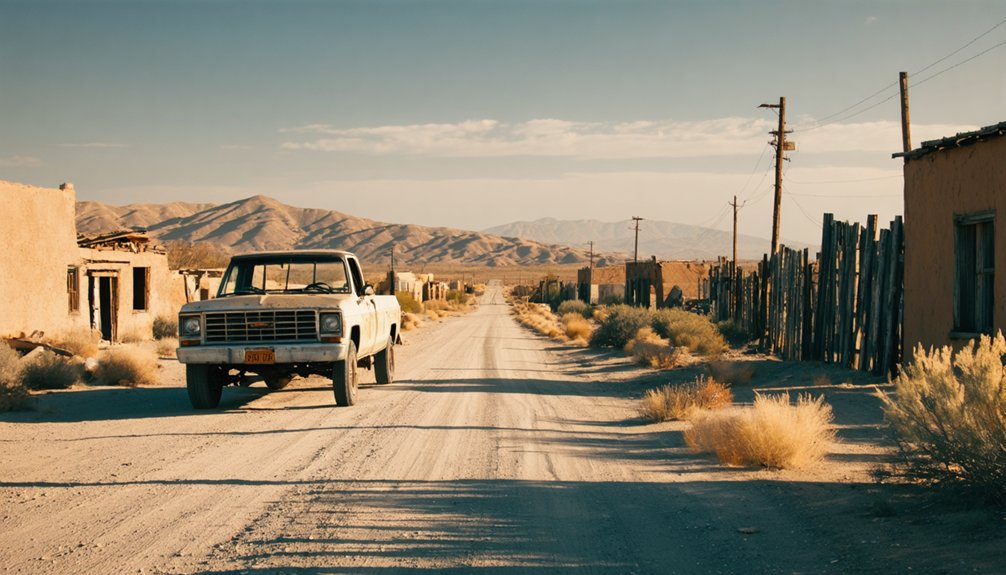
Before you hit the dirt stretch of Proctor Valley Road, the towns flanking it give your trip real texture. Each stop adds historical accuracy and local folklore to your overall experience.
Here’s what each town brings to your route:
- Chula Vista – A solid starting point with restaurants and fuel before you head into remote territory.
- Eastlake – A planned community sitting at the road’s western edge, marking the shift from suburban to rural.
- Jamul – A small, rugged town on the eastern end where local folklore runs deep among longtime residents.
- San Miguel Mountain – Visible from the route, this landmark connects directly to the road’s naming history and Sally Proctor’s proposed observatory.
These stops transform a simple drive into a genuine regional story.
Frequently Asked Questions
Are There Any Entrance Fees to Access Proctor Valley Road?
You’ll pay no entrance fees to roam Proctor Valley Road freely! It’s open, wild, and waiting — offering stunning scenic viewpoints and unexpected wildlife sightings as you explore this remote, eerie connector through San Diego County.
Is Proctor Valley Road Suitable for RVS or Large Vehicles?
You’ll want to skip bringing your RV here. The road condition is dirt and gravel, making vehicle restrictions a real concern — stick to smaller, rugged vehicles for the safest, most freeing adventure on Proctor Valley Road.
Are Pets Allowed on Proctor Valley Road?
Like a wide-open frontier, you’re free to bring your pets! No strict leash regulations are confirmed, but you’ll want to prioritize pet safety on this remote, rugged road where wildlife and rough terrain lurk.
Are There Any Restrooms or Facilities Along Proctor Valley Road?
You won’t find any restroom availability or facility locations along Proctor Valley Road. It’s a remote dirt route with limited services, so plan ahead — bring your own supplies and embrace the wild, untamed freedom of the open road!
Can You Camp Overnight Near Proctor Valley Road?
You’ll find no official campgrounds directly on Proctor Valley Road, but nearby wilderness areas offer wildlife encounters and scenic viewpoints where you can set up camp and truly embrace the freedom of California’s rugged, remote outdoors.
References
- https://www.10news.com/news/local-news/san-diego-news/proctor-valley-road-the-history-behind-the-ghost-stories
- https://www.reddit.com/r/Paranormal/comments/4nqado/proctor_valley_road/
- https://www.ghosttowns.com/states/co/proctor.html
- https://en.wikipedia.org/wiki/List_of_ghost_towns_in_California
- https://sdghosts.com/the-spirits-of-proctor-valley-road/
- https://www.islands.com/1977921/proctor-north-carolina-great-smoky-mountains-ghost-town-war-history-fishing-destination/
- https://en.wikipedia.org/wiki/Bodie