Planning a ghost town road trip to Ruby, Arizona means heading to Santa Cruz County, where over two dozen historic landmarks sit frozen across 350 remote desert acres. You’ll want a high-clearance vehicle for the rugged final stretch of Ruby Road. Visit between October and April for the best conditions, arrive early, and use Arivaca as your supply base. There’s far more to uncover about this remarkable destination ahead.
Key Takeaways
- Ruby, Arizona, is a well-preserved ghost town near Montana Peak in Santa Cruz County, featuring over two dozen historic landmarks across 350 acres.
- Access Ruby via I-19 Exit 12, then west on AZ-289; the final miles require a high-clearance vehicle due to rugged terrain.
- The site is open Sundays from 9:00 a.m. to dusk, with a $15 admission fee for visitors aged 13 and older.
- Visit between October and April to avoid summer monsoons, which can make roads impassable and create dangerous flash flooding.
- Use Arivaca, located 12 miles north, as your base to stock up on fuel, water, food, and supplies beforehand.
Ruby, Arizona: One of the Southwest’s Best-Preserved Ghost Towns
If you’re chasing Arizona’s ghost town history, Ruby deserves a top spot on your list. Tucked near the base of Montana Peak in Santa Cruz County, this remote settlement ranks among the Southwest’s best-preserved Wild West relics. Mining claims date back to 1877, when prospectors first struck gold and silver in these rugged hills.
Ruby, Arizona stands as one of the Southwest’s finest ghost towns — where gold, silver, and Wild West history run deep.
At its peak, Ruby supported around 1,200 residents before eventually falling silent.
What makes Ruby exceptional is what remains standing. More than two dozen Historic Landmarks survive on-site, including the schoolhouse, jail, and various mining structures. The preserved museum rounds out the experience with artifacts and photographs documenting the town’s boom years.
At roughly 4,500 feet elevation, Ruby delivers stunning desert-mountain scenery alongside authentic history you won’t find packaged anywhere else.
What’s Still Standing Inside the Ghost Town
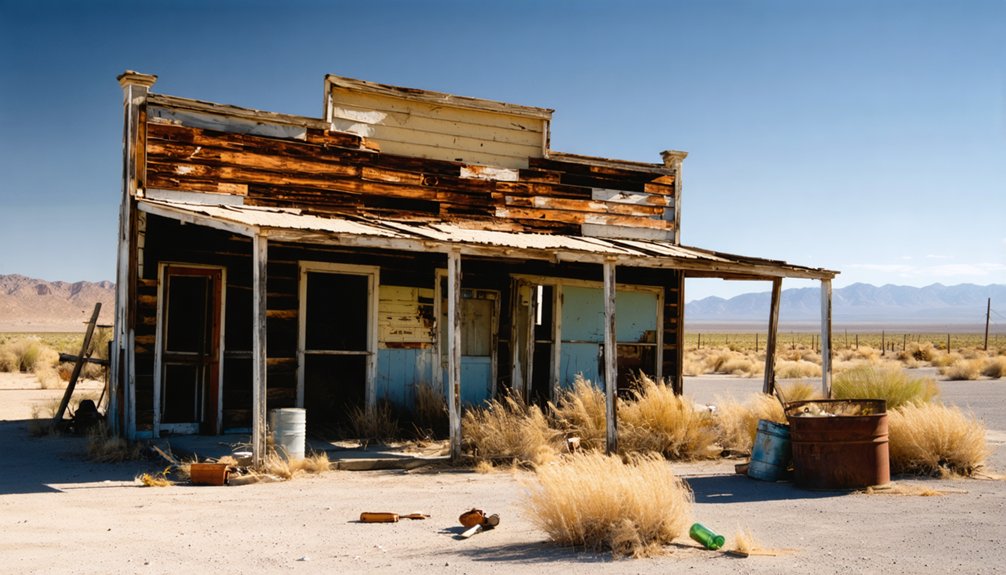
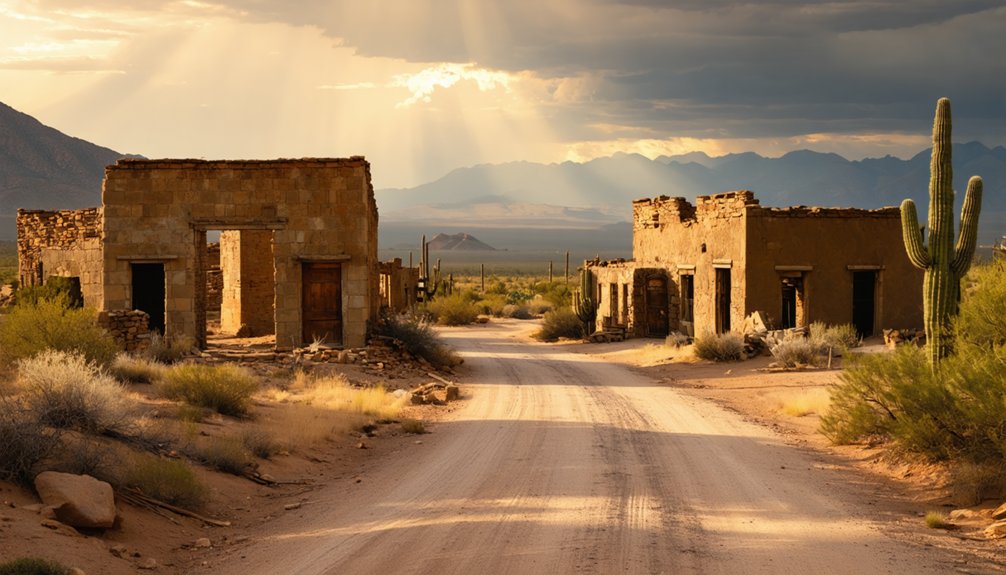
When you walk into Ruby, the sheer number of surviving structures sets it apart from most ghost towns you’ve visited. Around 25 buildings still stand, each one a testament to serious historic preservation efforts by the private families managing the site.
You’ll explore:
- The schoolhouse, remarkably intact and easy to photograph
- The jail, which hints at Ruby’s notorious lawless history
- Mining-era buildings scattered across roughly 350 acres of trails
A small museum holds artifacts and photographs documenting Ruby’s boom years, giving you real context for what you’re seeing.
The 4,500-foot elevation keeps temperatures manageable, and local wildlife moves freely through the surrounding Pajarita Wilderness.
Bring your camera, wear good boots, and give yourself enough time to cover the full site properly.
How to Get to Ruby From Nogales or Tucson
If you’re coming from Nogales, take I-19 north to Exit 12, then head west on Ruby Road/AZ-289 until you reach the townsite.
From Tucson, you’ll add roughly an hour to that drive, but the southern Arizona scenery makes the extra miles worthwhile.
Either way, expect unpaved, winding road sections near the end, so bring a high-clearance vehicle and avoid the trip during July and August when monsoon rains can make the road impassable.
Route From Nogales
Whether you’re heading south from Tucson or starting your drive in Nogales, reaching Ruby follows a straightforward route: take I-19 north to Exit 12, then turn west onto Ruby Road (AZ-289) and follow it to the townsite.
The final miles wind through rugged desert-mountain terrain, rewarding your effort with local legends etched into every crumbling wall and preservation efforts that keep this remarkable site standing.
Before you roll out, keep these essentials in mind:
- Bring a high-clearance vehicle — unpaved sections demand it
- Avoid July and August — monsoon rains can make Ruby Road impassable
- Check current access status — Ruby was reported closed as of June 2024
Plan accordingly, and this remote stretch of southern Arizona will deliver an unforgettable drive.
Route From Tucson
Tucson travelers have an equally scenic path into Ruby’s remote corner of Santa Cruz County. Head south on I-19 toward Nogales, then exit at Ruby Road/AZ-289 West around Exit 12.
From there, you’ll wind roughly 25 miles through open desert-mountain terrain before reaching the townsite near Montana Peak. Expect unpaved stretches that demand a high-clearance vehicle, especially after summer monsoons roll through in July and August.
Once you arrive, the visitor facilities are minimal, so pack water, lunch, and a camera. You’ll explore more than two dozen surviving structures and a museum packed with historical artifacts, photographs, and mining relics that bring Ruby’s boom years to life.
Confirm current access status before you leave Tucson, since closure updates have circulated recently.
Road Conditions And Tips
Road conditions on the Ruby Road approach can shift quickly, so knowing what to expect before you leave saves real headaches later. The final miles run unpaved and winding, and a high-clearance vehicle isn’t just recommended — it’s essential. Monsoon season in July and August can make the road completely impassable, so weather considerations matter here more than most trips.
Watch for these road realities before heading out:
- Flash flooding can close Ruby Road with little warning during summer storms
- Local wildlife, including javelinas and mule deer, frequently crosses the route at dusk
- Dry conditions can still leave deep ruts and loose gravel that challenge standard vehicles
Bring extra water, check forecasts, and start early to avoid afternoon monsoon buildups.
Is Ruby Road Passable? Vehicle and Road Conditions
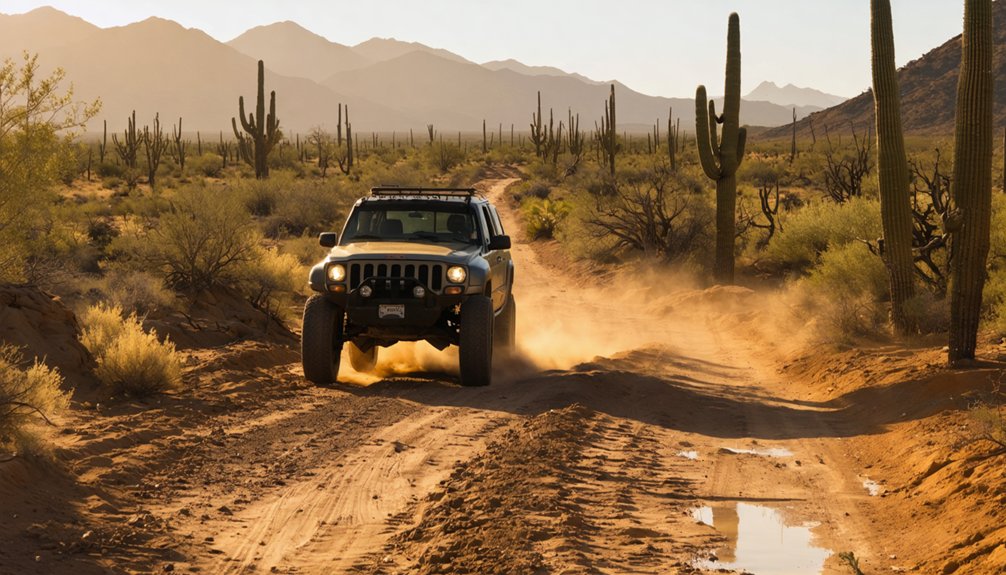
Once you turn onto Ruby Road, you’ll trade smooth pavement for unpaved, winding terrain that demands your full attention.
You’ll want a high-clearance vehicle for this stretch, as standard passenger cars risk bottoming out on the rough surface.
If you’re planning a summer visit, keep in mind that monsoon season—July through August—can make the road completely impassable.
Road Surface And Conditions
Getting to Ruby means steering through unpaved, winding road sections that demand respect and preparation. The road surface shifts from manageable dirt to rutted, rocky terrain depending on recent weather conditions. Monsoon season — July through August — can make the route genuinely impassable, so timing your trip matters.
Watch for these road realities before you roll out:
- Loose gravel and washboard stretches slow progress and test your suspension
- Monsoon flooding can wash out sections entirely between July and August
- Dry-season dust and ruts still require careful navigation and reduced speed
A high-clearance vehicle isn’t just recommended — some sources call it required. Check recent weather conditions before departing, especially after storms. The freedom of reaching Ruby depends entirely on arriving prepared.
Best Vehicle Recommendations
Because Ruby Road demands more than an average sedan can handle, you’ll want to arrive in a high-clearance vehicle — and some sources go further, calling it an outright requirement rather than a suggestion.
The winding, unpaved final stretch punishes low-clearance cars, especially after monsoon rains transform the road into something genuinely impassable between July and August.
Your vehicle choice directly shapes how much of Ruby’s ghost town preservation you’ll actually experience. Arrive in the wrong car, and you may never reach those two dozen standing structures holding over a century of historical anecdotes within their walls.
A capable SUV or truck gives you the freedom to explore on your terms. Don’t let a poor vehicle decision cut your adventure short before it begins.
Ruby Arizona Admission, Hours, and Reservation Requirements
Before you hit the road, it’s worth knowing that Ruby’s access status has changed in recent years—one source reports the site closed to the public as of June 3, 2024, while other listings still describe active visiting procedures.
Ruby’s access status has shifted—confirm the site is open before making the trek out.
Verify current access before departing, as preservation efforts have shaped how visitors engage with this storied landscape steeped in local legends.
If Ruby remains open, here’s what earlier visitor information outlined:
- Hours: Thursday through Sunday, 9:00 a.m. to dusk
- Admission: $15 per person (ages 13 and up); camping runs $20–$30 depending on activities
- Reservations: Online booking or advance permits may be required
Don’t assume walk-ins are welcome. Confirming details ahead saves a wasted drive through remote desert terrain.
The Best Time of Year to Visit Ruby Arizona
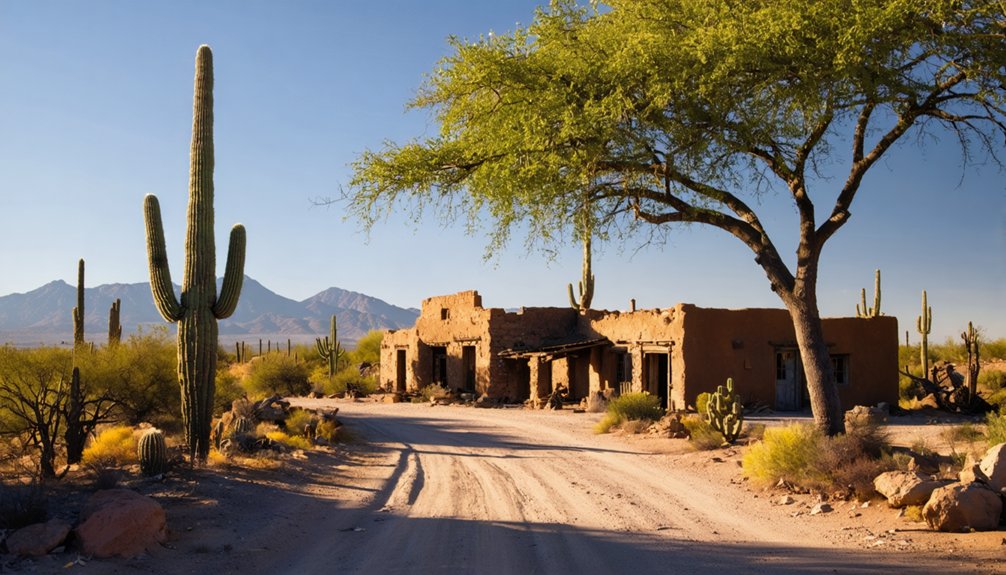
Timing your visit to Ruby can make the difference between a memorable road trip and a frustrating one. Ruby Road turns unpaved and unforgiving, and seasonal weather hits hard during July and August monsoons, sometimes making the route completely impassable. Visitor safety becomes a real concern when flash floods transform desert washes without warning.
Your best window runs from October through April, when cooler temperatures and dry conditions keep the roads accessible and comfortable. Spring offers wildflowers and mild hiking weather, while fall delivers crisp air and dramatic desert light perfect for photography.
Summer heat at Ruby’s 4,500-foot elevation stays more manageable than lower desert areas, but monsoon risk outweighs that advantage. Whatever season you choose, check road conditions before you leave.
What to Bring and How to Use Arivaca as a Base
Ruby’s remote setting means you’ll want to pack smart before you hit the road. Travel safety starts with preparation, since no services exist on-site. Bring plenty of water, a packed lunch, and a fully charged camera.
For photography tips, arrive early when soft light hits the weathered buildings at their best.
Use Arivaca, roughly 12 miles north, as your staging point. Grab a meal there before or after your visit:
- Water and snacks – the site offers nothing
- Camera gear – golden-hour light rewards early arrivals
- Emergency supplies – remote roads demand readiness
Arivaca keeps your adventure flexible without locking you into a rigid schedule.
It’s the kind of freedom that makes southern Arizona ghost-town travel genuinely rewarding.
Frequently Asked Questions
Can Children Under 12 Enter Ruby Ghost Town for Free?
Like a gift from the past, children under 12 enter Ruby’s historical preservation site for free! You’ll enjoy this remarkable tourist attraction without paying the $15 adult fee, making it an ideal family adventure.
Is Fishing at Ruby Permitted Without an Arizona Fishing License?
You’ll love this perk of Ruby’s fishing regulations — you can cast your line without worrying about Arizona’s license requirements! Sources report fishing’s permitted without one, though an added fee applies beyond the standard entrance cost.
Was Ruby Arizona Closed to the Public After June 2024?
One source says Ruby’s historical preservation efforts triggered visitor restrictions, closing it to the public as of June 3, 2024. You’ll want to verify current access status before hitting that rugged desert road.
Can You Go Mountain Biking or Paddleboarding at Ruby Arizona?
Yes, Ruby’s got you covered! You can enjoy mountain biking adventures and paddleboarding experiences right on-site. Though you’ll want to verify current access status first, as Ruby was reportedly closed to the public after June 2024.
How Many People Once Lived in Ruby During Its Peak?
At its peak, you’d have found around 1,200 residents calling Ruby home during the mining era. That historical population reflects a thriving, bustling community built on gold and silver discoveries dating back to 1877.
References
- https://en.wikipedia.org/wiki/Ruby
- https://southernarizonaguide.com/a-trip-to-the-ghost-town-of-ruby-az/
- https://www.legendsofamerica.com/az-ruby/
- https://www.tripadvisor.com/Attraction_Review-g8454832-d8453019-Reviews-Ruby_Ghost_Town-Ruby_Arizona.html
- https://www.youtube.com/watch?v=GKRGEkR2F_k
- https://www.thetravel.com/how-to-visit-ruby-arizona/
- https://www.arizonahighways.com/article/arizona-ghost-towns
- https://www.desertmountaineer.com/2023/03/04/ruby/