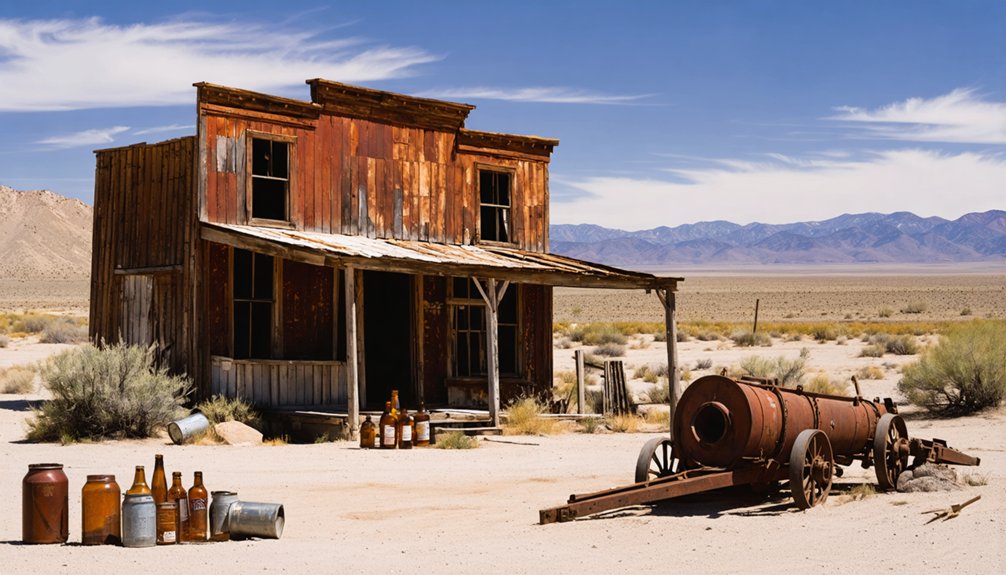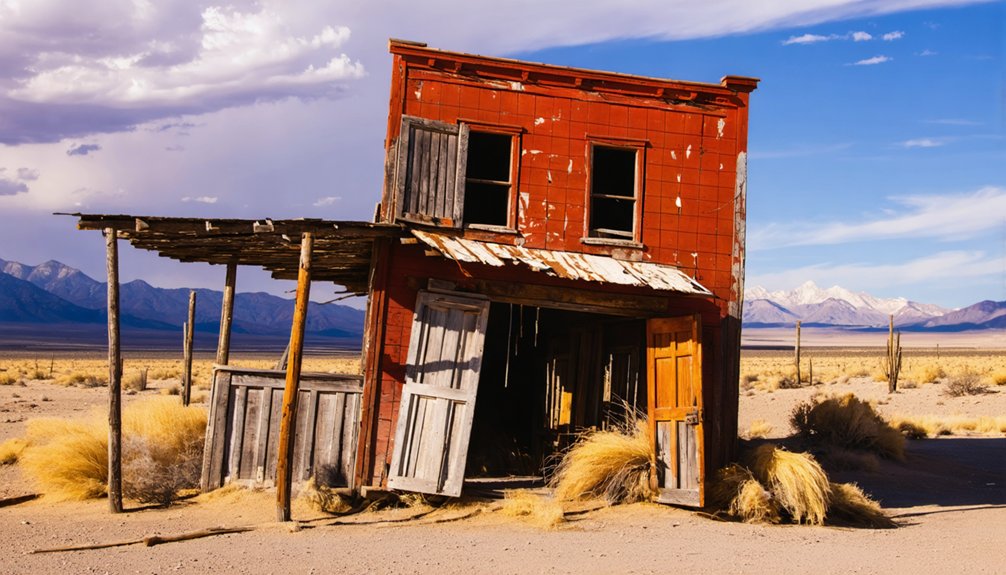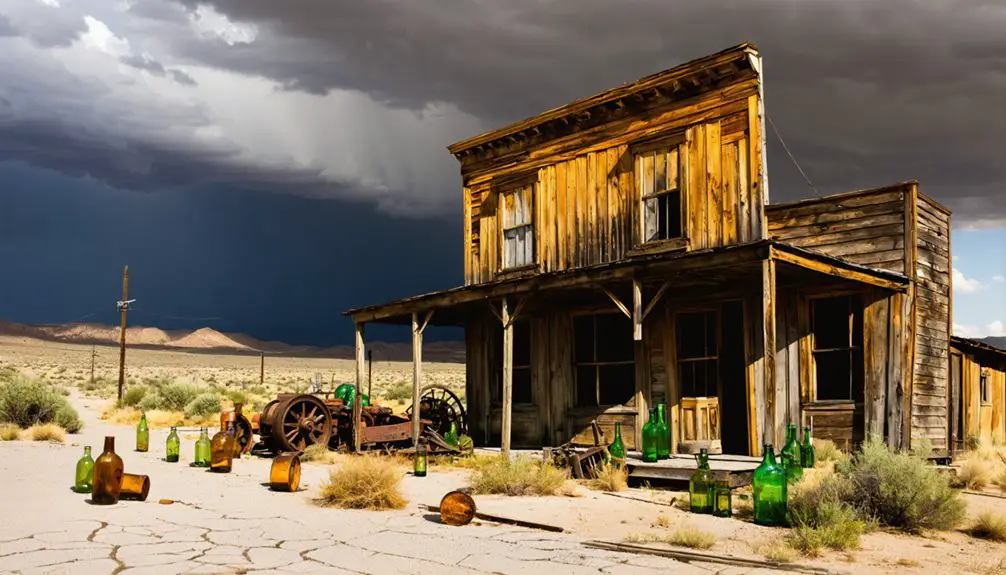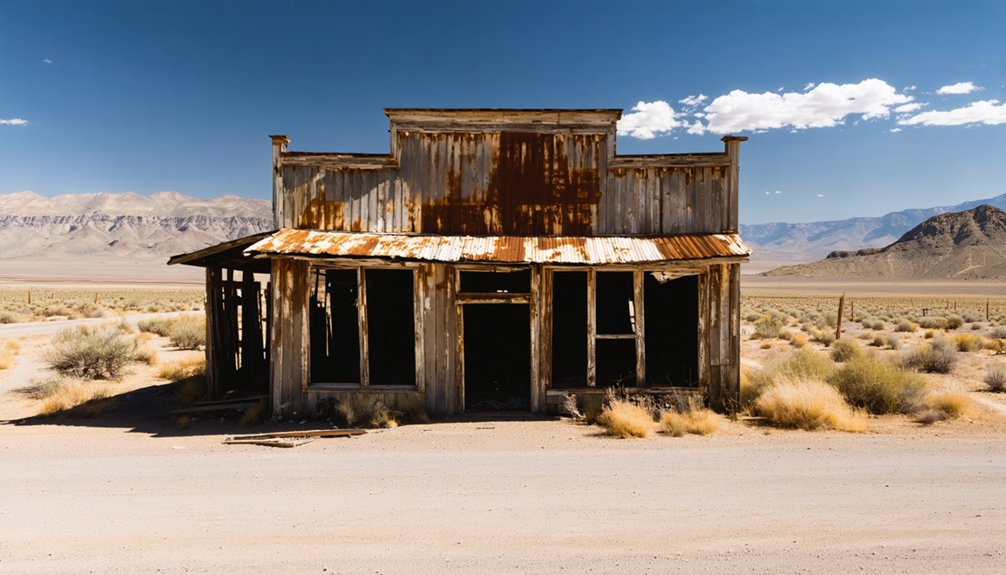
Planning a ghost town road trip to Saint Joseph, Nevada means heading to Clark County’s Moapa Valley, where this remote site sits along the Muddy River’s east bank. You’ll find scattered foundations, earthworks, and artifacts with no crowds in sight. Visit during spring or fall for the best conditions, pack water and supplies, and fuel up before leaving nearby towns. There’s far more to uncover about reaching and exploring this forgotten piece of Nevada history.
Key Takeaways
- Saint Joseph sits along the Muddy River’s east bank in Clark County, Nevada, offering a remote, authentic ghost town experience without tourist amenities.
- Visit during spring or fall for mild weather; summer visits should be limited to early mornings to avoid dangerous heat.
- Fuel up in Moapa or Glendale, pack water and a first aid kit, and download offline maps since GPS signals weaken near the site.
- Respect private property boundaries surrounding Saint Joseph, avoid entering unstable structures, and leave the site exactly as found.
- Nearby attractions like Valley of Fire State Park and the Lost City Museum in Overton make excellent additions to your road trip itinerary.
Where Saint Joseph, Nevada Sits in Clark County
Tucked along the east bank of the Muddy River in Clark County, Nevada, Saint Joseph sits quietly in the Moapa Valley, west of the north end of Perkins Field. This remote ghost town carries real historical significance as a relic of Nevada’s mining era, when settlers depended on river access and valley routes to survive.
You’re not stumbling onto a tourist-polished attraction here — you’re stepping into something raw and largely forgotten.
No velvet ropes. No gift shop. Just crumbling walls and the kind of silence history leaves behind.
The site’s isolation is both its appeal and its burden. Preservation challenges are constant, as harsh desert conditions, seasonal flooding, and minimal oversight continue eroding what little remains.
If you’re craving unfiltered history far from crowds, Saint Joseph’s location delivers exactly that — a wide-open window into a past Nevada doesn’t advertise.
What Makes Saint Joseph Worth the Drive
Saint Joseph’s location tells part of the story, but the site itself seals the deal. You’re stepping into a place where historical preservation meets raw Nevada landscape, and that combination is rare.
The east bank of the Muddy River gives you more than a backdrop — it gives you context. You can feel how settlers chose this spot and why the valley once supported real community life.
Beyond the history, wildlife observation adds another layer to your visit. The Muddy River corridor attracts birds and desert wildlife that thrive away from human traffic.
You’re not just reading about the past; you’re standing in it, camera ready, with open sky above and no crowds competing for your attention. That’s a road trip worth taking.
When to Visit Saint Joseph for the Best Experience
Fall and spring give you the most comfortable temperatures for exploring Saint Joseph’s remote desert setting, since summer heat in Moapa Valley can push well past 100°F.
You’ll want to arrive early in the day to take full advantage of natural light, both for safety around unstable structures and for capturing sharp, well-lit photographs.
Plan your visit around longer daylight windows in spring to give yourself enough time to navigate rural roads and explore the site without rushing back before dark.
Ideal Visiting Seasons
Although Nevada’s desert climate can make or break a road trip, timing your visit to Saint Joseph correctly transforms the experience entirely. The Moapa Valley rewards those who plan smart.
- Spring (March–May): Mild temperatures make exploration comfortable, and wildflowers add unexpected beauty to the remote landscape.
- Fall (September–November): Cooler days offer ideal conditions for photography and uncovering local legends tied to the site’s cultural significance.
- Winter (December–February): Crowds disappear entirely, giving you undisturbed access, though cold nights demand preparation.
- Summer (June–August): Avoid midday heat exceeding 100°F; early morning visits remain manageable if you’re determined.
You control your adventure here. Choosing the right season means sharper photos, safer exploration, and a deeper connection to Saint Joseph’s forgotten history.
Daylight Hours Matter
Choosing the right season gets you to Saint Joseph at the perfect time of year, but the hours you arrive each day shape the entire experience.
Daylight gives you clear sightlines across the Muddy River bank and reveals the cultural significance embedded in every weathered structure still standing.
Arrive too late, and you’ll miss the natural light that makes photography meaningful and exploration safe.
Early morning offers cooler temperatures and softer shadows ideal for documenting preservation challenges facing fragile ruins.
You move freely through the site, absorbing its history without rushing against a fading sky.
Plan to leave before dusk since the remote roads through Moapa Valley offer no lighting.
Respect what remains, stay alert, and let the daylight guide every decision you make.
How to Get to Saint Joseph From Las Vegas
Since Saint Joseph sits roughly 60 miles northeast of Las Vegas, you’ll want to head out on Interstate 15 toward the Moapa Valley before cutting onto rural roads that trace the east bank of the Muddy River. Road conditions can shift seasonally, so check updates before you leave.
Follow these navigation essentials:
- Download offline maps — GPS signals weaken once you leave the interstate
- Monitor road conditions — unpaved stretches become impassable after heavy rain
- Watch for local wildlife — desert tortoises and coyotes frequently cross rural routes
- Fuel up in Moapa or Glendale — no services exist near the site
You’re trading convenience for raw freedom out here, and that’s exactly the point.
What’s Left Standing at Saint Joseph Today
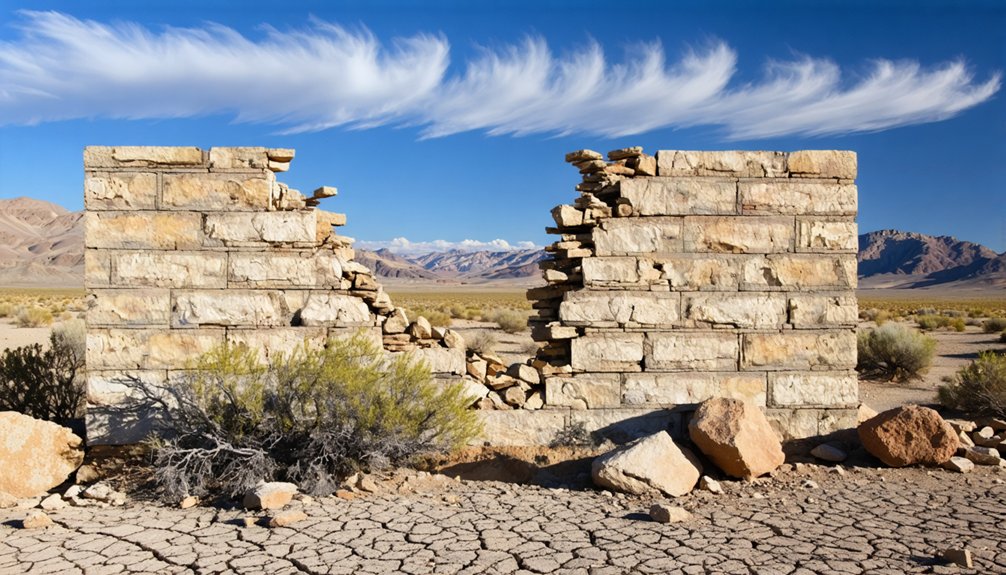
What remains at Saint Joseph today tells a quiet but powerful story. You’ll find little more than scattered foundations, eroded earthworks, and faint structural outlines where buildings once stood. The desert has reclaimed most of the site, but that rawness is precisely what makes it worth visiting.
Historical artifacts occasionally surface along the Muddy River’s east bank, offering tangible connections to the people who once built their lives here. Don’t expect museum-quality displays — this is unfiltered history beneath open sky.
Preservation efforts in the area remain minimal, so you’re essentially walking through a site frozen in slow decay. Respect what’s left. Photograph it, study it, and leave it undisturbed. That’s how places like Saint Joseph stay accessible for the next curious traveler who finds their way out here.
Ghost Towns Near Saint Joseph to Combine in One Trip
Once you’ve absorbed everything Saint Joseph has to offer, the surrounding region rewards travelers who keep moving.
Nevada’s desert landscape hides dozens of forgotten settlements tied to mining history, all within a reasonable drive.
Add these stops to your route:
- Rhyolite – Nevada’s most iconic ghost town, featuring standing ruins and fascinating remnants of a gold rush boomtown near Death Valley.
- Logandale – A quiet Moapa Valley community with historic ties worth exploring between ghost town stops.
- Valley of Fire State Park – Dramatic desert landscape that pairs naturally with any Clark County road trip.
- Overton – Home to the Lost City Museum, offering deeper context into the region’s layered human history.
Keep your tank full and your map handy.
What to Pack for a Remote Nevada Ghost Town Trip
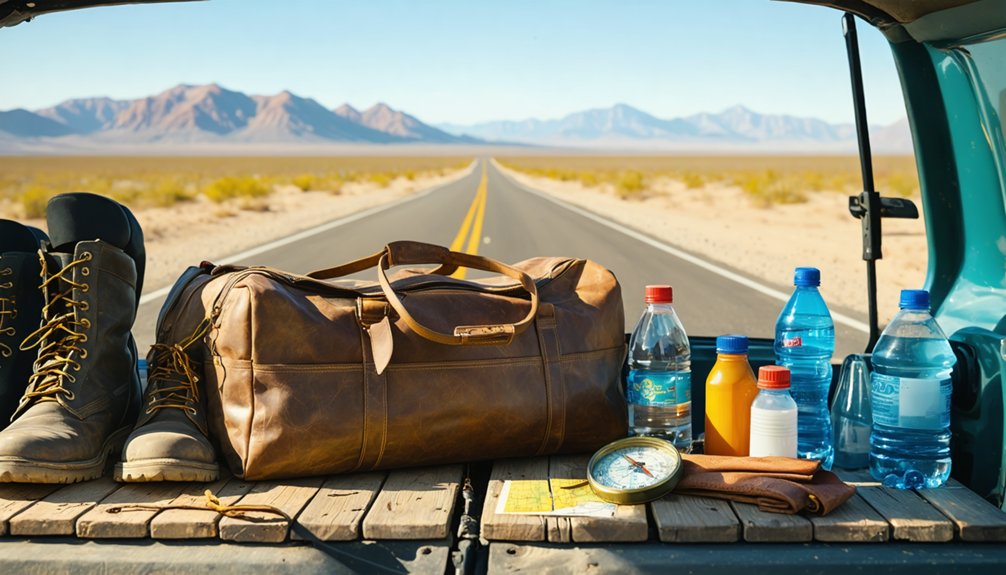
Packing smart can make or break your Saint Joseph excursion, so treat your supply list as seriously as your route. Nevada’s remote terrain demands camping essentials: extra water, non-perishable food, a first-aid kit, and a charged power bank.
Pack smart or risk your trip — water, food, a first-aid kit, and a power bank are non-negotiable.
Cell service disappears fast in Moapa Valley, so download offline maps before you leave Las Vegas.
For travel safety, bring a tire repair kit, jumper cables, and emergency flares — breakdowns happen on unimproved roads with no help nearby.
Sturdy footwear protects you around unstable structures, and sun protection is non-negotiable in the desert heat.
A flashlight helps if daylight runs short during exploration.
Pack light but pack right. Everything you carry should serve a clear purpose, giving you the freedom to explore confidently without unnecessary risk.
How to Photograph Saint Joseph’s Ruins Effectively
With your gear loaded and your route locked in, your camera becomes one of the most rewarding tools you’ll bring to Saint Joseph. This remote Nevada site rewards those who understand basic photography techniques and respect historical preservation.
Follow these four tips to capture compelling shots:
- Shoot during golden hour — early morning or late afternoon light reveals texture in aged structures dramatically.
- Use a wide-angle lens — it captures the vast, desolate landscape surrounding the ruins.
- Frame decay intentionally — crumbling walls and weathered materials tell authentic stories.
- Shoot RAW format — it gives you maximum editing flexibility for harsh desert lighting conditions.
You’re documenting history that few people witness firsthand. Every frame you take contributes to preserving Saint Joseph’s legacy beyond what time will eventually erase.
What Rules Apply When Visiting Saint Joseph?
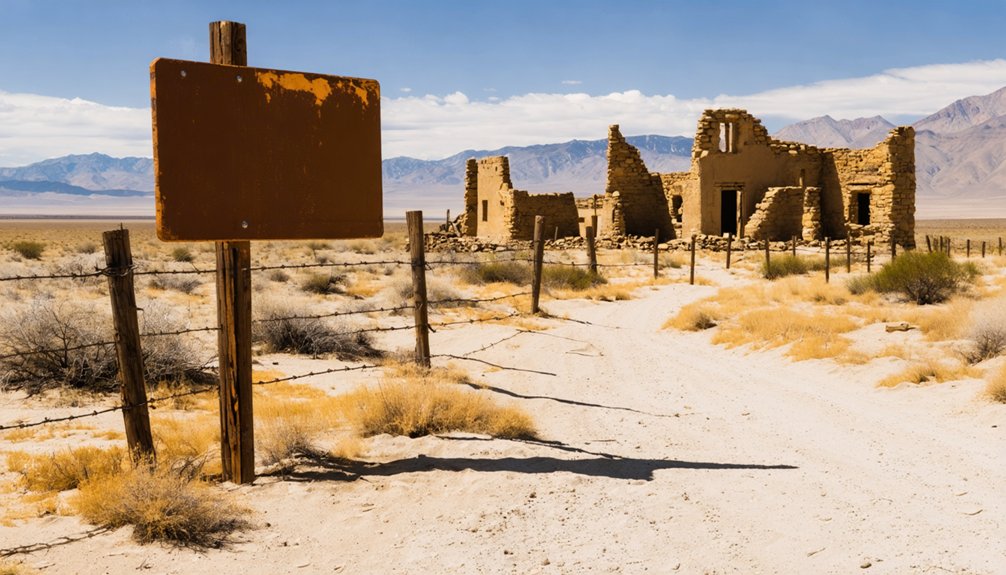
Before you set foot on the grounds of Saint Joseph, you’ll need to understand the rules that govern visits to this historic site. Freedom to explore comes with responsibility, so follow basic safety guidelines to protect both yourself and the site.
Freedom to explore Saint Joseph comes with responsibility — follow the rules that protect both you and this historic site.
Old structures are unstable — don’t enter them. The remote location means emergency services won’t reach you quickly, so carry water, a first aid kit, and a charged phone.
Respect private property boundaries strictly; some land surrounding Saint Joseph may be privately owned, and trespassing carries legal consequences.
No formal facilities exist here, so pack out everything you bring in. Leave the site exactly as you found it.
Preserving Saint Joseph means future explorers can experience the same authentic, undisturbed ghost town you discovered.
Frequently Asked Questions
Is Saint Joseph, Nevada Listed on Any Official Historic Registries?
Log off Google—the knowledge base doesn’t confirm Saint Joseph’s official historic registry status. You’ll want to check Clark County archives directly, where historic preservation efforts and tourism development records could reveal its recognition.
Were Any Famous People Historically Connected to Saint Joseph, Nevada?
You won’t find famous residents tied to Saint Joseph, Nevada. Historic events there revolved around ordinary settlers and miners whose stories, though unsung, shaped the valley’s rugged, freedom-seeking spirit in quietly powerful ways.
Can You Camp Overnight Near the Saint Joseph Ghost Town Site?
Like a wild frontier calling your name, you’ll need to research camping permits and overnight regulations carefully, as Saint Joseph offers no formal facilities — but Nevada’s open desert spirit means freedom awaits nearby with proper planning.
Has Saint Joseph Ever Appeared in Films or Television Productions?
There’s no confirmed record of Saint Joseph appearing in film or TV productions. Yet its raw, untouched landscape makes it a compelling historical preservation site and potential film location you’d absolutely love exploring.
Are Guided Tours Ever Offered to Saint Joseph in Clark County?
Imagine true freedom—no crowds, no schedules! Saint Joseph offers no formal guided tours or visitor amenities, so you’ll explore this raw, untamed ghost town entirely on your own terms, making every discovery uniquely yours.
References
- https://en.wikipedia.org/wiki/Saint_Joseph
- https://travelnevada.com/ghost-town/
- https://en.wikipedia.org/wiki/List_of_ghost_towns_in_Nevada