Planning a ghost town road trip to Shanktown, Pennsylvania means venturing into Green Township, Indiana County, where no visitor centers, trail markers, or preserved structures will greet you. You’ll navigate rural roads with spotty GPS signals, so pack printed topo maps and confirm land access before you go. Abandoned coal sites carry real hazards, so bring sturdy boots, a first-aid kit, and a companion. Everything you need to explore this forgotten industrial relic safely is just ahead.
Key Takeaways
- Shanktown is a coal mining ghost town in Green Township, Indiana County, Pennsylvania, with no preserved structures, trails, or visitor facilities.
- Download offline topo maps and county historical records before visiting, as GPS signals are unreliable on rural Pennsylvania roads.
- Verify land ownership and public right-of-way permissions before exploring, as access rights vary across the overgrown terrain.
- Pack essential safety gear including sturdy boots, a first-aid kit, high-visibility clothing, and ample water; avoid solo exploration.
- Combine Shanktown with nearby sites like Centralia for a comprehensive western Pennsylvania coal-country ghost town road trip.
What Is Shanktown? Indiana County’s Forgotten Coal Mining Ghost Town
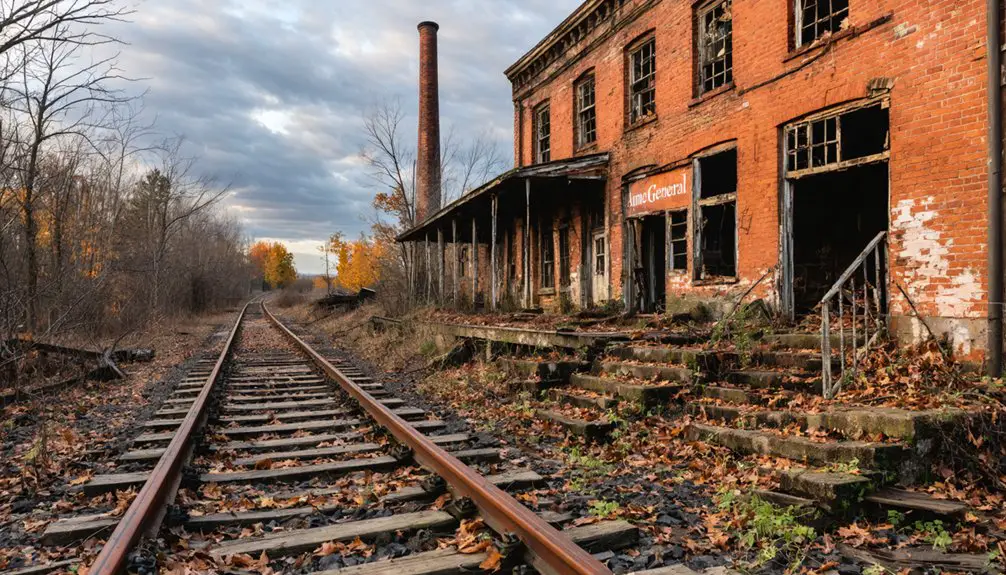
Tucked away in Green Township, Indiana County, Pennsylvania, Shanktown is a coal mining ghost town that time has nearly erased from the map. Like countless Pennsylvania coal settlements, it rose with the industry and vanished when the work dried up.
You won’t find interpretive signs or visitor centers here — just the quiet remnants of a community that once had a pulse. Historic preservation efforts haven’t reached Shanktown the way they’ve larger sites, which means community stories risk disappearing entirely.
That’s exactly why visiting matters. When you walk ground like this, you’re choosing to bear witness to a forgotten chapter of American industrial history.
Shanktown isn’t a polished attraction — it’s an honest, raw slice of Pennsylvania’s past waiting to be rediscovered.
Finding Shanktown: Directions Into Green Township, Indiana County
Getting to Shanktown means committing to rural Pennsylvania roads through Indiana County, where GPS signals thin out and highway signage won’t hand you the destination. Green Township holds this slice of mining history, and reaching it demands preparation over convenience.
Shanktown doesn’t meet you halfway. Rural Indiana County roads demand commitment, preparation, and a willingness to navigate without guardrails.
Before you leave, lock down these essentials:
- Download offline topo maps covering Green Township’s road network
- Cross-reference Indiana County historical society records for abandoned structures and access points
- Identify nearby highways feeding into Indiana County’s rural corridors
- Confirm land ownership and public right-of-way before stepping off the road
- Pack printed county road maps as a backup when signals drop
You’re steering toward a place that infrastructure forgot. That’s the point. Freedom here means self-reliance, not a visitor center handing you a brochure.
What Survives at Shanktown Today: Ruins, Roads, and Access Conditions
What remains at Shanktown won’t greet you with signage or preserved storefronts—you’re arriving at a site where coal-era history has largely dissolved back into the landscape. Expect overgrown terrain, scattered remnants, and roads that may dead-end without warning.
No confirmed surviving structures, official trails, or public parking areas are documented for this site.
Before you go, verify land ownership and public access rights—rural Indiana County parcels aren’t always open to exploration. Local lore surrounding abandoned coal towns often carries urban legends about sealed mine shafts and lost company records, and Shanktown is no exception. Talk to Green Township locals; they’ll frequently point you toward details no map captures.
Bring your own navigation, water, and realistic expectations—this is raw history, not curated tourism.
How to Visit Shanktown Safely: Hazards, Land Access, and What to Bring
Before you set foot on Shanktown’s overgrown terrain, understand that abandoned coal sites carry real physical dangers—unstable ground, hidden mine subsidence, and compromised soil that won’t always signal weakness before it gives way. Local safety precautions aren’t optional here; they’re what keep exploration smart rather than reckless.
Verify land ownership beforehand, and respect any posted boundaries.
Pack your essential gear deliberately:
- Sturdy, ankle-supporting boots for uneven, debris-covered ground
- Topo maps or downloaded offline GPS for areas with no cell signal
- First-aid kit sized for remote use
- High-visibility clothing so other visitors or landowners spot you easily
- Plenty of water, since no services exist nearby
Move slowly, stay alert, and never explore solo.
Freedom means knowing your limits before the land decides them for you.
Other Indiana County and Western Pennsylvania Coal Ghost Towns Worth Visiting
Shanktown doesn’t have to be your only stop—Indiana County and the broader western Pennsylvania coal region hold enough abandoned history to fill a full road trip itinerary.
Head east toward Centralia in Columbia County, where an underground mine fire has been burning since 1962, swallowing an entire community. You’ll find cracked roads, a handful of remaining structures, and a graveyard that outlasted the town itself.
Closer to home, Green Township’s rural back roads occasionally reveal forgotten mining history through collapsed foundations and overgrown lots. Abandoned structures dot the region wherever coal once drove the economy.
Research local historical societies before you go—they’ll point you toward sites that don’t appear on standard maps. String these stops together, and you’ve got a genuinely compelling western Pennsylvania coal-country road trip.
Frequently Asked Questions
Is There an Official Historical Marker or Monument at Shanktown?
No official historical marker exists at Shanktown, but you’ll still feel its historical significance through the landscape. Explore local legends on your own terms, uncovering this forgotten coal town’s raw, unfiltered story without guided signs directing your journey.
What Is the Best Time of Year to Visit Shanktown?
You’ll find the best visiting months are late spring through early fall. Seasonal weather stays mild, trails stay clear, and you can freely explore Indiana County’s rural landscape without snow or mud blocking your adventure.
Are Photography Permits Required When Visiting Pennsylvania Coal Ghost Towns?
You don’t typically need permits for photography at Pennsylvania coal ghost towns, but check local photography regulations before snapping crumbling ruins. If privately owned land’s involved, start the permit application process early to roam freely.
Can Children Safely Accompany Adults on a Shanktown Visit?
You can bring children, but child safety depends entirely on adult supervision. Watch for uneven terrain, hidden hazards, and unstable ground. Keep kids close, stay alert, and you’ll enjoy exploring Shanktown’s mysterious, forgotten landscape together.
Are There Lodging Options Near Green Township for Overnight Stays?
You’re in luck! Accommodation options for overnight stays aren’t far off the beaten path—nearby Indiana, Pennsylvania offers hotels, motels, and cozy inns, giving you the freedom to explore Green Township’s ghost town history at your own pace.
References
- https://en.wikipedia.org/wiki/Centralia
- https://www.youtube.com/watch?v=fm3wxSOqlYM&vl=en-US
- https://www.abc27.com/digital-originals/history-of-centralia-a-pennsylvania-ghost-town/
- https://www.reddit.com/r/AbandonedPorn/comments/1jeb1n0/centralia_pa_a_ghost_town/
- https://en.wikipedia.org/wiki/List_of_ghost_towns_in_Pennsylvania
- https://www.atlasobscura.com/things-to-do/pennsylvania/ghost-towns
- https://www.youtube.com/watch?v=isRTfPKPsNo
- https://www.youtube.com/watch?v=3Nt682Q8ymk&vl=en