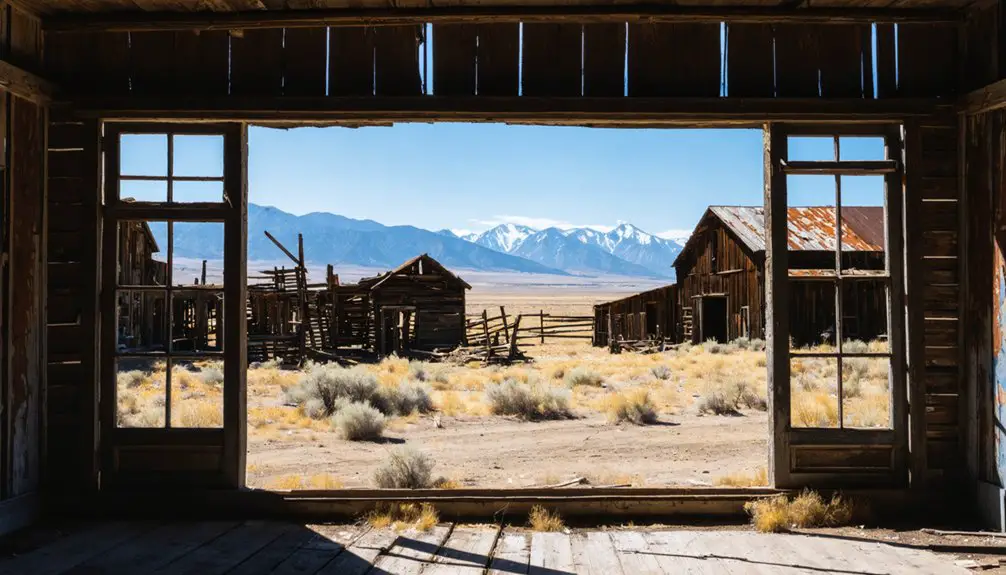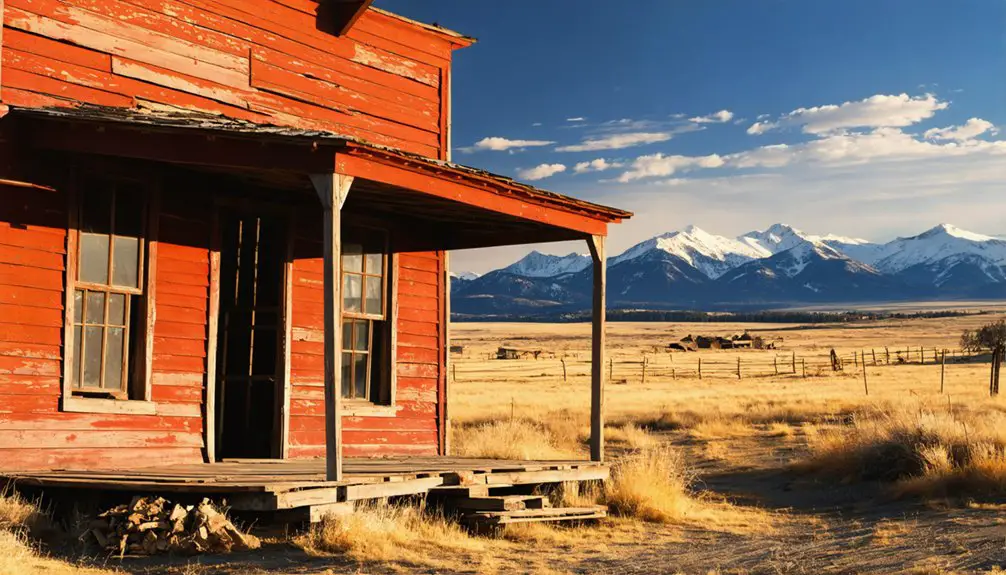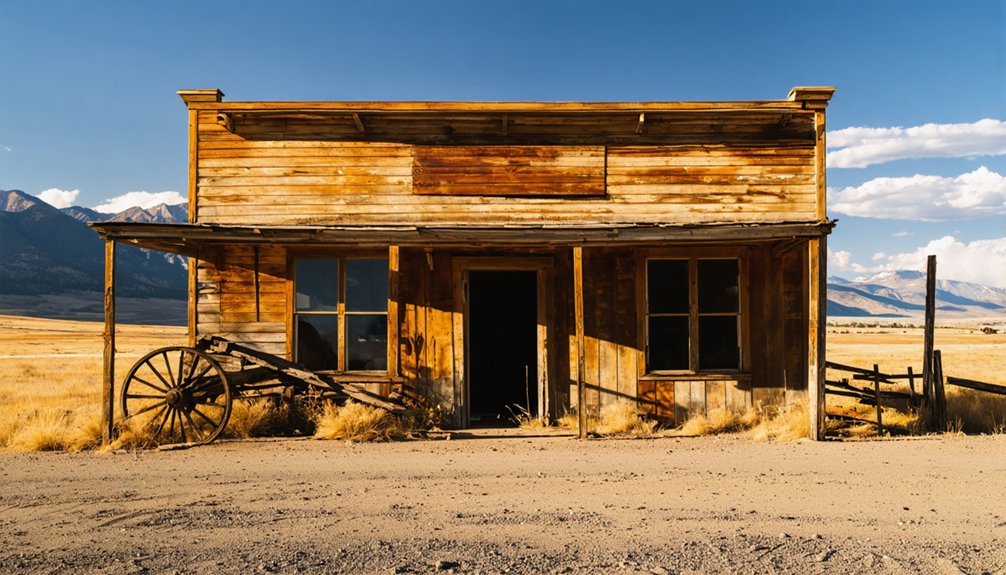
To plan your ghost town road trip to Southern Cross, Montana, take Highway 1’s Pintler Scenic Route about 12 miles from Philipsburg, turning past Discovery Basin Ski Area and following the middle road at the three-way split. You’ll reach a windswept 7,000-foot ridge where Finnish and Swedish miners once extracted over $5 million in ore before disappearing from history. Visit between late June and September for the best access, and pack layers, water, and sturdy shoes. There’s far more to this forgotten mountain settlement than you’d expect.
Key Takeaways
- Southern Cross sits at 7,000 feet on Cable Mountain, roughly 12 miles from Philipsburg via Montana Highway 1’s Pintler Scenic Route.
- Visit between late June and September for the most passable road conditions, milder weather, and clearest views of Georgetown Lake.
- Four-wheel drive is recommended; pack water, sturdy shoes, a flashlight, layers, sun protection, and a first aid kit.
- Explore surviving boarding houses, mine hoists, and St. Timothy’s Chapel, but never remove artifacts, bottles, or debris from the site.
- Combine your trip with stops at Georgetown Lake, Victorian-era Philipsburg, and Discovery Basin Ski Area for a fuller Montana experience.
Why Southern Cross Is Montana’s Most Underrated Ghost Town
While Montana boasts dozens of abandoned mining settlements, Southern Cross stands apart as a ghost town that genuinely earns the label. Perched at 7,000 feet on Cable Mountain, it overlooks Georgetown Lake with the Continental Divide rising behind it. You’re not just visiting ruins here — you’re stepping into a place where Finnish and Swedish miners once built a thriving community of 500 people before silence reclaimed it.
Historical preservation efforts have kept key structures standing, from original boarding houses to supervisor residences. Local wildlife moves freely through the site, reminding you that nature’s already staked its claim.
Unlike overcrowded tourist destinations, Southern Cross rewards the curious traveler willing to seek it out. That combination of raw landscape, intact history, and genuine remoteness makes it impossible to overstate how underrated this place truly is.
The Rise and Fall of Southern Cross, Montana
That underrated quality has deep roots, and understanding Southern Cross means tracing it back to where everything began. Gold discovery in 1866 sparked everything, drawing Finnish and Swedish immigrants who built boarding houses, saunas, and a dance hall into Cable Mountain’s rugged terrain.
Local cuisine and wildlife encounters shaped daily life for the 500 souls who once crowded this 7,000-foot settlement.
How to Get to Southern Cross From Philipsburg
Getting to Southern Cross is straightforward once you’re on Montana Highway 1, the Pintler Scenic Route, which carries you roughly 12 miles from Philipsburg through some of western Montana’s most dramatic high-country scenery.
Montana Highway 1 winds 12 scenic miles from Philipsburg straight to Southern Cross through stunning high-country terrain.
Watch for the Discovery Basin Ski Area turnoff, then continue one mile past Georgetown until you hit a three-way split. Take the middle road — one mile later, you’ve arrived.
Before heading out, keep these essentials in mind:
- Wildlife encounters are common at 7,000 feet; keep your distance and your camera ready
- Photography tips: golden hour light against the Continental Divide backdrop is unmatched
- Pack water, sturdy shoes, and a flashlight for exploring confidently
Leave artifacts untouched — removing them is illegal. Take only photos, and let the landscape speak for itself.
Surviving Structures: Boarding Houses, Hoists, and Mine Buildings
Once you reach the old townsite, you’ll find a handful of surviving structures that pull you straight into Southern Cross’s boom-era past. Two boarding houses and a bunkhouse still stand, their weathered timbers bearing witness to the Finnish and Swedish miners who once crowded their halls after brutal shifts underground.
Alongside them, hoist structures and ramshackle mine buildings remain frozen in time, offering a raw, unfiltered look at the industrial backbone that once drove a 500-person camp.
Boarding Houses Still Standing
What’s left standing at Southern Cross tells a story that words alone can’t quite capture. Walk these grounds and you’re stepping through layers of historical preservation, where architectural styles born from necessity still hold their shape against Montana winters.
You’ll find three key survivors worth seeking out:
- A historic boarding house — one of the boom era’s most intact remnants, built tough for hard-working Finnish and Swedish miners
- A bunkhouse — rough-hewn and unapologetic, exactly as functional living demanded
- Two additional boarding houses — anchoring the site’s original mining infrastructure
These structures weren’t built for beauty; they were built for survival. Running your hand along those weathered walls connects you directly to the 500 souls who once called this mountain camp home.
Mining Hoist Structures Remain
Beyond the boarding houses, the mining hoist structures rise against the sky like iron sentinels, and they’re still here — rusting, leaning, but refusing to quit. These hulking remnants of mining equipment once hauled ore up from deep underground, driving Southern Cross’s booming production that yielded over $5 million in precious metals.
You’ll feel the weight of that industrial past standing beneath them. Anaconda Copper Mining Company built this infrastructure after purchasing the mine in 1910, engineering a system capable of moving 30,000 tons of ore toward processing in East Helena.
Historic preservation efforts have kept these structures accessible without sanitizing their raw authenticity. Touch nothing, take nothing — just absorb what it meant when 500 people called this mountain community home and these machines roared daily.
Historic Buildings And Ruins
Scattered across the windswept hillside, Southern Cross’s surviving structures tell the story of a community that once housed 500 people at 7,000 feet. Walk among buildings that sheltered Finnish and Swedish miners through brutal Montana winters, and you’ll feel history pressing close.
Mountain wildlife moves freely through spaces where workers once gathered, and wildflower blooming softens the ruins with unexpected color.
You’ll discover:
- Boarding houses and a bunkhouse where hundreds of miners ate, slept, and built lives
- Former supervisors’ residences still standing remarkably intact against the mountain elements
- Ramshackle mine buildings and hoist structures frozen in time since operations ceased in 1919
These aren’t museum exhibits behind glass. They’re raw, authentic remnants you can explore on your own terms.
St. Timothy’s Chapel: 1960s Modernism at 7,000 Feet
Among the weathered relics of Southern Cross, St. Timothy’s Chapel stands as a striking contrast to its surroundings. Built in 1965 from native stone and timber, this modernist structure’s geometric angles feel boldly out of place against century-old mining ruins.
John W. and Crete Dillon Bowman commissioned it as a memorial to their son Timothy, who died in 1956, choosing this spectacular Georgetown Lake overlook deliberately.
You’ll discover the chapel largely unchanged since its dedication, a rare 1960s architectural gem perched at 7,000 feet. Summer visits reward you beyond the chapel itself — wildflower hikes thread through surrounding meadows, and wildlife sightings are surprisingly common along the approach road.
The chapel also hosts summer chamber music and jazz concerts, making it an unexpectedly vibrant cultural outpost within this quiet ghost town.
When Should You Actually Visit Southern Cross?
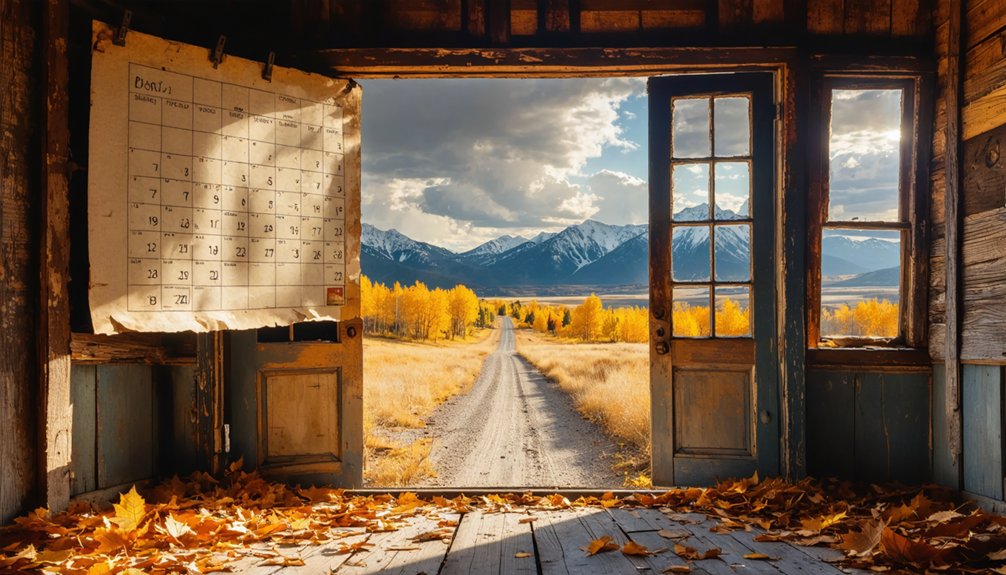
Summer gives you the clearest shot at Southern Cross, when the roads up Cable Mountain are passable and the 7,000-foot elevation rewards you with crisp air rather than punishing snowdrifts.
You’ll want to plan your visit between June and early September, since Montana’s mountain weather can turn fast and the remote access road off Highway 1 becomes treacherous once winter sets in.
Pack sun protection even on overcast days, because the high-altitude light at Southern Cross hits harder than you’d expect.
Best Season To Visit
Although Southern Cross sits at 7,000 feet in the Montana Rockies, the best window to visit runs from late June through early September, when snowmelt has cleared the mountain roads and the Continental Divide views are sharp and unobstructed.
You’ll move freely through a landscape that once sheltered 500 Finnish and Swedish miners chasing silver and gold.
Keep these seasonal realities in mind:
- Local wildlife is most active at dawn and dusk, so plan your arrival accordingly.
- Preservation efforts depend on respectful visitors who stay on established paths.
- Late July through August offers the driest conditions and clearest sight lines to Georgetown Lake.
Shoulder seasons carry unpredictable snowfall.
Come prepared, come curious, and leave everything exactly as you found it.
Weather And Road Conditions
Perched at 7,000 feet on Cable Mountain, Southern Cross rewards visitors who time their arrival carefully—mountain weather here doesn’t negotiate. Late June through September offers your best window: snow retreats, the access road off Montana Highway 1 firms up, and wildlife sightings along the Georgetown Lake corridor peak beautifully.
You’ll spot geological formations carved by millennia of mining and glacial activity far more clearly under summer’s honest light. Spring thaw turns that one-mile middle road into a muddy gamble, and autumn storms can arrive without warning.
Always check current road conditions before departing Philipsburg—12 miles feels much longer when you’re stuck. Four-wheel drive isn’t mandatory but it’s wise. Pack layers regardless of season; at elevation, afternoon temperatures drop faster than your ambitions.
What to Pack for a Southern Cross Ghost Town Trip
Before you head out to Southern Cross, pack smart for the remote, high-altitude terrain. At 7,000 feet, conditions shift fast, and you’re miles from help.
Essential gear includes:
- Sun protection and water – High elevation intensifies UV exposure, and local flora offers little shade along exposed ridgelines
- Sturdy shoes and a flashlight – Crumbling mine structures and uneven ground demand solid footing, especially inside darkened hoist buildings
- First aid kit and snacks – Wildlife sightings aren’t uncommon in this corner of Deer Lodge County, so stay alert and self-sufficient
Leave your collecting instincts behind. Removing artifacts, bottles, or debris is illegal. You’re stepping into living history here — take only photos, and let Southern Cross keep its bones intact.
What You Can and Can’t Do at Southern Cross
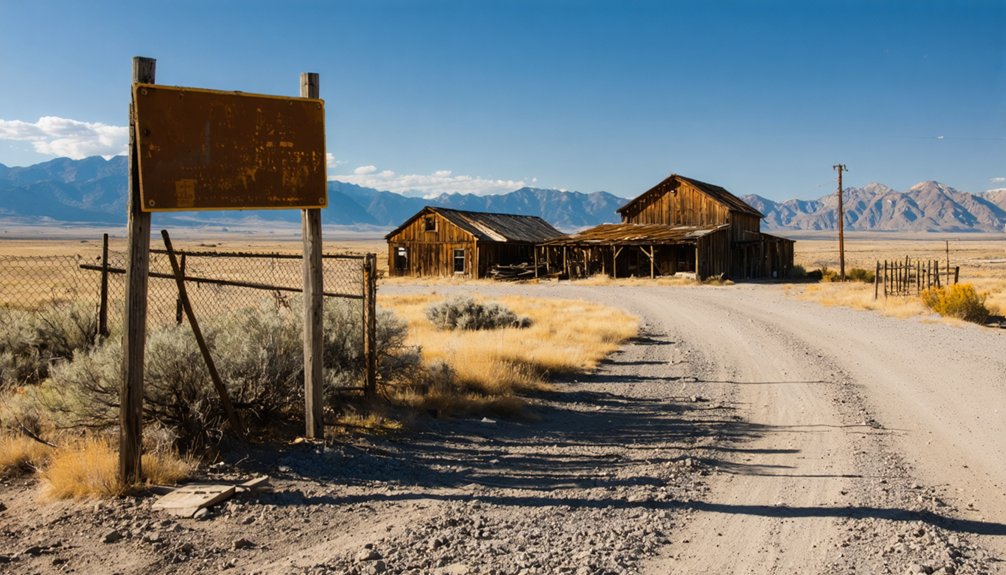
Knowing what to bring gets you through the gate — knowing the rules keeps you on the right side of history. Southern Cross rewards the curious, but it demands respect in return.
You can photograph crumbling hoist structures, walk among supervisor residences, and absorb local legends carried on the mountain wind. You can attend summer concerts at St. Timothy’s Chapel and feel the town’s quiet pulse.
What you can’t do is take anything — no bottles, no artifacts, no debris. Preservation efforts here aren’t bureaucratic noise; they’re what keeps this place alive for the next generation of road-trippers chasing Montana’s vanishing past.
Leave every rusted nail exactly where you found it. Your photos are your souvenirs. The ghost town keeps everything else.
What Else to See Near Southern Cross on the Pintler Scenic Route
Southern Cross sits along Montana Highway 1’s Pintler Scenic Route, and that road’s got plenty more story to tell once you’ve walked the old townsite. Georgetown Lake stretches just below, offering scenic viewpoints and local wildlife sightings that reward anyone willing to slow down.
Keep exploring with these nearby stops:
- Georgetown Lake – Cast a line, spot bald eagles, or simply breathe in the Continental Divide views stretching across the horizon.
- Philipsburg – Just 12 miles away, this preserved Victorian mining town serves cold craft beer and real sapphires pulled straight from Montana soil.
- Discovery Basin Ski Area – Pass it on your way in; return in winter for uncrowded mountain runs beneath open sky.
The Pintler Scenic Route rewards those who don’t rush.
Frequently Asked Questions
Is Southern Cross Accessible Year-Round or Only During Certain Seasons?
At 7,000 feet elevation, seasonal access isn’t guaranteed year-round. Harsh weather conditions can close mountain roads, so you’ll want to plan your adventure between late spring and early fall for the safest exploration.
Are There Any Guided Tours Available at Southern Cross Ghost Town?
No guided tours exist at Southern Cross, so you’ll explore freely on your own terms! Embrace historical preservation as you wander authentically, seizing incredible photography opportunities among weathered structures that whisper forgotten stories of Montana’s bold, adventurous mining heritage.
Can Visitors Camp Overnight Near the Southern Cross Townsite?
Once home to 500 souls, Southern Cross doesn’t offer confirmed overnight camping. You’ll want to check local camping regulations beforehand, as wildlife encounters are real here. Embrace the adventure responsibly and explore nearby designated campsites instead!
Is Southern Cross Suitable for Young Children or Elderly Visitors?
Southern Cross suits adventurous spirits of all ages, but you’ll want to prepare carefully. The remote terrain lacks visitor amenities, so sturdy footwear and first aid kits guarantee safe historical preservation exploration for children and elderly travelers alike.
Are Pets Allowed When Visiting the Southern Cross Ghost Town Site?
Like a wild frontier spirit, you’re free to explore! Pet policies aren’t explicitly restricted at Southern Cross, so bring your companion. However, pet accommodations are nonexistent — you’ll manage rugged terrain independently, embracing true Montana wilderness together.
References
- https://www.ghosttowns.com/states/mt/southerncross.html
- https://ghosttownfinder.com/towns/southern-cross-montana
- https://www.mtghosttowns.com/southern-cross
- https://www.legendsofamerica.com/southern-cross-montana/
- https://en.wikipedia.org/wiki/Southern_Cross
- https://www.hcn.org/issues/issue-148/ghost-town-hangs-on/
- https://www.youtube.com/watch?v=2Rusl2DQ_tk
- https://montanahistoriclandscape.com/2013/10/06/modernism-in-a-montana-ghost-town-st-timothys-at-southern-cross/
- https://www.montanatraveler.com/ghost-towns/
- https://www.mtmemory.org/nodes/view/128282