Teddy Bear Ghost Town sits 3.5 miles east of Hill City in South Dakota’s Black Hills, and you don’t need four-wheel drive to reach it. Take the 2WD-friendly Castle Creek route from Castleton near Mystic for a scenic approach loaded with mining relics and ponderosa pines. You’ll find crumbling basements, scattered artifacts, and an unrestored landscape that feels genuinely forgotten. Summer and fall offer the best conditions for exploring. Keep going to uncover everything you need to plan this road trip right.
Key Takeaways
- Teddy Bear Ghost Town sits 3.5 miles east of Hill City, South Dakota, in Pennington County’s Black Hills region.
- Access the site via a 2WD-friendly route along Castle Creek from Castleton, near the small community of Mystic.
- Expect crumbling basements, scattered mining artifacts, and unrestored ruins rather than preserved or reconstructed buildings.
- Use Hill City as your base camp for convenient access, lodging, and nearby ghost-town exploration opportunities.
- Visit in summer or fall for optimal road conditions, daylight, and scenic ponderosa pine and creek-bottom landscapes.
Is the Teddy Bear Ghost Town Worth Visiting?
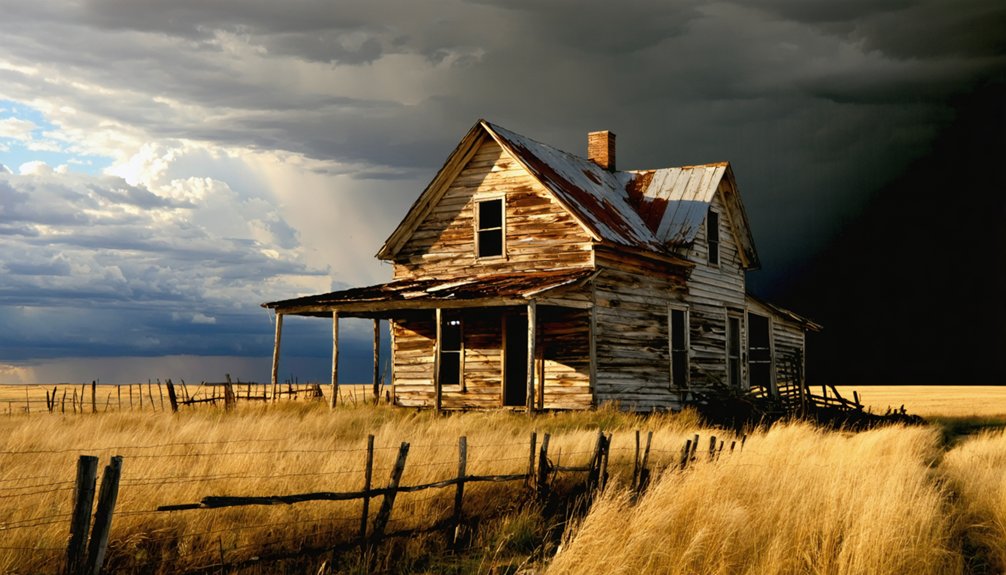
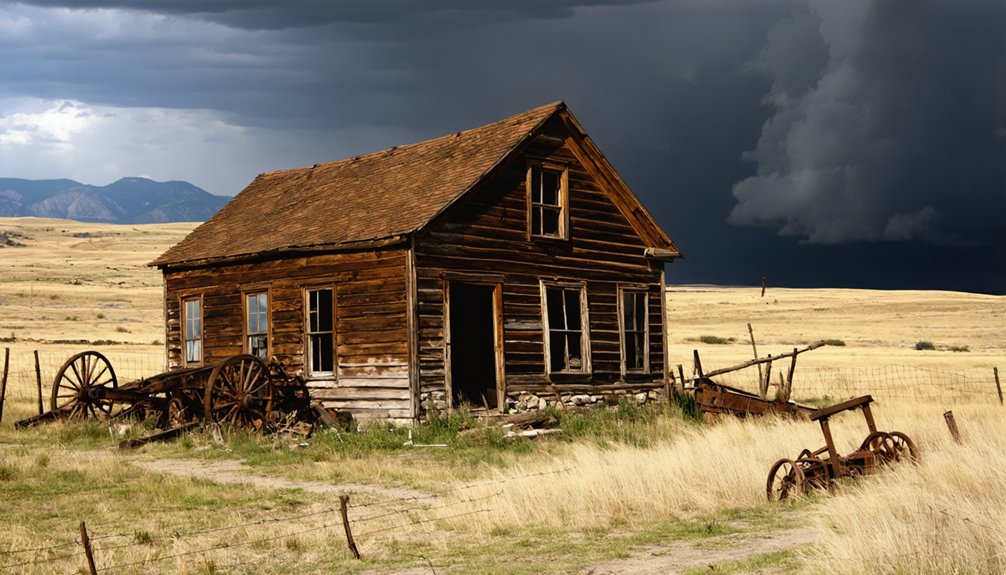
Whether you’re a history buff or a road-trip wanderer, Teddy Bear ghost town delivers a raw, unfiltered slice of Black Hills mining history. You won’t find polished exhibits or guided tours here. Instead, you’ll explore abandoned structures, crumbling basements, and mining-era relics scattered across stunning Black Hills scenery.
The site sits just 3.5 miles east of Hill City, making it an easy detour. Local legends surrounding the town’s uncertain origins add genuine mystery to your visit. Yes, the remains are minimal, and the site is classified as neglected, but that’s exactly the appeal.
You’re stepping into an unrestored, honest piece of South Dakota’s past. If you value freedom, open roads, and authentic history over tourist-ready attractions, Teddy Bear ghost town is absolutely worth your time.
Don’t Mix Up Teddy Bear Ghost Town and Teddy Bear Town
Before you load up the car and head toward Hill City, make sure you’ve got the right destination locked in. Two places share nearly identical names, and confusing them wastes your time. Teddy Bear Town was a Hill City teddy-bear attraction that’s now permanently closed — don’t chase it.
The ghost town is your real target. It’s a raw, neglected historic site sitting roughly 3.5 miles east of Hill City, deep in Black Hills terrain.
Historical preservation isn’t active here, which actually makes it more authentic. You’re walking through an untouched mining-era landscape with genuine ruins, basements, and relics.
That authenticity also means serious photography opportunities — crumbling remnants against Black Hills scenery create compelling, unpredictable shots.
Search specifically for the ghost town, not the attraction, and you’ll find the right place.
Where Is Teddy Bear Ghost Town and How Do You Get There?
Once you’ve got the right destination confirmed, finding Teddy Bear ghost town comes down to a straightforward Black Hills drive. The site sits in Pennington County, South Dakota, roughly 3.5 miles east of Hill City at an elevation of 4,770 feet.
You’ll approach by driving up Castle Creek from Castleton near Mystic, a route that’s fully accessible by 2WD.
Hill City works perfectly as your base point, keeping the drive manageable while connecting you to surrounding ghost towns. The road itself rewards you with striking Black Hills scenery before you even arrive.
Approach the site with historical accuracy in mind — preservation efforts here are minimal, so what you’ll find are ruins, basements, and mining-era relics scattered across a neglected but genuinely atmospheric landscape.
What’s Actually Left to See at the Site?
Arriving at Teddy Bear, you’ll find ruins rather than restored buildings — but that’s exactly what makes the site compelling. The structural remains here tell a quiet story of a mining camp that never grew large but left its mark on the landscape.
You’ll notice basements cutting into the hillside, which stand out as unusual features in Black Hills ghost-town architecture. Scattered historical artifacts from the mining era add texture to your exploration, grounding the site in its pre-1900 origins.
Don’t expect a developed attraction — the scenery carries much of the experience. The surrounding Black Hills backdrop rewards anyone willing to look past the neglect. Come prepared to read the landscape itself as the main exhibit.
Drive Castle Creek for Mining Ruins and Black Hills Scenery
The drive up Castle Creek from Castleton near Mystic sets the tone for everything Teddy Bear delivers — raw Black Hills scenery paired with mining-era relics scattered across the landscape. You’ll roll along a 2WD-friendly route that winds through terrain shaped by decades of mining history, where rusted remnants and forgotten structures remind you how hard this land was worked.
The scenic drive itself becomes part of the experience, not just a means to reach the ghost town. Ponderosa pines, rocky ridgelines, and creek bottomland frame every mile.
You’re not just passing through — you’re reading the landscape. By the time Teddy Bear comes into view, the drive has already delivered exactly what Black Hills ghost-town hunting promises: freedom, history, and scenery without a crowd in sight.
Visit in Summer or Fall: Here’s Why Winter Is Rough
Timing your visit to Teddy Bear makes a real difference, because Black Hills winters don’t ease up for curious travelers chasing ghost towns. Snow blankets the rural roads leading east from Hill City, and winter hazards like ice and limited visibility can shut down your plans fast.
You’re not dealing with a maintained attraction here — it’s raw, rural terrain that demands seasonal accessibility awareness. Summer opens everything up, giving you dry 2WD-friendly roads, long daylight hours, and that dramatic Black Hills backdrop at its finest.
Fall delivers cooler temperatures and striking color without winter’s punishment. Whatever you do, don’t attempt this route unprepared in January.
The ruins and relics aren’t going anywhere, so give yourself the conditions to actually enjoy reaching them.
Use Hill City as Your Base for the Teddy Bear Ghost Town Drive
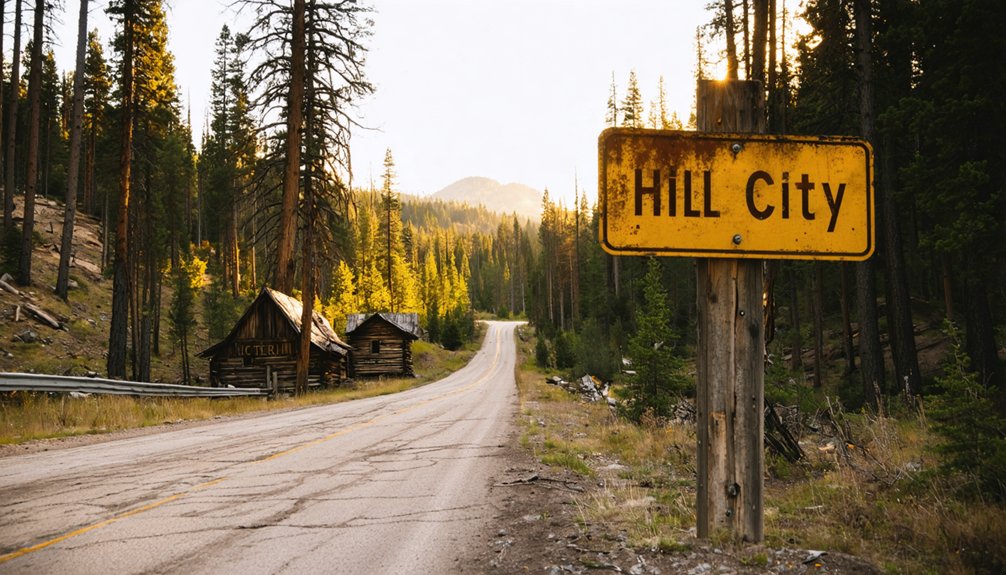
Once you’ve locked in the right season, setting up your base in Hill City puts you in the perfect position to reach Teddy Bear without burning half your day on logistics. The ghost town sits roughly 3.5 miles east, making Hill City a practical launching point before you head toward Castle Creek.
From Hill City, you’ll follow a 2WD-accessible route through stunning Black Hills terrain, passing mining relics that reward your photography opportunities long before you reach the ruins. When you arrive, you’re stepping into a neglected but authentic site where historical preservation matters more than polish.
Basements, scattered remnants, and open landscape greet you honestly.
Hill City also gives you food, fuel, and lodging, so you control your pace and push deeper into South Dakota’s ghost-town corridor on your own terms.
Other South Dakota Ghost Towns to Pair With This Trip
Teddy Bear pairs naturally with other ghost towns scattered across South Dakota’s Black Hills, and stringing them together turns a single-site detour into a full regional expedition.
Drive the Castle Creek corridor from Castleton near Mystic, and you’ll pass mining relics that tell a connected story of boom-and-bust settlement.
Towns like Mystic itself offer additional stops where historic preservation efforts have left enough standing to reward careful exploration.
Each site adds texture to your understanding of how mining shaped and then abandoned these hills.
You’re not following a curated tourist loop here — you’re building your own route through forgotten places on your own terms.
Pack water, check road conditions, and let the Black Hills unfold at whatever pace feels right.
Frequently Asked Questions
What Is the Elevation of the Teddy Bear Ghost Town Site?
Perched like a forgotten dream, you’ll find Teddy Bear’s historical significance alive at 4,770 feet. Local legends echo through thin mountain air as you breathe in the Black Hills’ wild, untamed freedom at this hauntingly elevated ghost town.
Are There Any Entry Fees or Permits Required to Visit?
You’ll find no entry fees or permits required to explore this rugged, forgotten landscape. There aren’t any visitor amenities, so embrace the freedom, respect history preservation, and navigate the rural terrain on your own adventurous terms.
Who Originally Named Teddy Bear, and What Does the Name Mean?
You won’t find a confirmed answer—Teddy Bear’s naming history significance remains shrouded in mystery. Local legends haven’t preserved who named it or why, so you’re free to imagine your own adventurous origin story!
Can You Camp Overnight Near the Teddy Bear Ghost Town Site?
You’ll want to check local camping regulations before pitching a tent near Teddy Bear ghost town. The Black Hills offer nearby sites where you can roam freely, and most welcome pets — just confirm pet policies beforehand!
Are Pets Allowed When Exploring the Teddy Bear Ghost Town Ruins?
Like an open trail calling your spirit, you’re free to bring pets to the ruins — but keep pet safety and leash regulations in mind, as you’ll navigate rugged, untamed terrain with your loyal companion.
References
- https://en.wikipedia.org/wiki/Teddy_Bear
- https://www.tripadvisor.com/Attraction_Review-g54645-d3333826-Reviews-Teddy_Bear_Town-Hill_City_South_Dakota.html
- https://www.ghosttowns.com/states/sd/teddybear.html
- https://en.wikipedia.org/wiki/List_of_ghost_towns_in_South_Dakota
- https://kids.kiddle.co/List_of_ghost_towns_in_South_Dakota
- https://en.wikipedia.org/wiki/Category:Ghost_towns_in_South_Dakota
- https://en.wikipedia.org/wiki/Teddy_bear_(disambiguation)
- https://www.tripadvisor.com/ShowUserReviews-g54645-d3333826-r261728681-Teddy_Bear_Town-Hill_City_South_Dakota.html