Planning a ghost town road trip to Norristown, California means stepping into one of the Gold Rush era‘s most unusual stories. You won’t find crumbling buildings or rusted equipment here—this site near Sacramento’s American River vanished as quietly as it appeared. Born from the chaos of the 1852 floods and abandoned once the waters receded, Norristown’s story is as fleeting as the settlement itself. Keep exploring, and you’ll uncover why this forgotten refuge still matters today.
Key Takeaways
- Norristown sits on the south bank of the American River, about four miles east of Sacramento, making it an easy day trip destination.
- No original structures or markers remain, so visitors experience a historical site fully absorbed into Sacramento’s modern urban landscape.
- Nearby Marshall Gold Discovery State Historic Park in Coloma offers reconstructed buildings and exhibits to complement your Norristown visit.
- Visit during spring or fall for optimal weather, and choose weekdays to avoid crowds at surrounding Gold Rush sites.
- Sutter’s Fort State Historic Park provides essential historical context connecting Sacramento’s flood era to Norristown’s brief, improvised existence.
Norristown, California: A Gold Rush Ghost Town on the American River
During California’s Gold Rush era, a forgotten settlement called Norristown — also known as Hoboken — briefly appeared on the south bank of the American River, about four miles east of Sacramento. The town sat along a road leading directly to the gold fields, roughly where L Street would later emerge.
You won’t find surviving historical architecture here, but the site once supported active river transportation, functioning as a steamboat landing that moved people and supplies through the region.
Sam Norris owned the land and pushed hard to transform this refugee camp into something permanent. It never happened. When Sacramento’s floodwaters receded, most settlers simply returned home, leaving Norristown to fade.
Today, California State University, Sacramento occupies the approximate area where this restless, freedom-chasing community once stood.
The 1852 Sacramento Flood That Created a Town
When floodwaters swallowed Sacramento in 1852 and 1853, desperate residents didn’t wait for the water to recede — they grabbed what they could and moved to higher ground. That historical flood didn’t just displace people; it sparked settlement origins that would briefly put Norristown on the map.
Refugees pushed east along what would later become L Street, following a road toward the gold fields until they reached the south bank of the American River, about four miles from Sacramento. There, on elevated ground safely above the floodplain, they built a functioning community complete with a steamboat landing.
Sam Norris owned the land and saw opportunity in the chaos. He gave the settlement its name and pushed for permanence — but the floodwaters had other plans.
Sam Norris, Hoboken, and the Name That Almost Stuck
When flood refugees claimed the high ground along the American River, they initially called their makeshift settlement Hoboken — a name that didn’t last long.
A man named Sam Norris owned the land beneath their feet, and he saw an opportunity to transform the temporary camp into a permanent town bearing his name.
You can trace the settlement’s identity shift directly to his ambitions, as Norristown replaced Hoboken and Norris worked to establish something lasting on his property.
Sam Norris’s Land Ownership
How does a flood refugee camp end up with two names and a failed real estate pitch? It starts with one man holding the deed. Sam Norris owned the land where displaced Sacramento residents landed during the 1852–53 floods, and historical land ownership shaped everything that followed.
He wasn’t just offering shelter — he was selling a vision. Norris wanted to convert that desperate, temporary camp into a permanent town, stamping his name across the whole venture. Town development patterns from this era often followed that playbook: own the ground, name the streets, wait for buyers. Norris tried it here.
Refugees called it Hoboken first, but Norristown eventually took hold. The name lasted longer than the town itself ever did.
Hoboken’s Name Evolution
Names have a way of outlasting the people who pick them — and sometimes they don’t. Before Sam Norris stamped his identity on this riverbank settlement, locals called it Hoboken. That name carried its own personality, rooting the place in local folklore before ownership changed the story.
Once Norris claimed the land and pushed for permanent development, Hoboken quietly faded and Norristown took hold. It’s a small but telling shift — one man’s ambition rewriting a community’s identity.
Today, preservation challenges make tracing that name evolution difficult, since no structures or markers survive to tell the story on-site. You won’t find a Hoboken sign waiting for you. What you’ll find instead is a layered history worth digging into before you ever leave your driveway.
Why Norristown Collapsed When the Floodwaters Receded
Norristown’s fate was sealed the moment the floodwaters began to retreat. The settlement never had a foundation beyond crisis — it existed because Sacramento didn’t.
Once the waters receded, refugees packed up and headed straight back, leaving Sam Norris holding land nobody wanted. The environmental impact of seasonal flooding had created the town, and that same cycle destroyed any confidence in its permanence.
Settlers craved stability, not a high-water refuge they’d abandon with the next dry season.
Cultural preservation wasn’t possible when there was no culture left behind — no institutions, no committed residents, no economic roots. Norristown simply evaporated.
What looked like opportunity during a flood turned out to be nothing more than a temporary fix. The town vanished as quietly as it appeared.
What Stands at the Norristown Site Today
If you’re hoping to find crumbling buildings or weathered storefronts, you’ll leave disappointed — nothing remains of Norristown today. Urban development has completely swallowed the former townsite, replacing any trace of the Gold Rush settlement with modern infrastructure.
You’ll recognize the area most easily by its proximity to California State University, Sacramento, which now anchors the landscape where flood refugees once scrambled to build a new life.
Urban Development Replaced It
Where Norristown once stood as a flood refugee settlement, you’ll now find a fully developed urban landscape with no trace of the original town. Urban sprawl has completely absorbed the site, erasing every remnant of Sam Norris’s short-lived dream.
City expansion pushed outward from Sacramento along the south bank of the American River, paving over the ground where flood refugees once sought higher shelter.
Today, California State University, Sacramento dominates the general area, surrounded by roads, neighborhoods, and infrastructure. You won’t stumble across crumbling foundations or weathered signage here.
The land serves modern purposes entirely. If you’re chasing physical ruins, this stop will disappoint. But if you value understanding how quickly history disappears beneath pavement, Norristown delivers that lesson with striking clarity.
No Structures Remain
Nothing physical marks the spot where Norristown once stood. No weathered buildings, no crumbling foundations, no historical artifacts sitting behind a fence for you to photograph. The land has been completely absorbed into Sacramento’s modern urban fabric, leaving zero trace of the flood refugees who once built a life here.
You won’t find archaeological findings either, at least none accessible to visitors. California State University, Sacramento now anchors the general area, surrounded by roads, infrastructure, and development that buried whatever the 1850s left behind.
If you’re road-tripping here expecting a classic ghost town experience, adjust your expectations now. The real discovery at Norristown isn’t something you’ll see — it’s something you’ll understand. The town vanished twice: once when residents left, again when the city arrived.
Nearby Modern Landmarks
What greets you at the former Norristown site today isn’t frontier decay but the busy, unremarkable landscape of modern Sacramento. California State University, Sacramento dominates the area, and urban development impact has erased every trace of the Gold Rush settlement that once stood here.
Roads, buildings, and infrastructure have completely replaced whatever remained of Sam Norris’s failed town.
Historical flood analysis helps explain why this location attracted settlers briefly but couldn’t hold them. The same higher ground that made Norristown appealing during the 1852–53 floods eventually became prime real estate for a growing city.
You won’t find crumbling walls or weathered signs marking the spot. Instead, you’ll navigate college traffic and city streets, using your imagination to reconstruct a vanished world beneath the pavement.
Nearby Gold Rush Sites Worth Adding to the Drive
Since Norristown itself offers no standing ruins to explore, you’ll want to build your road trip around the Gold Rush sites that still deliver a tangible sense of the era. Marshall Gold Discovery State Historic Park in Coloma sits along the American River corridor and remains one of California’s strongest examples of historical preservation, offering reconstructed buildings, museum exhibits, and solid visitor amenities including picnic areas and guided tours.
Sutter’s Fort State Historic Park in Sacramento adds another essential stop, placing you directly inside a restored 1840s fort where the Gold Rush story begins. Both sites connect naturally to Norristown’s own history as a flood-era refuge along the same river system, giving your drive a coherent narrative arc rather than a loose collection of unrelated stops.
Best Time to Explore Sacramento’s Ghost Town History
Timing your visit to Sacramento’s Gold Rush sites makes a real difference in what you’ll get out of the experience. Spring and fall offer the most comfortable temperatures for driving the American River corridor and exploring the historical significance of settlements like Norristown.
Spring and fall are ideal for exploring Gold Rush settlements along the American River corridor.
Summer heat can make outdoor exploration draining, while winter rains occasionally flood low-lying areas near the river — a fitting echo of the 1852–53 floods that created the town in the first place.
Weekday visits let you move freely without crowds, giving you space to reflect on cultural preservation and what’s been lost.
Sacramento’s local history museums also run special Gold Rush programming in spring, which pairs well with any drive through the region’s forgotten settlement sites.
Why Norristown Belongs on Any California Ghost Town List
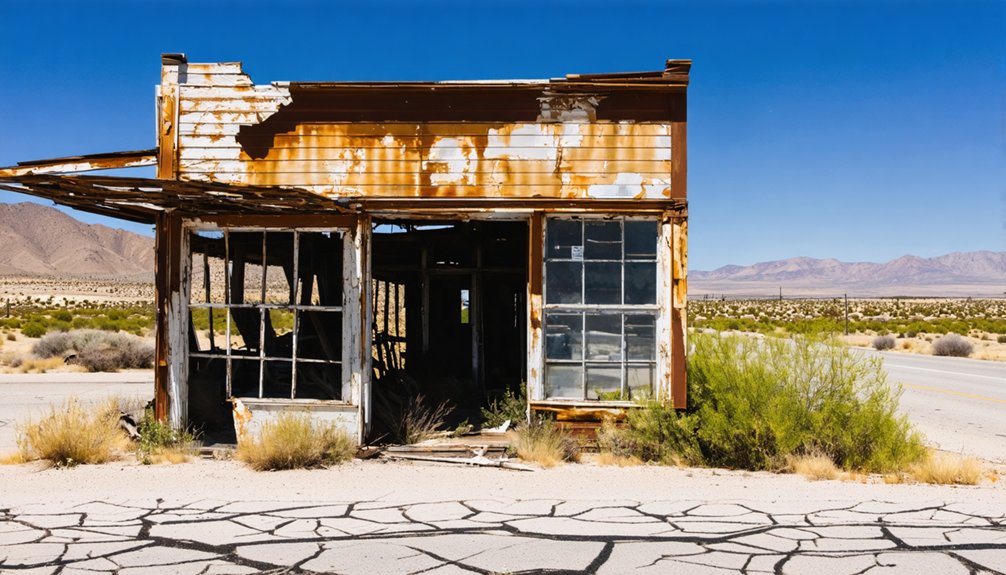
Norristown doesn’t fit the classic ghost town image — no crumbling saloons, no rusted mine equipment, no dramatic desert backdrop — yet it belongs on any serious California ghost town list precisely because of what it reveals. It shows you how Gold Rush California actually worked — chaotic, flood-driven, improvised.
Real people fled Sacramento’s rising waters and built something fast on higher ground along the American River. When the floods receded, they left just as fast. That cycle of crisis and abandonment is authentic cultural heritage, even without visible ruins.
The preservation challenges here are real — urban development has swallowed the site entirely. But that erasure is itself the story. Norristown reminds you that history doesn’t always leave monuments.
Sometimes it just disappears, and that’s worth chasing.
Frequently Asked Questions
Was Norristown Ever Officially Incorporated as a California Municipality?
No, Norristown never achieved official incorporation. It’s an ephemeral settlement that vanished before formal establishment. You won’t find it in historic preservation records, but its ghost town tourism story still captures California’s restless, freedom-chasing Gold Rush spirit.
Did Sam Norris Profit Financially From the Norristown Land Development Attempt?
Like fool’s gold slipping through your fingers, Sam Norris didn’t profit — his land development controversies faded with the floodwaters. Ghost town tourism can’t resurrect what the sources don’t confirm: his financial gain remains historically unclear.
Are There Any Historical Maps Showing Norristown’s Original Layout and Boundaries?
You won’t find detailed maps showing Norristown’s exact layout, but you can explore historical map sources like the David Rumsey Collection for ghost town preservation records that reveal the settlement’s approximate boundaries along the American River.
Did Any Other Sacramento Flood Refugees Establish Similar Settlements Nearby?
Like ripples on a flooded river, refugee community development spread beyond Norristown. You’ll find flood settlement history suggests other displaced Sacramento residents sought higher ground nearby, though none matched Norristown’s brief, documented existence as a named settlement.
Is Norristown Mentioned in Any Gold Rush-Era Diaries or Personal Accounts?
The available sources don’t confirm Norristown’s appearance in gold rush diaries or personal accounts. You’d need to dig deeper into regional archives, where authentic voices and raw personal accounts might reveal this fleeting settlement’s forgotten story.
References
- https://www.facebook.com/californialandmarkfoundation/videos/california-ghost-town-bodie-california-is-one-of-the-best-preserved-boomtowns-fr/1639090977198276/
- https://www.facebook.com/groups/americansouthwest/posts/1406580753304728/
- https://capitolmuseum.ca.gov/state-symbols/gold-rush-ghost-town-bodie/
- https://www.californist.com/articles/interesting-california-ghost-towns
- https://en.wikipedia.org/wiki/Norristown
- https://en.wikipedia.org/wiki/List_of_ghost_towns_in_California
- https://kids.kiddle.co/Norristown
- https://www.instagram.com/p/CwWAZRRSDxI/