Your ghost town road trip to Bingham, Michigan starts with choosing the right one — Leelanau County’s version fits northwest Michigan routes best. You’ll find overgrown foundations, quiet cemeteries, and a town that faded slowly rather than vanished overnight. Pair it with stops at Central Mine or Fayette for a fuller picture of Michigan’s abandoned past. Stick around, and you’ll uncover everything you need to explore these forgotten places safely and meaningfully.
Key Takeaways
- Confirm you’re heading to Bingham in Leelanau County, as Michigan has multiple Bingham townships in different counties.
- Bingham’s ghost town appeal includes overgrown foundations, cemetery records, and oral legends reflecting gradual community decline.
- Expand your route with Central Mine, Fayette Historic Townsite, and Mandan for diverse historical ghost town experiences.
- Stay safe by avoiding hidden mine shafts, deteriorated structures, and overgrown wells while respecting posted property boundaries.
- Visit the Keweenaw National Historical Park Visitor Center and local museums for maps and archives supporting your exploration.
Which Bingham, Michigan Are You Actually Driving To?
Before you load up the car and start chasing ghosts across Michigan’s back roads, you’ll want to nail down exactly which Bingham you’re heading to — because Michigan has more than one. Leelanau County carries a Bingham Township in the northwest, Clinton County holds another, and Huron County claims a third. Each sits in different terrain with different local legends woven into its soil.
Punch the wrong one into your GPS and you’ll burn a half-day heading somewhere that won’t deliver the abandoned structures you came to photograph. For ghost-town purposes, Leelanau County’s Bingham Township fits most naturally into a northwest Michigan route, blending historical settlement traces with scenic rural roads.
Confirm your destination against county maps before you ever turn the key.
What Makes Bingham a Legitimate Ghost Town Destination
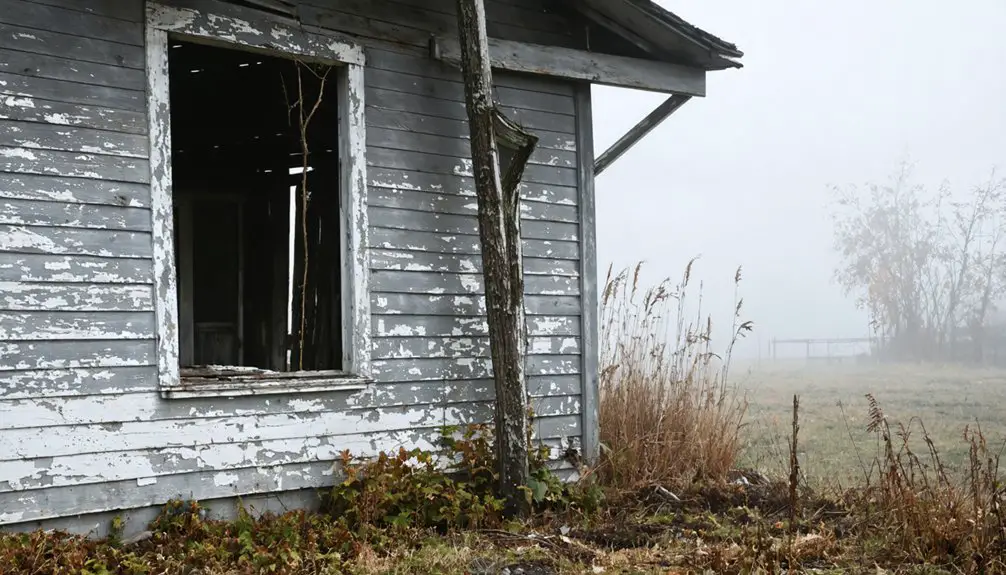
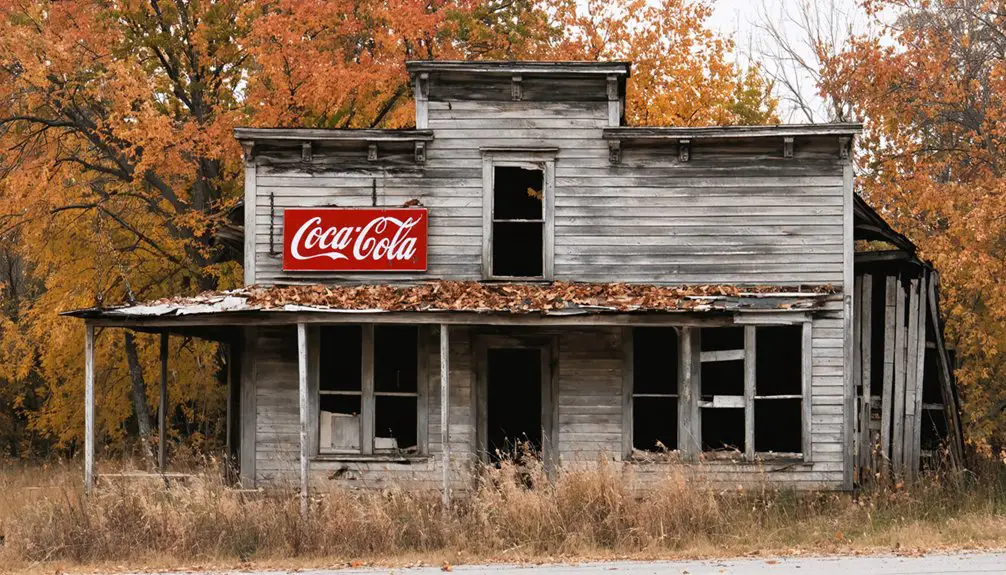
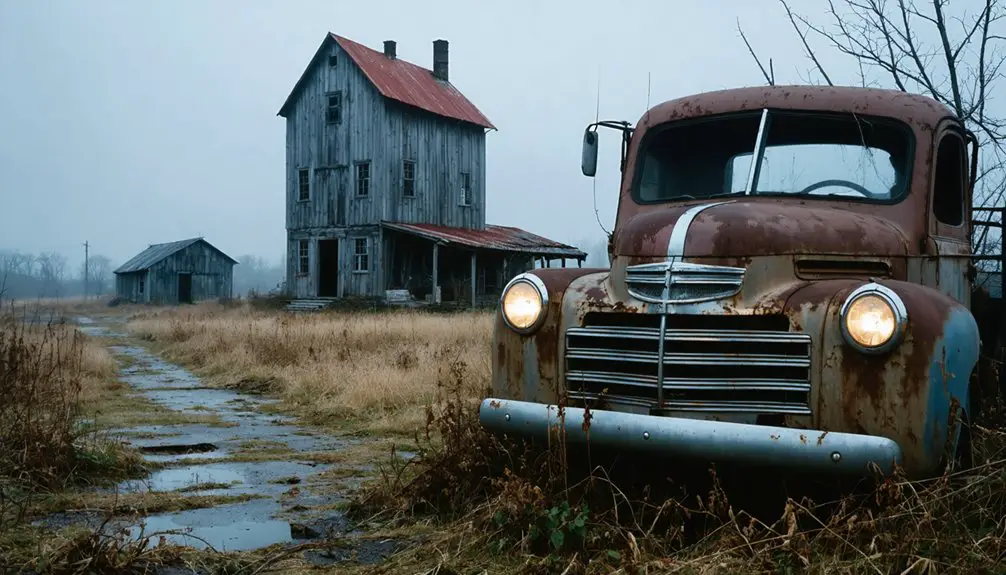
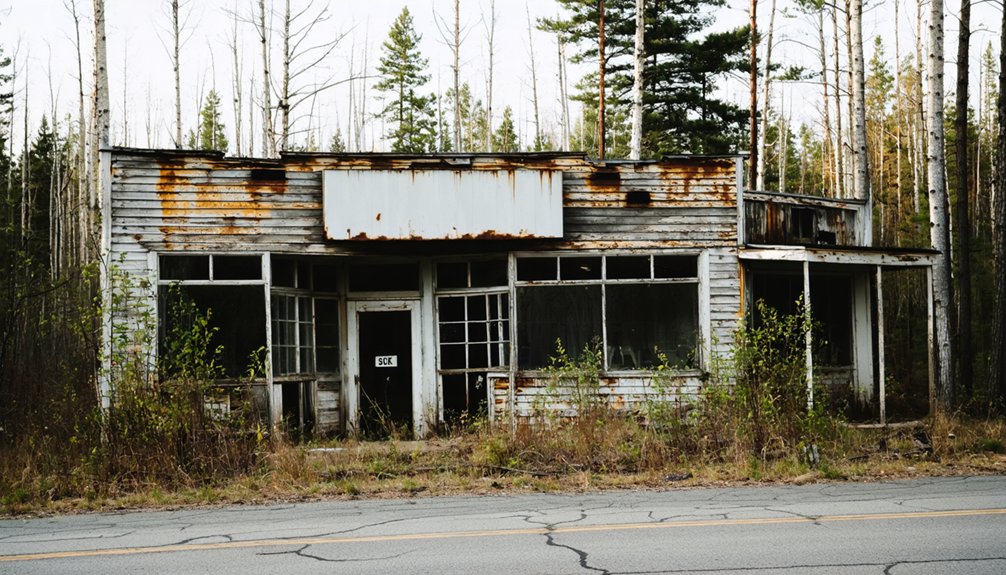
Once you’ve locked in the right Bingham on your map, the next question hits naturally: what actually earns it a spot on a ghost-town itinerary? Bingham isn’t propped up by polished tourist attractions or manufactured nostalgia. It earns its place through something quieter — the slow erasure of settlement life, the kind that leaves behind cemetery records, overgrown foundations, and faded township histories.
You’re tracing a community that contracted rather than collapsed dramatically, which makes the research feel personal and the discovery genuinely yours. Urban legends occasionally circle these forgotten Michigan townships, adding texture to what the county records leave out.
That combination of documented decline and oral mystery is exactly what pulls free-spirited explorers off the main highway and down the rural roads worth remembering.
Ghost Towns Worth Adding to Your Bingham Route
Stretching Bingham into a full road trip means pulling in other Michigan ghost towns that reward the same slow, curious approach. These stops carry local legends and historic landmarks that deepen the story you’re already chasing.
- Central Mine (Keweenaw County) — An 1850s copper settlement with original stone structures still standing, quiet enough to hear the past breathe.
- Fayette Historic Townsite (Garden Peninsula) — A preserved iron-smelting village on Little Bay de Noc, where industrial ambition met a hard shoreline.
- Mandan (Ontonagon County) — A logging-era remnant swallowed by second-growth forest, best explored with county plat maps in hand.
Each stop adds texture without repeating itself, giving your route genuine momentum and honest historical weight.
Private Property, Hidden Shafts, and Safe Site Access
Ghost towns ask something of you before they give anything back: respect for the boundaries that keep them standing. Posted signs aren’t obstacles to your freedom — they’re proof that preservation efforts are actively protecting what little remains. Honor them.
Watch the ground as much as the scenery. Abandoned Michigan mining country hides vertical shafts beneath decades of leaf cover, and overgrown wells swallow the unwary without warning. Deteriorated structures carry their own risks; a photogenic facade can collapse without a sound.
Urban legends draw you deeper into these sites, but curiosity without caution ends road trips early. Contact the Michigan DNR before exploring unfamiliar parcels. Ask locals what’s accessible.
The most rewarding ghost-town visits happen when you move carefully, read the land honestly, and leave everything exactly as you found it.
Museums Near Bingham That Fill In the History
What the land can’t tell you, the museums nearby will. Local legends fade without archives to anchor them, and settlement patterns only make sense once you see the maps, the photographs, the handwritten ledgers.
Three stops deserve your time:
- Houghton County Historical Museum — Connects township histories to broader regional abandonment and migration.
- Carnegie Museum of the Keweenaw — Preserves artifacts and stories from communities that vanished after the mining economy collapsed.
- Keweenaw National Historical Park Visitor Center — Volunteers here interpret townsites with firsthand knowledge you won’t find published anywhere.
You’re not just sightseeing. You’re reconstructing lives. Each museum hands you another piece until Bingham stops being a blank spot on the map and becomes a place people once called home.
Frequently Asked Questions
What Is the Best Time of Year to Visit Bingham?
Like ancient wayfarers, you’ll find late summer’s your sweet spot — seasonal weather stays mild, wildlife viewing peaks, and Bingham’s forgotten roads breathe quietly before autumn’s chill reclaims the landscape you’re itching to explore freely.
Are There Guided Ghost Town Tours Available Near Bingham, Michigan?
You won’t find formal guided ghost town tours near Bingham, but you can explore historical sites freely through Keweenaw National Historical Park volunteers, who’ll breathe life into local legends and awaken your wandering spirit beautifully.
How Long Should You Budget for the Entire Bingham Road Trip?
Time is your open road — budget two to three days for the full Bingham trip. You’ll want breathing room for spontaneous sightseeing stops, manageable fuel costs, and soaking in every forgotten corner Michigan’s rural history quietly holds.
What Should You Pack Specifically for a Michigan Ghost Town Visit?
Pack sturdy boots, water, and a first-aid kit. You’ll want your camera for photography tips on capturing historical artifacts. Don’t forget gloves, a flashlight, and layered clothing — Michigan’s ghost towns reward those who wander prepared and free.
Can Children Safely Participate in a Bingham Ghost Town Road Trip?
Yes, children can join you, but prioritize child safety by skipping crumbling structures. Stick to open fields and historical markers for family activities, letting kids breathe Michigan’s nostalgic rural air freely and curiously.
References
- https://en.wikipedia.org/wiki/List_of_ghost_towns_in_Michigan
- https://en.wikipedia.org/wiki/Bingham_Township
- https://www.youtube.com/watch?v=8iS3ICITc8o
- https://www.visitkeweenaw.com/things-to-do/museums-history/ghost-towns/