Old Patton, Pennsylvania isn’t your typical ghost town — it’s a living relic tucked into Cambria County’s Appalachian ridgelines, shaped by coal mining and clayworks industries that quietly faded away. You’ll find weathered brick facades, shuttered storefronts, and mountain views that carry decades of working-class memory. Approach it slowly, with your windows down, and let the landscape tell its story. There’s far more waiting along this route than most travelers expect to find.
Key Takeaways
- Old Patton, Pennsylvania, sits in Cambria County’s Appalachian Mountains, offering industrial remnants from coal mining, clayworks, and timbering for ghost town explorers.
- Reach Patton from Pittsburgh via US-22 East to PA-36 (2 hours), from Altoona via PA-764 North (under 1 hour), or from Harrisburg via US-322 West (2.5 hours).
- Travel slowly with windows down, researching local history beforehand and mapping scenic, historic routes to fully appreciate Old Patton’s industrial landscape.
- Nearby attractions include Centralia’s underground mine fire, Glendale Lake, and Prince Gallitzin State Park, enriching your road trip with history and outdoor activities.
- Dine at small, unpretentious local restaurants and bars offering regional cuisine and authentic community insight, with no chain restaurants present in Patton.
What Makes Old Patton a Ghost Town Road Trip Stop?
Tucked into the Appalachian Mountains of Cambria County, Patton, Pennsylvania carries the weathered bones of an old clayworks, timbering, and coal mining town that time has largely passed by. You’ll find industrial remnants woven into the landscape, quiet streets that once hummed with labor, and local legends that give the place a particular weight.
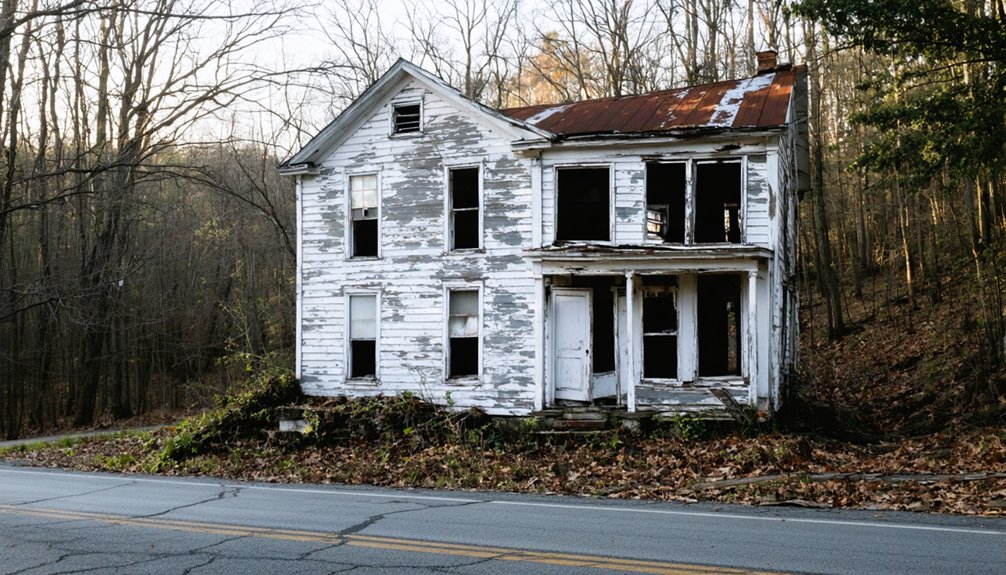
It’s not an abandoned ghost town in the classic sense, but that’s almost what makes it more interesting — it’s a living relic you can actually walk through. Bars, small restaurants, and grocery stores still operate here, so you’ve got a real base for exploring the region.
Glendale Lake and Prince Gallitzin State Park sit just ten minutes away, making Patton a natural anchor for a broader Appalachian heritage road trip.
Patton’s Coal and Clayworks Past: What the History Actually Looks Like on the Ground
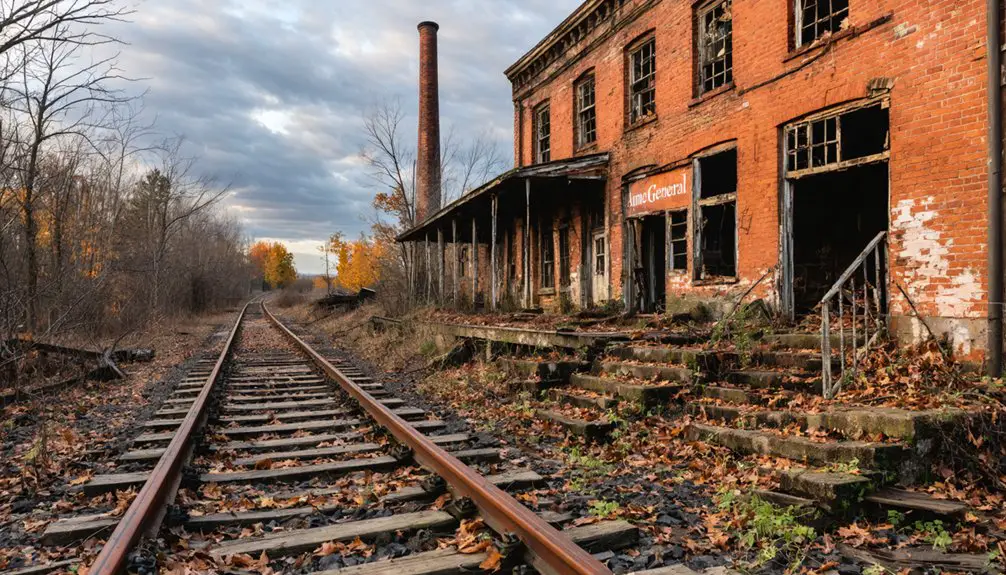
When you walk Patton’s older streets, the industrial past doesn’t announce itself with plaques and visitor centers — it just sits there in the landscape, matter-of-fact and unhurried. You’ll notice it in the building bones, the spatial logic of a town built around extraction rather than tourism.
Patton grew from coal mining and clayworks operations tucked into the Appalachian folds of Cambria County. Industrial decline didn’t erase that framework — it preserved it in amber.
The streets still follow patterns shaped by working people, not planners chasing aesthetics.
Cultural preservation here isn’t a formal project. It’s just what happens when a small town keeps existing without reinventing itself for outsiders. You’re reading the landscape directly, and that’s exactly the kind of road-trip moment worth chasing.
How to Get to Patton From Pittsburgh, Harrisburg, and Altoona
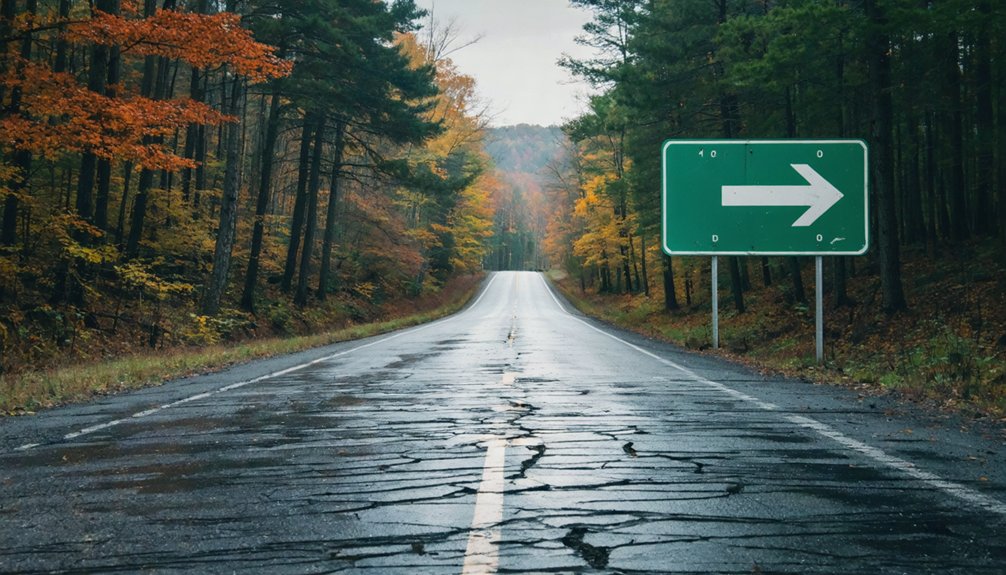
Patton sits close enough to Pittsburgh, Harrisburg, and Altoona that you won’t need to block out a full travel day to reach it. From Pittsburgh, take US-22 East toward Ebensburg, then cut north on PA-36 — you’re looking at roughly two hours through rolling Appalachian terrain.
Patton is an easy reach — Pittsburgh is just two hours east on US-22, then north on PA-36.
From Harrisburg, US-322 West connects you through Centre County before dropping you into Cambria County in about two and a half hours.
Altoona’s your easiest jump — PA-764 North links you to Patton in under an hour.
Each route rewards the drive with glimpses of historic architecture that hints at the industrial ambition this region once carried.
Roll down the windows, drive slow through small towns, and let the local legends you’ve read about start feeling real before you even arrive.
Patton’s Historic Mining Landmarks Worth Stopping For
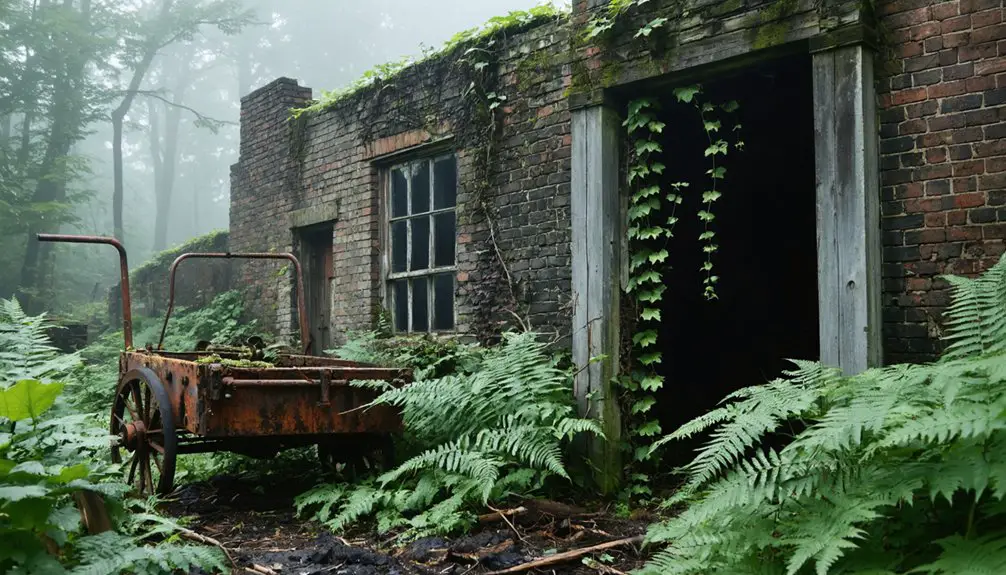
Once you pull into Patton, the town’s coal and clayworks past isn’t something you have to search hard for — it’s built into the landscape itself. Industrial relics anchor nearly every corner, from weathered mine structures to remnants of the old clay operations that once drove the local economy.
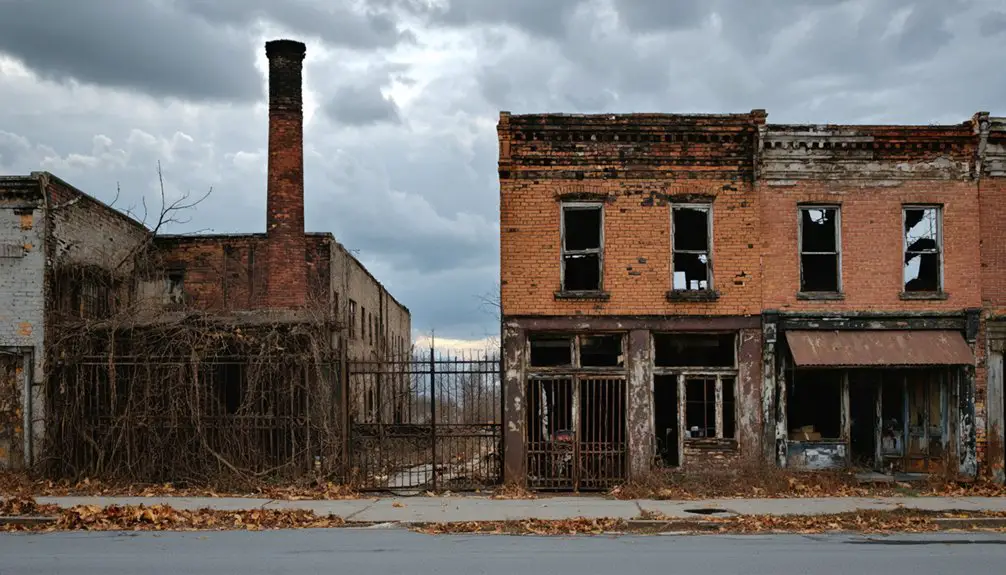
You’ll notice the urban decay not as neglect but as honest evidence of a working Appalachian town that powered a region.
Walk the streets and let the architecture tell the story. Brick facades, shuttered storefronts, and old loading infrastructure remind you that Patton was never just a dot on a map — it was muscle. These landmarks don’t need polish to be worth stopping for. They just need your attention.
Is Centralia Safe to Visit: and Should You Add It to This Route?
Centralia sits about an hour east of Patton, and it’s the kind of place that earns its ghost-town reputation the hard way. A coal mine fire has burned beneath its streets since 1962, swallowing a community that once held 1,000 residents. Today, five people remain.
Urban legends circle the place like smoke, but the real story needs no embellishment. Pennsylvania’s Department of Environmental Protection posts a clear message: “Stay Out – Stay Alive.” Preservation challenges here aren’t about restoring old buildings — they’re about managing an active underground hazard.
If you value your freedom to keep road-tripping, respect that boundary. Add Centralia to your route as a drive-past moment, absorb the weight of what happened, and let that history sharpen your appreciation for Patton’s quieter survival.
Hike and Bike the Trails Near Old Patton Before Moving On
Before you leave the Patton area, the hiking and biking trails nearby deserve at least a morning of your time. These aren’t polished resort paths — they’re old-growth Appalachian routes that carry the weight of local legends, stories passed down from miners and timber crews who worked this same land generations ago.
Glendale Lake and Prince Gallitzin State Park sit roughly ten minutes out, offering trails where you set your own pace and answer to nobody. If your timing lines up with regional cultural festivals, you’ll catch something authentic rather than staged.
The air here smells like pine and coal country history. Ride or walk it slow, take in the ridgeline views, then pack up and carry that feeling into whatever comes next on your route.
Why Glendale Lake and Prince Gallitzin State Park Deserve a Stop
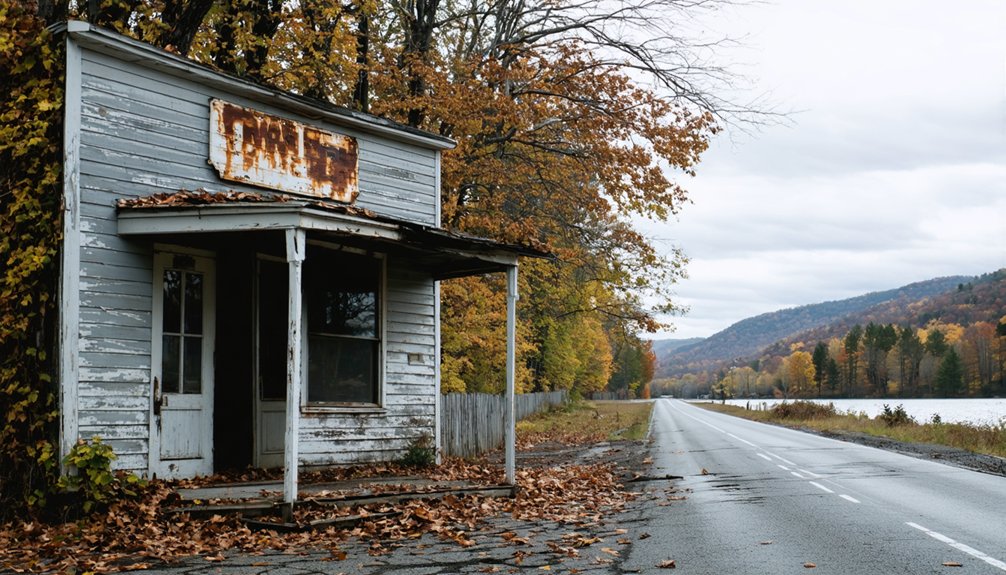
Glendale Lake and Prince Gallitzin State Park sit just ten minutes from Patton, and that short drive punches well above its distance. After absorbing Patton’s industrial history, you’ll appreciate trading coal-dust echoes for open Appalachian scenery that feels genuinely earned.
Pack the afternoon with purpose:
- Glendale Lake stretches across 1,600 acres, offering fishing, boating, and shoreline views that reset your road-trip rhythm.
- Prince Gallitzin’s trails wind through forested ridgelines that showcase the Appalachian scenery this entire region quietly guards.
- Picnic areas near the water give you a slow, unhurried stop before pushing toward your next destination.
You’re not just adding a pretty detour. You’re layering context onto the industrial history you just walked through, making the whole trip feel complete.
Where to Eat in Patton Before Your Ghost Town Drive Continues
Patton keeps its dining scene small and unpretentious, which fits the town perfectly. You won’t find chain restaurants or tourist menus here — just honest local cuisine served without ceremony.
The dining options cluster within walking distance of the main corridor, so you’re never far from a cold drink and a hot plate before hitting the road again.
Small bars double as gathering spots where regulars know each other’s names, and that regional familiarity is part of the experience.
Grab a meal, ask the locals what they know about the area’s coal history, and you’ll leave better fed and better informed.
Patton doesn’t perform for visitors — it simply exists, and that authenticity is exactly what a ghost-town road trip calls for.
Your Two-Day Pennsylvania Ghost Town Road Trip Plan
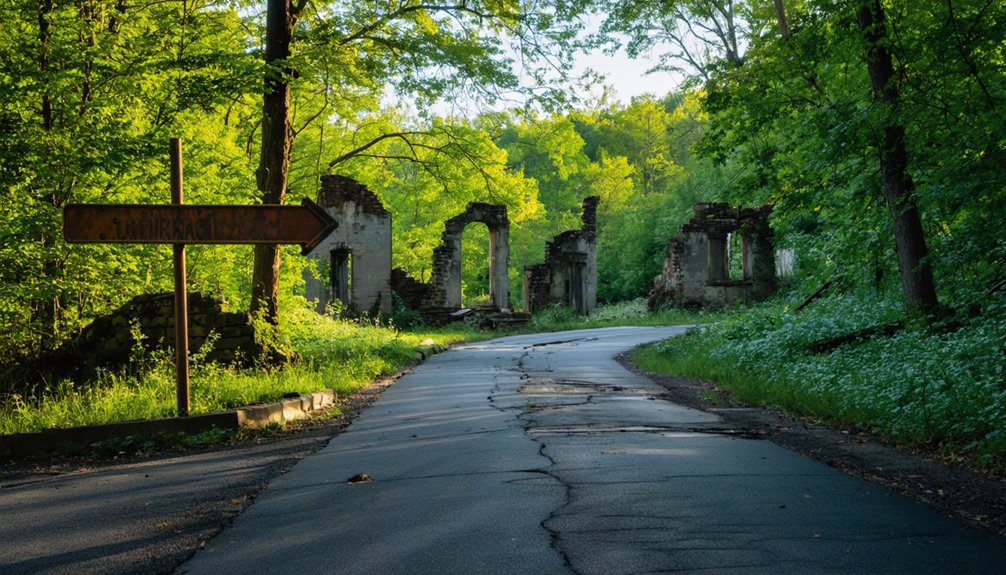
Two days gives you just enough time to thread together the industrial past and haunted edges of central Pennsylvania without rushing any of it. Root yourself in Patton’s industrial heritage first — walk the old streets, absorb the coal-town quiet, then push toward Centralia on day two where scenic landscapes give way to cracked asphalt and eerie silence.
Two days. One coal-town ghost, one burning ground. Central Pennsylvania doesn’t haunt you gently.
- Day 1: Arrive in Patton, explore the borough, eat local, drive out to Glendale Lake before dark
- Day 2: Head east toward Centralia, observe from safe distances, photograph the decay
- Both days: Keep your route loose — freedom lives in the unplanned detour
Pennsylvania rewards the curious traveler who moves slow enough to notice what the mountains remember.
Frequently Asked Questions
What Is the Best Time of Year to Visit Patton, Pennsylvania?
You’ll love visiting Patton in fall, when seasonal weather paints the Appalachian hills gold. Local festivals celebrate the region’s coal heritage, giving you that perfect, freewheeling taste of authentic Pennsylvania mountain culture you’re craving.
Are There Guided Tours Available for Pennsylvania Ghost Town Road Trips?
Guided tours aren’t always available, but you’ll uncover historical landmarks and local legends on your own terms — just like the free spirits who built these towns. Explore Patton and Centralia at your own pace, your way.
What Should You Pack for a Pennsylvania Coal Country Road Trip?
Pack your packing essentials like sturdy boots, layers, and a first-aid kit — coal country’s rugged terrain demands it. Follow travel safety tips: carry cash, maps, and water. You’ll breathe Appalachia’s raw, liberating spirit deeper when you’re truly prepared.
Are Pets Allowed on the Trails Near Patton and Prince Gallitzin State Park?
Your furry trailblazer’s welcome on Prince Gallitzin’s paths — pets are allowed, but leash laws govern trail regulations there. Keep pet safety front of mind; Pennsylvania’s wild hollows demand your dog stays close beside you.
Is There Cell Phone Coverage Along the Ghost Town Road Trip Route?
Cell service along this Appalachian route can be spotty, so don’t count on consistent signal strength in the hollows and hills. Download your maps beforehand — that old-school prep’ll keep you free and moving.
References
- https://en.wikipedia.org/wiki/Centralia
- https://www.youtube.com/watch?v=Qj5LjacccJ0
- https://pabucketlist.com/the-rise-and-fall-of-centralia-pas-toxic-ghost-town/
- https://en.wikipedia.org/wiki/List_of_ghost_towns_in_Pennsylvania
- https://en.wikipedia.org/wiki/Scotia
- https://www.lastudio.org/about/patton-pa
- https://mapcarta.com/22768184