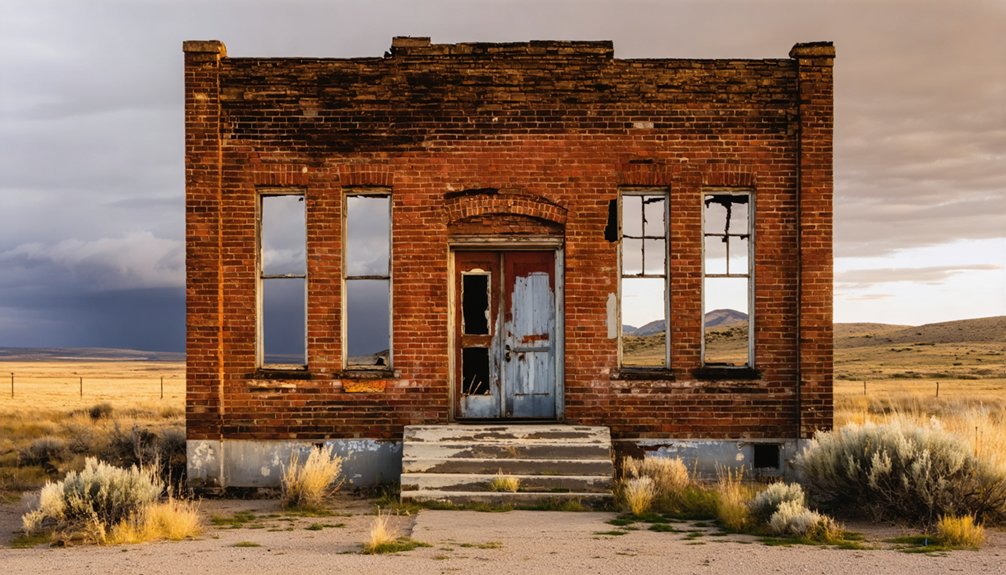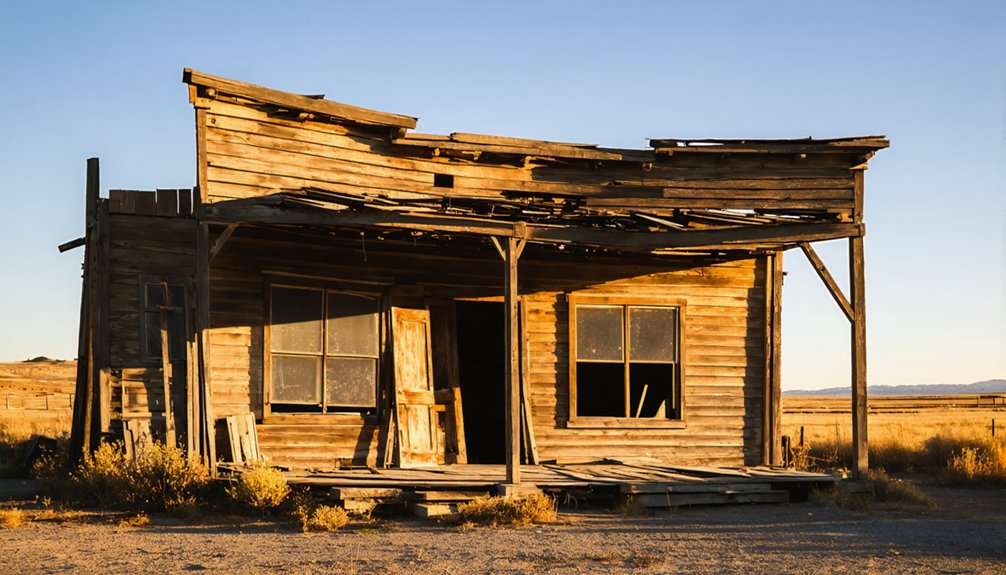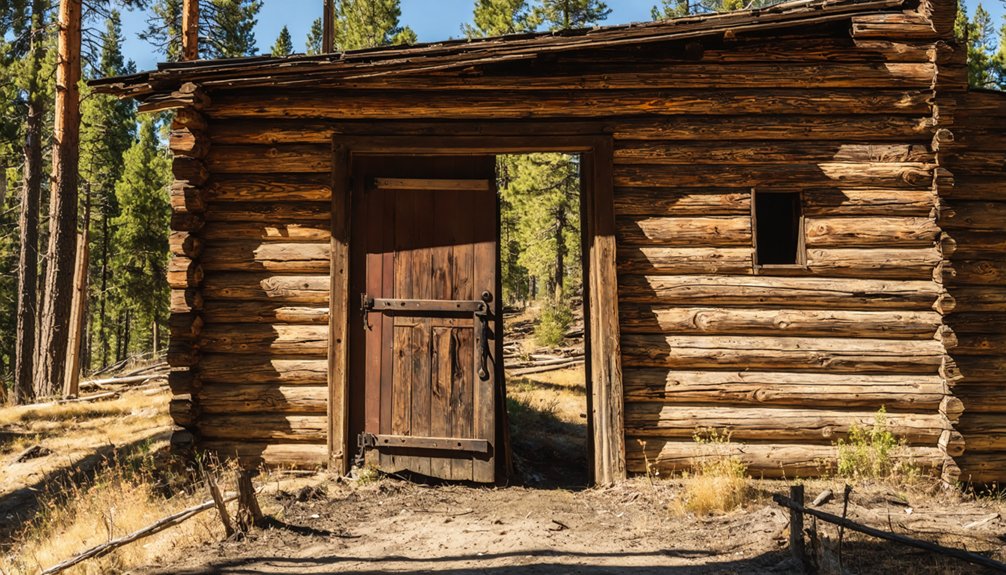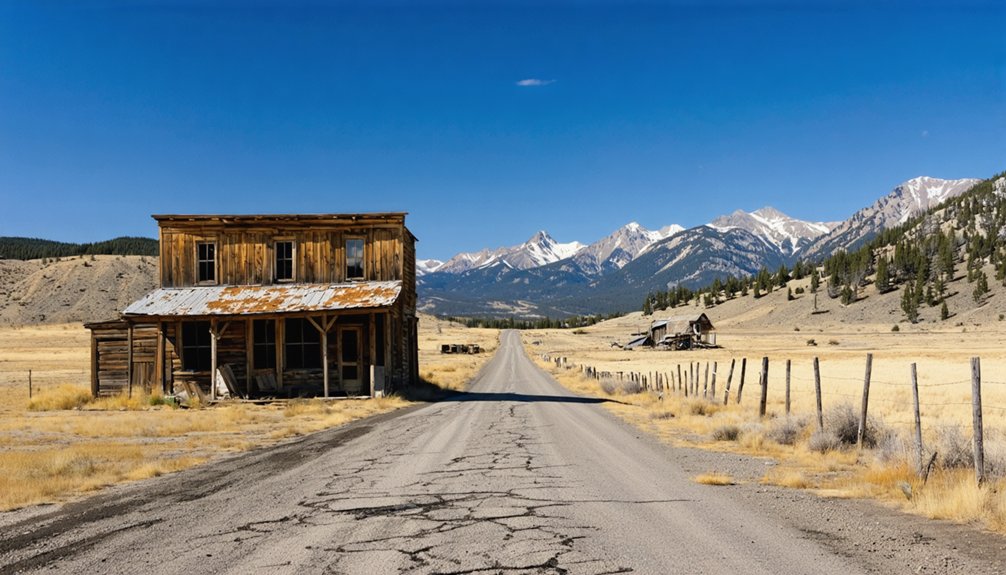
Planning a ghost town road trip to Paradise, Idaho means heading into Adams County’s remote backcountry, where a five-mile wagon road connects Iron Springs and Paradise along Paradise Creek. You’ll walk past stone foundations, weathered wood, and century-old ruins in terrain that’s barely changed since miners abandoned it. Bring sturdy boots, a detailed map, and pack out everything you bring in. There’s far more to uncover about making this journey worthwhile.
Key Takeaways
- Paradise and Iron Springs sit in remote Adams County, Idaho, connected by a historic five-mile wagon road once used by miners and supply teams.
- Visit during spring, summer, or fall; winter travel is discouraged unless you have full backcountry gear and experience.
- Pack sturdy boots, detailed maps, extra water, weather-appropriate layers, and a camera for a safe, rewarding visit.
- Both ghost towns feature stone foundations, weathered structures, and scattered artifacts offering tangible glimpses into Idaho’s mining-era history.
- Combine stops at nearby Adams County ghost towns like Silver City to build a richer, multi-destination road trip itinerary.
Why Paradise, Idaho Rewards the Drive More Than Better-Known Ghost Towns
While Silver City draws the crowds with its documented history and seasonal hotel, Paradise, Idaho offers something rarer: the feeling that you’ve stumbled onto a place the modern world forgot. You won’t find tour buses or souvenir shops here — just standing structures, crumbling foundations, and historical artifacts resting exactly where time left them.
That authenticity comes with responsibility. Trail safety matters on the five-mile wagon road leading through Adams County’s remote terrain, so you’ll want solid boots, a detailed map, and weather awareness before you head out.
What you gain in return is extraordinary: unfiltered access to a vanished world without the filtered, packaged experience that crowds deliver. Paradise doesn’t perform its history — it simply holds it, waiting for explorers willing to make the drive.
Where Paradise and Iron Springs Sit in Adams County
Finding Paradise and Iron Springs means first orienting yourself within Adams County, a stretch of central Idaho terrain that keeps its secrets well. Both communities occupy a rugged corridor where Paradise Creek carves through hillsides dense with local flora — think sagebrush, conifers, and wildflowers that shift color by season.
Iron Springs sits along an old wagon road, with Paradise positioned roughly half a mile below it on Paradise Creek. You’ll cover about five miles of trail connecting the two sites, moving through open country where wildlife encounters aren’t unusual — deer, birds of prey, and smaller mammals frequent these corridors regularly.
Adams County doesn’t advertise these locations loudly, which suits independent travelers perfectly. You navigate on your terms, discovering two forgotten communities tucked into landscape that’s remained largely unchanged for over a century.
How to Walk the Old Wagon Road Into Both Towns
Once you’ve located the old wagon road, you’ll set off on a leisurely five-mile walk that carries you straight into the heart of Adams County’s forgotten history.
You’ll want to keep your map handy, since the trail winds through remote terrain where landmarks can blur together.
Stick to the established path, and you’ll reach Iron Springs first, then drop down half a mile to Paradise sitting quietly along Paradise Creek.
Starting The Wagon Road
The old wagon road into Iron Springs and Paradise isn’t hard to find, but you’ll want your map ready before you set foot on the trail. The route stretches five miles through Adams County, following the same path that once carried miners, supplies, and ambitions into these forgotten communities.
As you begin, you’re stepping into territory rich with local legends and the quiet promise of historical artifacts waiting just ahead. The terrain is manageable, making this walk accessible without sacrificing the feeling of genuine exploration.
You’ll move at your own pace, reading the landscape as it shifts from open trail into the remnants of what was once a bustling, electrified mining settlement. Keep your boots laced tight and your eyes open from the very first step.
Walking five miles along the old wagon road feels less like a hike and more like a slow unraveling of history, each stretch of trail pulling you deeper into Adams County’s forgotten past. You’ll pass through shifting terrain, moving from open meadows into shaded corridors where Iron Springs and Paradise once hummed with electric lights and commerce.
Pace yourself deliberately. Mining history reveals itself gradually here — a foundation emerging through brush, a collapsed wall reclaimed by moss. You’re reading a landscape, not rushing through it.
Preservation ethics demand you stay on established paths, protecting fragile ground beneath your boots. Watch for posted signs marking active claims or restricted zones. Bring your map, trust your instincts, and let curiosity guide each deliberate step toward Paradise Creek.
Reaching Iron Springs And Paradise
Arriving at Iron Springs feels like crossing a threshold — the wagon road deposits you into a clearing where foundations push up through the earth like memories refusing to stay buried. What once supported 25 homes, a hotel, saloons, and stores now exists as stone outlines reclaimed by grass and silence. Walk carefully here; historical preservation depends on your footsteps staying on established paths.
Continue half a mile downhill along Paradise Creek, and you’ll reach Paradise itself. A few structures still stand, defying decades of heavy snow and weathering. Watch for wildlife encounters along this stretch — deer and other animals frequent the creek corridor. Keep your camera ready and your movements quiet.
You’re moving through living history, and everything here deserves your full, unhurried attention.
What’s Still Standing at Paradise and Iron Springs Today
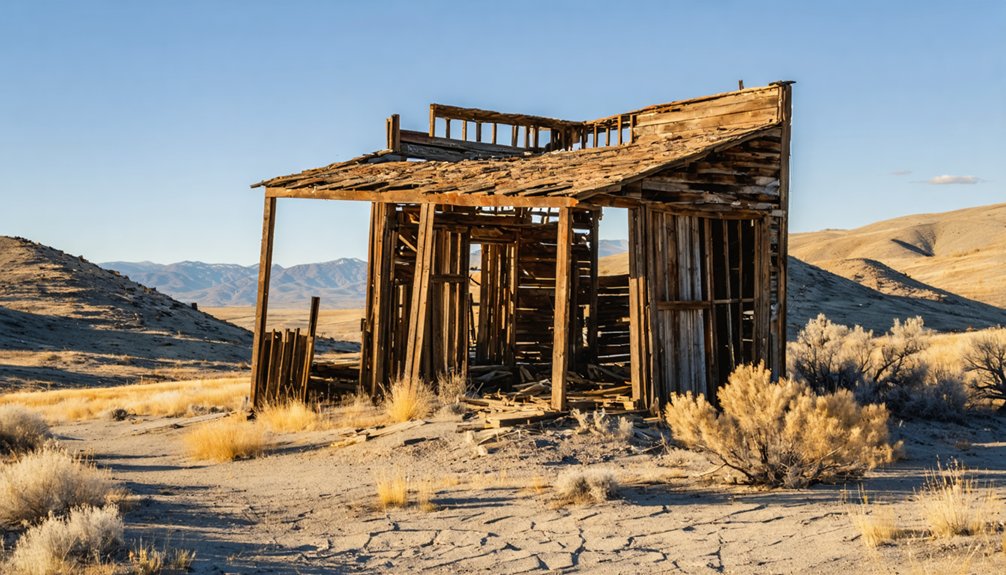
When you arrive at Iron Springs, you’ll find that most of what’s left are foundations, though a few structures still manage to stand despite decades of harsh winters and neglect.
Half a mile below on Paradise Creek, Paradise tells a similar story — snow and weather have flattened most buildings, yet some remain upright, offering a tangible glimpse into the town’s past.
Walking between both sites, you’ll piece together the layout of these once-thriving communities through the scattered ruins and quiet outlines etched into the landscape.
Iron Springs Remaining Structures
What remains of Iron Springs and Paradise today tells a quiet, weathered story of ambition cut short. You’ll find mostly foundations where homes, saloons, and stores once hummed with activity.
The Iron Springs Mining Company poured resources into this remote Adams County location, yet the earth never delivered the riches promised.
Despite decades of harsh winters and neglect, some structures still stand, offering tangible connections to the region’s mining history. Walking among these remnants, you’ll feel the weight of dreams abandoned mid-stride.
Preservation ethics matter deeply here. Don’t touch or remove anything — even fragments that seem insignificant contribute to the site’s historical integrity. Every crumbling wall and scattered foundation deserves your respect, ensuring future adventurers experience the same raw, unfiltered glimpse into Idaho’s forgotten past.
Paradise Creek Standing Buildings
Half a mile below Iron Springs, Paradise still holds a few standing structures above Paradise Creek — quiet survivors of a town that never got its chance. Unlike Iron Springs, where mining techniques never delivered the promised ore, Paradise at least grew into a functioning community before the elements slowly reclaimed it.
Snow and harsh winters flattened most buildings over the decades, but what remains standing rewards the curious traveler. You’ll walk among weathered wood and stone foundations that tell a story no museum can replicate.
Historic preservation efforts depend entirely on visitors like you — people who explore responsibly, stay on established paths, and leave everything untouched.
Bring your camera, respect the silence, and let Paradise speak for itself. It’s earned that much.
Foundations And Physical Remains
Though time has been relentless at both Iron Springs and Paradise, enough physical evidence survives to make the five-mile walk feel genuinely worthwhile. You’ll find foundations scattered across both sites, stone outlines that once anchored homes, saloons, and stores during Iron Springs’ brief electric-powered era.
Paradise reveals a few standing structures along Paradise Creek, survivors of decades of heavy snow and harsh winters that flattened most of the townsite.
As you explore, mining history speaks through every crumbling wall and overgrown cellar hole. You’re walking through irreplaceable evidence of Idaho’s boom-and-bust past, so preservation ethics matter here.
Stick to established paths, photograph freely, but leave everything exactly as you find it. These remnants belong to history, not to any individual visitor passing through.
When to Visit Paradise, Idaho for the Best Conditions
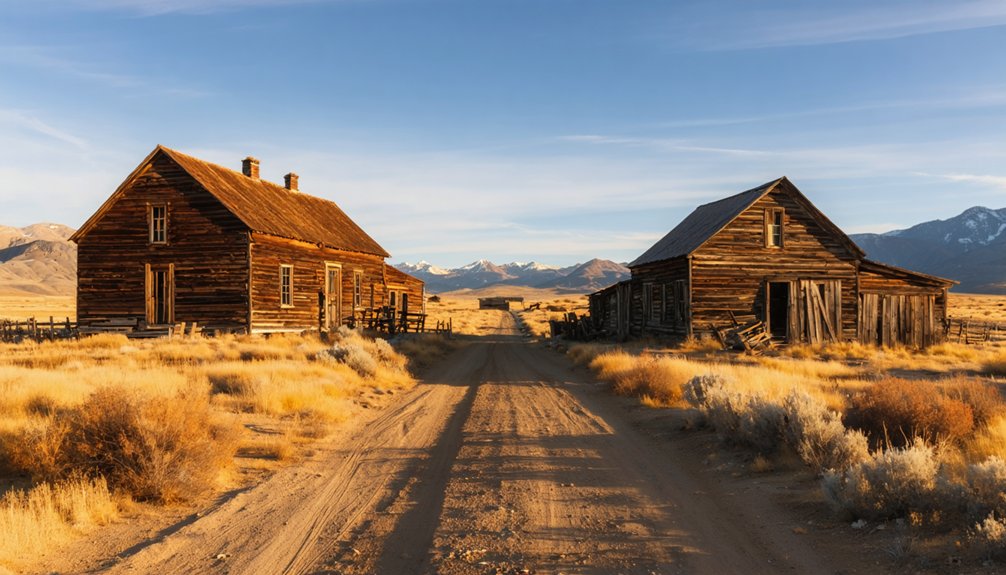
Timing your visit to Paradise, Idaho can make the difference between a rewarding adventure and a frustrating one. Cool winters bring heavy snow, making the wagon road nearly impassable, so you’ll want to plan around better conditions:
- Spring opens trails after snowmelt, revealing fresh landscapes.
- Summer offers warm temperatures and long daylight hours for exploration.
- Fall delivers crisp air and stunning foliage along Paradise Creek.
- Avoid winter unless you’re equipped for serious backcountry conditions.
- Check forecasts before departing, as mountain weather shifts quickly.
Visiting during ideal seasons supports both historical preservation and environmental conservation by reducing weather-related damage from unprepared visitors. You’ll move more freely through the site, document remnants properly, and leave without compromising the fragile surroundings that make Paradise worth protecting.
What to Pack for the Five-Mile Trail Into Paradise
Preparing the right gear before you set out on the five-mile wagon road into Paradise can mean the difference between a confident hike and a miserable one. Sturdy hiking boots protect your ankles on uneven terrain, while a detailed map keeps you oriented through remote Adams County backcountry.
Trail safety demands you carry extra water, snacks, and weather-appropriate layers, since conditions can shift quickly between seasons. Pack a camera to document historical artifacts without disturbing them — touching or removing objects is strictly prohibited.
Check posted signs along the route, as active mining claims may restrict certain areas. Proper trash disposal is non-negotiable; pack out everything you bring in. A lightweight daypack keeps your hands free and your adventure unencumbered.
What You’re Not Allowed to Do at Paradise and Iron Springs
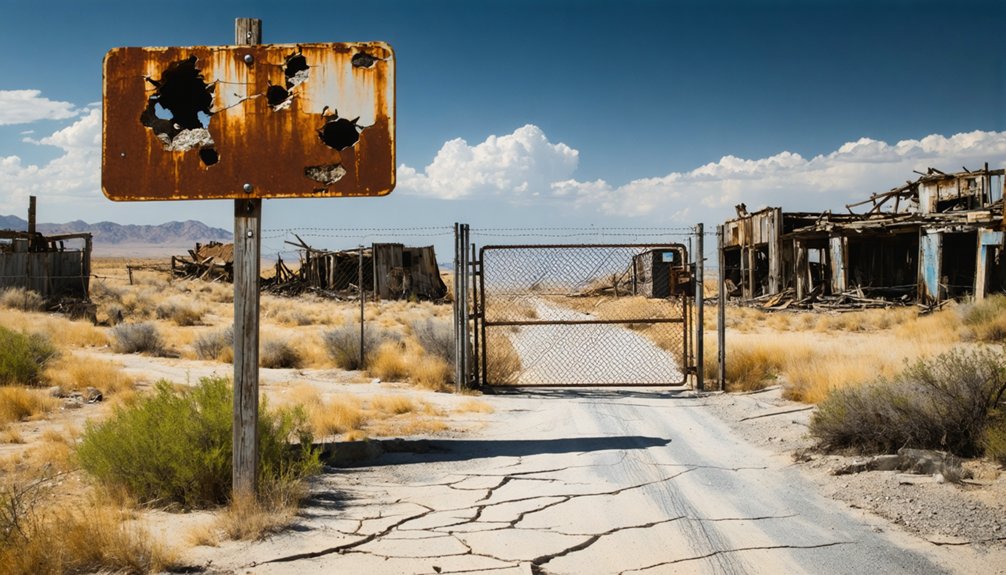
Visiting Paradise and Iron Springs comes with clear rules that protect these fragile, irreplaceable sites for future explorers. Cultural preservation depends on every visitor making responsible choices in the field.
Every visit to Paradise and Iron Springs carries responsibility — fragile history depends on the choices you make in the field.
Here’s what you’re not allowed to do:
- Remove or touch artifacts – Every object stays exactly where it is
- Stray from established paths – Trail erosion destroys what time hasn’t yet claimed
- Ignore posted signs – Active mining claims exist, and trespassing carries real consequences
- Leave trash behind – Pack out everything you packed in
- Disturb wildlife encounters – Animals share this remote landscape; keep a respectful distance
You’re free to explore, photograph, and absorb history here, but true freedom means leaving everything intact for whoever follows your footsteps next.
Can You Combine Paradise With Other Ghost Towns on the Same Trip?
Since Paradise and Iron Springs already sit within Adams County’s backcountry network, you can realistically build a multi-stop ghost town itinerary without dramatically extending your travel time.
Silver City, Idaho’s most celebrated site, makes an exceptional addition given its extraordinary historical significance — it shaped Idaho Territory’s earliest identity and still retains standing structures from the 1860s.
Pairing these destinations rewards curiosity while deepening your understanding of how mining economies rose and collapsed across the region.
As you move between sites, carry your preservation ethics with you. Every location deserves identical respect — no removing artifacts, no straying off established paths, no ignoring posted signs.
You’re fundamentally threading together chapters of the same story, and traveling deliberately ensures future adventurers can read those chapters too.
Frequently Asked Questions
Are There Restroom Facilities Available Along the Wagon Road Trail?
There’s no restroom availability along the wagon road trail, so you’ll need to plan ahead. Pack out what you pack in, and prioritize trail cleanliness to preserve this wild, free, historically rich Idaho landscape for future adventurers.
Is Cell Phone Service Available Near Paradise and Iron Springs?
Connectivity’s completely compromised out there — don’t count on cell service near Paradise and Iron Springs. You’ll embrace true freedom without connectivity options, so download offline maps, inform someone of your plans, and enjoy disconnecting from the digital world!
Can Visitors Camp Overnight Near Paradise or Iron Springs Legally?
The knowledge base doesn’t confirm legal overnight camping near these historical landmarks. You’ll want to check with Adams County authorities before setting up camp, but you’re sure to enjoy incredible wildlife viewing during your adventure!
Are Pets Allowed on the Trail Leading to Paradise?
On the fence about bringing your pet? The available knowledge doesn’t specify trail regulations, so check locally before heading out. Always prioritize pet safety, keep them leashed, and respect the trail and fellow explorers.
Is the Wagon Road Accessible to Visitors With Mobility Limitations?
The wagon road doesn’t offer specific accessibility features or mobility assistance equipment. You’ll navigate a five-mile trail, so it’s best to consult local rangers beforehand to guarantee your adventure aligns with your mobility needs.
References
- https://outerrealmz.com/the-amazing-ghost-towns-of-central-idaho/
- https://www.youtube.com/watch?v=rTSZSlxTmbs
- https://visitidaho.org/things-to-do/ghost-towns-mining-history/
- https://www.onlyinyourstate.com/experiences/kentucky/ghost-town-ky
- https://en.wikipedia.org/wiki/List_of_ghost_towns_in_Idaho
- https://www.ghosttowns.com/states/id/ironsprings.html