Planning a ghost town road trip to Providence, California means heading south of Mitchell Caverns State Park near Essex off Interstate 40. You’ll need a 4WD vehicle to handle deep, shifting desert sand, plus sturdy boots for the one-mile hike to the ruins. Visit in fall, winter, or spring to dodge dangerous summer heat. Providence rewards the prepared traveler with silver mining history and raw Mojave beauty — and there’s far more to discover ahead.
Key Takeaways
- Visit during fall, winter, or spring to avoid dangerous summer heat and enjoy ideal photography and exploration conditions.
- Access requires a 4WD vehicle to navigate deep, shifting sandy roads south of Mitchell Caverns State Park near Essex.
- After the road ends, a one-mile hike through Mojave desert flora leads to the historic ruins.
- Explore remnants of the Bonanza King Mine, including standing walls, dugouts, and foundations showcasing silver mining history.
- Extend your trip using the East Mojave Heritage Trail to visit nearby ghost towns like Essex, Camp Essex, and Camp Clipper.
What Makes Providence, California Worth the Trip?
Tucked into the east slope of the Mojave Desert’s Providence Mountains, the ghost town of Providence, California offers something most roadside attractions can’t — a genuine sense of discovery. You’ll find building frames, stone walls, dugouts, and foundations left behind from an 1880s silver rush that pulled over a billion dollars from the earth.
No crowds, no guardrails, no gift shops — just raw desert history on your terms. Desert flora frames the ruins with rugged beauty, while local wildlife reminds you that nature has quietly reclaimed what miners abandoned.
The surrounding landscape connects to the East Mojave Heritage Trail, putting even more exploration within reach. If you crave adventure without the hand-holding, Providence delivers exactly that kind of unfiltered, off-the-beaten-path freedom.
When To Visit This Mojave Ghost Town
Knowing what’s waiting at Providence makes the trip worth planning carefully — and timing your visit right is where that planning starts. Winter, spring, and fall give you the best conditions for tackling that sandy dirt road and hiking the final mile to the ruins.
Time your visit right — winter, spring, and fall offer the best conditions for reaching Providence’s ruins.
Spring is especially rewarding — local flora blooms across the Mojave, adding vivid color to an already dramatic landscape.
Summer’s brutal heat makes the desert dangerous, so skip it entirely.
Fall delivers crisp air and golden light that photographers love, and clear desert nights open up stunning opportunities for night photography among the abandoned frames and foundations.
Whatever season you choose, check weather conditions beforehand since temperature swings and road conditions can shift your plans fast.
How To Get To Providence Ghost Town
Getting to Providence requires some preparation, but the route is straightforward once you know what to expect. Head south of Mitchell Caverns State Park off Interstate 40 near Essex, and you’ll find the sandy dirt road leading toward the site.
You’ll need a 4WD vehicle — standard cars will get stuck in the deep sand. The road eventually ends, leaving you with a rewarding one-mile hike to the ruins.
That hike is worth every step. Keep your eyes open for local wildlife like desert lizards and birds that now claim this abandoned landscape.
Bring your camera and apply basic photography tips — morning light dramatically enhances the textures of crumbling walls and foundations.
Stop by Mitchell Caverns or a BLM office for precise directions before heading out.
Do You Really Need a 4WD Vehicle for This Road?
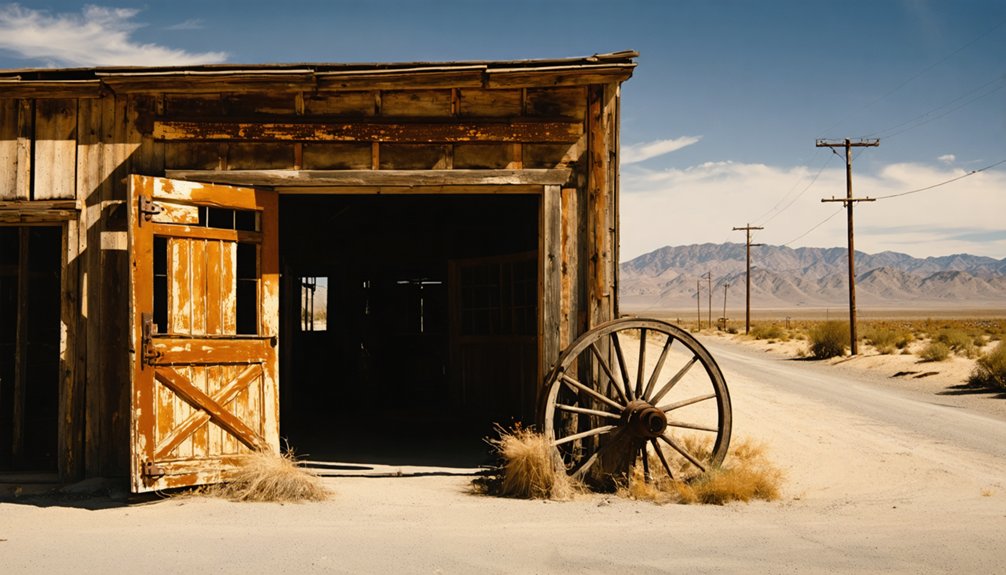
The sandy dirt road leading to Providence Ghost Town isn’t your typical backcountry trail — it’s the kind that swallows low-clearance vehicles whole. You’ll need a 4WD vehicle to power through the loose, deep sand that makes this approach genuinely treacherous for standard cars.
Once the road ends, you’re on foot for roughly a mile, so factor that hike into your plans before you head out.
Sandy Road Challenges
Before you load up the car and head out to Providence, you’ll want to know what you’re actually dealing with on that approach road — and it’s not your average dirt path. The sand here runs deep, shifting under tires in ways that’ll strand a standard vehicle fast. Without 4WD, you’re not making it through.
The road does eventually end, leaving you with a rewarding one-mile hike to the ruins. That walk pushes you through classic Mojave desert flora — scrubby Joshua trees, creosote, and sun-bleached brush — and wildlife spotting opportunities are real here, so keep your eyes open.
The isolation feels earned once you arrive. Go prepared, move at your own pace, and the desert rewards you with something most travelers never see.
When 4WD Matters
If you’re debating whether a 4WD vehicle is truly necessary for reaching Providence, the sandy approach road settles that debate fast. Standard two-wheel-drive vehicles sink and stall in deep desert sand, leaving you stranded miles from help. Off road safety demands you arrive prepared, not hopeful.
Before heading out, prioritize vehicle maintenance — check tire pressure, fluid levels, and recovery gear. Properly inflated tires with good tread grip shifting sand far better than neglected ones. Carry a shovel and traction boards as backup.
Your 4WD system actively transfers power where traction exists, keeping forward momentum when the road fights back. The freedom to explore remote ghost towns like Providence starts with choosing the right vehicle before you ever leave pavement.
What You’ll Find at the Providence Ghost Town Ruins?
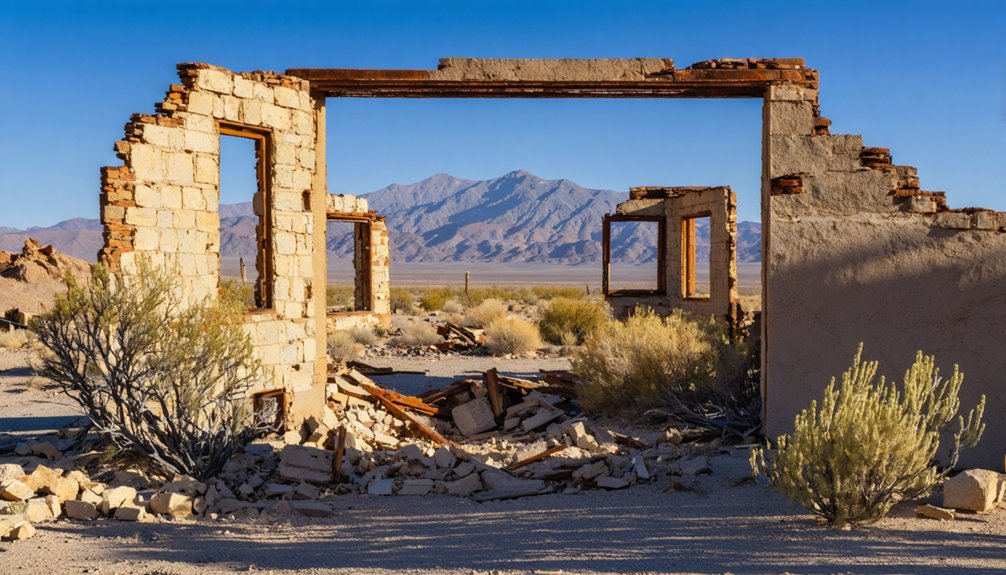
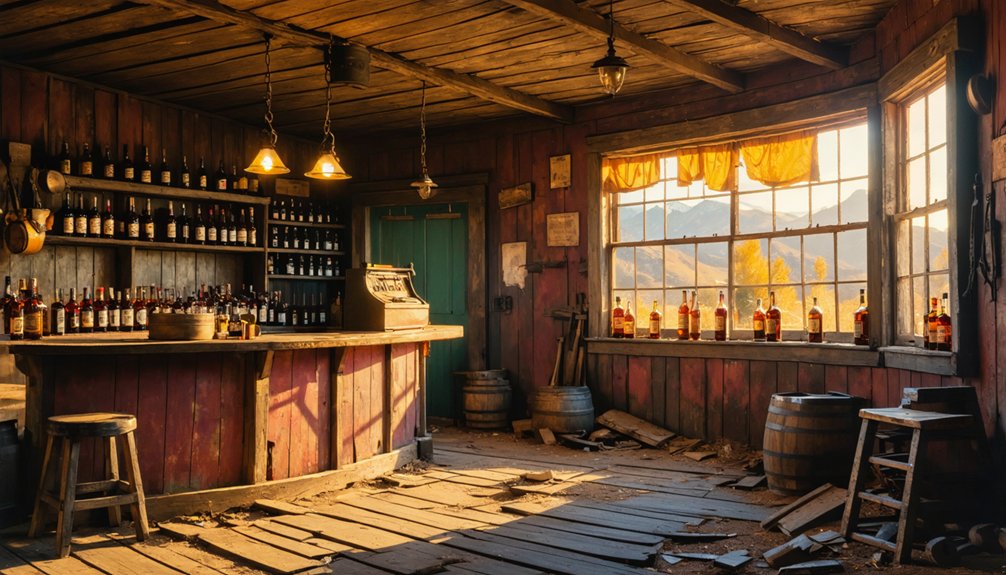
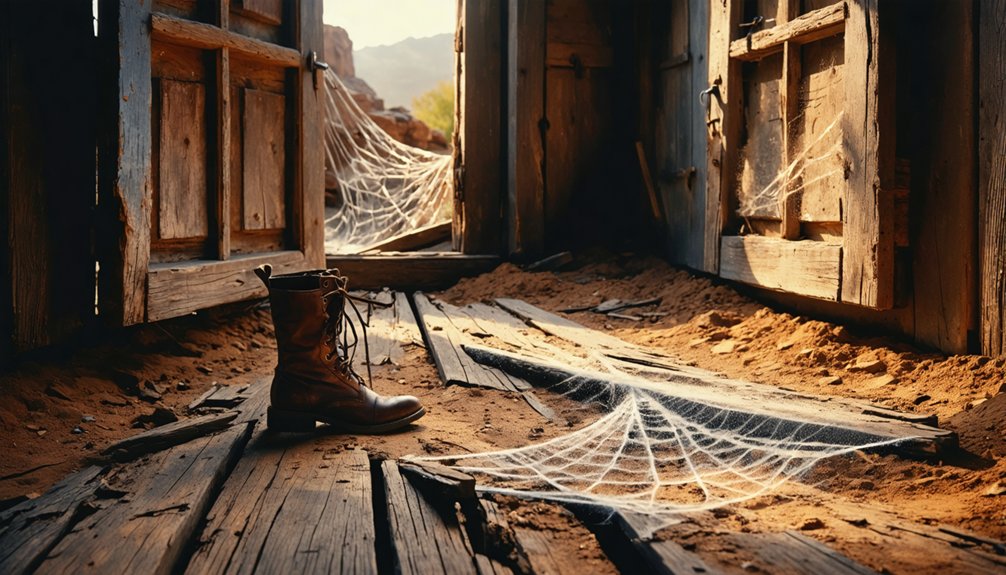
Once you’ve made the trek across the sandy road and hiked that final mile on foot, you’ll discover a hauntingly beautiful snapshot of 19th-century mining life frozen in time. The preserved structures and mining artifacts scattered across the site tell stories of ambition, silver, and survival.
Here’s what awaits you:
- Building frames and walls — skeletal remains standing defiantly against desert winds
- Dugouts and foundations — carved directly into the earth by determined miners
- The legendary Bonanza King Mine remnants — where silver fortunes were built and lost
- Scattered evidence of 1980s revival attempts — proof that hope dies hard
Restoration efforts are currently underway, meaning each visit captures history at a unique moment. You’re not just sightseeing — you’re witnessing living preservation.
Historic Ghost Town Sites Near Providence, California
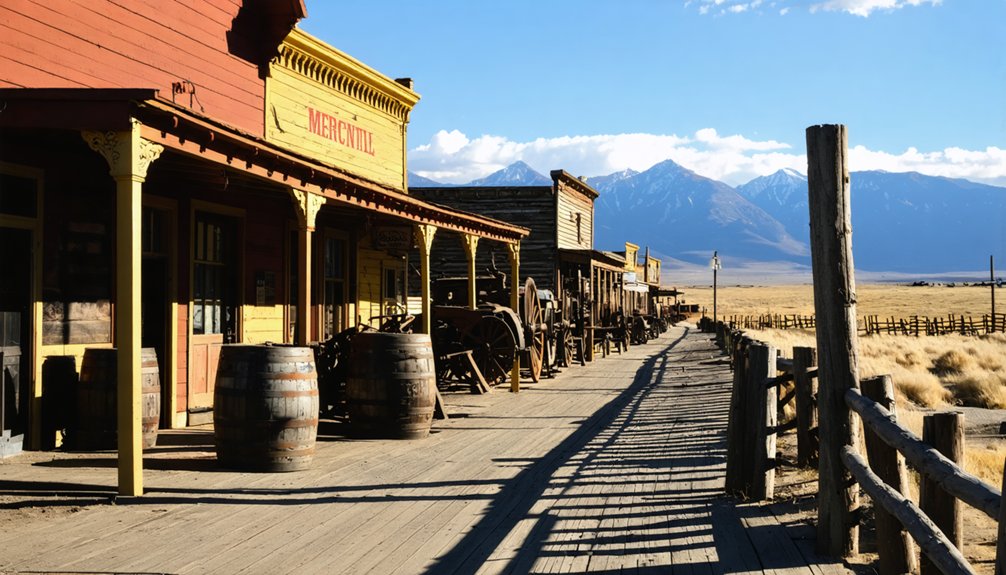
Providence doesn’t stand alone in its ghost town glory — the surrounding Mojave Desert is peppered with historic sites that make this road trip an absolute treasure hunt. You’ll find the Town of Essex and nearby Camp Essex and Camp Clipper waiting to reward curious explorers with layered mining history and wartime stories.
The Mojave Desert is peppered with historic sites that make this road trip an absolute treasure hunt.
The East Mojave Heritage Trail connects these destinations seamlessly, weaving you through rugged desert flora — creosote, Joshua trees, and wildflowers — that frame each historic stop beautifully.
Providence Mountain State Recreation Area sits immediately south, offering stunning geological context alongside the human drama of boom-and-bust silver mining.
Together, these sites create a rich, interconnected narrative across the landscape. Pack your maps, fuel up, and let the Mojave reveal its secrets mile by mile.
Where To Get Directions, Maps, and Ranger Contacts
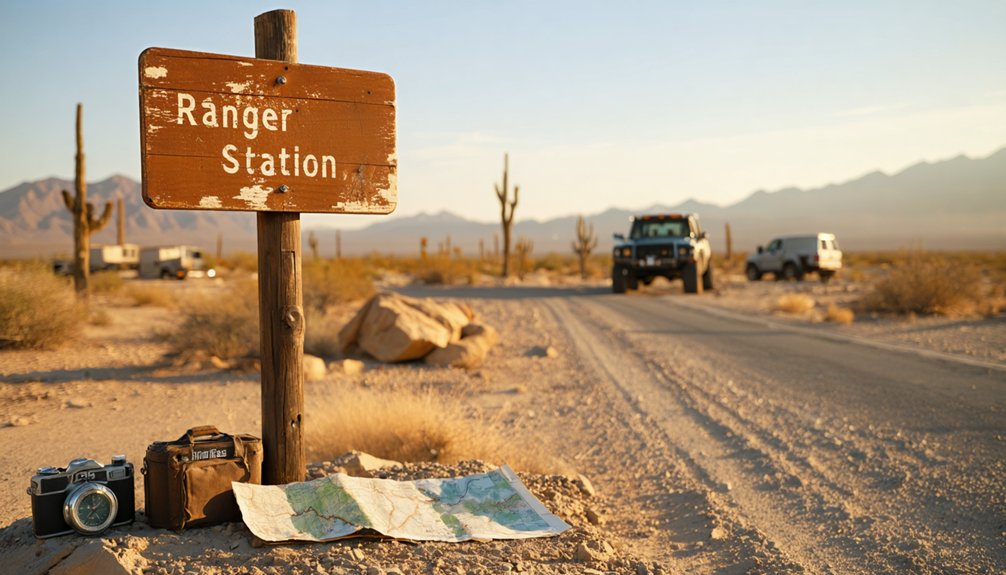
Before you head out into the Mojave, you’ll want solid directions and reliable contacts locked down — because sandy roads and desert heat leave little room for guesswork.
These resources will keep your adventure on track:
- Mitchell Caverns State Park Rangers — Your best source for precise directions, local flora identification, and wildlife sightings along the route.
- Bureau of Land Management Offices — Official maps and access guidelines that protect both you and the land.
- Providence Mountain Recreation Area — Stop here first to assess road conditions and seasonal trail updates.
- East Mojave Heritage Trail Maps — Connects historic mines and helps you navigate confidently through the desert’s raw, untamed terrain.
Don’t skip these contacts — they’re the difference between discovery and getting stranded.
Frequently Asked Questions
What Silver Mines Operated at Providence Ghost Town?
You’ll discover that Providence’s silver extraction history centers on two key mines: the Bonanza King and the Vulcan Mine. These operations defined the town’s mining history, producing over a billion dollars’ worth of silver between 1880 and 1886.
Can You Visit Providence Ghost Town in Summer?
Like a furnace with no off switch, summer weather turns the Mojave brutal. You *can* visit, but you’ll dodge scorching heat rather than tourist crowds — stick to winter, spring, or fall for freedom-filled exploration.
When Did Providence, California First Open a Post Office?
You’ll find that Providence opened its post office by 1882, after miners struck incredible wealth steeped in local legends. The historical architecture thriving around you reflected a boomtown that’d already pulled over a billion dollars in silver!
Have There Been Recent Attempts to Revive Providence Mining Operations?
Just as silver hit $50/ounce in 1980, you’d think fate smiled on Providence — but revival attempts failed. Today, historical preservation and tourism development drive the site’s renewed purpose, rekindling its spirit without restarting its mines.
Are Restoration Efforts Currently Underway at the Providence Ghost Town Site?
Yes, restoration efforts are actively underway at Providence! You’ll find crews tackling preservation challenges to protect haunted legends embedded in crumbling walls, dugouts, and frames — breathing life back into this freedom-seeker’s desert treasure.
References
- https://en.wikipedia.org/wiki/Providence
- http://harryhelmsblog.blogspot.com/2008/04/ghost-town-of-providence-california.html
- https://www.ghosttowns.com/states/ca/providence.html
- https://www.youtube.com/watch?v=lfhF_UQ2jBI
- https://www.youtube.com/watch?v=HhZumxWLkBU