Planning a ghost town road trip to Bonanza, Idaho means stepping into a raw, unfiltered relic of the 1877 gold rush. You’ll explore weathered buildings left largely untouched, with no guided tours or gift shops in sight. Founded along the Yankee Fork River, Bonanza once housed over 600 residents before two fires wiped it nearly off the map. Pair it with nearby Custer and the Yankee Fork Gold Dredge for a full day of history — everything you need to know is just ahead.
Key Takeaways
- Bonanza Ghost Town is best visited between late June and early October due to weather and seasonal road closures in central Idaho.
- Access Bonanza via Highway 75 from Stanley, then take Yankee Fork Road, preparing for mountain driving and limited cell service.
- The site is privately owned but open for free public exploration, with no tours, gift shops, or guided experiences available.
- Pair your visit with nearby Custer, the Yankee Fork Gold Dredge, and other ghost towns along the Scenic Byway.
- Pack emergency supplies, fuel up before arriving, and check road conditions, as the remote location offers few nearby services.
What’s Left to See at Bonanza Ghost Town?
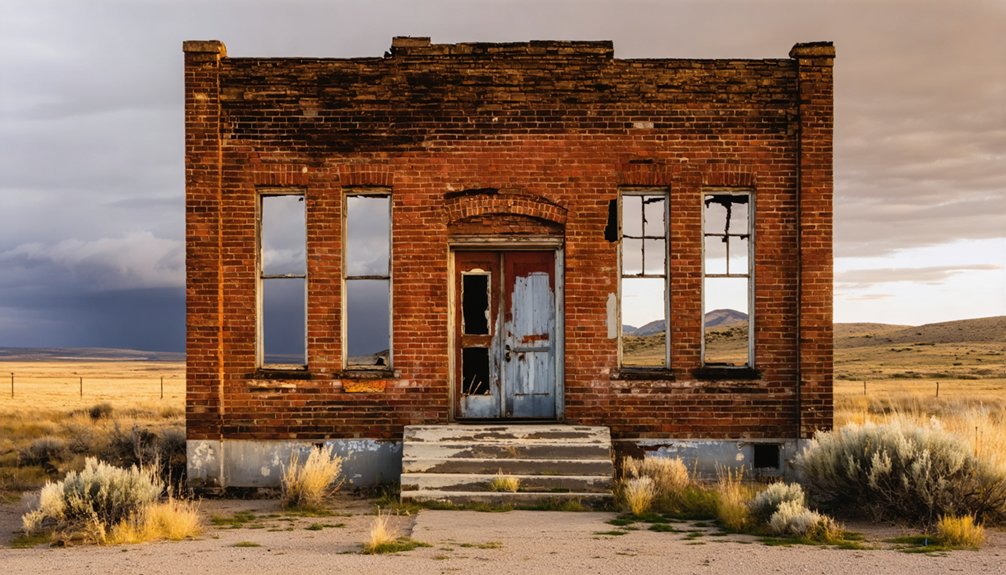
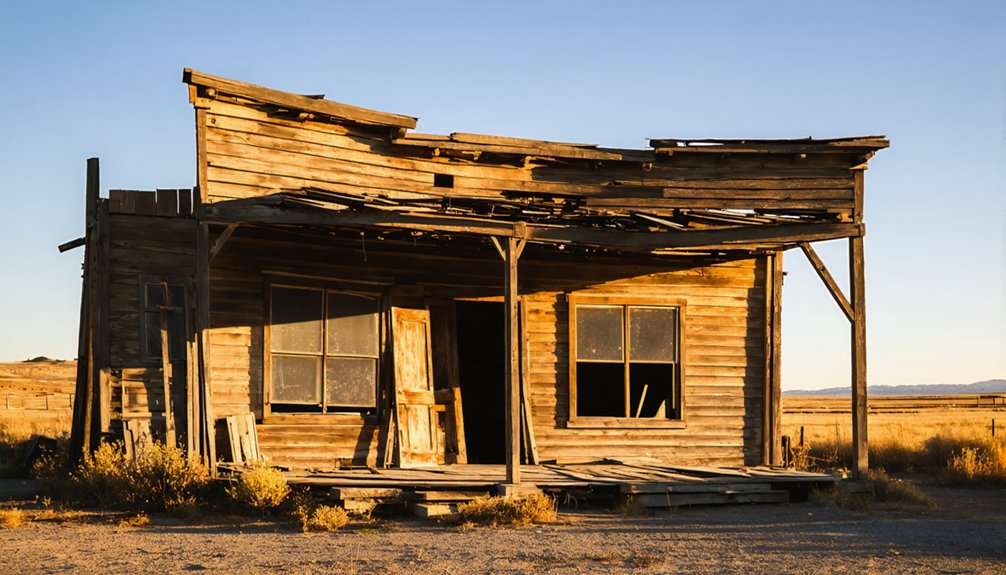
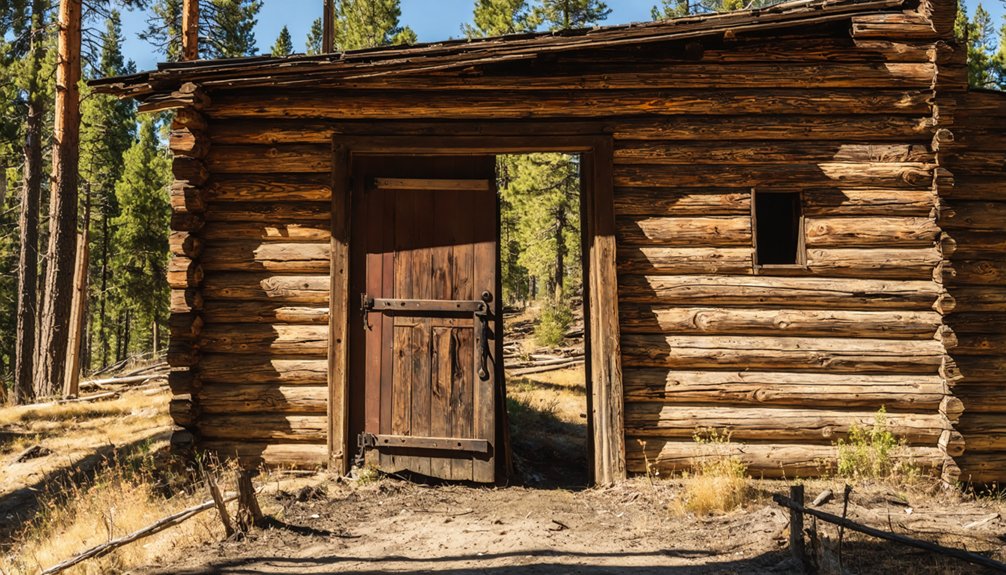
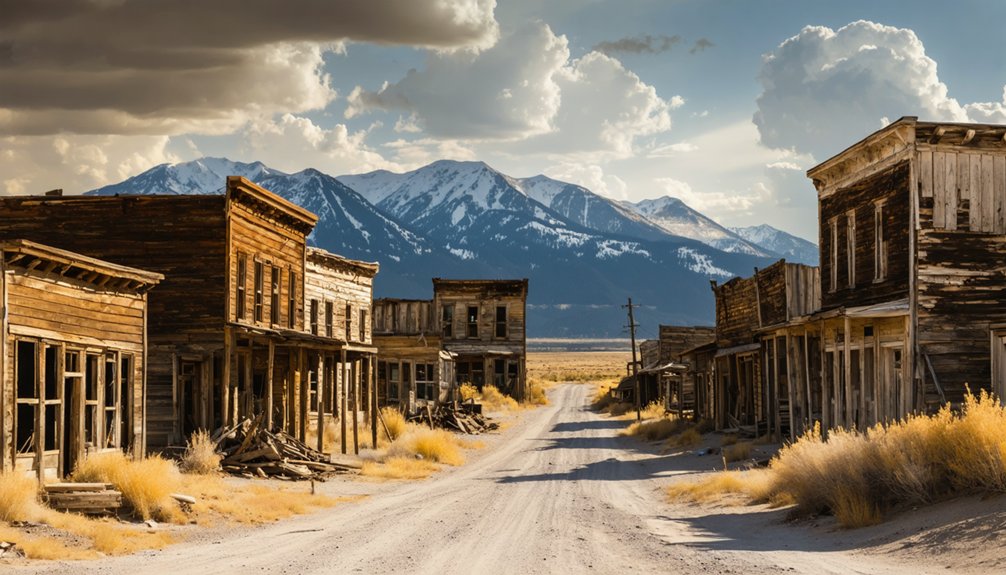
When you pull up to Bonanza, don’t expect a polished historic attraction — what’s left is raw, quiet, and genuinely weathered. A handful of dilapidated buildings still stand, slowly surrendering to the mountain climate. That’s it. No gift shop, no guided tours, no rope lines keeping you back.
The site is privately owned but open to the public, so you’re free to wander and take it all in at your own pace. Local legends about the gold rush era add texture to every crumbling wall and rusted nail you encounter.
Preservation challenges have kept restoration efforts minimal, meaning what you see is fundamentally what time left behind. Nearby Custer offers more standing structures if you want deeper historical context on the same drive.
How Did Bonanza, Idaho Become a Ghost Town?
Bonanza’s story follows a classic boom-and-bust arc that’ll feel familiar once you know the details. Gold discoveries in the Yankee Fork drew over 600 residents by 1881, filling the town with businesses, a newspaper, and all the trappings of a thriving frontier community.
Two devastating fires — one in 1889 and another in 1897 — gutted much of the town, sending residents packing until Bonanza went nearly silent by 1910.
Mining Boom Builds Bonanza
Gold put Bonanza on the map. When prospectors struck it rich along the Yankee Fork in the 1870s, Charles Franklin laid out the town in 1877, and lot sales started almost immediately. Early settlers paid between $40 and $300 for their piece of the action.
Getting there wasn’t easy — mule packers hauled supplies along a rugged 84-mile trail from Ketchum just to keep the town alive.
Fires Trigger Population Loss
At its peak, Bonanza had over 600 residents, a newspaper, and a full roster of businesses — but fire had other plans. In 1889, a devastating blaze tore through town, destroying much of what residents had built. The population collapsed almost overnight, dropping to just 136 by 1890.
Then, in 1897, a second fire destroyed another block, sealing Bonanza’s fate. Families packed up and moved, many heading to nearby Custer. By 1910, Bonanza was largely abandoned.
Today, you’ll find only a few weathered structures still standing — raw historical artifacts from a community that once thrived. Preservation efforts in the broader Yankee Fork area help keep this story alive, giving you the chance to walk the ground where a boomtown once stood.
Final Abandonment By 1910
By 1910, what had once been a thriving mountain boomtown had quietly faded into near-total silence. The fires, the dwindling ore, and the steady exodus of families had done their work. Only a handful of residents remained, most having relocated to nearby Custer.
The streets that once hummed with merchants, miners, and music now sat empty beneath sweeping mountain vistas and seasonal wildflower blooms. You’re practically walking through a place that the modern world forgot — and that’s exactly what makes it worth visiting.
No restoration, no reconstruction, just raw history frozen in place. Bonanza didn’t fade dramatically; it simply emptied out, building by building, family by family, until the land reclaimed its quiet and the ghost town era officially began.
How Do You Get to Bonanza Ghost Town?
Reaching Bonanza isn’t complicated, but it does require some preparation since the town sits in a remote stretch of central Idaho’s Yankee Fork area near Stanley, within the Sawtooth National Recreation Area.
Before you head out, keep these essentials in mind:
- Start from Stanley — it’s your closest reliable access point along Highway 75.
- Take Yankee Fork Road — a mountain road leading directly to the site.
- Check weather conditions — mountain roads close seasonally, so confirm access before departing.
- Watch for local wildlife — deer, elk, and other animals frequently cross these backcountry roads.
The site is privately owned but open to the public, so you can explore freely.
Pair your stop with nearby Custer and the Yankee Fork Gold Dredge for a full day out.
What’s the Best Time to Visit Bonanza, Idaho?
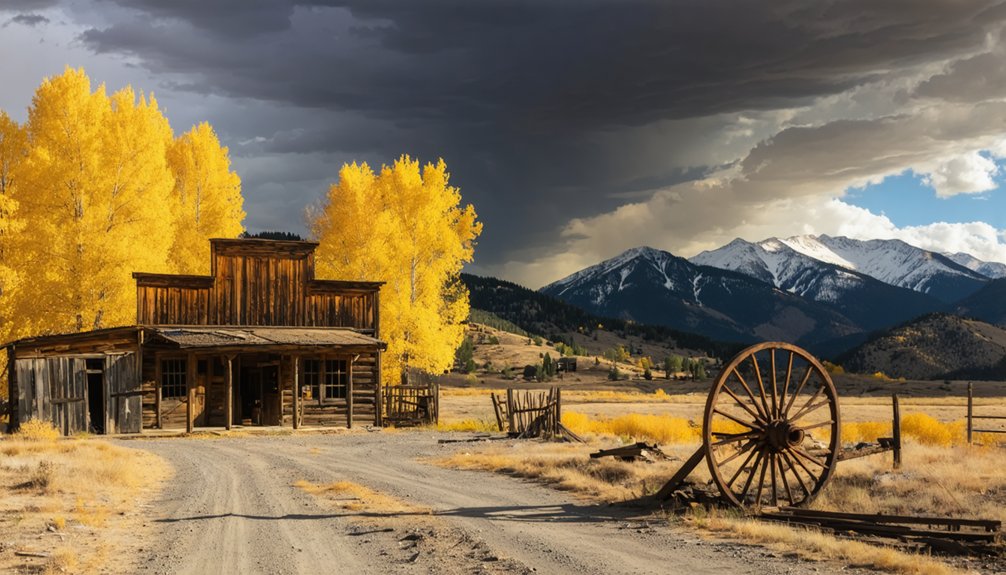
Since Bonanza sits at roughly 6,375 feet in the mountains of central Idaho, timing your visit matters more than you might expect. Snow can block mountain roads well into spring, so most travelers aim for late June through early October.
July and August offer the easiest access and warm daytime temperatures, with wildflower season painting the surrounding hillsides in bursts of color. If you prefer fewer crowds and dramatic scenery, aim for mid-September, when fall foliage turns the canyon slopes gold and rust.
Temperatures drop fast once the sun sets, so pack layers regardless of when you go.
Avoid planning your trip too close to October’s end — roads can close without much warning once early storms roll through the Sawtooth high country.
Pair Bonanza With Custer and the Yankee Fork Gold Dredge
Once you’ve locked in your travel window, it’s worth knowing that Bonanza doesn’t have to stand alone on your itinerary. Pair it with two nearby stops that round out the full Yankee Fork story:
- Custer – Walk through better-preserved historic architecture and explore standing structures from the same gold-rush era.
- Custer Museum – Dig into gold-rush history with exhibits that give Bonanza’s mining remnants real context.
- Yankee Fork Gold Dredge – Tour this massive machine seasonally and see how large-scale placer mining reshaped the landscape.
- Yankee Fork Scenic Byway – Connect all three stops along one road without backtracking.
Together, these sites build a complete picture of what life looked like when the Yankee Fork was alive with ambition.
What to Know Before Driving to Bonanza Ghost Town
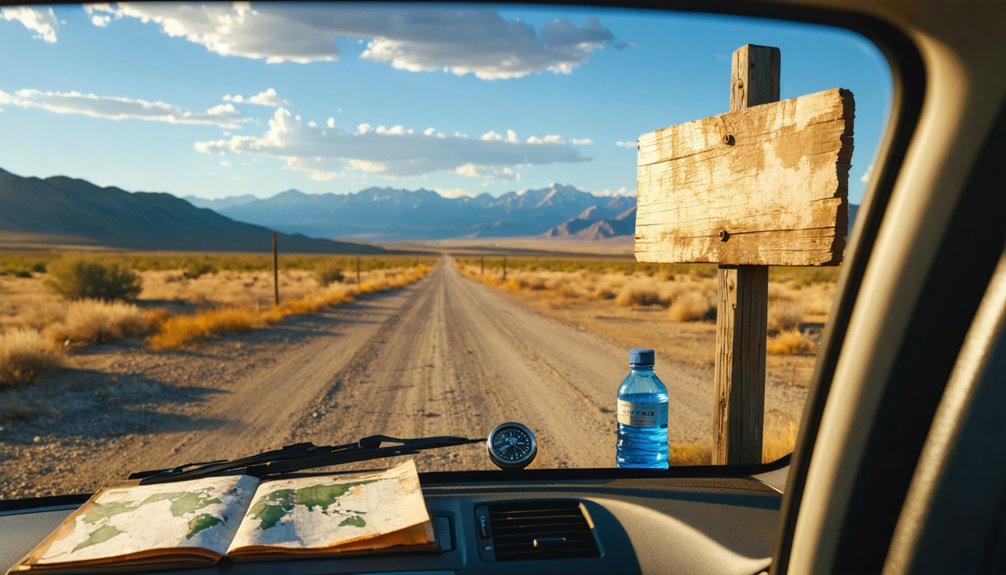
Before you point your vehicle toward Bonanza, know that this is mountain backcountry driving—not a Sunday cruise. The roads into the Yankee Fork area are remote, unpaved in sections, and highly sensitive to seasonal weather. Snow can linger into late spring, and sudden storms can make conditions treacherous even in summer. Check road conditions before you leave, and bring a paper map—cell service disappears fast out here.
Watch for local wildlife crossing the road, especially at dawn and dusk. Deer, elk, and other animals move freely through this high mountain terrain.
Fuel up before heading in, carry water, and pack a basic emergency kit. Bonanza rewards prepared travelers. Go in with the right mindset and the drive itself becomes part of the adventure.
Other Ghost Towns Worth Visiting Near Bonanza, Idaho
Bonanza doesn’t stand alone out here—it’s one piece of a larger ghost town landscape scattered across the Yankee Fork country. Make the most of your drive by hitting these nearby stops:
- Custer, Idaho – Just up the road, Custer offers more standing structures, historical artifacts, and a gold-rush-era museum worth exploring.
- Yankee Fork Gold Dredge – A massive machine frozen in time, open seasonally for guided tours that explain the dredging era firsthand.
- Clayton, Idaho – A quiet former smelter town sitting along the Salmon River with scenic viewpoints that reward the detour.
- Sunbeam, Idaho – Known for its hot springs and old dam remnants, it adds another rugged historical layer to your route.
Frequently Asked Questions
Who Originally Founded and Laid Out the Town of Bonanza in 1877?
Charles Franklin founded and laid out Bonanza in 1877, sparking incredible Bonanza mining activity. When you explore this ghost town preservation site today, you’ll connect with the bold, freedom-seeking spirit that built this remarkable Idaho community.
What Were Typical Lot Prices When Bonanza Was First Established?
When Bonanza’s mining boom began, you’d have paid $40 to $300 for a lot. That price range tells you everything about ghost town history — opportunity came cheap, but fortunes were never guaranteed.
How Large Did Bonanza’s Population Grow at Its Peak?
From a rough wilderness to a thriving hub, Bonanza’s mining boom pushed its population to over 600 residents by 1881. You’ll find historic landmarks that echo this incredible growth amid the mountains.
What Was the Name of Bonanza’s Historic Newspaper?
You’ll love knowing that *The Yankee Fork Herald* was Bonanza’s historic newspaper, reflecting the town’s vibrant gold mining history. It’s a tribute to the community’s spirit and early historic preservation efforts worth exploring.
Is Bonanza Ghost Town Privately Owned or Publicly Managed Land?
You’re free to roam Bonanza’s privately owned land, open to all who seek it. Explore historic ghost town tours and secret mining locations — this hauntingly beautiful, weathered treasure welcomes your adventurous spirit without restriction.
References
- https://en.wikipedia.org/wiki/Bonanza
- https://www.tripadvisor.com/Attraction_Review-g28933-d1775240-Reviews-Bonanza_and_Custer_Ghost_Town-Idaho.html
- https://www.legendsofamerica.com/id-bonanzacuster/
- https://westernmininghistory.com/towns/idaho/bonanza/
- https://www.youtube.com/watch?v=je9412S4LCs
- https://www.youtube.com/watch?v=6hlviqR8cbk
- https://www.youtube.com/watch?v=P2JgcghKPKQ
- https://www.ghosttowns.com/states/id/bonanza.html
- https://www.facebook.com/groups/1479228842311895/posts/3188649708036458/