Planning a ghost town road trip to Calabasas, Arizona takes you 8 miles north of Nogales into Santa Cruz County’s rugged borderland desert, where Apache raids, failed mines, and a vanished customs house shaped one of the Southwest’s most fascinating forgotten towns. You’ll need a 4WD vehicle, permission from Rio Rico Ranch, and cooler fall or winter weather for the best experience. There’s far more to this layered history than crumbling adobe walls — stick around to uncover it all.
Key Takeaways
- Calabasas is located 8 miles north of Nogales in Santa Cruz County, requiring a 4WD vehicle for unpaved road access.
- Visit during fall or winter (October to February) for mild temperatures, clear skies, and comfortable exploration conditions.
- Verify access permissions with Rio Rico Ranch before visiting and book lodging in Rio Rico or Nogales in advance.
- Explore Mission San Cayetano de Calabazas ruins within Tumacácori National Historical Park for a rich, multicultural borderland history experience.
- The town declined due to Apache raids, customs house relocation, failed mining, and railroad dominance, creating a layered ghost town story.
What’s Left to See at Calabasas, Arizona Today?
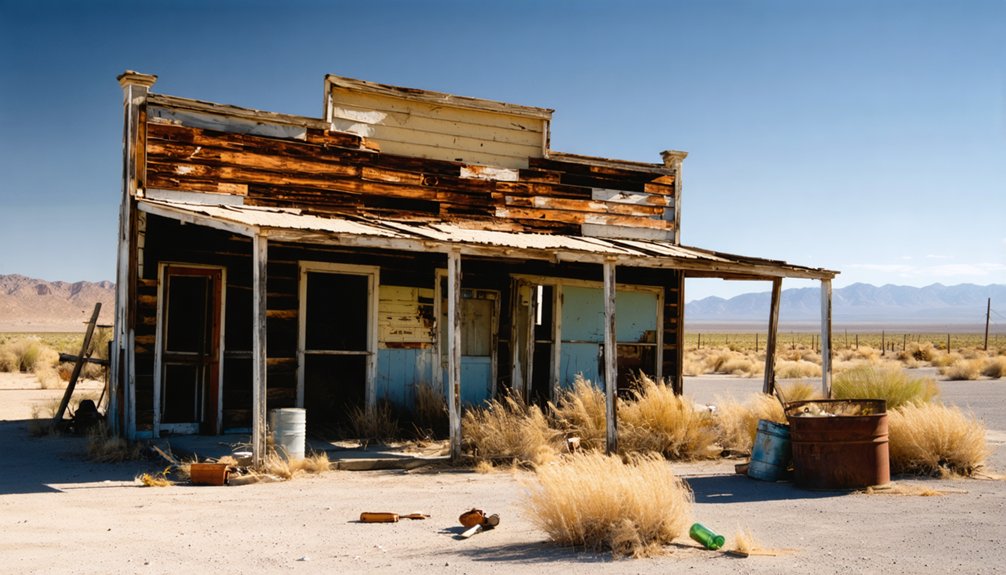
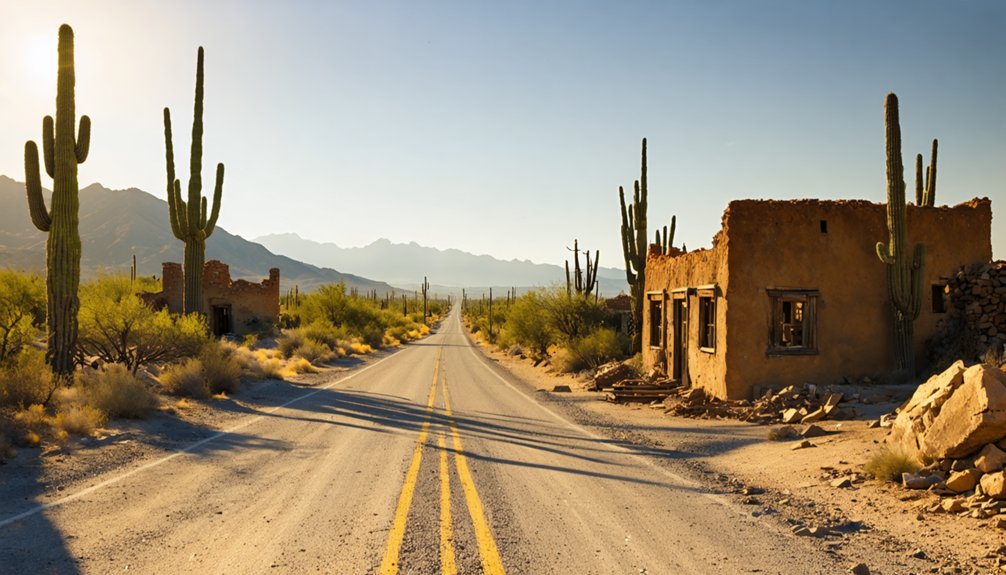
When you make the trek out to Calabasas today, don’t expect a sprawling ghost town frozen in time — what’s left is sparse but historically rich. Two main sites reward the curious traveler: the Mission San Cayetano de Calabazas ruins and a historic cemetery, both quietly enduring within the suburban sprawl of Rio Rico.
Calabasas offers little to the casual eye, but those who seek find mission ruins and history worth the journey.
Preservation efforts through Tumacácori National Historical Park protect the mission ruins, giving you a tangible connection to 1756. The cemetery remains accessible, though modern development surrounds it.
You’ll likely encounter local wildlife roaming the desert terrain — a reminder that nature reclaims what history leaves behind.
Most structures, including the legendary Hotel Santa Rita, have completely vanished. What survives tells a layered, multicultural borderland story that rewards those willing to seek it out.
Why Calabasas, Arizona Became a Ghost Town
Calabasas didn’t collapse overnight — it unraveled through a relentless series of blows that stripped away every advantage it once held. Apache raids made life dangerous, while brutal summer heat punished anyone determined to stay.
Its historical significance as a commercial gateway evaporated when the U.S. Customs House relocated to Nogales, redirecting trade and travelers away permanently.
Cultural influences from Spanish, Mexican, and American settlers had built something genuinely promising here, yet none proved strong enough to sustain it. Mining operations failed, agriculture struggled against arid conditions, and invalid land purchases created legal chaos.
An anti-Chinese riot further fractured the community. When Nogales captured railroad dominance, Calabasas lost its final reason to exist.
One by one, residents simply left, leaving silence where ambition once thrived.
How to Get to Calabasas on the Rio Rico Ranch?
Reaching Calabasas requires some preparation, since the site sits 8 miles north of Nogales on the Rio Rico Ranch within Santa Cruz County — and you won’t get there without a 4WD vehicle. The unpaved roads demand capable clearance, so don’t attempt this trip in a standard sedan.
Calabasas sits 8 miles north of Nogales — and you’ll need a 4WD vehicle to reach it.
Before heading out, verify current access permissions with Rio Rico Ranch, as private land rules apply.
Plan your visit during fall or winter to dodge brutal summer heat and catch ideal lighting for photography tips — golden hour shots of the mission ruins are worth the early start.
The desert borderlands also reward patient travelers with wildlife sightings, from roadrunners to mule deer threading through scrubland.
Nearby Rio Rico offers accommodations, fuel, and supplies before you venture out.
What’s the Best Time of Year to Visit Calabasas, Arizona?
Fall and winter transform Calabasas into its most welcoming version, with mild temperatures making the 4WD trek across Rio Rico Ranch far more enjoyable than a sweltering summer slog.
Santa Cruz County’s climate swings hard toward dangerous extremes between June and September, and you don’t want heat exhaustion interrupting your exploration of crumbling historical architecture.
Arriving between October and February gives you clear skies, comfortable hiking conditions, and sharper focus for absorbing local legends tied to Apache conflicts, anti-Chinese riots, and Gadsden Purchase commerce.
The desert light during winter months also enhances photography of the mission ruins protected within Tumacácori National Historical Park.
Summer visits aren’t just uncomfortable — they’re genuinely risky.
Plan smart, travel free, and let cooler seasons deliver the ghost town experience Calabasas deserves.
What to Bring for the Drive Out to Calabasas?
Since the only roads reaching Calabasas require 4WD capability, your packing list starts with the vehicle itself — make sure it’s capable of handling unpaved, potentially rough terrain before you commit to the drive. Vehicle preparation means checking tire pressure, carrying a spare, and stocking recovery gear like a tow strap and shovel.
Beyond mechanical readiness, pack water generously — desert heat punishes the underprepared even during fall and winter visits. Camping essentials like a first aid kit, emergency blankets, and a paper map matter here since cell service near Rio Rico Ranch isn’t guaranteed.
Bring snacks, sun protection, and sturdy footwear for exploring scattered ruins on foot. Nogales sits nearby for last-minute supplies, but don’t count on resupplying once you’re on the ranch roads.
Where to Stay Near Calabasas in Nogales and Rio Rico?
You’ll find convenient lodging options just minutes from Calabasas in the nearby suburb of Rio Rico, where several comfortable hotels put you close to the ghost town without sacrificing modern amenities.
If you’re watching your budget, Nogales offers wallet-friendly stays that keep you within easy striking distance of the site while giving you access to restaurants and supply stores.
Whether you choose Rio Rico’s more polished accommodations or Nogales’s no-frills options, you’ll want to book ahead during the popular fall and winter visiting seasons when rooms fill up fast.
Nearby Hotel Accommodation Options
Because Calabasas sits just 8 miles north of Nogales within the Rio Rico suburb, you’ve got convenient access to a solid range of nearby accommodations without roughing it after a dusty 4WD adventure. Rio Rico and Nogales both offer hotels ranging from budget-friendly motels to comfortable mid-range stays, letting you recharge before or after exploring the ruins.
Nogales delivers a vibrant border-town atmosphere with local dining options spanning authentic Mexican cuisine to casual American fare. You’ll also find outdoor recreational activities nearby, including hiking trails and scenic desert landscapes that complement your ghost town exploration perfectly.
Staying close means you can easily resupply, rest up, and launch early-morning visits to the site while avoiding Calabasas’s dangerously intense summer heat.
Rio Rico Lodging Choices
Rio Rico and Nogales give you practical, comfortable base camp options when you’re planning your Calabasas ghost town adventure. Staying in Rio Rico puts you minutes from the ruins, letting you explore historical artifacts at a relaxed pace without rushing back to distant accommodations.
Several hotels and short-term rentals operate throughout the area, offering solid amenities after dusty 4WD excursions.
Nogales expands your choices considerably, delivering budget-friendly motels alongside more polished lodging options near the international border.
After a day of discovery, you’ll find local dining that reflects the region’s rich Mexican and American borderland culture, fueling you for tomorrow’s exploration.
Book accommodations early during fall and winter travel seasons, since those months attract the most visitors seeking comfortable temperatures for outdoor adventure.
Nogales Budget-Friendly Stays
Nogales stretches your travel budget further without sacrificing convenience, placing you roughly 8 miles from Calabasas ruins while keeping your wallet intact. Several affordable motels and guesthouses line the border city’s main corridors, offering clean, no-frills accommodations that free up spending money for exploring sites of cultural significance throughout Santa Cruz County.
You’ll find options ranging from basic chain properties to independent roadside stops that reflect the region’s rich borderland character. After long days examining historical artifacts and steering through 4WD roads through Rio Rico’s scattered ruins, a comfortable budget room beats camping in extreme heat.
Book accommodations near Interstate 19 for the easiest access north toward Calabasas. Fall and winter visits mean lower demand, giving you better rates and cooler temperatures for productive exploration.
Frequently Asked Questions
When Was the Calabasas Post Office Established and When Did It Close?
You’ll find Calabasas’s post office was established on October 8, 1866, and closed August 15, 1913. These ghost town relics and historical architecture mark an era when this desert borderland actively thrived as a commercial gateway.
What Native American Group Originally Inhabited the Calabasas Territory?
You’ll discover that the Tohono O’odham Native American tribes originally called Calabasas home, leaving behind a rich cultural heritage that shaped this desert borderland long before Spanish missionaries and settlers ever arrived.
What Role Did the 1853 Gadsden Purchase Play in Calabasas History?
Like a spark igniting a flame, the Gadsden Purchase’s Territorial Impact briefly transformed Calabasas into a thriving commercial gateway, and you’d have witnessed it bustling with trade opportunities following America’s bold 1853 acquisition.
What Was the Hotel Santa Rita and Why Was It Historically Significant?
You’ll find Hotel Santa Rita’s ghost town architecture once claimed fame as the finest hotel between San Francisco and Denver, showcasing historic hotel significance that reflected Calabasas’s bold commercial ambitions during its brief but thriving frontier heyday.
Is Calabasas, Arizona Related to the Famous Calabasas in California?
They’re distant cousins in name only! Arizona’s Calabasas skipped the celebrity neighborhoods and shopping destinations, choosing a rugged, freedom-filled desert legacy instead. You’ll find no Kardashians here—just Apache history and crumbling mission ruins awaiting your exploration.
References
- https://en.wikipedia.org/wiki/Calabasas
- https://www.ghosttowns.com/states/az/calabasas.html
- https://beyondfronteras.org/nogalepedia/b/b6-special-focus-the-lost-border-town-of-calabazas-calabasas/