Planning a ghost town road trip to Calico, California starts with a three-hour drive east from Los Angeles on I-15 through the Mojave Desert. You’ll pass dramatic desert landscapes before arriving at Calico’s weathered silver-mining ruins and authentic frontier streets. Stop at Randsburg’s operational saloon or Red Rock Canyon along the way. Visit in spring or fall for the best conditions. Keep exploring to uncover every stop, detour, and essential tip for making the most of your journey.
Key Takeaways
- Start from Los Angeles on I-15 heading east toward the Mojave Desert, reaching Calico Ghost Town in approximately three hours, covering 150 miles.
- Explore Calico’s silver mining tunnels, abandoned streets, and weathered structures for an authentic glimpse into California’s frontier and Gold Rush era history.
- Notable stops along the route include Randsburg Ghost Town, Red Rock Canyon State Park, Bottle Tree Ranch, and the Trona Pinnacles.
- Visit during spring or fall for mild temperatures; avoid summer months when desert heat exceeds 100°F.
- Pack at least two liters of water, sunscreen, sturdy shoes, snacks, and emergency supplies for remote desert exploration.
The Full Route From Los Angeles to Calico and Back
Starting your ghost town road trip from Los Angeles, you’ll head east on I-15 toward the Mojave Desert, where Calico Ghost Town sits roughly three hours away.
This route puts you deep into one of California’s most compelling Mojave attractions, where silver mining history shaped an entire region.
Explore Calico’s eerie desert landscape, then retrace your route back west on I-15 toward Los Angeles.
Wander Calico’s haunted desert trails, then cruise west on I-15 as the Mojave fades behind you.
The return trip lets you decompress after absorbing Calico history — the abandoned storefronts, mining remnants, and sun-bleached ruins tell a raw, unfiltered story of boom-and-bust frontier life.
Keep your tank full and your camera ready.
The Mojave rewards travelers who pay attention, offering stark beauty and historical depth that most road-trippers overlook entirely.
Why Calico Is Worth the Drive Across the Mojave
Although the Mojave Desert can feel punishing and relentless, Calico Ghost Town makes every mile of that drive worthwhile. You’ll feel the Mojave Mystique the moment weathered wooden structures rise from the desert floor against an endless sky.
Just three hours from downtown Los Angeles, this silver-mining relic pulls you into a world where fortune-seekers once carved lives from harsh, unforgiving terrain.
Calico isn’t just scenery — it’s one of California’s most visited ghost towns for good reason. Your Desert Adventures here include wandering eerie abandoned streets, absorbing the raw history of California’s Gold Rush era, and experiencing a landscape unlike anything along the coast.
The surrounding desert environment sharpens your senses and reminds you that freedom sometimes means embracing the wild, uncomfortable unknown.
How to Get to Calico From Los Angeles in 3 Hours
If you’re heading to Calico Ghost Town from Los Angeles, you’ll follow Interstate 15 northeast through the Cajon Pass and into the Mojave Desert, covering roughly 150 miles before reaching the historic site near Barstow.
The drive typically takes about three hours, depending on traffic leaving the city. You’ll know you’re close when the desert landscape opens up around you and the old mining hills come into view just off the highway.
Driving Route From LA
Heading out from downtown Los Angeles, you’ll reach Calico Ghost Town in about three hours via Interstate 15 East toward Barstow.
Once you clear the city sprawl, the landscape shifts dramatically — open Mojave Desert stretches endlessly in every direction, offering glimpses of desert wildlife adapted to the harsh, sun-baked terrain.
Keep your eyes sharp for roadrunners and jackrabbits darting through the scrub as you approach Barstow.
Exit onto Ghost Town Road, and you’ll spot Calico’s weathered silver-mining structures rising against rust-colored hills. The site stands as a tribute to historical preservation, protecting the raw bones of California’s mining past.
Pack water, wear sun protection, and arrive early — the desert heat builds fast, and you’ll want full energy to explore every weathered corner.
Estimated Travel Time
Timing your departure smartly makes all the difference on this stretch. Your estimated travel time from downtown Los Angeles to Calico Ghost Town runs roughly three hours under normal conditions.
Leave early on a weekend morning to dodge the notorious I-15 traffic crawl through the Inland Empire. Travel time estimates shift considerably during holiday weekends, when desert-bound crowds can add 45 minutes or more to your drive.
You’re covering approximately 150 miles northeast through the Mojave, so fuel up before hitting Barstow. Once you’re off the interstate, Calico Road deposits you directly at the entrance.
Keep your schedule flexible — that freedom to linger among silver-mining ruins without watching the clock is exactly what makes this road trip worth taking.
Ghost Towns Along the Route Worth Stopping at Before Calico
Before reaching Calico, the route rewards curious travelers with a handful of ghost towns worth pulling over for.
Bodie, sitting at 8,300 feet east of the Sierra Nevadas, stands as California’s largest unrestored ghost town. Its ghost town history runs deep — once home to 10,000 residents and nearly 50 saloons, it earned a reputation as the West’s rowdiest city. Dozens of deserted buildings still stand, letting you walk through its raw mining legacy firsthand.
Two and a half hours north of Calico, Ballarat offers a lonelier stop. This remote Death Valley outpost began as an 1897 supply point for miners, briefly swelling to 400 residents.
Adobe ruins and desert silence are all that remain, making it a hauntingly honest snapshot of frontier life.
Why Ballarat Deserves Its Own Stop on the Way to Calico
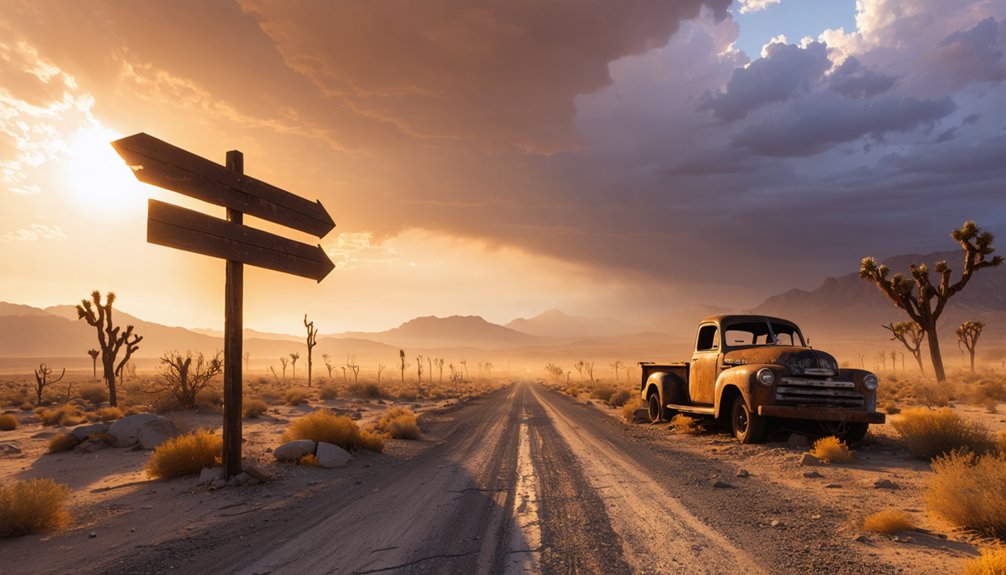
Ballarat earns more than a passing glance on the way to Calico. This lonely Death Valley outpost started as a supply point for miners in 1897, and its Ballarat history runs deep into the rugged Panamint Mountains.
When gold strikes hit those peaks in 1898, the population surged to 400, transforming a dusty crossroads into a thriving desert settlement. Today, adobe ruins mark where that ambition once stood.
You’ll find Ballarat straddling the edge of Death Valley National Park, roughly two-and-a-half hours north of Calico. Its mining legacy feels raw and unpolished compared to more commercialized stops, and that’s exactly the appeal.
Pull over, walk the ruins, and let the silence remind you why places like this demand your full attention.
What Calico’s Deserted Streets and Silver Mines Actually Look Like
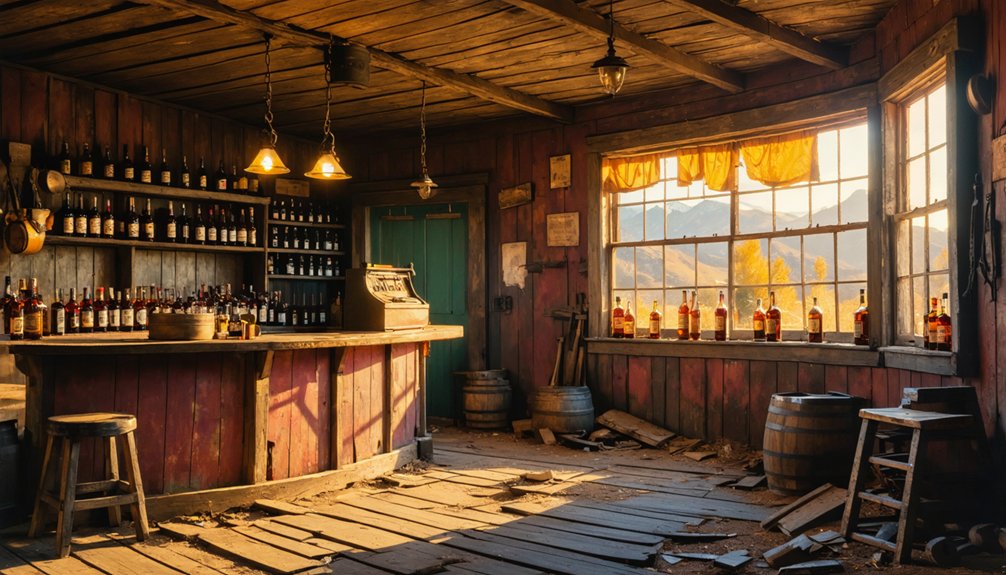
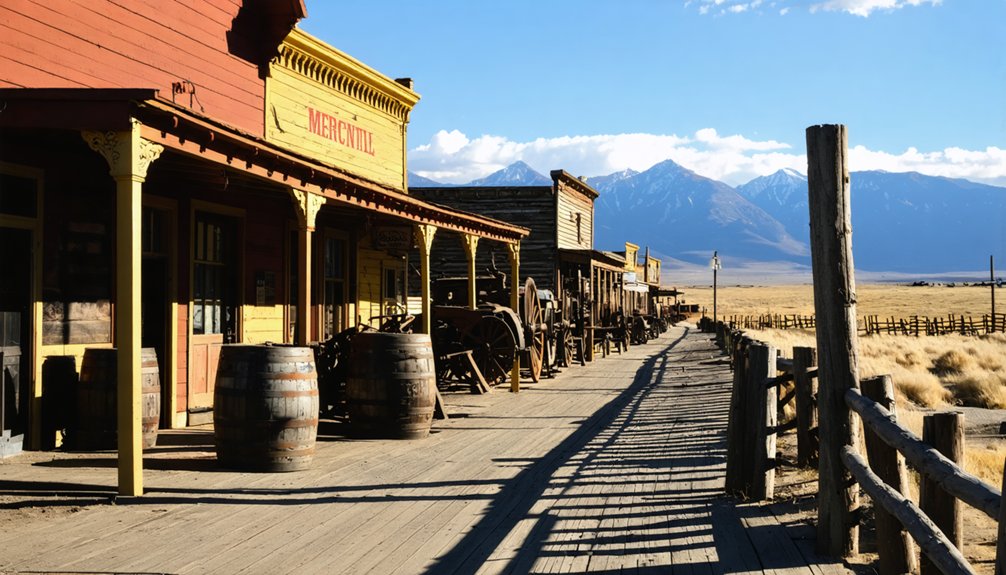
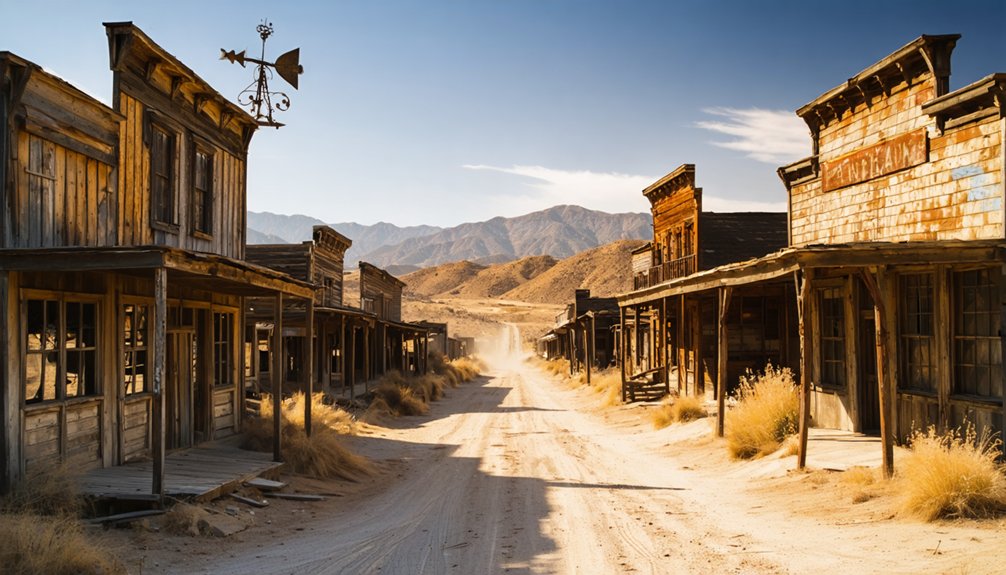
Calico’s deserted streets hit differently than you’d expect from a ghost town that draws crowds. The Mojave Desert’s harsh environment has stripped everything down to raw essentials, leaving structures that feel genuinely forgotten rather than curated.
Calico architecture reflects the brutal practicality of silver mining life — weathered wood buildings lean into desert winds, and sun-bleached facades line pathways where miners once rushed toward fortune.
Weathered wood and sun-bleached facades tell the story of miners who chased silver across an unforgiving desert.
You’ll walk into actual silver mining tunnels, feeling the temperature drop as you step underground into darkness that swallowed thousands of ambitious prospectors.
The mine shafts aren’t polished museum pieces — they’re rough, honest spaces where the Gold Rush era collides with silver extraction history.
Calico rewards explorers who want unfiltered contact with California’s wildest economic obsessions.
Side Stops Between Ballarat and Calico Worth the Detour
As you make your way from Ballarat to Calico — a two-and-a-half-hour stretch through some of California’s most dramatic desert terrain — you’ll find a handful of roadside stops that break up the drive and reward your curiosity.
The Mojave’s stark landscape hides surprising detours, from abandoned mining relics to natural desert formations that don’t show up on most travel itineraries.
Keep your eyes open and your tank full, because the best hidden stops between these two ghost towns aren’t always marked with a sign.
Desert Detours Worth Exploring
Between Ballarat and Calico, the Mojave Desert rewards curious travelers with detours that transform a simple drive into something far more memorable.
You’ll find desert wildlife thriving in unexpected places — roadrunners darting across cracked earth, jackrabbits vanishing into scrub brush, and hawks circling ancient volcanic formations overhead.
Pull off at historical landmarks like Randsburg, a preserved mining town where weathered storefronts still line the main street, or swing through Red Rock Canyon State Park, where rust-colored cliffs frame the highway dramatically.
Each stop adds texture to your journey without eating up significant time.
You’re not just passing through the Mojave — you’re reading it.
Every detour reveals another layer of California’s raw, untamed interior that most road-trippers never bother to discover.
Roadside Attractions Nearby
Stretching across the high desert between Ballarat and Calico, a handful of roadside stops reward travelers willing to veer slightly off course.
You’ll find quirky landmarks and roadside diners scattered along these forgotten stretches that make the journey as memorable as the destinations themselves.
Don’t miss these standout detours:
- Randsburg Ghost Town – a nearly intact mining village with an operational saloon
- Red Rock Canyon State Park – dramatic cliffs and geological formations perfect for a quick stretch
- Exotic World Burlesque Museum – genuinely unexpected roadside curiosity near Helendale
- Idle Spurs Steakhouse – a legendary roadside diner in Barstow worth the stop
- Bottle Tree Ranch – an eccentric outdoor sculpture garden built from salvaged glass bottles
Each detour adds texture to your desert adventure without derailing your timeline.
Hidden Stops Between Towns
The two-and-a-half-hour drive from Ballarat to Calico doesn’t have to be a straight shot through empty desert.
You’ve got room to wander, and the Mojave rewards those who do. Pull off at the scenic overlooks along Trona Pinnacles, where ancient calcium carbonate spires rise from a dry lakebed like something from another planet. It’s one of those hidden gems that most road-trippers blow past without realizing what they’ve missed.
If you’re moving through Ridgecrest, grab fuel and a quick bite before pushing south toward Barstow.
The landscape shifts dramatically as you descend from high desert into the lower Mojave basin. Every mile between Ballarat and Calico tells a different geological story, so slow down and let it unfold.
Where to Stay Near Calico in the Mojave Desert
After a day of wandering Calico’s dusty streets, you’ll want a comfortable base nearby to rest up before hitting the road again. Barstow, just 10 miles away, offers solid accommodation options and local dining to recharge for tomorrow’s adventure.
Where to Lay Your Head:
- Idle Spurs Steakhouse area hotels – classic Western dining meets comfortable lodging
- Barstow Station – quirky roadside stop with food and fuel essentials
- Budget Inn Barstow – no-frills, wallet-friendly overnight stay
- Mojave River Valley Museum nearby – camp close to local history
- Route 66 Motel – embrace the open-road spirit with vintage charm
Whether you prefer a basic motel room or a desert campsite under star-packed skies, Barstow keeps you positioned perfectly for your next ghost town departure.
When to Visit Calico for the Best Conditions
You’ll want to plan your Calico visit for spring (March through May) or fall (September through November), when temperatures hover in the comfortable 60s and 70s rather than scorching past 100°F in summer.
If you’re chasing a quieter experience, weekday visits in the shoulder seasons mean fewer crowds and more room to wander the dusty streets undisturbed.
Skip July and August entirely unless you’re prepared for brutal Mojave heat that can make even a short outdoor exploration feel punishing.
Ideal Season For Visiting
Timing your visit to Calico Ghost Town can make or break the experience, since the Mojave Desert’s extreme climate swings between scorching summers and surprisingly frigid winters.
The best months to explore are spring and fall, when ideal weather keeps temperatures comfortable for wandering through the ruins freely.
- March–May: Mild temperatures, occasional wildflowers, perfect hiking conditions
- October–November: Crisp air, smaller crowds, stunning desert light for photography
- June–August: Brutal heat exceeding 100°F; avoid midday exposure entirely
- December–February: Cold nights, possible snow, limited accessibility on some trails
- Weekdays year-round: Considerably fewer visitors, letting you explore at your own pace
Pack plenty of water regardless of season, since the desert’s dry air depletes hydration faster than you’d expect.
Avoiding Extreme Desert Heat
Calico Ghost Town bakes under relentless Mojave Desert sun, so picking the right time of year separates a memorable road trip from a miserable one. Summer temperatures routinely exceed 100°F, turning silver-mining ruins into a punishing oven.
You’ll want to visit between October and April, when cooler temperatures make exploring those weathered structures genuinely enjoyable.
Desert safety demands more than just timing your arrival. Carry at least two liters of water per person — hydration tips from seasoned desert travelers consistently emphasize drinking before you feel thirsty.
Wear lightweight, light-colored clothing and a wide-brimmed hat regardless of season.
Early mornings offer the best light for photography and the mildest temperatures. Plan to arrive by 9 a.m. and wrap up exploring before early afternoon heat intensifies.
Peak Crowd-Free Times
Weekdays in late October through early December hit a sweet spot that most travelers overlook — temperatures have dropped from their brutal summer highs, yet the holiday crowds haven’t descended yet. Off-peak visits during this window give you genuine tranquil exploration throughout Calico’s weathered streets.
Plan your timing around these crowd-free advantages:
- Tuesday through Thursday consistently draw the fewest visitors
- Early morning arrivals (before 9 AM) let you photograph empty storefronts dramatically lit by low desert sun
- Mid-November weekdays offer near-solitary wandering through mine shafts and adobe ruins
- Late October evenings cool quickly, so pack layers for golden-hour exploration
- Avoiding holiday weekends entirely keeps the experience authentically eerie rather than carnival-like
You’ll experience Calico the way it deserves — quietly haunting.
What to Bring for a Day at Calico and Ballarat
Since both Calico and Ballarat sit in punishing desert terrain, you’ll want to pack smart before hitting either site. Your Calico essentials include at least two liters of water per person, sunscreen, a wide-brim hat, and sturdy closed-toe shoes for uneven ground.
Calico’s crowds mean you’ll also appreciate snacks, since food options aren’t guaranteed.
Pack snacks for Calico — crowds are common and food vendors aren’t always on-site.
Ballarat preparations demand even more discipline. This remote Death Valley outpost offers virtually no services, so bring extra water, a printed or downloaded map, emergency supplies, and a full gas tank before you head out.
Cell service disappears fast here. Pack a first-aid kit, electrolyte tablets, and a portable charger.
Both locations reward prepared explorers with raw, unforgettable desert history that simply doesn’t exist anywhere closer to civilization.
Frequently Asked Questions
Is Cabernet, California a Real Ghost Town or Fictional Destination?
Cabernet, California is a fictional destination. You won’t find it among real ghost town legends or authentic Cabernet history. Instead, explore actual haunted landmarks like Bodie or Calico, where you’ll uncover California’s true abandoned past.
What Mining Era Does Cabernet Ghost Town Specifically Represent Historically?
Cabernet isn’t real, but you’re free to explore genuine ghost towns with real historical significance. Bodie and Calico showcase authentic Gold and Silver Rush mining techniques — raw, unfiltered history waiting for your discovery.
Are There Guided Ghost Town Tours Available Combining Multiple California Sites?
You’ll find guided tours combining multiple California ghost towns, letting you explore sites like Bodie and Calico while uncovering their historical significance. These adventures give you the freedom to experience the Wild West’s haunting, untamed spirit firsthand.
Which California Ghost Towns Charge Admission Fees Versus Free Entry?
You’ll find ghost town fees vary: Bodie and Empire Mine charge admission, while Calico, Ballarat, and Bennettville offer free entry. This admission comparison helps you plan your adventure without breaking the bank!
Can Children Safely Explore the Underground Tunnels at Empire Mine?
Children don’t explore Empire Mine’s 367 miles of underground tunnels directly, but you’ll discover a Secret Room featuring a fascinating scale model! Prioritize tunnel safety and child supervision while touring the mine owner’s magnificent historic home together.
References
- https://www.youtube.com/watch?v=FEiWdlOSoiw
- https://www.youtube.com/watch?v=FqfVRbCB-c8
- https://www.barbaranusselphotography.com/blog/2017/4/20/wildflowers-and-ghost-towns-a-road-trip-through-central-california
- https://www.visitcalifornia.com/now/california-ghost-towns-road-trip/
- https://www.explore.com/1709921/how-to-visit-best-california-ghost-towns-in-one-trip/
- https://apassionandapassport.com/best-california-road-trips/
- http://www.hopesendwine.com/bodie-california/
- https://californiahighsierra.com/trips/road-trip-lesser-known-northern-california-wineries/
- https://www.sonomamag.com/the-ghost-wineries-of-sonoma-and-napa-wine-country/