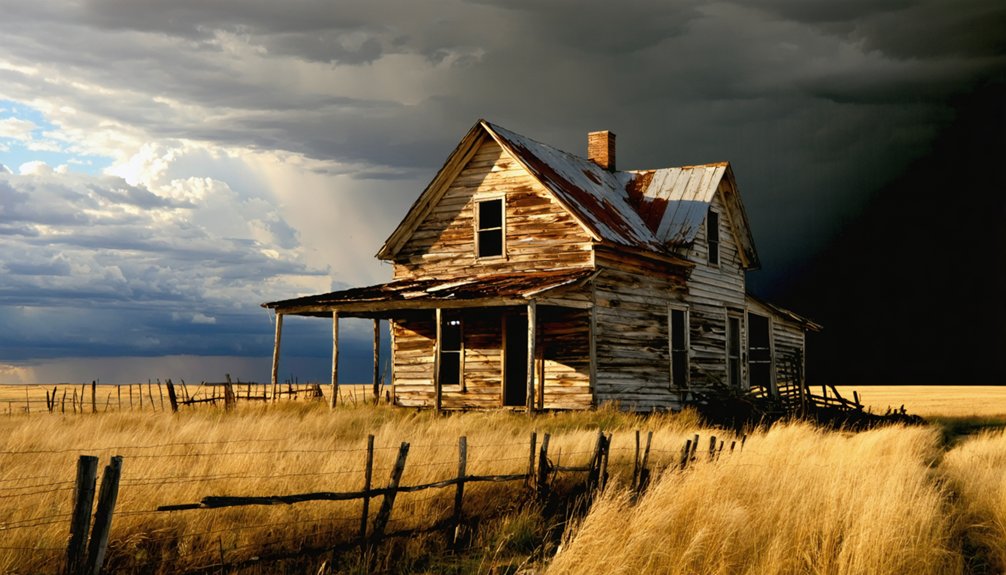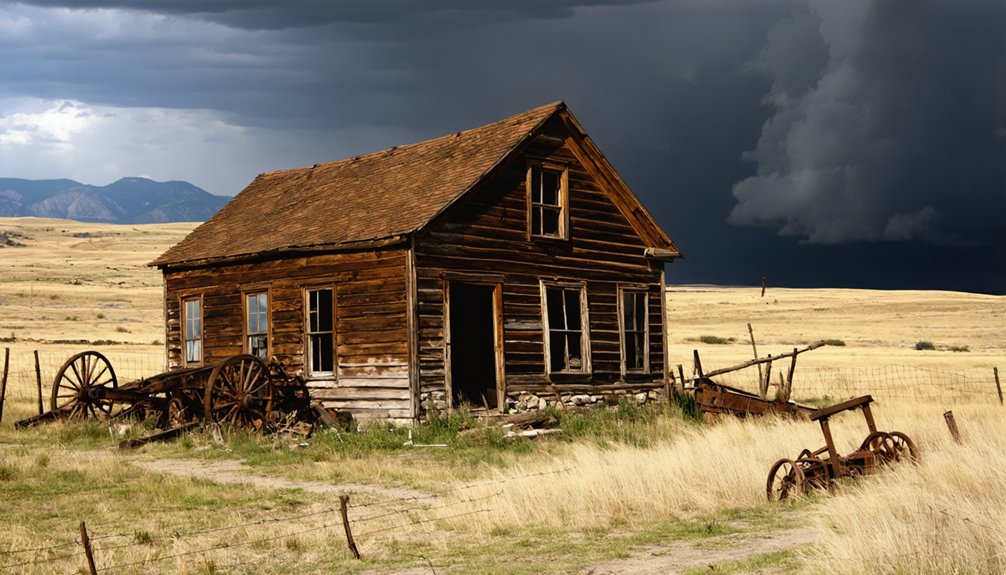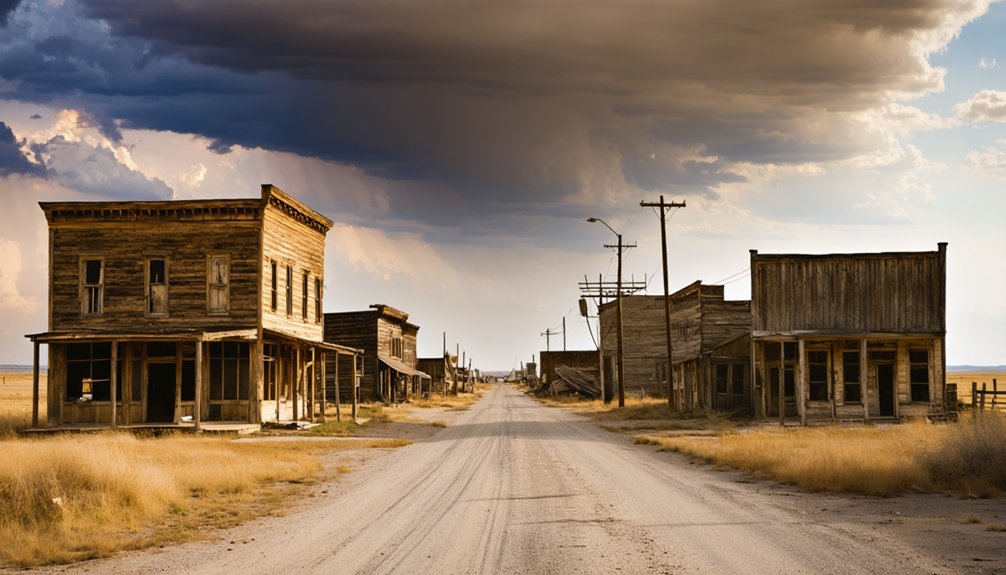
Planning a ghost town road trip to Canyon City, South Dakota means venturing deep into the Black Hills to a place where 400 miners once chased gold and left almost nothing behind. You’ll hike roughly one mile along an 82-inch trail with water crossings to reach a site with no buildings, no artifacts — just raw canyon wilderness and displaced placer rock. Stick around, and you’ll uncover everything you need to make this trip unforgettable.
Key Takeaways
- Canyon City, a Black Hills ghost town, once housed 400 residents during the gold rush but left no standing buildings or artifacts.
- Access the site via an 82-inch trail with seasonal water crossings, located approximately one mile from the trailhead.
- Download offline maps and save GPS coordinates before departing, as cell service is unavailable at the remote site.
- Visit between late May and September for optimal conditions; avoid winter and early spring due to dangerous creek crossings.
- Combine Canyon City with 11 documented Black Hills ghost towns nearby, including Keystone and Parker, for a fuller road trip experience.
What Is Canyon City, South Dakota?
Once a thriving placer mining camp nestled in the protective walls of a Black Hills canyon, Canyon City, South Dakota, peaked at 400 residents before the gold dried up and everyone moved on, leaving behind nothing but relocated rock and silence.
You won’t find buildings, artifacts, or railroad remnants here — just the valley itself and the placer rock that early miners moved using rudimentary mining techniques to chase their fortunes.
When the deposits stopped producing, people simply left, and Canyon City joined South Dakota’s roster of 11 documented ghost towns.
Ghost town preservation laws now protect what little evidence remains, making photography your only legal souvenir.
It’s a raw, honest slice of Western boom-and-bust history waiting for curious travelers willing to seek it out.
From Gold Rush Boom to Ghost Town: Canyon City’s Brief History
When gold fever swept through the Black Hills in the late 1800s, Canyon City exploded into existence almost overnight, drawing 400 hopeful miners into the natural shelter of a canyon that gave the settlement its name.
Placer mining drove every heartbeat of the community, and the railroad connecting it to outside markets kept supplies and ambitions flowing freely.
Placer mining was the town’s lifeblood, fed by railroad arteries carrying goods, dreams, and endless possibility.
But when the placer rock stopped yielding profitable gold, the town’s fate was sealed. Miners abandoned their claims, buildings emptied, and Canyon City quietly faded into history.
Today, no historical artifacts or mining relics remain above ground — only displaced placer rock tells the story of human ambition that once thrived here.
It’s a powerful reminder of how quickly fortune turns.
Where Exactly Is Canyon City Located?
Tucked into the Black Hills of South Dakota, Canyon City sits at latitude N 44.0849852 and longitude W -103.6057487 — coordinates worth saving before you head out, since cell service disappears well before you reach the site.
For GPS navigation, punch in N 44 05.099, W -103 36.345, or use the UTM reference 13N 611624 4882257.
The site rests roughly one mile off an 82-inch trail that includes several water crossings, so plan accordingly.
Ghost town legends surrounding this canyon once drew miners who refined their placer mining techniques along these valley floors. Today, only displaced rock betrays their efforts.
Download offline maps before leaving civilization — freedom out here means self-sufficiency, and getting lost chasing history isn’t the adventure you want.
What You’ll Actually See at the Ghost Town Site
Arriving at Canyon City, you’ll quickly realize the landscape itself is the exhibit. No buildings, no historical artifacts, no rusted machinery — just open terrain shaped by human hands long ago. What remains tells a quiet but powerful story.
You’ll notice geological formations carved naturally by the canyon, alongside placer rock deliberately moved by miners chasing gold. That disturbed earth is your proof that 400 people once hustled through this very valley.
The railroad that once connected this camp to the outside world is completely gone, leaving no trace behind. It’s raw, unfiltered history without a visitor center or guided tour.
Just you, the canyon, and the remnants of a boom-and-bust era that shaped the American West.
How to Reach the Canyon City Trailhead
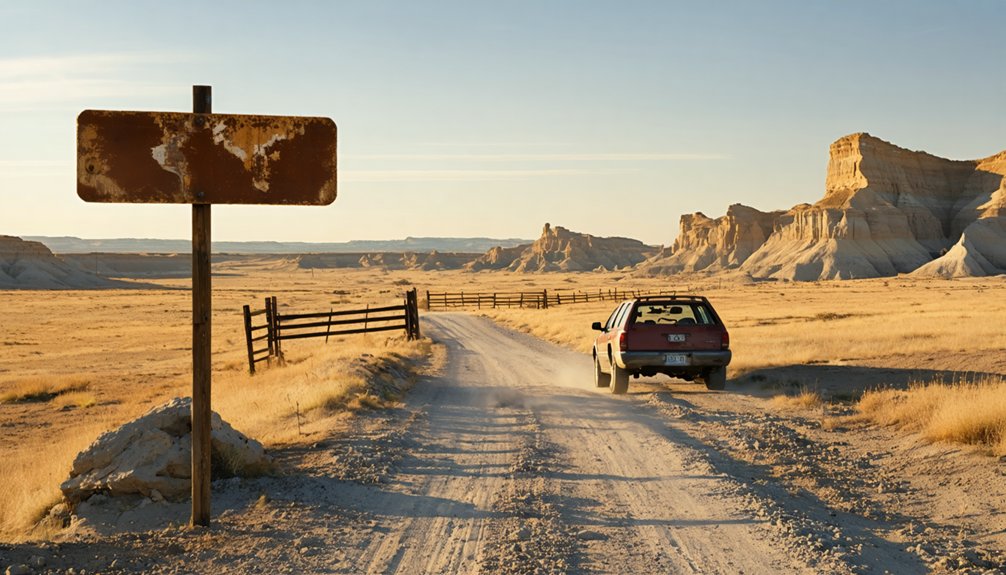
You’ll start your journey on an 82-inch trail approximately one mile from Canyon City.
Where multiple water crossings demand careful footing and patience during wetter seasons. Watch the creek levels before committing to each crossing, as conditions can change quickly in the Black Hills terrain.
Since cell service disappears well before you reach the trailhead, download your offline maps at home and pack water, sturdy shoes, and a first aid kit before heading out.
Trailhead Starting Point Location
Finding the Canyon City trailhead takes you deep into the Black Hills of South Dakota, where the terrain gets rugged and cell service disappears fast. Download offline maps before you leave civilization behind.
Here’s what marks your starting point:
- Coordinates — Lock in N 44 05.099, W -103 36.345 before you lose signal
- Trail marker — You’ll follow an 82-inch trail with several water crossings ahead
- Wildlife sightings — Watch for animals moving through the canyon’s natural corridor
- Local legends — Miners once called this canyon home when 400 people worked these hills
You’re stepping into genuinely remote territory, so pack water, sturdy shoes, and a first aid kit. Nobody’s coming to rescue you out here.
Once you hit the trail toward Canyon City, those water crossings stop being a minor detail and start demanding your full attention. The path features multiple crossings that shift dramatically depending on seasonal rainfall and snowmelt, so timing your visit matters. Step carefully on slick rocks, test your footing before committing your full weight, and never rush through moving water.
Sturdy, waterproof footwear isn’t optional here. Wet feet slow you down and can cut your exploration short before you’ve reached the placer rock formations left behind by early miners. Unlike sites where historical artifacts or mining equipment still dot the landscape, Canyon City rewards patience.
The journey itself connects you to the rugged independence those original settlers lived daily. Respect the terrain, and it’ll let you through.
Offline Maps And Preparation
Getting your footing right at those water crossings means nothing if you can’t find the trailhead in the first place. The Black Hills swallow cell signals whole, so digital navigation fails exactly when you need it most.
Before leaving civilization, lock in these essentials:
- Download offline maps covering the 82-inch trail and surrounding terrain
- Save GPS coordinates: N 44 05.099, W -103 36.345 for precise navigation
- Pack water, snacks, sun protection, sturdy shoes, and a first aid kit
- Respect preservation laws — removing historical artifacts is illegal and destroys the site permanently
Canyon City rewards prepared explorers with raw, unfiltered history. The placer rock scattered across that valley floor tells a story that survives only because previous visitors left everything behind.
How to Cross the Water Crossings Without Getting Into Trouble
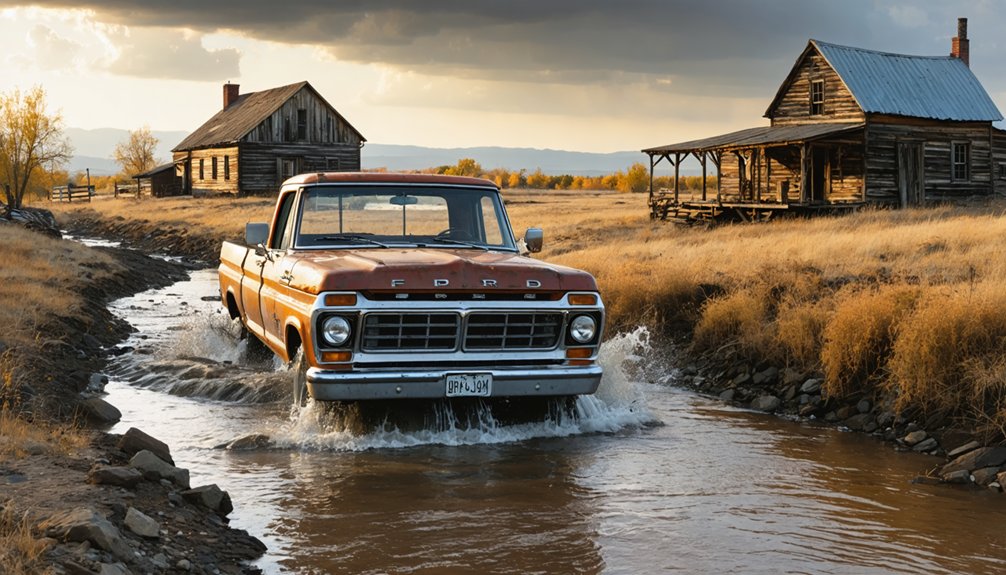
Water crossings along the trail to Canyon City can catch you off guard if you’re not prepared, so knowing what to expect makes all the difference. The trail features multiple crossings, and water safety starts before you ever touch the water.
Scout each crossing from the bank first, identifying the shallowest, calmest route across.
Use crossing techniques that keep you stable — loosen your pack straps so you can shed weight quickly if you fall, and use a sturdy stick for a third point of contact.
Cross at an angle, moving downstream-facing to reduce current resistance against your legs.
Never cross rushing water after heavy rain.
Waterproof your gear inside your pack, and wear your shoes through crossings to protect your footing on slippery rocks.
What to Pack for This Remote Black Hills Hike
Packing smart for Canyon City means treating this hike with the respect it deserves — you’re heading into remote Black Hills terrain with no cell service, no nearby help, and unpredictable conditions. Your camping essentials and photography gear should be deliberate, not an afterthought.
- Water and snacks — There’s no resupply point, so carry more than you think you’ll need.
- Sun protection and sturdy shoes — Exposed terrain and rugged trails punish the unprepared quickly.
- Flashlight and first aid kit — Emergencies don’t wait for convenient timing.
- Photography gear and offline maps — Canyon City’s placer rock evidence and canyon scenery reward a prepared photographer, and downloaded maps replace unreliable cell navigation.
Pack intentionally, and this remote escape rewards you fully.
Rules You Must Follow at Canyon City
When you visit Canyon City, you must leave everything exactly as you find it — removing artifacts, bottles, or debris is illegal under federal preservation laws.
You’ll also need to respect personal property rights and any Forest Service regulations governing the area.
No Artifact Removal Allowed
Although Canyon City’s ghost town contains no standing structures, you’ll still find subtle remnants of human activity scattered throughout the valley — and federal law strictly prohibits you from taking any of it. Artifact preservation isn’t optional here — it’s enforced.
Site security depends entirely on visitor compliance, since no rangers patrol this remote location.
Federal law prohibits removing:
- Placer rocks disturbed by early miners
- Broken glass, bottles, or ceramic fragments
- Metal debris or equipment remnants
- Any naturally displaced materials tied to human activity
Taking even a single item destroys irreplaceable historical data and violates federal preservation statutes.
Your freedom to explore this remarkable site exists because others before you followed the rules.
Photograph everything, pocket nothing, and protect Canyon City’s story for future adventurers.
Respect Property And Regulations
Exploring Canyon City means stepping into protected land governed by both Forest Service regulations and private property boundaries — and you’ll need to respect both without exception. Stay on designated trails to support wildlife preservation — disturbing nesting areas or native habitats carries real consequences.
Cultural sensitivity matters here too; this land holds historical significance for Indigenous communities and early settlers alike, so approach it with genuine awareness. Don’t cross fenced boundaries or ignore posted signage, even when curiosity tempts you.
Pack out everything you bring in, leave no trace, and treat the surrounding ecosystem as the irreplaceable resource it is. Freedom to explore these remarkable landscapes depends entirely on responsible behavior — abuse that freedom, and access restrictions for everyone become the inevitable result.
When to Visit Canyon City for the Best Experience
Late spring through early fall offers the best window for visiting Canyon City, as the weather stays mild enough for comfortable hiking and the multiple water crossings along the trail remain manageable. Plan your timing strategically to maximize your experience:
- Late May through June – Wildflowers bloom across the Black Hills, creating stunning photography opportunities along the trail.
- July through August – Long daylight hours give you maximum exploration time, though early morning starts help you avoid afternoon heat.
- September – Fall colors emerge, wildlife encounters increase as animals prepare for winter, and crowds thin dramatically.
- Avoid winter and early spring – Snow and swollen creek crossings make the remote trail genuinely dangerous without emergency communication available.
Pack your offline maps and arrive ready to roam freely.
Other Black Hills Ghost Towns Near Canyon City
Canyon City rewards the effort it takes to reach it, and once you’re out exploring the Black Hills, you might as well make the most of your trip by hitting a few more ghost towns along the way. South Dakota has 11 documented ghost towns scattered across the region, including Keystone and Parker, both former mining camps that share Canyon City‘s boom-and-bust story.
You’ll find historical markers at several sites that explain the mining operations once driving these communities. Some locations still display remnants of mining equipment, giving you a tangible connection to the gold rush era.
Each town tells a slightly different version of the same story — rapid prosperity, resource depletion, and eventual abandonment — making a multi-stop road trip through the Black Hills genuinely worth your time.
Frequently Asked Questions
Can Children Safely Hike to Canyon City’s Remote Ghost Town Location?
Yes, you can bring children, but prepare carefully! Pack water, snacks, and first aid supplies for the rugged trail. Respect historical preservation rules, watch for wildlife encounters, and make sure kids wear sturdy shoes for safe exploration.
Are Pets Allowed on the Trail Leading to Canyon City?
Like a pioneer blazing new trails, you’ll want to check current Forest Service pet restrictions before heading out. Trail conditions feature water crossings, so keep your furry companion leashed for their safety.
Is Camping Permitted Overnight Near the Canyon City Ghost Town Site?
The knowledge doesn’t confirm overnight camping permissions near Canyon City. You’ll want to check Black Hills Forest Service camping regulations directly, as historical preservation rules strictly govern the site — ensuring you’re free to explore responsibly without legal complications.
How Long Does the Full Canyon City Hike Typically Take to Complete?
The knowledge doesn’t specify hiking duration, but given the trail difficulty—with multiple water crossings and remote terrain—you’ll want to budget ample time. Pack your essentials, download offline maps, and embrace the freedom of exploring this rugged, untamed landscape!
Are There Guided Tours Available for Visiting Canyon City Ghost Town?
No guided tours exist for Canyon City, so you’ll explore it independently! You’re free to roam this historical preservation site at your own pace, discovering incredible photography opportunities while respecting the land’s untamed, adventurous spirit.
References
- https://en.wikipedia.org/wiki/List_of_ghost_towns_in_South_Dakota
- https://blackhillsatvdestinations.com/canyon-city-ghost-town/
- https://blackhillsatvdestinations.com/ghost-towns/
- https://www.ghosttowns.com/states/sd/sd.html
- https://973kkrc.com/ixp/481/p/south-dakota-ghost-towns-2/
- https://www.onlyinyourstate.com/experiences/south-dakota/capa-ghost-town-sd
- https://www.youtube.com/watch?v=lEG3cXhPbCs
- https://openprairie.sdstate.edu/etd/4061/
- https://www.atlasobscura.com/things-to-do/south-dakota/ghost-towns
- https://www.legendsofamerica.com/south-dakota-ghost-towns/