Planning a ghost town road trip to Beehive, Montana means trading polished tourist stops for authentic, windswept history managed by the Bureau of Land Management. You’ll want to visit between late May and September, when roads are open and the visitor center runs daily from 10 AM to 4:30 PM. Out-of-state visitors pay $8 per vehicle, while Montana residents get in free. Pair it with nearby ghost towns like Garnet and Bannack, and there’s far more to discover ahead.
Key Takeaways
- Visit between late May and September when roads are open, the visitor center operates daily from 10 AM to 4:30 PM, and conditions are optimal.
- Take Montana Route 200 near Stillwater County border, parking 11 miles south, but bring a paper map due to unreliable cell service.
- Pack layered clothing, sturdy hiking boots, waterproof gear, water, snacks, a first-aid kit, binoculars, and a camera for remote terrain.
- Extend your road trip by visiting nearby ghost towns: Garnet (30 miles east), Bannack State Park, and quieter Limestone along the route.
- Roads close December through April; out-of-state visitors pay $8 per vehicle, while Montana residents enjoy free admission.
What Makes Beehive, Montana Worth the Drive?
Why drive hours into Montana’s backcountry for a ghost town you’ve probably never heard of? Because Beehive delivers something rare — genuine solitude paired with history you can actually touch.
Managed by the Bureau of Land Management, this unincorporated Stillwater County community draws around 24,000 visitors annually, and once you arrive, you’ll understand why.
Managed by the Bureau of Land Management, Beehive pulls in 24,000 visitors a year — and it earns every single one.
You’ll walk through well-preserved historic architecture that tells the story of a once-buzzing settlement brought to its knees by economic collapse. Local legends surrounding Beehive’s early industrial activity add layers to every weathered beam and crumbling storefront you encounter.
Admission is free for Montana residents, making it an accessible escape for anyone craving open roads and authentic history. This isn’t a tourist trap — it’s Montana’s past, unfiltered and waiting.
The Best Time of Year To Visit Beehive Ghost Town
Timing your visit to Beehive can make or break the experience. Roads close from December through April, cutting off access entirely to wheeled vehicles. You’ll want to plan around the open season to fully appreciate the historical preservation efforts on display.
The sweet spot falls between late spring and early fall, when you can:
- Access the visitor amenities, including the center operating daily from 10 AM to 4:30 PM
- Navigate the roads safely without snow or ice blocking your path
- Explore the well-preserved buildings in comfortable temperatures
Arriving between late May and September gives you the complete experience. You’ll move freely through the site, absorb the rich industrial history, and take your time without battling Montana’s unforgiving winter conditions.
How To Get to Beehive, Montana
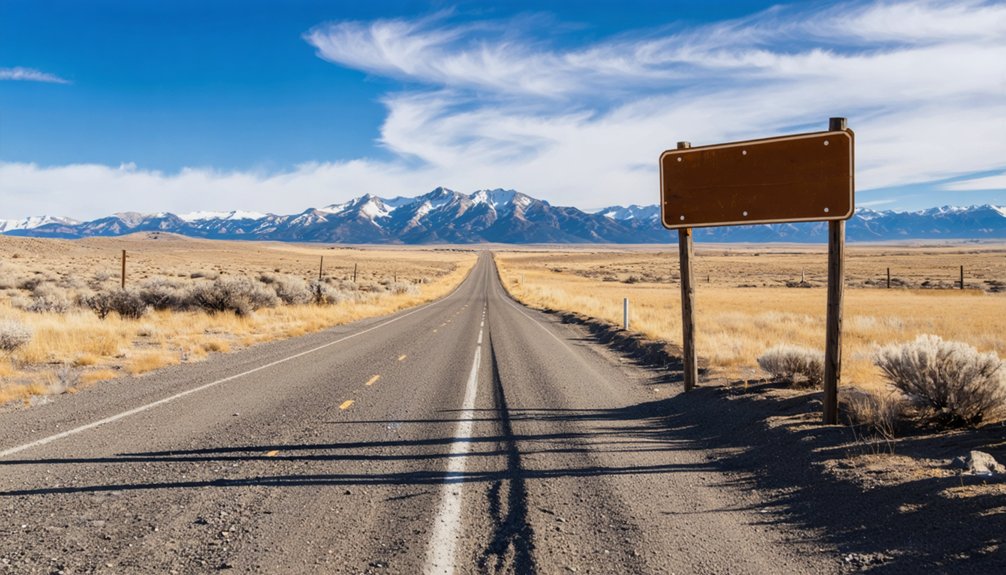
To reach Beehive, your best primary route runs along Montana Route 200 near the Stillwater County border.
A parking area sits 11 miles south of that intersection.
If you’re looking for an alternative, a rough one-lane road off US 90 also connects you to the site.
Keep in mind that winter road closures run from December through April, so you’ll need a snowmobile or skis if you’re visiting during those colder months.
Primary Route Via Montana
Getting to Beehive, Montana is straightforward if you’re coming from within the state — your best bet is Montana Route 200, which runs near the Stillwater County border and serves as the primary access point. From there, you’ll navigate Garnet Range Road, arriving at a parking area roughly 11 miles south of the Route 200 intersection.
Here’s what to keep in mind before you head out:
- Follow the road markers — signage along Route 200 keeps you oriented toward Beehive.
- Explore historical artifacts — the site preserves genuine remnants of early industrial life.
- Ask locals about legends — local legends surrounding Beehive’s decline add depth to your visit.
You’re not just driving to a destination — you’re chasing Montana’s raw, unfiltered history.
Alternative Access Roads
If the main route doesn’t suit your travel plans, a rough one-lane road off US 90 offers an alternative way into Beehive. Follow it south for 11 miles until you reach the parking area.
This road’s slower pace actually works in your favor — you’ll spot wildlife encounters more frequently here, where open terrain gives animals fewer reasons to hide.
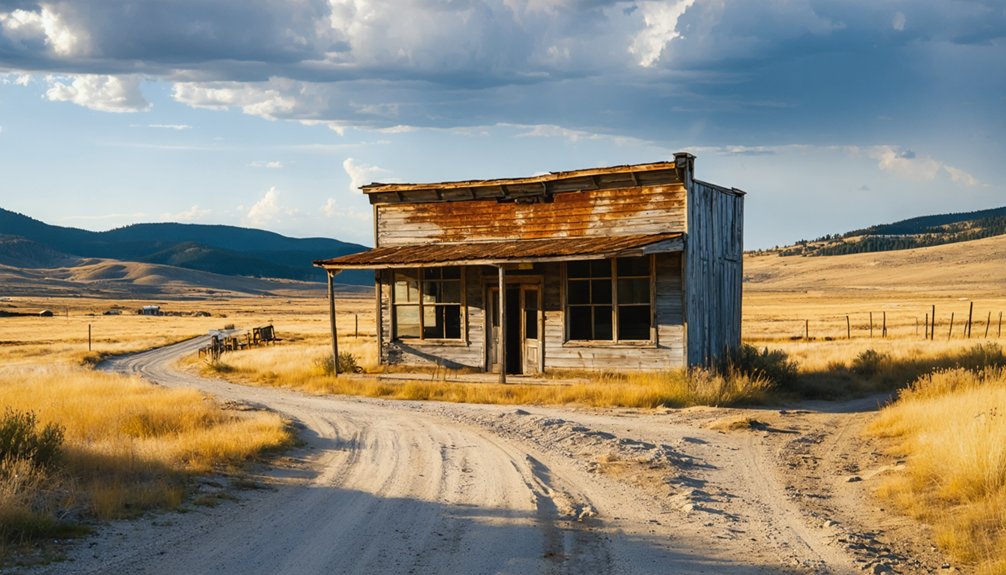
Keep your camera ready throughout the drive. Photography opportunities emerge constantly, from weathered fence lines framing distant peaks to hawks circling above the sagebrush flats.
The unpaved surface demands a capable vehicle and careful driving, especially after rainfall. Check road conditions before heading out, since wet clay can turn treacherous fast.
Embrace the rugged approach — it sets the perfect tone for exploring a genuine ghost town.
Seasonal Road Conditions
Seasonal conditions dramatically shape your access to Beehive, so timing your visit matters. Roads close from December through April, locking away the historical architecture and local legends beneath heavy snow. Plan your journey between late spring and early fall for the best experience.
Here’s what you need to know before hitting the road:
- Winter closures run December through April, restricting all vehicles except snowmobiles and ski access.
- Temperatures drop between 10–15°F during winter months, making unprepared visits genuinely dangerous.
- Peak visiting season runs late May through September, when the visitor center operates daily from 10 AM to 4:30 PM.
Freedom means arriving prepared. Check current road conditions before departing, and you’ll reach Beehive’s preserved streets without unnecessary setbacks.
What the Roads Are Really Like Before You Go
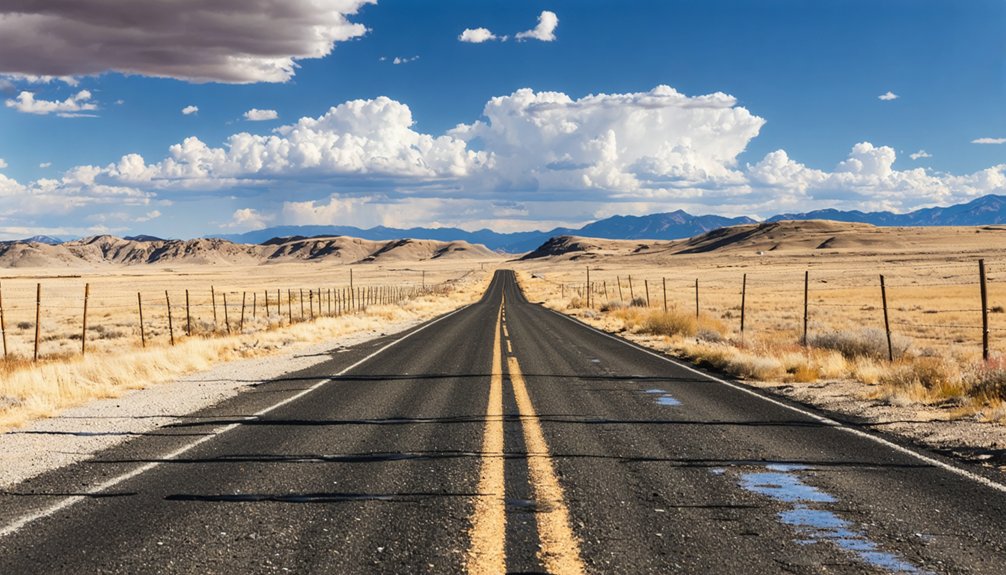
Road conditions to Beehive aren’t exactly highway smooth, so knowing what you’re driving into makes a real difference. A rough one-lane road off US 90 demands a capable vehicle and steady nerves. Expect narrow stretches, loose gravel, and limited passing opportunities — freedom comes with responsibility out here.
From December through April, roads close entirely to standard vehicles. Only snowmobiles and skis get you in during those brutal months, where temperatures regularly drop between 10 and 15°F. Plan accordingly or wait for late spring.
Once you arrive, the payoff is undeniable. Historical artifacts from Beehive’s industrial past line the preserved site, and local legends about the community’s buzzing early economy give every weathered building a story worth chasing.
Road Closures That Could Shut Down Your Trip
If you’re planning a road trip to Beehive, you need to know that road closures run from December through April, shutting out all vehicles except snowmobiles.
Don’t assume you can push through in a truck or SUV — the restrictions apply regardless of your rig.
Time your visit between late spring and early fall to keep your trip from hitting a dead end before it starts.
Winter Vehicle Access Restrictions
Winter road closures can completely derail your trip to Beehive, so you’ll want to plan around them carefully. From December through April, all standard vehicles are barred from accessing the roads leading to this treasure trove of historical architecture and local legends.
Here’s what you need to know before hitting the road:
- Closed season runs December through April — no cars, trucks, or SUVs allowed during this window.
- Snowmobiles and skis are your only options for winter access if you’re determined to explore.
- Late May through early Fall offers the freest, most unrestricted access to experience Beehive fully.
Don’t let a locked gate end your adventure before it starts — time your trip right and the road stays wide open.
Seasonal Road Closure Dates
Knowing the exact closure window can make or break your Beehive trip — the roads shut down from December through April, leaving a narrow but rewarding window from late May through early Fall for standard vehicle access.
Plan your arrival during this open stretch, and you’ll move freely through landscapes teeming with local wildlife while exploring Beehive’s striking historic architecture up close.
Miss that window, and you’re either strapping on skis or turning back entirely. The BLM enforces these closures strictly, so don’t gamble on an early December run.
Check current road conditions before you leave, build flexibility into your schedule, and aim for late Spring when the roads clear and the site fully awakens for the season ahead.
What’s Still Standing at the Beehive Ghost Town Site
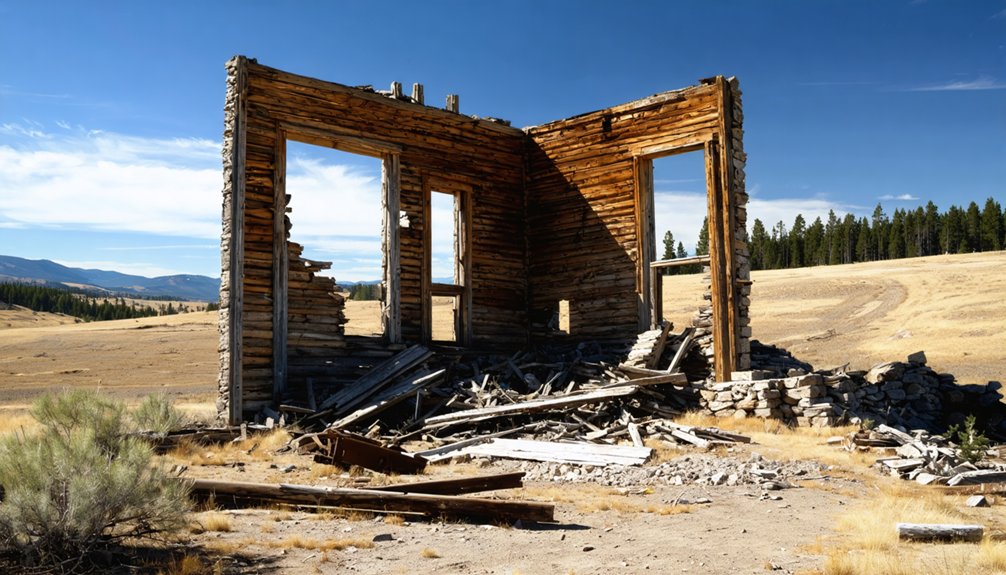
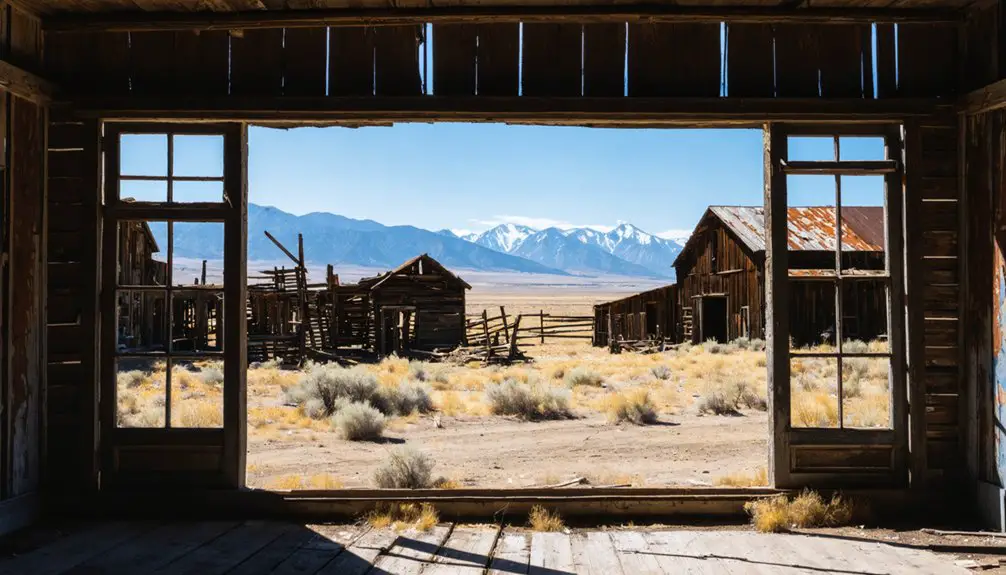
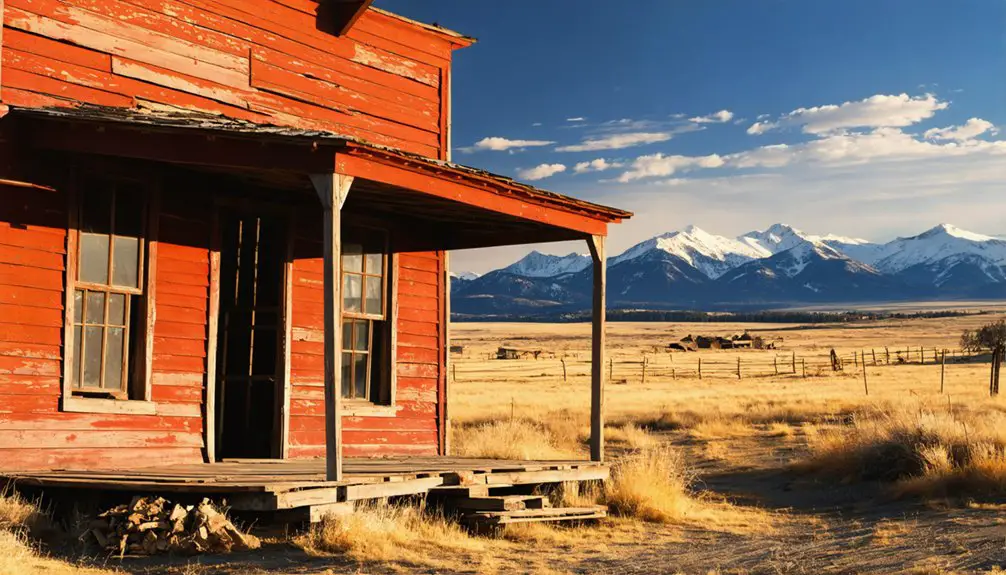
When you arrive at the Beehive ghost town site, you’ll find a collection of well-preserved buildings that paint a vivid picture of the community’s early industrial past. The historic architecture tells stories of a once-buzzing settlement, and wildlife viewing opportunities make every visit feel alive despite the town’s quiet abandonment.
Here’s what you can expect to see:
- Original store structures — remnants of the bee hive stores that once drove local commerce
- Weathered wooden buildings — maintained through BLM preservation efforts to reflect authentic frontier conditions
- Open landscapes — perfect for spotting local wildlife roaming freely around the site
You’re free to explore at your own pace, soaking in 24,000 annual visitors’ favorite preserved details throughout this remarkable Montana ghost town.
Admission Costs and When the Visitor Center Is Open
After you’ve taken in the weathered buildings and open landscapes, planning around the visitor center’s schedule will make your trip much smoother. The center opens daily from 10 AM to 4:30 PM, running late May through September, so timing your visit within that window gives you full access to historical artifacts and visitor amenities inside.
Plan your visit between 10 AM and 4:30 PM, late May through September, for full access to the visitor center.
Admission keeps things simple and fair. Montana residents get in free, while out-of-state visitors pay $8 per vehicle. That fee supports preservation efforts that keep the site intact for future explorers like you.
If you’re arriving outside the operating season, you can still walk the grounds, but the visitor center won’t be available.
Plan your road trip between late spring and early fall to get the complete Beehive experience.
Nearby Ghost Towns Worth Pairing With Beehive
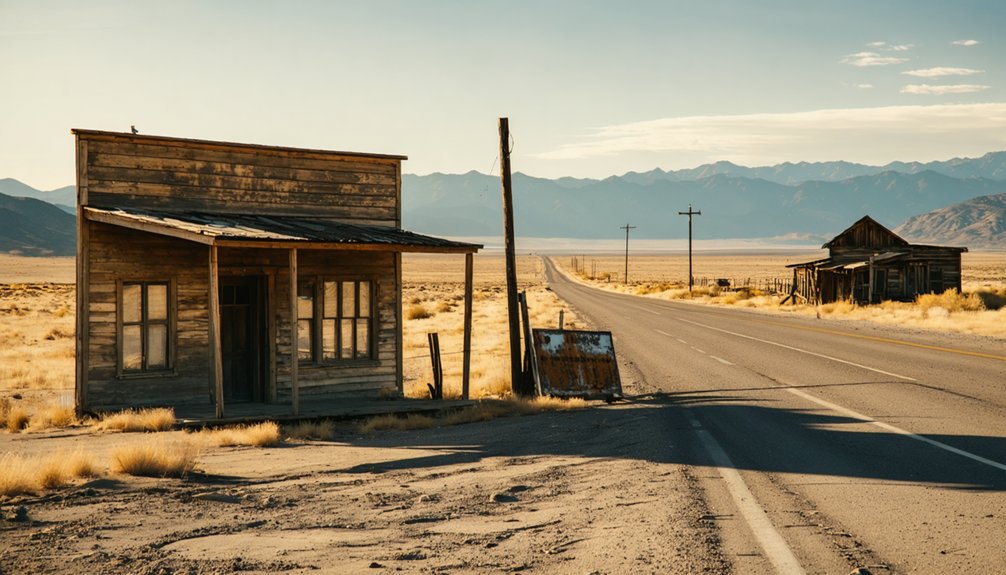
Beehive pairs well with two other ghost towns that make the drive even more worthwhile. While you’re exploring Stillwater County, consider extending your road trip to maximize the experience.
- Garnet – Located 30 miles east of Missoula along Route 200, Garnet offers excellent wildlife viewing and rich local folklore surrounding Montana’s gold rush era.
- Bannack State Park – This preserved ghost town delivers an immersive glimpse into Montana’s territorial past, complete with authentic structures and compelling local folklore.
- Limestone – A quieter nearby stop within Stillwater County that rewards curious explorers seeking off-the-beaten-path discoveries.
Each destination stands strong independently, but together they create an unforgettable journey through Montana’s abandoned history.
Plan your route strategically, and you’ll cover significant ground without backtracking unnecessarily.
What To Pack for a Beehive Ghost Town Road Trip
Packing smart can make or break your visit to Beehive, especially since the remote terrain and unpredictable Montana weather leave little room for error. Bring layered clothing, sturdy hiking boots, and waterproof gear regardless of the season. Water, high-energy snacks, and a first-aid kit are non-negotiables on this road trip.
Since you’ll encounter local wildlife along the trails, pack binoculars and keep a safe, respectful distance from any animals you spot. Carry a camera to document the preserved structures, but remember that removing or disturbing historical artifacts is strictly prohibited and federally punishable.
A paper map is wise since cell service is unreliable. If you’re visiting between December and April, add snowshoes or skis to your gear list for safe travel access.
Frequently Asked Questions
What Is the ZIP Code for Beehive, Montana?
You’ll find Beehive’s ZIP code is 59001 — ironically shared with living Absarokee, not this ghost town’s historical preservation and local legends. It’s a small numerical reminder that even forgotten freedoms leave addresses behind.
Is Beehive Considered an Unincorporated Community or Official Town?
You’ll find Beehive’s an unincorporated community, not an official town. Its historical preservation keeps local folklore alive, letting you explore a fascinating settlement that once buzzed with activity before economic decline transformed it into Montana’s cherished ghost town.
Who Manages the Beehive Ghost Town Site and Federal Estate?
The Bureau of Land Management manages Beehive’s federal estate, ensuring historical preservation for adventurous explorers like you. You’ll find visitor amenities that make exploring this remarkable ghost town both accessible and deeply rewarding for freedom-seeking travelers.
How Many Visitors Does Beehive Ghost Town Attract Each Year?
You’ll join roughly 24,000 visitors annually who’re drawn to Beehive’s hauntings and legends! It’s a paradise of photography opportunities, where you can freely capture well-preserved buildings steeped in fascinating, untamed Montana history.
Are Montana Residents Charged Admission to Visit Beehive Ghost Town?
Like a free bird soaring over Montana’s vast skies, you won’t pay a dime! Montana residents enjoy free admission to Beehive’s historical preservation site, while tourist amenities remain accessible, costing non-residents just $8 per vehicle.
References
- https://app.mt.gov/Shop/mhsstore/ghost-towns-of-montana-4
- https://ghosttownshistoryofmontana.wordpress.com/wp-content/uploads/2025/04/ghost-towns-history-of-mt-57print.pdf
- https://southwestmt.com/ghosts/ghost-towns/glendale-and-canyon-creek-charcoal-kilns/
- https://www.facebook.com/ghosttownsandhistoryofmontana/posts/canyon-creek-charcoal-kilns-constructed-in-1880s-these-brick-beehive-shaped-char/1179632544192480/
- https://sites.rootsweb.com/~mttttp/history/ghost_towns/index.htm
- https://en.wikipedia.org/wiki/Beehive
- https://www.calameo.com/books/0043699383740767dba8a
- https://arc.lib.montana.edu/msu-student-papers/item/326
- https://www.facebook.com/MontanaHistoricalSociety/posts/silver-mines-around-wickes-were-some-of-the-earliest-developed-in-montana-these-/741812734651856/
- https://en.wikipedia.org/wiki/Limestone