Planning a ghost town road trip to Cloverdale, New Mexico means heading deep into Hidalgo County to explore one of the Southwest’s most forgotten communities. You’ll find an old 1918 store, an abandoned flagstone house, and a weathered dance pavilion spread across a quiet, sprawling landscape. Standard 2WD vehicles handle the roads fine, and spring or fall offer the most comfortable conditions for wandering. Stick around, and you’ll uncover the fascinating history, local legends, and insider tips that make this trip worth every mile.
Key Takeaways
- Cloverdale is located in far southwestern New Mexico, Hidalgo County, and standard 2WD vehicles are sufficient for access.
- Use Grid #9 on regional ghost town maps to navigate to Cloverdale efficiently.
- Visit during spring, fall, or winter for comfortable temperatures; summer heat makes exploration exhausting.
- Key remnants include an 1880s-era store, abandoned flagstone house, and a wooden dance pavilion spread across a sprawling landscape.
- Wear walking-friendly footwear, as the town’s layout is widespread and requires considerable foot travel.
What’s Left to See in Cloverdale, New Mexico?
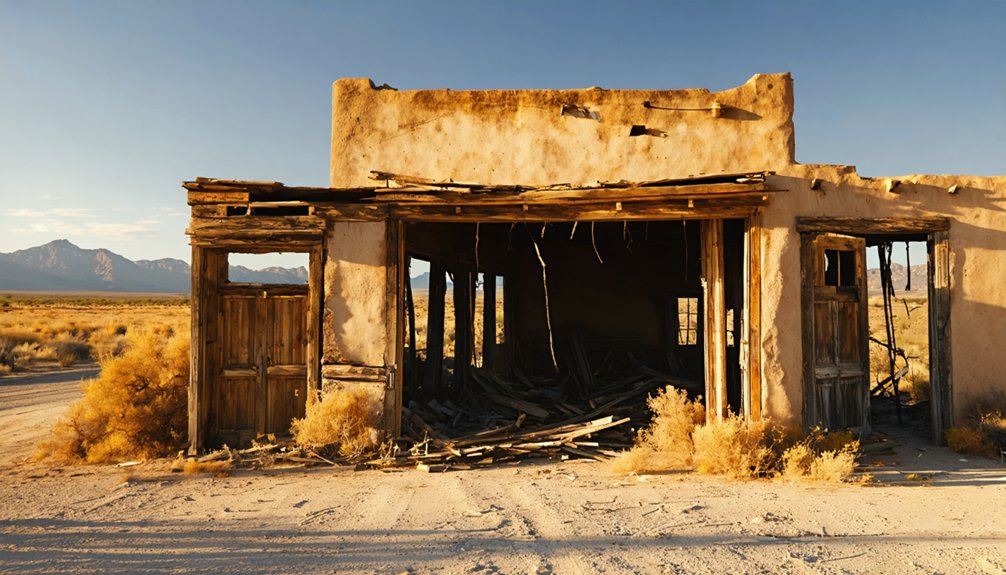
Though Cloverdale never grew beyond two hundred residents, it left behind a surprisingly tangible collection of remnants. You’ll find an old store built in 1918, an abandoned flagstone house still standing against time, and a wooden dance pavilion that once filled with music every Saturday night. These historic landmarks give you a genuine sense of the community that once thrived here.
A ghost town of only two hundred souls, Cloverdale left behind a store, a flagstone house, and a dance pavilion.
The layout sprawls rather than clusters, so plan to explore on foot.
Nearby, the defunct Cloverdale Mine draws annual pilgrim groups and carries its own mystique as one of the highest-altitude mines in the region.
Local legends surrounding Bill Humble, who lived here until 2002, add a human layer to the ruins. Cloverdale rewards curious travelers who appreciate raw, unfiltered history.
How Did Cloverdale Go From Ranching Town to Ghost Town?
Cloverdale’s story follows a familiar arc in the American Southwest: a community built on agricultural promise that simply couldn’t sustain its own momentum. Founded in the 1880s, this Hidalgo County settlement never exceeded two hundred residents, and its widespread layout reflected a community that struggled to consolidate its identity.
The historical decline wasn’t dramatic — no single disaster erased Cloverdale. Instead, economic factors quietly dismantled it. Farming proved difficult in the Animas Valley’s challenging conditions, and without a thriving commercial base, residents gradually drifted toward more viable opportunities elsewhere.
The 1918 store stands as evidence of optimism that ultimately couldn’t outlast reality.
What you’re visiting today is a place that faded organically — a reminder that freedom on the frontier came with no guarantees of permanence.
Who Was Bill Humble: and Why Do Visitors Still Talk About Him?
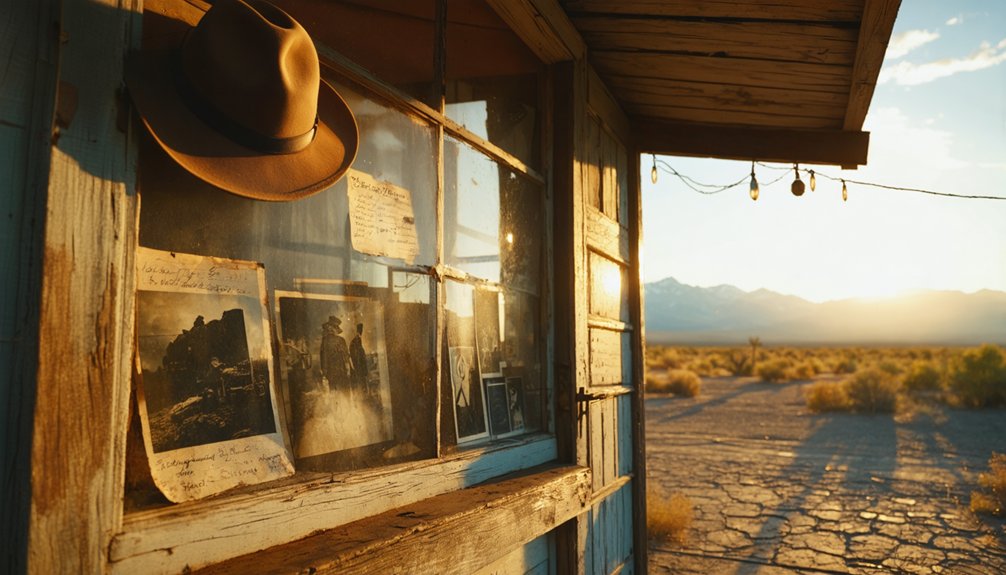
While Cloverdale’s population quietly drifted away over decades, one man chose to stay — and that decision made him a legend. Bill Humble arrived in the early 1970s and lived among the ruins until his death in 2002.
Visitors still share his historical anecdotes around campfires, keeping his memory alive.
What makes Humble one of New Mexico’s most compelling local legends:
- He inhabited an oxygen-deprived ghost town virtually alone for roughly thirty years
- He witnessed annual pilgrim groups passing through toward the defunct Cloverdale Mine
- He experienced Cloverdale’s isolated beauty through every season
- He became a living connection between the town’s past and its forgotten future
When you walk Cloverdale’s grounds today, you’re walking the same land Bill Humble called home.
When Is the Best Time to Visit Cloverdale?
Timing your visit to Cloverdale can make the difference between a memorable road trip and a grueling one. Spring, fall, and winter offer the most comfortable seasonal weather for exploring this widespread ghost town on foot. Mild winters make Cloverdale surprisingly accessible, while spring and fall deliver pleasant temperatures perfect for wandering among the flagstone house, old store, and wooden dance pavilion.
Summer’s warm temperatures can turn your exploration into an exhausting slog, so factor that into your travel preparations before hitting the road. If you’re drawn to the nearby Cloverdale Mine, plan for high-altitude conditions regardless of season. Pack water, wear layered clothing, and arrive early.
Cloverdale rewards those who respect its remote desert environment with an unforgettable glimpse into New Mexico’s forgotten past.
How Do You Get to Cloverdale, New Mexico?
Getting to Cloverdale, New Mexico means heading deep into Hidalgo County, tucked into the far southwestern corner of the state within the Animas Valley. You’ll navigate using Grid #9 on regional ghost town maps, and the good news is you don’t need a special vehicle — standard 2WD handles the roads comfortably.
Here’s what to keep in mind before you roll out:
- Bring a regional ghost town map and locate Grid #9 before departing
- Pack walking gear since the community layout spreads across wide terrain
- Seek out local legends like stories of Bill Humble who lived here until 2002
- Watch for scenic viewpoints along the Animas Valley approaching the site
The remoteness is part of the reward — embrace it.
What Should You Know Before You Make the Drive?
Before you hit the road, you’ll want to know that Cloverdale’s accessible via standard 2WD roads, so no rugged off-road vehicle is necessary.
You’ll get the most out of your trip by planning around spring, fall, or winter, since summer heat can make the visit uncomfortable.
Once you arrive, expect a sprawling site with significant remains to explore on foot, including an old 1918 store, an abandoned flagstone house, and a weathered wooden dance pavilion.
Road Conditions And Access
Reaching Cloverdale doesn’t require a heavy-duty vehicle or an off-road adventure — a standard 2WD passenger car will get you there without issue. Road maintenance along the route keeps conditions manageable, making vehicle recommendations simple: drive what you own.
Before you head out, keep these essentials in mind:
- Navigation: Use Grid #9 on regional ghost town maps to pinpoint your destination
- Seasonal timing: Spring, fall, and winter offer the most comfortable driving conditions
- Exploration prep: The town’s widespread layout means you’ll want solid walking shoes
- Mine access: The nearby Cloverdale Mine sits on harder terrain, so approach cautiously
Once you arrive, you’ll find the freedom to roam a forgotten landscape entirely on your own terms.
Best Seasons To Visit
Timing your visit to Cloverdale can make or break the experience. Local weather patterns favor spring, fall, and winter as the best seasons to explore this remote ghost town. Mild winters make the site surprisingly comfortable, letting you wander the abandoned store, flagstone house, and wooden dance pavilion without battling extreme heat.
Summer’s warm temperatures can turn the high-altitude terrain near the Cloverdale Mine into an uncomfortable challenge, so plan accordingly.
Seasonal activities vary depending on when you arrive. Summer months draw annual pilgrim groups who camp near the defunct mine, making the site livelier but hotter.
If you prefer solitude and cooler air, a fall or spring visit gives you the freedom to explore at your own pace without the crowds or the heat working against you.
What Remains To Explore
Despite its ghost town status, Cloverdale has more standing structures than you might expect. You’ll find historical artifacts and abandoned structures scattered across a surprisingly widespread landscape, rewarding explorers who take time to walk the site.
Here’s what you can expect to discover:
- A 1918 deserted store — one of the town’s most recognizable remaining buildings
- An abandoned flagstone house — still standing and remarkably intact
- A wooden dance pavilion — once alive with Saturday night crowds
- The nearby Cloverdale Mine — accessible only through rugged terrain, worth the challenge
Tour guides describe the site as “Much Remains,” and they’re not wrong. You won’t find a compact, walkable grid — Cloverdale spreads out, so plan accordingly and wear comfortable shoes.
Frequently Asked Questions
What Is the Grid Number for Cloverdale on Ghost Town Maps?
Like ancient cartographers charting new worlds, you’ll find Cloverdale’s ghost town history marked at Grid #9 on regional maps. Use this map navigation coordinate to chart your adventure and explore its remarkable, freedom-calling remnants!
Did Cloverdale’s Population Ever Exceed Two Hundred Residents?
Cloverdale’s historical population trends never exceeded two hundred residents — you’ll find this intimate ghost town’s preservation efforts all the more remarkable knowing such a small, free-spirited community left behind so many fascinating, lasting remnants to explore.
What Type of Vehicle Do I Need to Reach Cloverdale?
You’ll need a standard 2WD vehicle to reach this historic ghost town, making your off-road adventure surprisingly accessible! You don’t need special equipment — just pack your curiosity and hit those dusty New Mexico roads confidently.
What Year Was the Deserted Store in Cloverdale Constructed?
Like a time capsule frozen in history, the deserted store’s vintage architecture dates to 1918. You’ll find its haunted legends echo through weathered walls, letting you touch a piece of Cloverdale’s mysterious, untamed past firsthand.
Do Annual Pilgrim Groups Still Visit the Cloverdale Mine Area?
Yes, annual pilgrim groups still visit the Cloverdale Mine area! You’ll find these dedicated explorers honoring historical mining practices while championing ghost town preservation efforts, making it an engaging, freedom-filled adventure you won’t want to miss.
References
- https://en.wikipedia.org/wiki/Cloverdale
- https://www.ghosttowns.com/states/nm/cloverdale.html
- https://www.altaonline.com/dispatches/a66128011/ghost-town-cloverdale-sarah-scoles/