Currant, Nevada sits on Highway 6 between Tonopah and Ely, and it’s worth building your road trip around. You’ll find collapsed ruins, weathered cabins, and about 65 residents still holding the town together. Homesteaders arrived in 1868, miners followed, and the desert absorbed it all. Spring and fall offer the best conditions for exploring. Stick around — there’s more to this quiet stretch of Nevada than the highway lets on.
Key Takeaways
- Currant, Nevada sits on Highway 6 between Tonopah and Ely, accessible year-round by 2WD vehicle with no special permits needed.
- Explore weathered ruins including a collapsed cafe, motel, and the former school site closed in 1966 and destroyed by arson in 1970.
- Spring and fall offer the best visiting conditions, with milder temperatures, wildflowers, and wildlife enhancing the ghost town experience.
- Despite being a ghost town, roughly 65 residents still live in Currant, making it a rare living ghost town destination.
- Currant’s history spans homesteaders in 1868, stagecoach routes, and mining attempts in 1914 and 1939, providing rich historical exploration opportunities.
What Makes Currant, Nevada Worth the Detour?
Though it’s easy to speed past on Highway 6 between Tonopah and Ely, Currant, Nevada rewards the traveler who slows down. You’ll find a community that’s part ghost town, part living settlement — a rare combination that tells Nevada’s full story rather than just its abandoned chapters.
You’re looking at layers here: homesteaders arriving in 1868, stage coaches rolling through toward Eureka and Tybo, miners chasing gold and magnesite, and finally a roadside cafe and motel keeping the place alive until 1996.
Local legends and scenic views of the central Nevada basin pull you deeper into the landscape.
Currant isn’t a ruin — it’s a remnant with a pulse. That distinction makes it one of the most honest ghost-town stops you’ll find anywhere in the state.
What’s Left to See When You Arrive in Currant
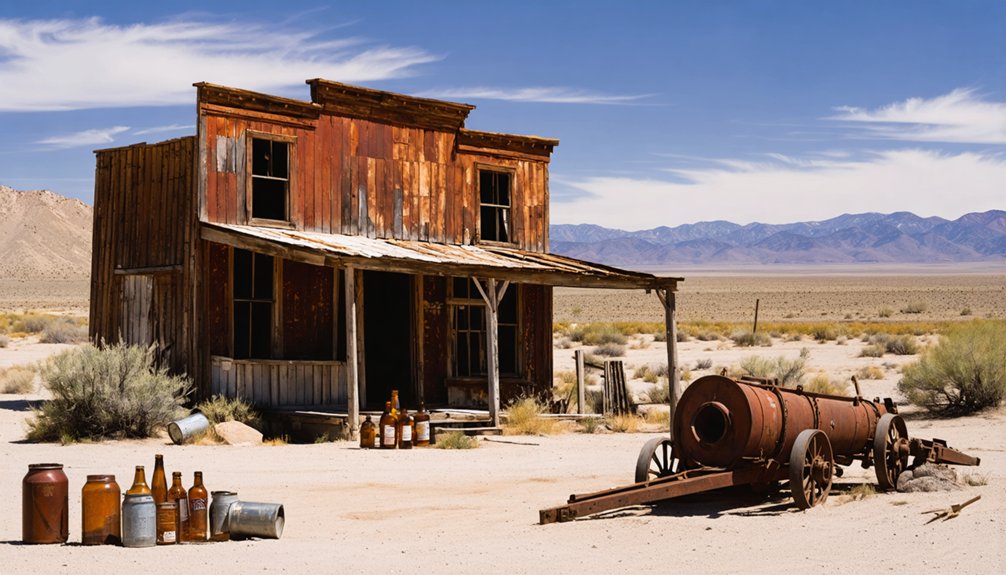
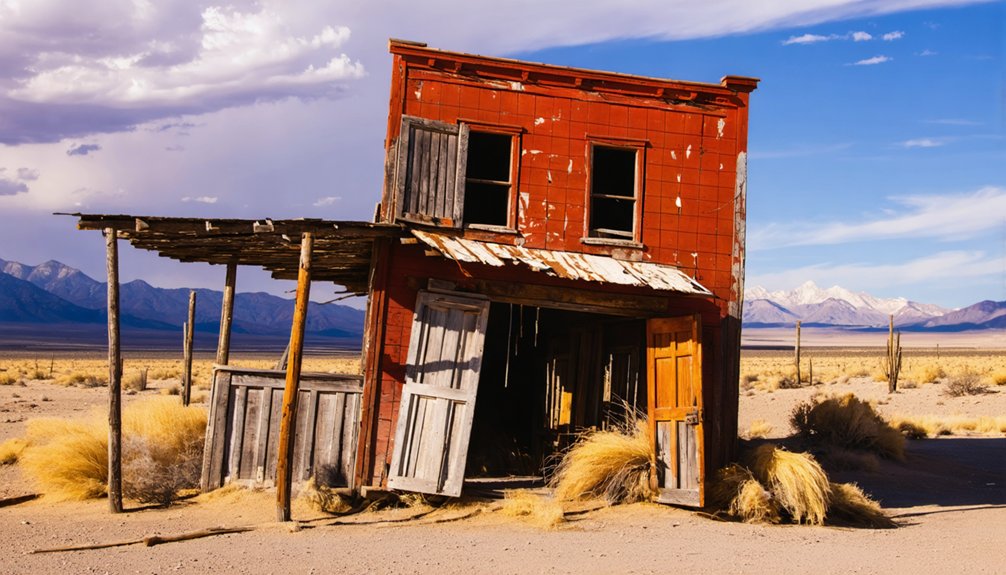
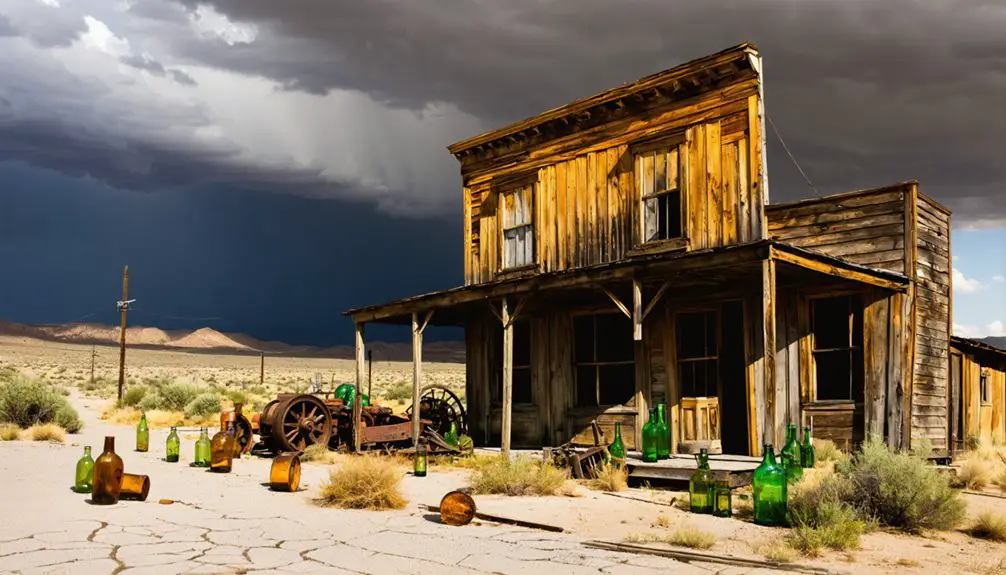
Once you pull off Highway 6 and let the engine quiet, the remnants of Currant speak for themselves. The collapsed cafe and motel stand as the town’s most visible hidden ruins, their weathered frames hinting at decades of travelers passing through on the Tonopah-to-Ely run.
The collapsed cafe and motel say everything — weathered frames holding the memory of every traveler who passed through.
Older cabins dot the landscape alongside newer structures, proof that roughly 65 people still call this place home.
Local legends trace the town’s arc from busy 1870s stage stop to forgotten roadside shell. The former school site carries its own dark chapter — closed in 1966, destroyed by arson in 1970.
You won’t need a guide to feel the weight of that history. Just walk the edges of town, read the silence, and let Currant tell you what it’s lost.
From Homestead to Highway: How Currant, Nevada Took Shape
When you trace Currant’s roots back to 1868, you’ll find bold homesteaders who saw potential in this remote Nevada valley and staked their claim.
Within just a few years, ten families had settled in, and the community quickly earned its place as a reliable supply point for surrounding ranches.
That practical, hardworking identity shaped everything Currant would become.
Early Homesteaders Arrive
Before the roads came, before the stages rolled through, and before any saloon poured its first drink, homesteaders staked their claim to Currant’s high desert valley in 1868. They weren’t chasing scenic byways or local cuisine — they were chasing survival, planting roots in unforgiving terrain because the land offered water, grass, and possibility.
Within just a few years, ten families had settled nearby, transforming an empty valley into a working community. They built ranches, raised livestock, and quietly established something durable.
You can trace their determination in the landscape today — the same wide valley, the same stark ridgelines framing the horizon.
These early arrivals didn’t just survive; they laid the foundation for everything Currant would eventually become.
Becoming A Supply Hub
Those ten families didn’t just build homes — they built a lifeline. By the 1870s, Currant had transformed into a legitimate supply hub, feeding and fueling stage travelers pushing toward Tybo, Eureka, and Hamilton.
Wagons rolled through regularly, and local folklore credits the town’s resilience to those early ranchers who refused to let the desert win.
The Mining Attempts That Never Transformed the Town
Though Currant had built a quiet identity around ranching and roadside hospitality, the discovery of gold in 1914 on the Shepherd Ranch stirred new ambitions. The Sunrise Mine followed in 1916, but Currant’s mining history never delivered the boom-and-bust drama that transformed other Nevada towns. Instead, you get something rawer — a place that tried and stayed honest.
Here’s what the timeline tells you:
- 1914 — Gold discovered on the Shepherd Ranch
- 1916 — The Sunrise Mine opens, then quickly fades
- 1939 — Magnesite and gold renew hope
- 1942 — Mining activity stops again, quietly
When you stand here today, you’re standing where ambition met reality. No boomtown explosion. Just resilience, open land, and a story worth chasing.
Where Currant Fits on a Central Nevada Road Trip
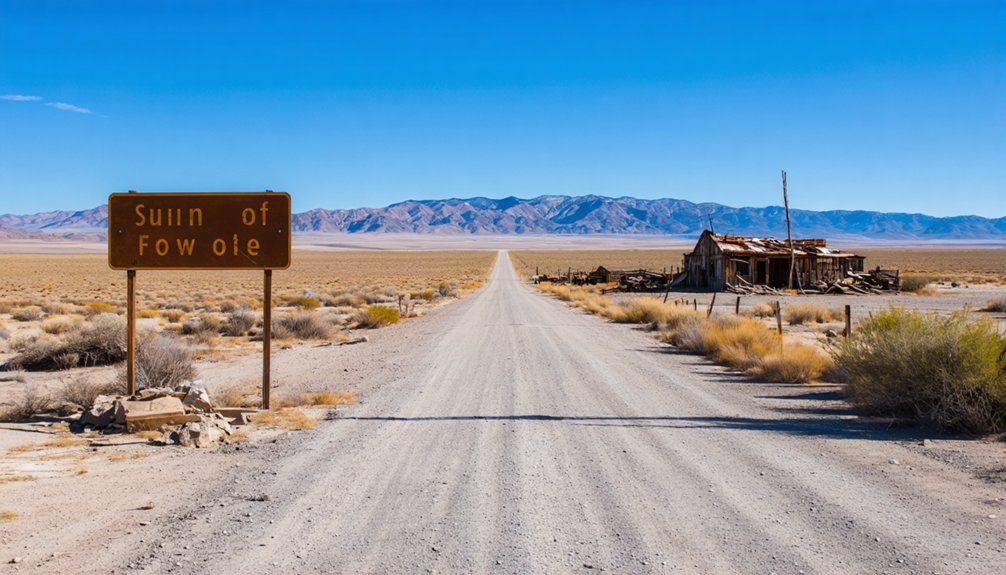
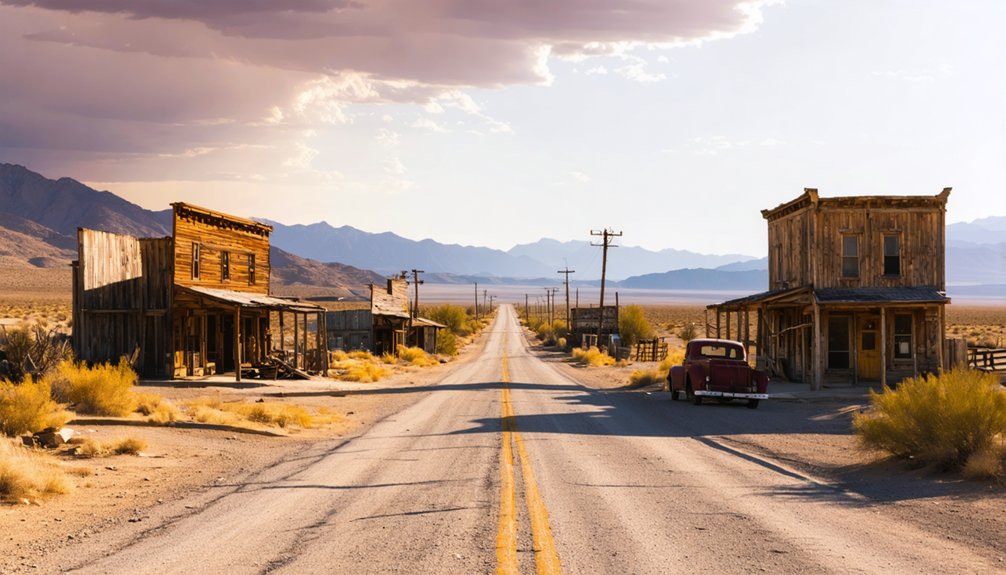
If you’re driving Highway 6 between Tonopah and Ely, Currant isn’t a detour — it’s already on your route. This stretch of central Nevada rewards travelers who stop rather than speed through.
Pull over in Currant and you’ll find historic architecture slowly surrendering to time — the collapsed cafe and motel tell a quiet story of roadside ambition.
The old cafe and motel don’t stand anymore — but their silence says plenty about what this road once promised.
Watch for local wildlife along Currant Creek, where the landscape opens into ranching country that’s still very much alive.
The junction with State Route 379 also puts Duckwater within easy reach, extending your loop deeper into the valley.
Currant works best as a deliberate stop, not an afterthought. Park, walk around, and let the ruins speak before you push on toward Ely.
Best Time to Visit Currant, Nevada and What to Expect
You can visit Currant almost any time of year, since the road access is standard 2WD and Highway 6 stays open through central Nevada’s shifting seasons.
Summer brings intense heat across the high desert, so if you’re sensitive to that, spring and fall offer cooler temperatures for poking around the old cafe and motel ruins.
Winter visits are quieter and sharper in the cold, but they’ll give you an unobstructed look at what’s left of a town that once warmed stagecoach travelers headed to Tybo and Eureka.
Ideal Visiting Seasons
Currant welcomes visitors year-round, and its high desert setting shapes what you’ll actually experience on the ground. Each season delivers something distinct:
- Spring – Wildflowers push through the valley floor, and wildlife viewing peaks as animals emerge across the open range.
- Summer – Long daylight hours let you explore every ruin thoroughly, though midday heat demands early starts and extra water.
- Fall – Seasonal foliage transforms the surrounding basin into warm gold and amber, making ruins feel cinematic against the landscape.
- Winter – Sparse crowds and sharp, clean light reward the bold traveler willing to layer up for the cold.
No single season locks you out. Pack for the conditions, point toward Highway 6, and let Currant meet you on its own terms.
Weather And Road Conditions
Sitting at roughly 5,800 feet in central Nevada’s high desert, Currant runs hot in summer and cold in winter, but neither extreme closes the door on a visit. Local weather can push past 90°F in July and dip below freezing by December, so pack accordingly.
The good news is that road conditions stay manageable year-round — access is rated 2WD, meaning your standard vehicle handles the route without complaint. Highway 6 between Tonopah and Ely is well-maintained, and State Route 379 toward Duckwater won’t punish you either.
Spring and fall offer the most comfortable temperatures, but if you’re chasing open skies and an empty road, even a sharp winter morning delivers its own kind of reward out here.
Frequently Asked Questions
Is There Cell Phone Service Available in Currant, Nevada?
Cell service limitations are real out here — you’re venturing into Nevada’s raw, untamed interior. Don’t count on reliable connectivity options in Currant. Embrace the disconnect, carry a paper map, and let the open road guide your freedom.
Are There Any Camping Spots Near Currant for Overnight Stays?
Ironically, luxury’s nowhere near this rugged frontier. Camping options stay primitive around Currant’s windswept basin, but you’ll find overnight accommodations in nearby Ely or Tonopah — true waypoints for your adventurous, freedom-chasing ghost town odyssey.
Can Visitors Legally Enter the Ruined Cafe and Motel Buildings?
You’ll want to respect trespassing laws before stepping into those abandoned buildings. Unless owners grant permission, you can’t legally enter — but you can soak in their haunting presence from the road and imagine Currant’s bustling past.
Is Currant, Nevada Close to Any Other Notable Ghost Towns?
Like Steinbeck’s wanderers chasing horizons, you’re in luck — Currant sits near Tybo and Eureka, both steeped in abandoned mining lore and ghost town history, letting you roam central Nevada’s forgotten past freely.
Are There Any Annual Events or Gatherings Held in Currant?
No records confirm annual events in Currant, but you’ll find the town’s spirit alive in its ruins and local legends. Its historical preservation efforts quietly keep the community’s adventurous, free-spirited past breathing for curious road-trippers like you.
References
- https://travelnevada.com/ghost-town/
- https://nvtami.com/2024/07/23/ely-explorations/
- https://mrzip66.com/2016/09/currant-nevada-2016/
- https://www.britannica.com/place/Ely-Nevada
- https://www.ghosttowns.com/states/nv/currant.htm
- https://www.forgottennevada.org/sites/currant.html
- https://www.nvexpeditions.com/nye/currant.php
- https://en.wikipedia.org/wiki/Currant