Planning a ghost town road trip to Desert Lake, Utah means heading into Castle Valley’s remote alkali flats, where a few weathered log homes still stand as quiet relics of pioneer struggle. You’ll want a high-clearance vehicle, offline maps, and plenty of water before leaving Price. Spring or fall gives you the most reliable road conditions. Adding Victor’s standing schoolhouse just six miles away makes the trip even richer, and there’s plenty more to know before you go.
Key Takeaways
- Desert Lake Ghost Town is located in northern Emery County’s Castle Valley, Utah, accessible from Price via Cleveland and rural county roads.
- A high-clearance vehicle, offline maps, and extra water are essential due to remote backcountry roads and unreliable GPS signals.
- Visit during spring or fall (April–June, September–October) when mild temperatures keep roads firm and conditions safe.
- The site features standing log homes and abandoned structures; nearby Victor Ghost Town, six miles away, adds a worthwhile stop.
- Pack sturdy boots, sunscreen, layered clothing, and paper maps while practicing Leave No Trace principles throughout your visit.
What’s Left to See at Desert Lake Ghost Town
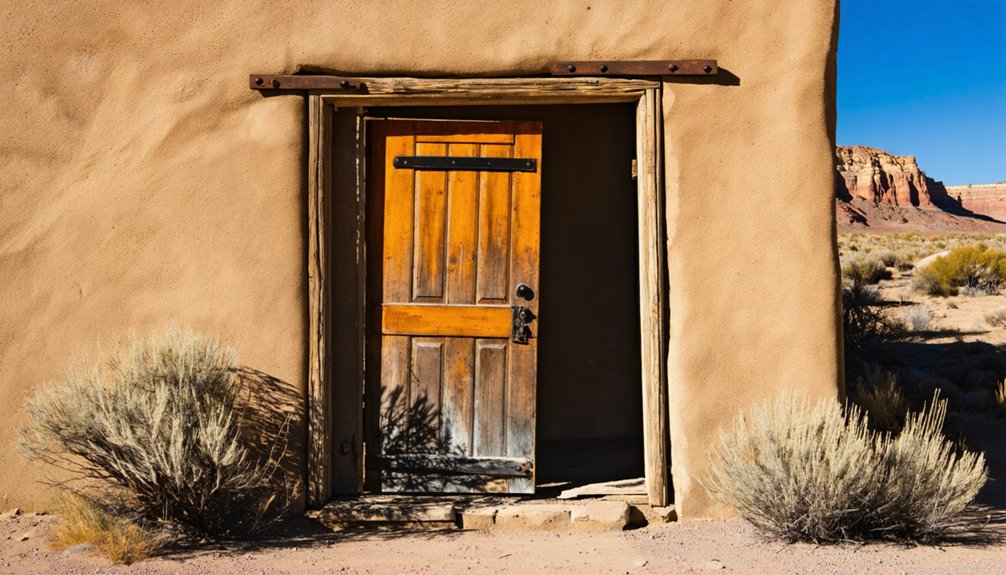
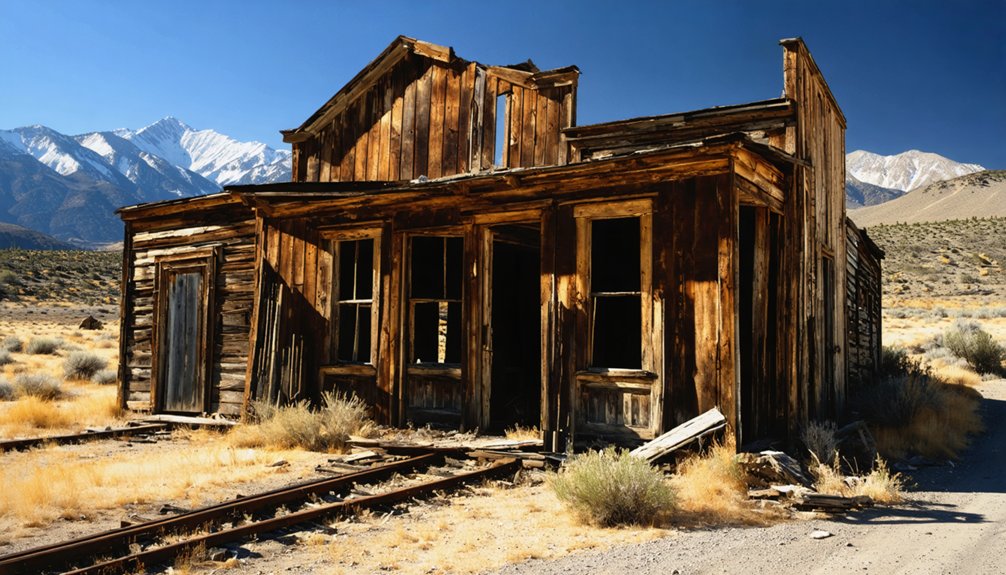
Though Desert Lake has long since faded into Utah’s arid landscape, a few log homes still stand at the site, offering a quiet but tangible connection to the settlers who once coaxed crops from alkali-laced soil. These abandoned structures won’t overwhelm you with grandeur, but they carry real weight. You’re standing where families built a community from scratch in 1885, only to watch the land turn against them.
Six miles away at Victor, you’ll find a schoolhouse and scattered foundations — modest but meaningful historical artifacts that round out the story. Bring a camera, wear sturdy boots, and move through both sites with curiosity.
The landscape itself tells you everything: dry, unforgiving, and honest about why these towns couldn’t survive.
How to Get to Desert Lake in Castle Valley, Utah
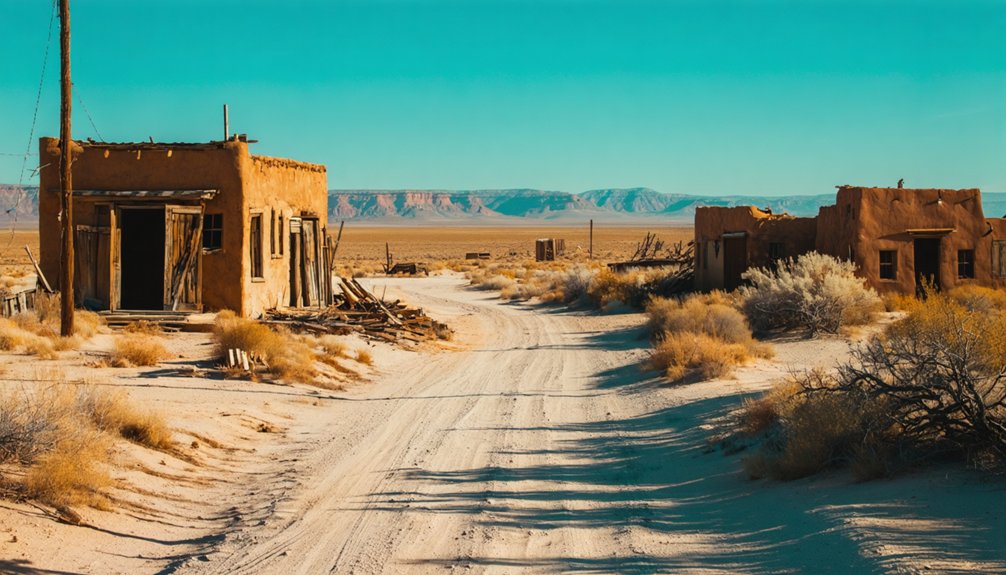
Desert Lake sits in northern Emery County’s Castle Valley, and getting there means committing to Utah’s remote backcountry roads. Start from Price, Utah, then head south toward Cleveland and follow rural county roads into the valley. A high-clearance vehicle handles the terrain better, especially after rain softens the desert floor.
As you navigate, you’re tracing the same paths settlers once used to haul materials for their ambitious water management projects. The isolation you’ll feel mirrors what those early families lived daily.
GPS signals can drop, so download offline maps before leaving pavement.
Historical preservation efforts haven’t brought modern amenities to the site, which means you’re arriving on the land’s terms. That’s exactly what makes Desert Lake worth the drive.
When Desert Lake’s Roads and Weather Are Most Reliable
Spring and fall offer the most reliable windows for visiting Desert Lake, when mild temperatures keep the unpaved county roads firm and dry. Aim for April through early June or September through October to avoid summer flash floods that can wash out access routes entirely.
Winter brings frozen ground and impassable snow, cutting you off from a site carrying deep historical significance as one of Utah’s earliest irrigation-dependent settlements.
Summer heat cracks the desert floor and can make road surfaces dangerously unstable.
Visiting during stable seasons also lets you move carefully around what little remains, supporting informal preservation efforts by minimizing vehicle damage to fragile terrain.
Check Emery County road conditions before you leave, and carry extra water regardless of season.
Victor Ghost Town: The Six-Mile Stop Worth Adding
Once you’ve walked Desert Lake’s quiet remains, Victor sits just six miles away and deserves a stop of its own. Founded in 1910 by Desert Lake’s displaced settlers, Victor represents their second attempt at carving out a life in an unforgiving landscape.
Victor sits just six miles from Desert Lake — a second attempt at survival by the same displaced settlers.
Named for postal worker George W. Victor, the town briefly thrived before blowing sand and dry conditions ended the experiment around 1920.
Today, you’ll find a standing schoolhouse and scattered foundations — historical artifacts that tell a story of stubborn optimism meeting hard reality.
Victor’s failure mirrored Desert Lake’s: both communities underestimated how fragile water management could be in this arid region.
Walking both sites back-to-back gives you a fuller picture of frontier life’s brutal, unfiltered terms.
What to Pack for the Desert Lake Site Specifically
Visiting a remote, arid ghost town like Desert Lake demands more preparation than a typical day hike. You’re entering dry, alkali terrain with no services, so pack accordingly. Bring more water than you think you need — the same water management challenges that doomed this settlement still define the landscape today.
Wear sturdy boots to navigate uneven ground around the remaining historic structures and old embankment remnants. Pack sunscreen, a hat, and layers since desert temperatures shift dramatically.
Carry a paper map or downloaded offline GPS — cell service is unreliable this deep into Emery County. A camera helps document the few surviving log homes still standing.
Finally, pack out everything you bring in and respect what little remains of this fragile, abandoned site.
Frequently Asked Questions
Who Originally Founded Desert Lake, and Where Did They Come From?
Families from nearby Cleveland founded Desert Lake in 1885 — leaving familiar roots yet chasing new horizons. You’ll find their legacy in historical architecture and local legends echoing across Utah’s haunting, arid landscape they once boldly transformed.
What Caused Desert Lake to Be Abandoned by Its Residents?
You’d find that irrigation destroyed Desert Lake’s wildlife habitat by raising alkali levels, poisoning soil and crops. Much like climate change challenges today, worsening environmental conditions made farming impossible, forcing residents to abandon their once-thriving frontier community.
How Large Was the Reservoir Built by Desert Lake Settlers?
The settlers’ reservoir capacity reached an impressive 300 acres — a massive feat given the construction challenges they faced in Utah’s harsh desert. You’d be amazed how hard they worked to tame such an unforgiving, arid landscape.
Did Any Church Organization Help Rebuild Desert Lake’s Dam?
Yes, you’ll find that the LDS Church stepped up with church aid, donating $1,000 toward reconstruction efforts after the 1896 dam failure, helping settlers rebuild and extend a crucial ditch toward Cleveland.
Why Was the Nearby Ghost Town of Victor Given That Name?
You’ll find that Victor got its name from George W. Victor, a postal worker. It’s one of the fascinating Desert Lake attractions tied to historical ghost towns, where everyday people left their mark on Utah’s pioneer legacy.
References
- https://en.wikipedia.org/wiki/Desert_Lake
- https://en.wikipedia.org/wiki/Victor
- https://kids.kiddle.co/Victor
- https://www.visitutah.com/things-to-do/history-culture/ghost-towns
- https://en.wikipedia.org/wiki/List_of_ghost_towns_in_Utah
- https://onlineutah.us/victorhistory.shtml
- http://utahspresenthistory.blogspot.com/2011/04/ghost-town-in-utah-county-you-probably.html
- https://en.wikipedia.org/wiki/Terrace
- https://www.facebook.com/groups/utahgroup/posts/4317197538609925/
- http://emerycountyarchives.blogspot.com/2011/09/desert-lake-area-today.html