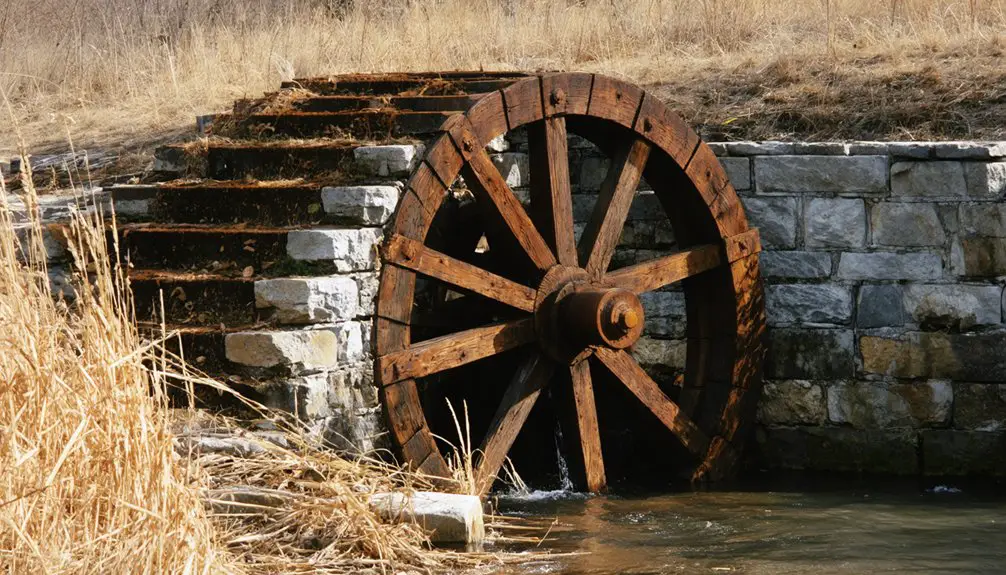
Planning a ghost town road trip to Englewood, Kansas means stepping into a nearly abandoned Clark County relic where fewer than 100 residents remain. You’ll explore crumbling hotel ruins, a weathered pioneer cemetery, and vacant storefronts frozen since the town’s 1908 collapse. Drive north on U.S. Highway 283, pack your own supplies, and prepare for unpredictable prairie roads. Everything you need to make this trip unforgettable is just ahead.
Key Takeaways
- Englewood, Kansas, a semi-ghost town in Clark County, features hotel ruins, an 1880s cemetery, and abandoned storefronts worth exploring.
- Drive north on U.S. Highway 283 from the Oklahoma border; roads are 2WD-friendly but expect potholes and eroded shoulders.
- No lodging, stores, or campgrounds exist in Englewood; plan accommodations roughly 30 miles away and bring all necessary supplies.
- Pack water, food, a camera, sturdy boots, layered clothing, and a paper map, as cell service is unreliable.
- Nearby ghost towns, Clark State Fishing Lake, and open prairie scenery make ideal additions to your Englewood road trip itinerary.
What Makes Englewood, Kansas a True Ghost Town?
Though it never made it onto most maps, Englewood, Kansas tells a story that’s hard to ignore. Founded in 1884, this Clark County settlement once buzzed with three drug stores and four dry goods outlets.
Englewood, Kansas never made most maps — but its 1884 story, once alive with commerce, demands to be told.
Then drought hit, and a devastating 1908 fire erased most of what remained.
Today, you’ll find urban decay frozen in time — vacant storefronts, abandoned buildings, and a main street that feels lifted straight from a Western film. With fewer than one hundred residents, Englewood earns its “semi-ghost town” classification honestly.
What you won’t find here is ghost town preservation efforts or historic landmark designation. That absence is exactly what makes Englewood raw and authentic. You’re experiencing American frontier history without the tourist polish — just open prairie and honest ruins.
Englewood Ghost Town Ruins and Historic Sites Worth Seeing
When you walk Englewood’s main street, you’ll find the haunting ruins of two original hotels that once welcomed traveling merchants during the town’s 1880s boom.
Don’t miss the historic cemetery, where weathered grave markers tell the stories of early settlers who built and lost this community.
You can also seek out the sites of the two lost lumber yards, now little more than faint footprints on the prairie landscape.
Abandoned Hotels And Ruins
Among the most compelling sights in Englewood are the ruins of its two original hotels, which once bustled with traveling merchants and ranchers during the town’s 1880s boom. Today, their crumbling facades stand as striking examples of urban decay, quietly telling the story of a community that nearly became the “New Chicago” of the Great Southwest.
As you walk through what remains, you’ll notice the historic architecture still hints at the town’s former ambition. Weathered timber frames and collapsed storefronts create an atmosphere that feels both haunting and cinematic.
The 1908 fire accelerated much of the destruction, leaving behind skeletal structures frozen in time. Bring your camera — these ruins offer some of the most visually striking photography opportunities on any Kansas ghost town road trip.
Historic Cemetery Exploration
Just beyond the quiet edges of Englewood, a historic cemetery holds the graves of early settlers who shaped this once-ambitious prairie town during its 1880s peak. You’ll find weathered headstones that tell stories no vintage signage ever could.
Local legends surrounding certain graves add mystery to your exploration.
Here’s what to look for during your visit:
- Faded headstone inscriptions dating back to the late 19th century
- Family plots revealing Englewood’s earliest pioneering surnames
- Unmarked graves tied to local legends passed down through generations
- Weathered iron fencing that once defined prominent settler boundaries
Walk slowly, respect the grounds, and let the silence speak. This cemetery connects you directly to the raw, unfiltered human story behind Englewood’s forgotten ambitions.
Lost Lumber Yard Sites
Stepping away from the cemetery’s quiet graves, you’ll find another layer of Englewood’s forgotten past scattered across the lots where two lumber yards once fueled the town’s ambitious 1880s building boom.
These sites supplied raw materials that shaped every storefront, hotel, and homestead during Englewood’s peak years. Today, the lumber yard history lives only in scattered ground depressions, rotted timber fragments, and the occasional rusted hardware half-buried in the soil.
Walking these lots feels like reading a sentence with missing words. The abandoned woodworking operations vanished long before the 1908 fire claimed most of the town, leaving little more than outlines pressed into the earth.
Bring a sharp eye and you’ll spot details most casual visitors completely overlook.
The Best Nearby Ghost Towns to Pair With Englewood
If you’re already making the trek to Englewood, you’d be smart to extend your road trip through Clark County’s surrounding ghost towns. Acres, Sitka, and Lexington each offer their own forgotten histories.
While nearby Clark City adds another layer of regional intrigue to your journey. You’ll also find remote cemeteries, abandoned post offices, and scenic stops like Clark State Fishing Lake scattered throughout the landscape, making the entire area a rich destination for history lovers.
Clark County Ghost Towns
Englewood isn’t the only ghost town worth exploring in Clark County — the surrounding region is dotted with forgotten communities that make for compelling side trips. Each location carries its own local folklore and ghost stories that reward curious travelers willing to roam off the beaten path.
Here are four nearby ghost towns worth adding to your route:
- Acres — A barely-there settlement with scattered remnants of early homesteading.
- Sitka — A quiet crossroads steeped in faded prairie history.
- Lexington — Once a promising community, now reclaimed by the Kansas landscape.
- Clark City — A former county seat hiding crumbling foundations and forgotten ambitions.
Together, these stops create a richly layered road trip through Clark County’s haunted, windswept past.
Nearby Forgotten Communities
While Englewood anchors your Clark County ghost town itinerary, the surrounding landscape hides several forgotten communities that deserve a spot on your route. Acres, Sitka, and Lexington each offer their own brand of eerie silence and crumbling history.
Clark City, once a regional contender, now exists mostly in local folklore and faded county records. Nearby Muddy adds another layer of abandonment worth exploring on foot.
Don’t overlook Mount Jesus, where urban legends tied to early railroad history give the area an almost mythical quality. Between stops, Clark State Fishing Lake breaks up the desolation with genuine natural beauty.
These communities aren’t just ruins — they’re layered stories waiting for curious travelers willing to leave the main highway and follow gravel roads into Kansas’s forgotten past.
Regional Historic Sites
Clark County rewards the ghost town enthusiast who ventures beyond Englewood’s main street, offering a tight cluster of forgotten settlements within a reasonable drive. You’ll find historic architecture and local legends scattered across the surrounding prairie landscape.
- Clark City – An early county seat swallowed by time, featuring remnant foundations worth exploring.
- Sitka – A quiet abandonment with a handful of standing structures that reward patient visitors.
- Lexington – Collapsed storefronts mark what was once a promising frontier commercial hub.
- Mount Jesus – A quirky local legend tied to early railroad history makes this stop genuinely memorable.
Each destination adds distinct texture to your road trip, turning a single-town visit into a full regional journey through Clark County‘s layered, forgotten past.
Natural Attractions Near Englewood That Earn the Drive
Though the town itself sits quietly in decay, the natural landscape surrounding Englewood rewards curious travelers with rugged, wide-open beauty that’s easy to overlook on a map.
Clark State Fishing Lake sits nearby, offering calm water, open skies, and a genuine escape from crowded destinations. You’ll find it’s the kind of place where silence feels earned.
Spring and early summer bring wildflower blooms across the rolling prairie, painting the roadside in color you won’t expect this far off the beaten path.
Keep your eyes open for prairie wildlife — pronghorn, meadowlarks, and white-tailed deer move freely through the region.
The landscape doesn’t perform for tourists; it simply exists, raw and unhurried. That honesty is exactly what makes it worth the detour.
How to Reach Englewood on U.S. Highway 283

Getting to Englewood is straightforward once you’re on U.S. Highway 283, heading north just three miles from the Kansas state line. Clark County’s open roads invite independent travelers ready to explore somewhere raw and real.
Follow these steps to navigate your arrival:
- Drive north on U.S. 283 from the Oklahoma border toward Clark County’s flat prairie landscape.
- Watch for minimal signage — Englewood doesn’t advertise itself loudly.
- Note the local legends tied to Mount Jesus and early railroad history along your route.
- Respect the area’s preservation efforts, however limited, by staying on 2WD-accessible roads.
You’ll arrive at a cinematic stretch of abandoned storefronts and historic ruins, exactly as forgotten as history left it.
Englewood Road Conditions and Seasonal Weather You Should Know
Once you’ve pulled onto U.S. 283 and spotted Englewood’s silhouette rising from the flatlands, it’s worth knowing what the roads and skies have in store for you.
The access roads into town are classified as 2WD-friendly, so you won’t need a heavy-duty vehicle to get there. However, local weather shifts quickly across Clark County’s central prairie region.
Winters bring snow that can make unpaved stretches slick and unpredictable, while summers turn warm and humid, occasionally producing severe storms.
Road maintenance in this remote stretch is minimal, meaning potholes and eroded shoulders are common.
Check forecasts before you head out, travel with extra water, and keep your fuel tank full.
Out here, the nearest help isn’t close.
Where to Stay and What to Pack for an Englewood Ghost Town Trip

Englewood offers no hotels, no campgrounds, and no convenience stores, so you’ll need to plan your accommodations before you leave home. The nearest lodging sits roughly 30 miles away, making preparation essential for a smooth trip. Pack smart and stay self-sufficient:
- Shelter – Book lodging in a nearby town; don’t count on last-minute options.
- Food and water – Local dining doesn’t exist here, so bring your own supplies.
- Camera and notebook – Document the ruins, cemetery, and abandoned storefronts.
- Souvenir shopping budget – Save it for towns along Highway 283 with actual shops.
Dress in layers for unpredictable prairie weather, wear sturdy boots for uneven terrain, and carry a paper map. Cell service isn’t guaranteed out here.
Frequently Asked Questions
Was Englewood, Kansas Originally Known by a Different Name?
Like a town shedding its skin, Englewood’s founding history reveals it wore a bolder name — “New Chicago” of the Great Southwest! You’ll find its historical name origins tied to ambitious dreams when settlers founded it in 1884.
How Many Residents Currently Live in Englewood, Kansas Today?
You’ll find fewer than one hundred residents calling Englewood home today. It’s a hauntingly free escape where you can explore historic landmarks and uncover local legends in this beautifully desolate, semi-ghost town.
Are There Any Active Preservation Efforts Protecting Englewood’s Historic Structures?
With over 100 years of decay, you’ll find no active preservation organizations protecting Englewood’s historic architecture. The town’s crumbling storefronts and ruins remain undesignated, leaving its fate open to nature’s will.
What Caused Englewood’s Population to Decline After Its 1880S Peak?
You’ll find that drought in the late 1890s and a devastating 1908 fire triggered Englewood’s historical population decline, transforming it into a ghost town tourism destination where freedom-seekers explore its beautifully haunting, abandoned prairie landscape today.
Does Englewood Have an Active Post Office for Visitors to Use?
You won’t find active postal services in Englewood — the post office is abandoned. Don’t count on visitor amenities here; instead, embrace the raw, untamed freedom of exploring this beautifully desolate, forgotten Kansas ghost town.
References
- https://www.youtube.com/watch?v=gkfXLg-ftys
- https://www.youtube.com/watch?v=HpolfSLrhsE
- https://www.travelks.com/blog/stories/post/haunted-kansas-road-trip-13-spooky-locations-to-make-your-blood-run-cold/
- https://www.youtube.com/watch?v=YQHVP21sYC8
- https://www.youtube.com/watch?v=_DLl0NgdIPo
- https://www.ghosttowns.com/states/ks/englewood.html
- https://33travels.com/ghost-towns-in-kansas/
- https://ghost-towns.close-to-me.com/states/kansas/
- https://www.realtor.com/news/trends/dying-kansas-ghost-towns-houses-tesla/
- https://www.onlyinyourstate.com/trip-ideas/kansas/haunted-kansas-road-trip