Planning a ghost town road trip to Espanola, Florida means heading northwest of Bunnell into dense scrub forest where the Old Dixie Highway tells a forgotten story. You’ll find a still-inhabited crossroads frozen since its 1880s lumber and turpentine peak, now home to fewer than 100 residents and overgrown ruins reclaimed by wilderness. There’s no admission fee, no museums — just raw, authentic Florida history waiting to be discovered. Stick around, and you’ll uncover everything this haunting little town has to offer.
Key Takeaways
- Espanola, Florida, is a near-ghost town with fewer than 100 residents, located along the historic Old Dixie Highway northwest of Bunnell.
- The town peaked in the 1880s as a lumber and turpentine hub before being bypassed by new roads, causing its decline.
- Visitors can explore overgrown ruins, scattered structures, and a marked crossroads intersection without admission fees or barriers.
- Dense scrub forest reclaims the area, creating a wilderness atmosphere that rewards adventurous travelers seeking authentic Florida history.
- Nearby lost towns like Dupont offer additional stops, making Espanola part of a larger Flagler County ghost town road trip.
What Makes Espanola Florida a Ghost Town Worth Visiting?
Although Espanola doesn’t fit the classic ghost town mold, it’s perhaps more intriguing because people still live there. You’re not walking through a Hollywood set — you’re stepping into a living relic where history breathes through the scrub forest and abandoned stretches of Old Dixie Highway.
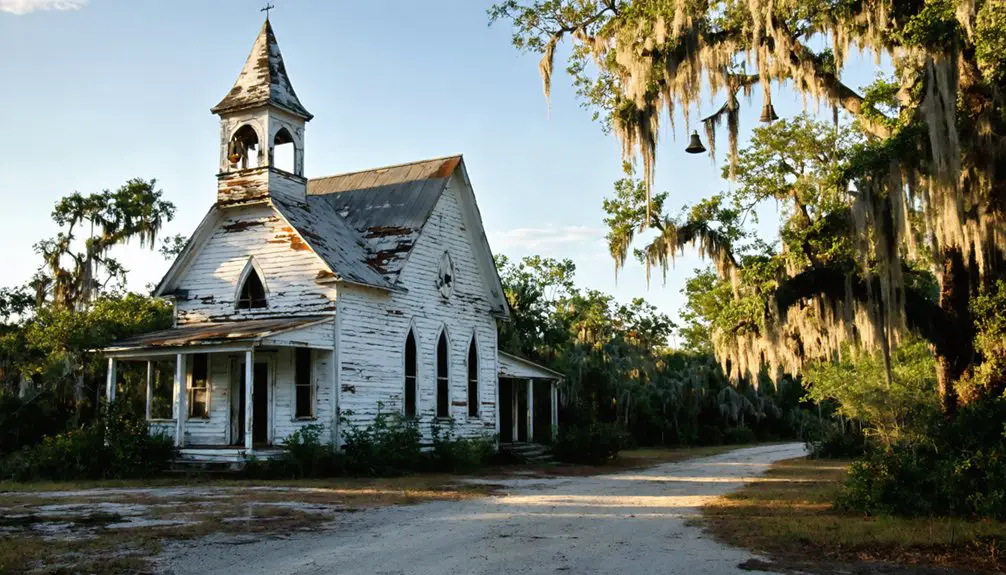
Once a thriving crossroads with hotels, schools, and churches, Espanola got bypassed at the worst possible moment, freezing it in time. You can explore its historic landmarks without roped-off barriers or admission fees.
Local legends of lumber camps and turpentine workers echo through the dense forest surrounding the settlement.
If you crave authentic, off-the-beaten-path experiences over sanitized tourist attractions, Espanola delivers raw, unfiltered Florida history — the kind that most travelers never find because they never bother to look.
How Did Espanola Go From Boom Town to Forgotten Crossroads?
Espanola’s story starts with real promise. Back in the 1880s, you’d have found a thriving crossroads deep in scrub forest, buzzing with lumber mills, turpentine operations, hotels, schools, and churches. Hundreds of residents called it home, and its cultural significance rivaled any growing Florida settlement of that era.
In the 1880s, Espanola buzzed with lumber mills, hotels, and hundreds of residents full of frontier ambition.
Then came the bypass.
When new roads redirected traffic away from Espanola at the worst possible moment in its development, businesses dried up and residents followed opportunity elsewhere. Unlike Flagler Beach or Palm Coast, Espanola never recovered its momentum.
Today, historical preservation efforts keep its story alive, even as fewer than 100 people remain. You won’t find a thriving downtown — just a road sign, scattered homes, and dense scrub forest swallowing what ambition once built.
What You’ll Actually Find When You Get to Espanola Today?
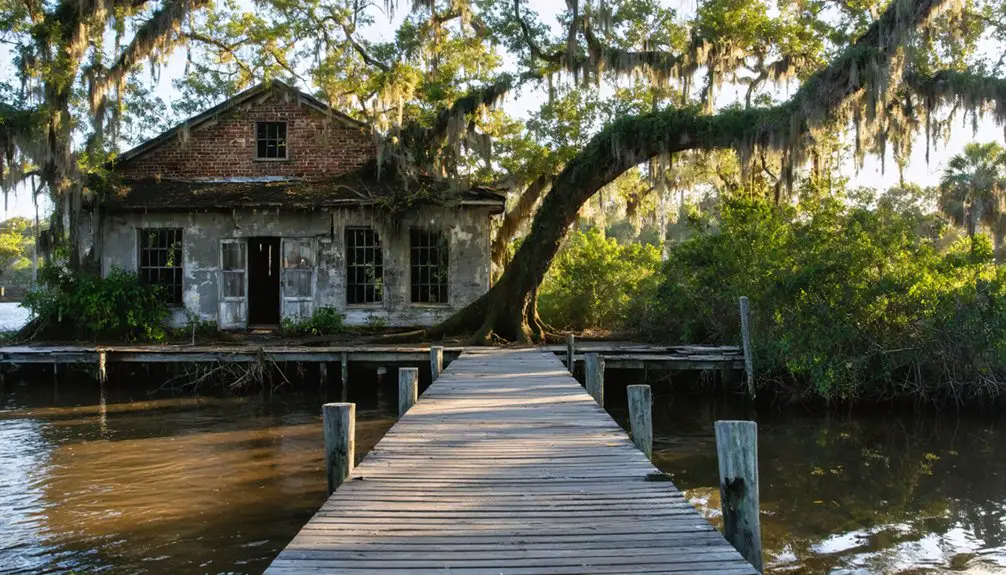
When you turn off the main road and head toward Espanola, the scrub forest closes in fast. The dense trees feel like they’re reclaiming everything, and that’s fundamentally what’s happened here.
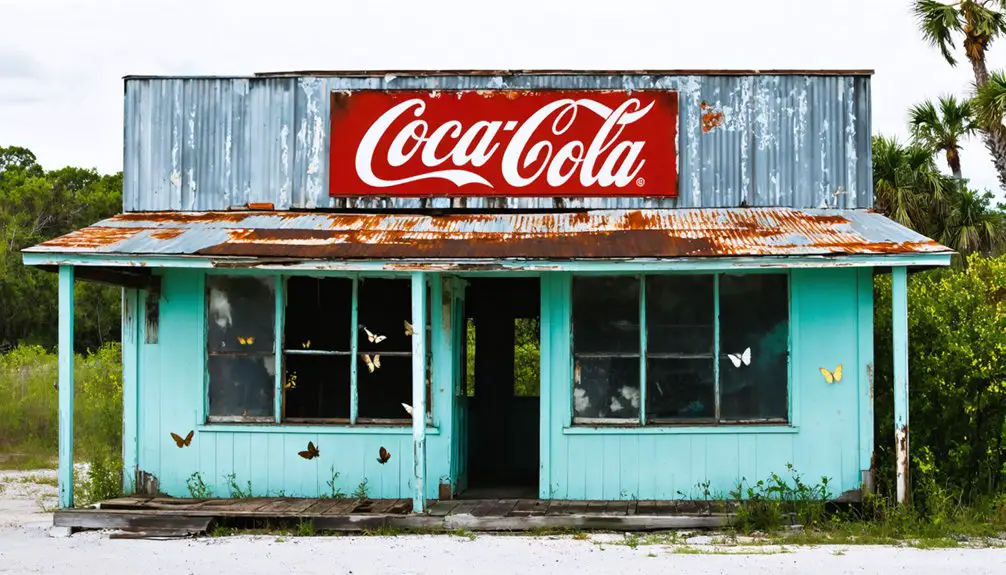
You’ll spot a road sign marking the crossroads, a handful of homes tucked back from the old abandoned Dixie Highway, and not much else.
Don’t expect museums or historical artifacts displayed behind velvet ropes. This place keeps its secrets close.
Talk to the fewer than 100 residents who remain, and you’ll uncover local legends about the hotels, schools, and churches that once defined this community.
You’re standing where hundreds of people built real lives. That invisible history makes Espanola worth the drive through the wilderness to find it.
How to Reach Espanola Florida Through the Scrub Forest
Getting to Espanola requires a bit of intention, because this place won’t come to you. Head northwest of Bunnell along the old routes that predate modern Florida’s sprawl. You’ll drive through dense scrub forest where the canopy closes in and the outside world fades behind you.
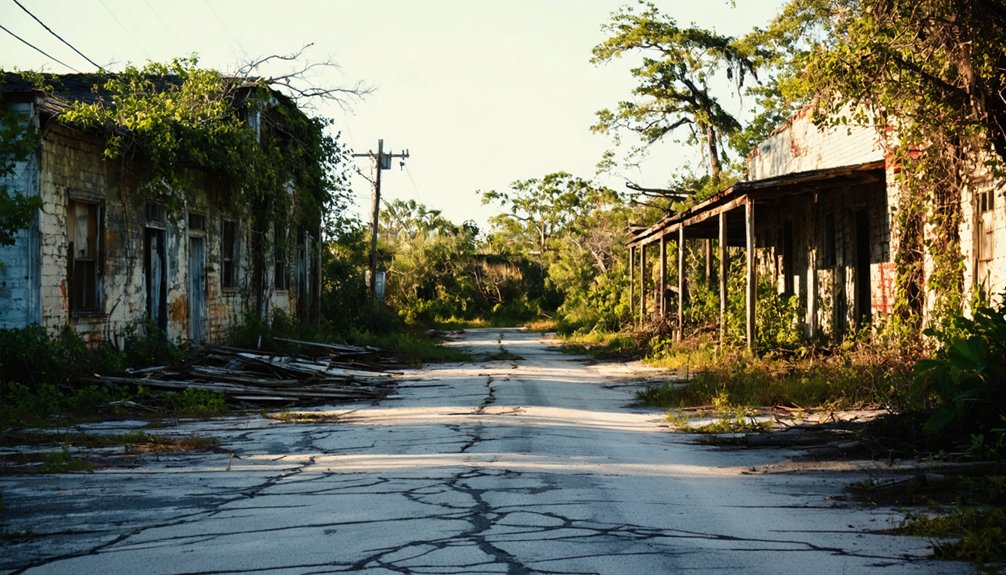
Follow the path of the abandoned Old Dixie Highway, a corridor lined with urban decay and forgotten potential. There’s no ferry, no shortcut, and no GPS shortcut that makes this easier. You’re steering on your own terms, which is exactly the point.
When you spot the road sign marking the crossroads, you’ve arrived at one of Flagler County’s quiet historic landmarks. The scrub doesn’t announce itself dramatically, but it rewards the travelers who actually show up.
Which Flagler County Lost Towns Are Worth the Drive Too?
Flagler County doesn’t save all its history for Espanola. Several other lost towns deserve a spot on your road trip map. Dupont shared Espanola’s fate as a lumber and turpentine hub, and its remnants carry the same haunting energy.
Plantation settlements and Polish immigrant farming hamlets scattered across the scrub tell stories most travelers never hear. These historic landmarks reward curious explorers willing to leave the main highway behind.
Local legends tie these forgotten communities to a Florida that modern Palm Coast and Flagler Beach completely erased. Some towns exist only as overgrown crossroads now, their post offices and hotels long gone.
You’ll find that piecing together Flagler County‘s lost world, town by town, turns a simple drive into something genuinely unforgettable.
Frequently Asked Questions
Is Espanola Florida Safe to Visit for Solo Travelers and Families?
Like a quiet secret waiting to be discovered, Espanola’s generally safe for solo travelers and families. You’ll explore historical preservation and local legends freely, with eastern neighborhoods offering the safest experience during your adventurous visit.
What Is the Best Time of Year to Visit Espanola?
Visit Espanola during fall or spring when seasonal weather stays mild and comfortable. You’ll enjoy exploring its scrub forests without summer’s intense heat. Check local festivals nearby in Flagler County to enrich your ghost town road trip experience!
Are There Any Guided Tours Available for Espanola and Surrounding Lost Towns?
You won’t find a tour bus idling here! Guided exploration of Espanola’s historical preservation is self-directed—you’ll navigate dense scrub roads independently, uncovering forgotten crossroads and lost towns on your own adventurous terms.
Can Visitors Legally Explore the Abandoned Old Dixie Highway on Foot?
You can legally walk the abandoned Old Dixie Highway, embracing urban exploration through Florida’s haunting scrub forest. Respect historical preservation by staying on public roadways, and you’ll experience Espanola’s forgotten past without trespassing on private property.
Are There Nearby Accommodations or Camping Options Close to Espanola?
You’ll find nearby accommodations and camping options around Bunnell and Flagler Beach. Imagine pitching a tent at Gamble Rogers Memorial State Park — your perfect basecamp for exploring Espanola’s forgotten roads and scrub forest crossroads freely.
References
- https://en.wikipedia.org/wiki/List_of_ghost_towns_in_Florida
- https://www.clickorlando.com/features/2024/09/25/floridas-creepiest-ghost-town-is-stashed-on-an-island-heres-the-lowdown/
- https://askflagler.com/lost-towns-of-flagler-county/
- https://www.youtube.com/watch?v=LhxRFyYs0Cg
- https://nsbhistory.shopsettings.com/Haunted-Florida-Ghost-Towns-p654340853