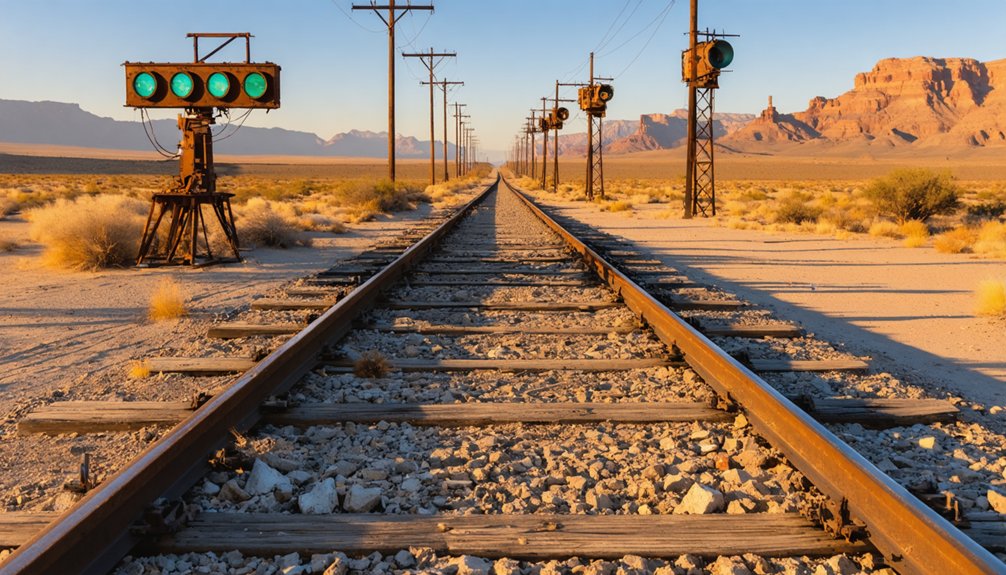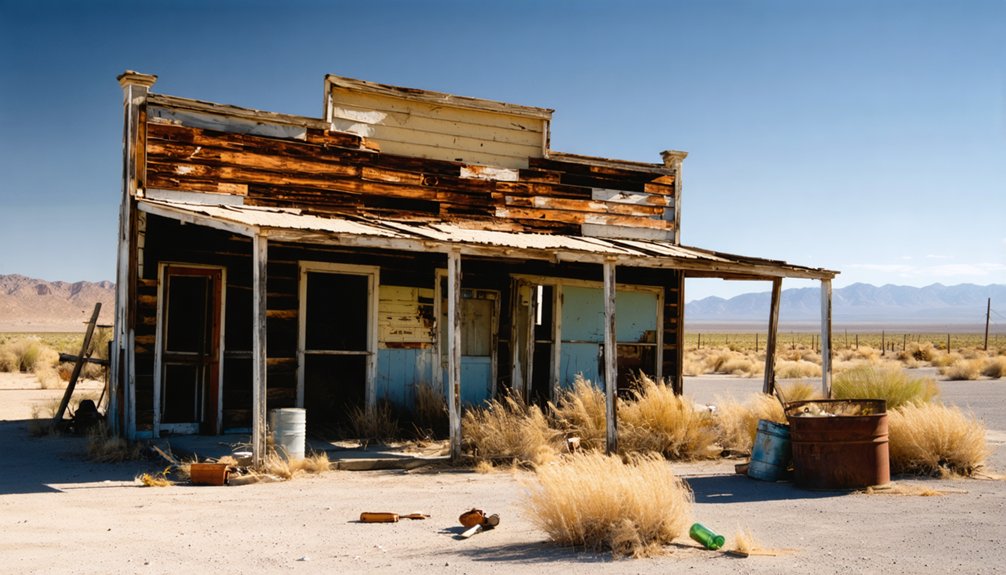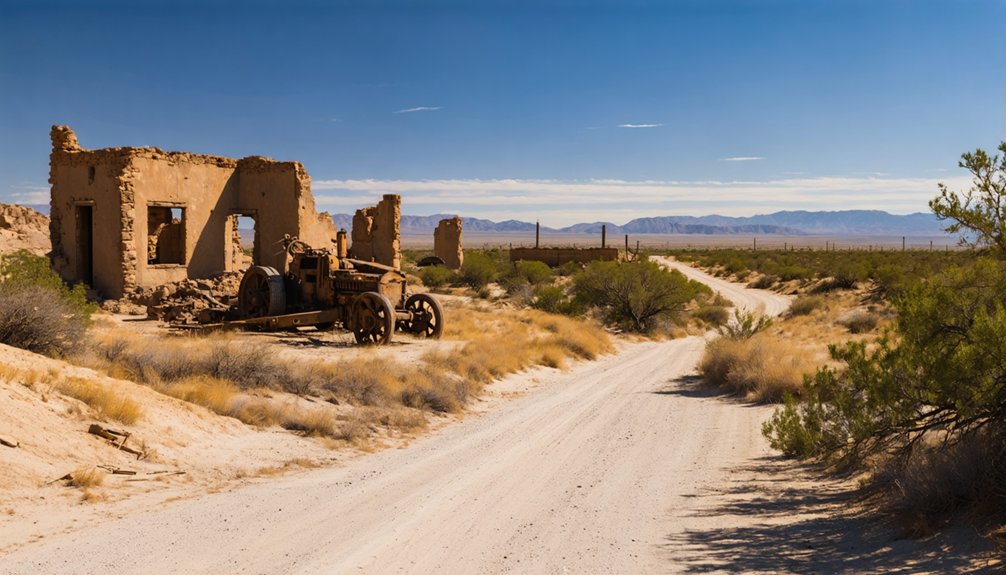
Planning a ghost town road trip to Gila City, Arizona means heading about 19 miles east of Yuma along the Gila River corridor, where Arizona’s first gold rush exploded in 1858 and collapsed just as fast. You’ll need a four-wheel-drive vehicle, plenty of water, and offline maps since services vanish quickly. Visit between November and April to dodge dangerous triple-digit heat. Stick around, because there’s far more to uncover about this fascinating, forgotten desert destination.
Key Takeaways
- Gila City, Arizona, was the site of the state’s first gold rush in 1858, making it a historically rich ghost town destination.
- Visit between November and April to avoid dangerous summer temperatures that frequently exceed 110°F.
- Start from Yuma, drive 19 miles east along the Gila River corridor, and use four-wheel drive for the final unpaved approach.
- No standing structures remain, but scattered stone foundations and buried artifacts may still offer historical intrigue.
- Pack water, offline maps, tire repair tools, and fuel up in Yuma, as no services exist along the route.
What Made Gila City Arizona’s First Boomtown?
When gold was discovered along the Gila River in 1858, it didn’t just attract a few hopeful miners — it sparked Arizona’s first major boom. Gila City exploded from empty desert into a rough settlement of up to 1,200 residents almost overnight. Miners, merchants, and speculators flooded in, chasing placer gold deposits that lined the riverbanks.
You won’t find tourist infrastructure here — no visitor centers, no guided tours, no polished historical artifacts behind glass. What you’ll find instead is the raw story of a place that rose and collapsed within five years.
The 1862 flood and exhausted gold supply erased nearly everything. That erasure is precisely what makes Gila City compelling — it’s Arizona history in its most unfiltered, unmanaged form.
What’s Actually Left at the Ghost Town Site Today?
When you arrive at the Gila City site, don’t expect a classic ghost town with standing buildings or dramatic ruins. Sources conflict on what you’ll actually find — some report no visible remains at all, while others describe scattered stone foundations and buried traces beneath the desert floor.
Either way, you’re fundamentally visiting an archaeological site, where the real story lies hidden underground rather than above it.
Visible Remains Today
Though Gila City once buzzed with over a thousand miners chasing desert gold, almost nothing visible marks the spot today. Decades of Gila River flooding, erosion, and desert heat have erased most traces of Arizona’s first boomtown.
Some accounts mention scattered stone foundations buried beneath sand and scrub, while others report zero visible remains at the surface. You won’t find standing structures, signage, or maintained pathways here.
Historical artifacts, if any survive, lie hidden beneath shifting desert soil, making this more of an archaeological site than a classic ghost town.
Preservation challenges are significant — remote location, flash flooding, and zero infrastructure mean the site receives little protective attention.
If you visit, bring sharp eyes and realistic expectations. The desert has largely reclaimed what gold once built.
Archaeological Site Conditions
Because the desert doesn’t give up its secrets easily, what’s actually left at Gila City sits somewhere between “almost nothing” and “buried just out of sight.” Researchers and curious travelers face conflicting accounts — some sources confirm scattered stone foundations partially swallowed by sand, while others insist zero visible remains survive at the surface.
Decades of flooding, erosion, and relentless Sonoran Desert conditions have created serious preservation challenges for the site.
Historical artifacts, if they exist beneath the surface, remain largely inaccessible without proper archaeological excavation.
What the 1862 flood didn’t destroy, time quietly finished.
You’re fundamentally visiting an archaeological site rather than a classic walkable ghost town.
Manage your expectations accordingly — the real story here lives in the landscape itself, not in standing structures waiting for a photograph.
How to Get to Gila City From Yuma
You’ll start your drive from Yuma by heading north on Highway 95, following the Gila River corridor east toward the remote site.
Once you’ve covered roughly 19 miles from the river’s confluence with the Colorado, you’ll watch for unpaved roads that branch off toward the south bank where Gila City once stood.
From there, the final approach gets rough, so you’ll want four-wheel drive to handle the unforgiving desert terrain.
Starting Point in Yuma
If you’re starting your road trip from Yuma, getting to the general area of Gila City is a straightforward drive east. Head out on Highway 95, and you’ll be tracing a corridor rich with historical significance, following paths that once carried gold seekers and Butterfield Overland Mail riders.
- Fuel up in Yuma — services disappear quickly once you head into open desert
- Download offline maps — cell coverage gets unreliable as you move east toward the Gila River corridor
- Pack water and snacks — the Sonoran Desert doesn’t forgive light preparation
Local legends surrounding Arizona’s first boomtown make this drive feel like more than just miles. You’re rolling toward a place where fortune, flooding, and abandonment wrote one of the Southwest’s sharpest cautionary tales.
Route Along Highway 95
Once you’ve topped off the tank and loaded the offline maps, the actual route is invigoratingly simple. Head north out of Yuma on Highway 95, a clean desert corridor that cuts through open Sonoran terrain. You’re moving through living desert ecology here — creosote flats, saguaro stands, and dry washes that flood fast when storms hit.
Drive roughly 19 miles east toward the Gila River corridor. Watch for unpaved turnoffs heading toward the south bank, where Gila City’s mining history quietly began in 1858.
The roads turn rough past the pavement’s edge, so engage four-wheel drive before conditions demand it.
No crowds, no signs, no gift shops — just open land and the faint pull of a place that burned bright, collapsed fast, and disappeared almost entirely.
Final Approach Off-Road
When the pavement ends near Highway 95, the real navigation begins. You’ll trade modern amenities for washboard desert tracks that demand respect and preparation. Four-wheel drive isn’t a suggestion here — it’s essential for reaching the Gila River’s south bank where historical artifacts and buried foundations quietly wait beneath the Sonoran Desert soil.
Before you leave the highway, confirm you’re ready:
- Fuel up completely in Yuma — no services exist along the unpaved approach
- Download offline maps since cell coverage drops fast in this remote corridor
- Pack water and recovery gear because the terrain punishes unprepared vehicles
The final stretch strips away everything comfortable and drops you directly into Arizona’s rawest history. That trade-off is exactly the point.
Best Time to Visit and What the Roads Are Really Like
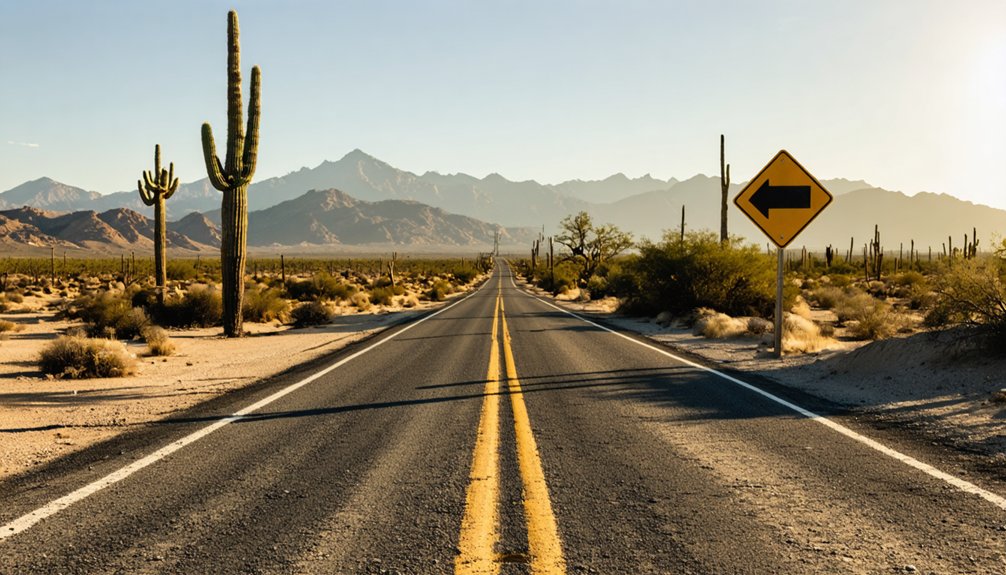
Planning a trip to Gila City means thinking carefully about timing, because the Sonoran Desert doesn’t forgive careless scheduling. Summer heat routinely exceeds 110°F, making exploration genuinely dangerous. You’ll want to visit between November and April, when temperatures stay manageable and the landscape reveals its stark beauty without punishing you for standing in it.
The Sonoran Desert doesn’t forgive careless scheduling — visit between November and April or pay the price.
The roads leading to the site are unpaved and unforgiving. Four-wheel drive isn’t a suggestion — it’s a requirement. Historical myths about easy access have misled visitors before, leaving them stranded on rough desert tracks.
Modern preservation efforts haven’t extended to road maintenance out here, so you’re orienteering raw terrain.
Carry extra water, check your tire pressure before leaving pavement, and tell someone your exact route. The desert rewards preparation and punishes assumptions.
Gear and Supplies for a Remote Desert Ghost Town Visit
Packing for Gila City isn’t like loading up for a state park day hike — you’re heading into raw Sonoran Desert with no services, no shade structures, and no guarantee of cell coverage. Check local weather before you leave, since temperatures swing hard between seasons and conditions change fast in this region.
- Carry more water than you think you’ll need — at least one gallon per person for a half-day trip
- Bring a physical map or downloaded offline GPS route, since cell signal near Highway 95 drops quickly on unpaved roads
- Pack sun protection, a first aid kit, and tire repair tools for rough four-wheel-drive terrain
No formal visitor guidelines exist here, so self-sufficiency isn’t optional — it’s the entire plan.
Nearby Ghost Towns to Pair With a Gila City Trip
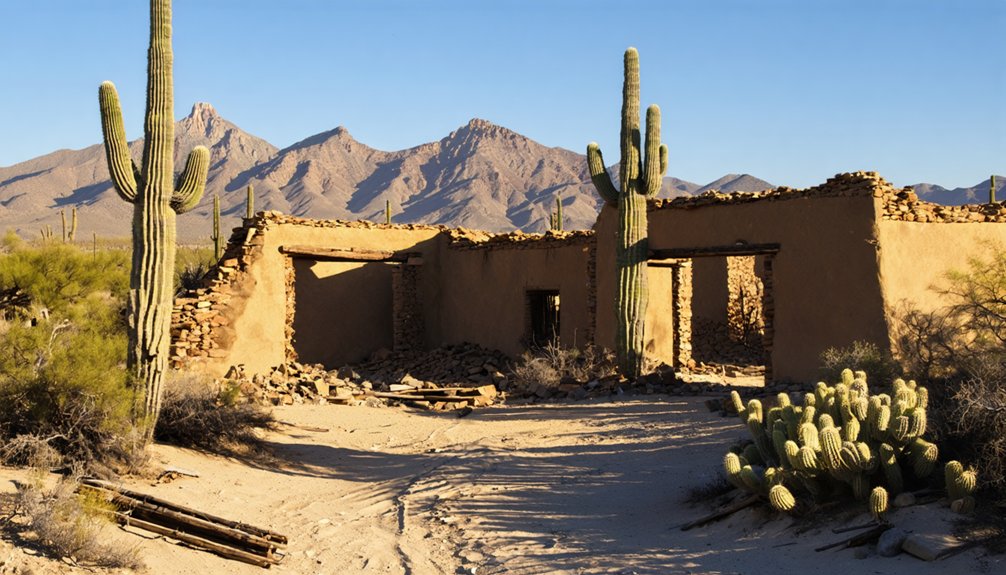
Once your gear is sorted and your route is locked in, it’s worth stretching the trip beyond Gila City itself — because the surrounding area holds more ghost town history than most travelers realize. Dome, Arizona sits nearby and shares a direct connection to Gila City’s boom-and-bust story. It’s a natural addition to your route without significant backtracking.
Both sites carry historical myths worth researching before you arrive — local legends often blur with documented fact, so separating the two sharpens your experience. Visitor safety matters equally at every stop: remote desert terrain, extreme heat, and rough roads don’t change just because you’ve crossed into a different ghost town.
Plan each location with the same preparation, and you’ll move through the region with confidence and purpose.
Frequently Asked Questions
Was Gila City Ever Officially Recognized as an Incorporated Arizona Town?
Gila City never achieved official town incorporation. This historical settlement rose fast as a gold-rush camp in 1858, but it collapsed before any formal town incorporation process could ever take root.
Are There Any Guided Tours Available for Visiting Gila City Today?
No formal guided tour options exist for Gila City. You’ll explore this rugged desert ghost town independently, so use tour booking tips like researching local Yuma guides who occasionally organize informal historical excursions to remote Arizona sites.
Is It Legal to Metal Detect or Collect Artifacts at Gila City?
Over 1,200 residents once thrived here, leaving buried history behind. You’ll need to respect strict metal detecting laws and artifact collection regulations — federal rules prohibit removing artifacts without permits, so always research permissions before you explore.
Did Any Notable Historical Figures Pass Through or Live in Gila City?
The historical record doesn’t spotlight famous residents, but you’ll find that Gila City’s historic events attracted restless adventurers, fortune-seekers, and frontier traders who shaped Arizona’s wild, free-spirited early identity during the 1858 gold rush.
Are There Camping Spots Near the Gila City Ghost Town Site?
Over 1,200 souls once lived here! You’ll find no designated campgrounds directly at this remote desert site. Check camping regulations carefully, but nearby accommodations in Yuma offer you the freedom to explore this haunting, rugged landscape comfortably.
References
- https://en.wikipedia.org/wiki/Gila_City
- https://www.arizonan.com/ghost-towns/gila-city/
- https://en.wikipedia.org/wiki/List_of_ghost_towns_in_Arizona
- https://www.youtube.com/watch?v=mD_VW15Ovmk
- https://www.ghosttowns.com/states/az/gilacity.html
- https://kids.kiddle.co/Gila_City
- https://truewestmagazine.com/article/arizonas-first-boomtown/
- https://en.wikipedia.org/wiki/Dome
- https://www.youtube.com/watch?v=l6ZduJq2pRQ
- https://www.linkedin.com/posts/paul-marsh-9b824860_dome-is-a-mining-ghost-town-located-in-yuma-activity-7272963284268408833-p7Iu