If you’re planning a ghost town road trip in Vermont, you’re likely thinking of Glastenbury, not Green Bay. Glastenbury was once a thriving logging settlement before Vermont revoked its municipal status in 1937. Today, it’s a hauntingly quiet stretch of wilderness inside Green Mountain National Forest, swallowed by forest and folklore. It’s also nestled within the mysterious Bennington Triangle, and there’s far more to this story than you’d expect.
Key Takeaways
- Vermont’s ghost town is actually Glastenbury, not Green Bay; its municipal status was revoked in 1937 after near-complete depopulation.
- Glastenbury originated as a logging settlement and was once served by an electric trolley line for lumber and tourists.
- To reach Glastenbury, use detailed navigation tools, as forest service roads are poorly marked and phone signals are unreliable.
- The site has no standing structures, but remnants like an old cemetery and trolley rail bed confirm past habitation.
- Glastenbury sits within the Bennington Triangle, known for mysterious disappearances between 1945–1950 and rich local folklore.
Is “Green Bay” Vermont’s Ghost Town or Is It Glastenbury?
If you’ve been searching for a ghost town called “Green Bay” in Vermont, you’re likely chasing a misnamed legend — because Vermont’s true ghost town is Glastenbury. The name “Green Bay” doesn’t appear on Vermont’s official ghost town records, but Glastenbury absolutely does. Its municipal status was revoked in 1937 after near-total abandonment left it a hollow shell of its former logging community.
Nestled inside the eerie Bennington Triangle, Glastenbury carries deep local folklore — think mysterious disappearances, UFO sightings, and shadowy urban legends that have haunted the region since colonial times.
You won’t find paved roads leading there, only dense wilderness trails cutting through Green Mountain National Forest. If raw, unfiltered history calls to you, Glastenbury is your real destination.
Why Glastenbury Became Vermont’s Only True Ghost Town
Glastenbury didn’t become a ghost town overnight — its collapse was a slow, inevitable unraveling. Once a pragmatic logging settlement, the town thrived on timber harvests and an electric trolley line that hauled lumber and tourists through the mountains.
When the forests were stripped and the industry dried up, residents left one by one. By 1937, Vermont officially revoked Glastenbury’s municipal status — a rare administrative burial that sealed its fate.
Today, historical preservation efforts are minimal here, and that’s partly the point. No paved roads reach the site, and tourist accessibility means lacing up your boots and hiking through Green Mountain National Forest.
You’re not visiting a curated exhibit — you’re stepping into genuine abandonment, raw and unfiltered, exactly as history left it.
How to Reach Glastenbury Without Getting Lost
Reaching Glastenbury takes real intention — the forest service roads leading into the area are easy to miss, marked by small, unclear street signs that blend into the treeline. You’ll want detailed navigation tools, not just a phone signal that’ll vanish fast out here.
The Green Mountain National Forest swallows the entire former settlement, protecting it through wildlife conservation efforts that prioritize wilderness over accessibility. That means no paved roads, no marked trails, and no hand-holding.
Follow the old trolley rail bed — it still exists and leads directly toward the heart of the ghost town.
Glastenbury’s isolation isn’t accidental; it’s the result of both natural reclamation and historic preservation priorities keeping the site raw and undisturbed.
Come prepared, or don’t come at all.
What’s Actually Left at the Glastenbury Ghost Town Site
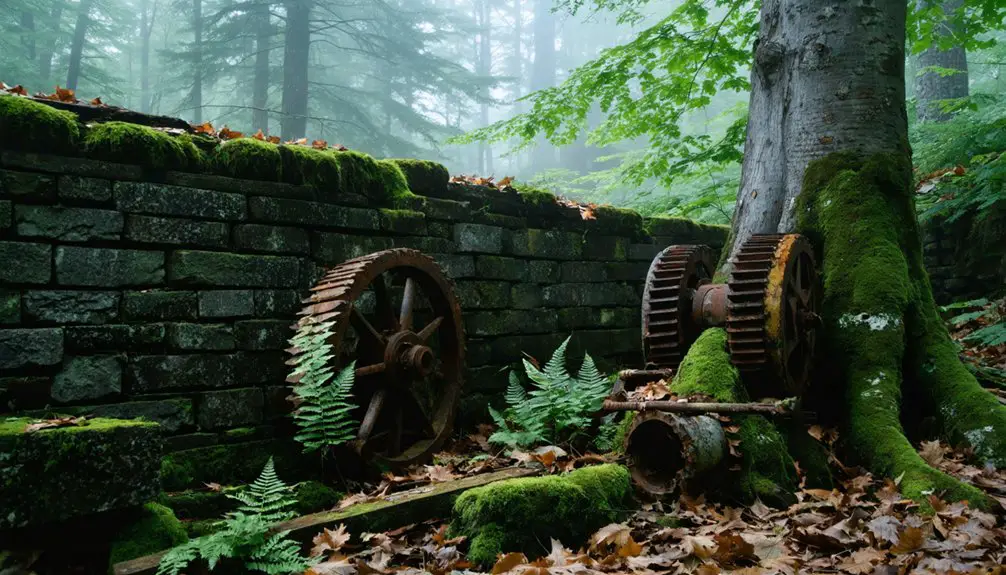
Once you push through the dense wilderness and arrive at the Glastenbury site, don’t expect standing structures or obvious signs of a former town — nature has reclaimed most of it. What remains are scattered historical artifacts, including remnants of the old electric trolley rail bed that once hauled lumber and tourists through these woods. Follow it, and it’ll lead you directly to the town’s former heart.
You’ll also find an old cemetery, one of the few tangible markers confirming people actually lived here. Wildlife sightings are common — deer, black bears, and various bird species now occupy what loggers once called home. The Green Mountain National Forest has swallowed everything else.
Bring a camera, stay alert, and respect the silence. This place earned its ghost town status honestly.
The Bennington Triangle Legends Surrounding the Area
If you thought the abandoned trolley bed and silent cemetery were eerie, the legends surrounding this stretch of Vermont wilderness will genuinely unsettle you.
Locals nicknamed this region the Bennington Triangle in 1992, referencing a string of mysterious hiker disappearances between 1945 and 1950 that were never fully explained.
Local folklore runs deep here — stories include big hairy creatures stalking the tree line, cursed Indigenous stones, and UFO sightings flickering above the canopy.
Colonial settlers once reported strange lights, unexplained sounds, and unusual odors drifting through the forest.
Even today, the area’s environmental impact — dense overgrowth, disorienting terrain, and minimal trail markers — makes it genuinely difficult to navigate.
You’re not just hiking through wilderness; you’re walking through Vermont’s most persistently mysterious landscape.
Nearby Stops Worth Adding to Your Glastenbury Visit
After making the trek to Glastenbury, you’ll want to stretch the adventure across a full Vermont road trip by folding in a few genuinely rewarding detours. Each stop below blends historical preservation, local legends, and offbeat charm into your journey:
- Museum of Everyday Life (Glover) – Quirky exhibits celebrating overlooked history
- Floating Bridge (Brookfield) – A rare depth-adapted bridge crossing on Vermont 65
- 3 Squares Cafe (Vergennes) – Local comfort food with genuine personality
- Rutland Murals (Downtown Rutland) – Bold artistic displays along Merchant’s Row
- Retreat Tower (Brattleboro) – A haunting landmark tied to Vermont’s asylum history
These destinations complement Glastenbury’s wilderness mystique and keep your itinerary moving through Vermont’s most compelling, lesser-traveled corners.
What to Pack for a Glastenbury Wilderness Visit
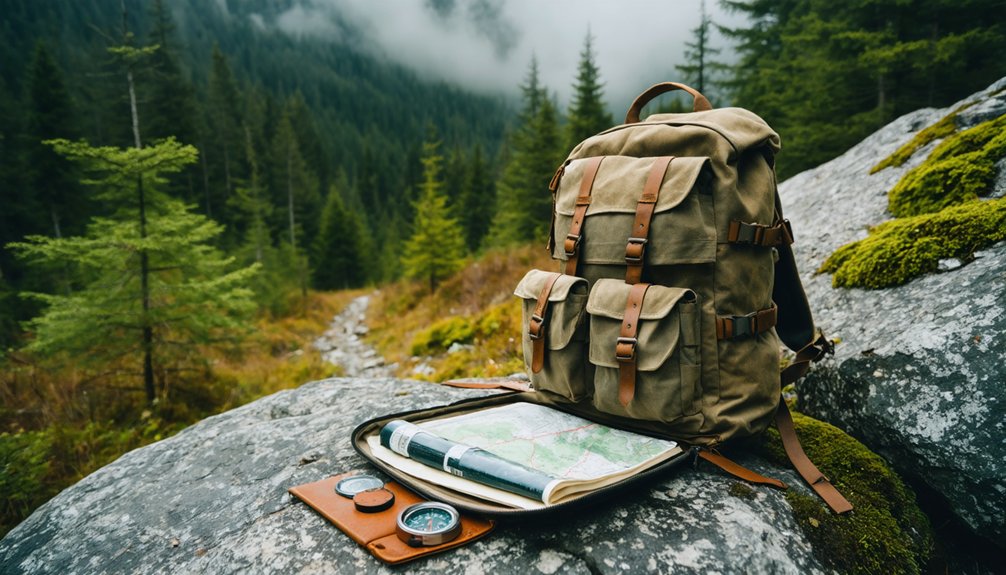
Because Glastenbury has no paved roads, marked trails, or visitor facilities, you’ll need to pack with serious intention before stepping into the Green Mountain National Forest.
No paved roads. No marked trails. No visitor facilities. Glastenbury demands serious preparation before you ever set foot inside.
Wilderness safety starts with navigation tools — carry a topographic map and compass since cell service is unreliable deep in the forest.
Your camping essentials should include a reliable water filter, high-calorie food, a first aid kit, and emergency shelter.
The forest service road signs are small and easy to miss, so download offline maps before you leave.
Wear sturdy, waterproof boots and dress in layers since mountain weather shifts fast.
A headlamp, multi-tool, and fire starter round out your core kit.
You’re entering truly off-grid territory, so pack like your comfort — and safety — depend entirely on yourself.
Frequently Asked Questions
Is Glastenbury Accessible During Winter Months or Only Certain Seasons?
With zero permanent residents, Glastenbury’s winter accessibility becomes your ultimate adventure challenge. You’ll face seasonal restrictions since dense wilderness and unmarked trails make winter navigation treacherous — pack navigation tools and embrace the freedom of exploring Vermont’s wildest ghost town boldly.
Are There Any Guided Tours Available for Visiting Glastenbury Ghost Town?
You won’t find official guided tours for Glastenbury’s abandoned structures, but you can freely explore its haunted legends solo. Hike through Green Mountain National Forest, carry navigation tools, and embrace the wild, off-grid adventure awaiting you there.
Can Visitors Legally Camp Overnight Within the Glastenbury Ghost Town Area?
You can camp overnight in Glastenbury since it’s within Green Mountain National Forest, but you’ll need to follow camping regulations carefully. Check overnight restrictions with the forest service before heading into this remote, trail-free wilderness.
Has Glastenbury Ever Been Featured in Television Shows or Documentaries?
Once thriving, now silent — Glastenbury’s mysterious past has attracted documentary filmmakers exploring its historical preservation and eerie wildlife habitats. You’ll find it featured in paranormal and Vermont-focused productions highlighting the Bennington Triangle’s unsolved disappearances and ghostly folklore.
Are Pets Allowed on the Wilderness Hiking Trails Leading to Glastenbury?
You can bring your pets on the wilderness hiking trails to Glastenbury, but check current pet policies before heading out. Trail conditions are rugged and unmarked, so keep your furry companion leashed and prepared for wild terrain.
References
- https://usghostadventures.com/americas-most-haunted-trending/ghost-towns-to-visit-on-your-summer-road-trip-along-route-66/
- https://www.youtube.com/watch?v=QJ-Y9CkMsgg
- https://visitmt.com/trip-ideas/ghost-town-route
- https://obscurevermont.com/tag/ghost-town/
- https://www.youtube.com/watch?v=Mf7cQUCM3hI
- https://www.onlyinyourstate.com/trip-ideas/vermont/hidden-gem-road-trip-vt