Planning a ghost town road trip to North Bloomfield, California means heading 26 miles northeast of Nevada City into the Sierra Nevada foothills. You’ll find California’s largest hydraulic gold mining site, a preserved historic streetscape, and even an active cemetery that still accepts burial requests. Skip the GPS—it’ll route you down 8 miles of unpaved roads. Print your directions, call ahead at 530-265-2740, and get ready for a journey where every turn reveals another layer of Gold Rush history.
Key Takeaways
- North Bloomfield, California’s largest hydraulic gold mining site, sits 16 miles northeast of Nevada City within Malakoff Diggins State Historic Park.
- The scenic 26-mile drive from Nevada City takes about 50 minutes; print directions and avoid GPS routing onto unpaved roads.
- The park is open daily from sunrise to sunset, with guided interior tours available daily in summer and weekends only in winter.
- Well-preserved structures include wooden homes, storefronts, a blacksmith shop, a schoolhouse, and a church, offering an authentic Gold Rush experience.
- The site’s active cemetery still accepts burial requests, connecting North Bloomfield’s living history to its Gold Rush past.
What Makes North Bloomfield Worth the Drive
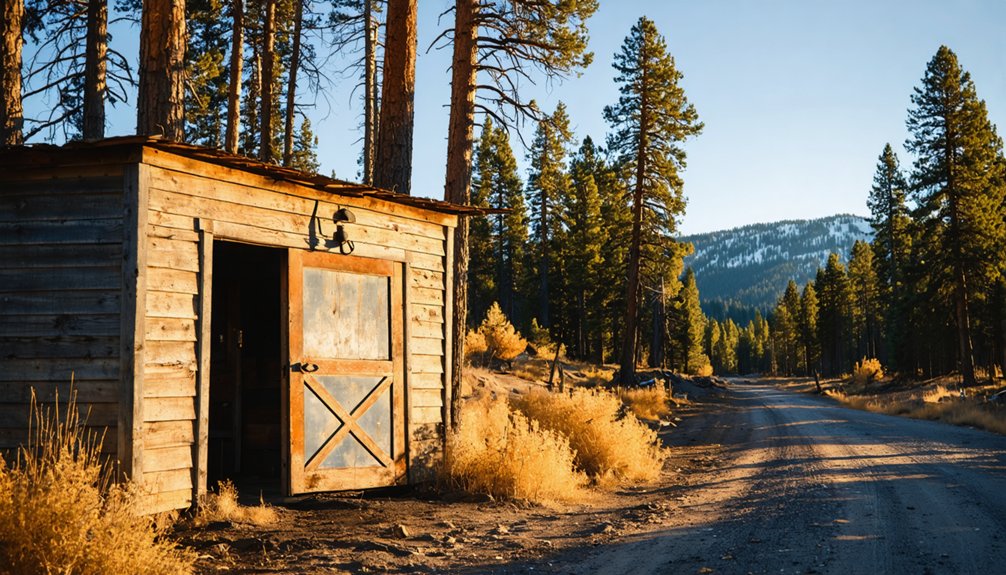
Tucked into the Sierra Nevada foothills about 16 miles northeast of Nevada City, North Bloomfield isn’t your average ghost town stop. You’re stepping into California’s largest hydraulic gold mining site, preserved inside Malakoff Diggins State Historic Park.
The town started as a scrappy 1852 Gold Rush settlement locals once called Humbug City, and that irreverent spirit never fully left.
Local legends tied to the brutal hydraulic mining era echo across the landscape, where high-pressure water cannons literally reshaped the hillsides.
Famous residents and laborers, including significant Chinese mining communities, built a town substantial enough to survive long after the boom collapsed in the early 1880s.
What remains is a rare, intact historic streetscape that rewards curious travelers willing to seek it out.
The All-Paved Route From Nevada City to North Bloomfield
Getting there’s half the story, and the all-paved route from Nevada City gives you a proper introduction to the landscape before you ever reach North Bloomfield.
Head north on Highway 49 toward Downieville, where the Sierra Nevada foothills open up around you. Turn onto Tyler Foote Road, then follow Cruzon Grade Road and Back Bone Road through stretches that reward patient drivers with scenic viewpoints and a genuine sense of remoteness.
A final turn onto Derbec Road connects you to North Bloomfield Road near the park sign. The full drive runs about 26 miles and takes roughly 50 minutes.
Skip the GPS — it may route you onto dirt roads instead. These winding roads carry local legends in every curve, so slow down and let the journey work on you.
Why GPS Will Send You Down a Dirt Road to North Bloomfield
Before you plug North Bloomfield into your GPS, know that the app may confidently route you onto several miles of unpaved road. The park itself warns visitors not to trust GPS navigation, since some suggested routes funnel traffic down dirt roads far from the paved approach.
GPS will route you confidently onto dirt roads — the park itself warns visitors not to trust it.
One alternate path reportedly crosses a narrow bridge and stretches roughly eight miles without pavement — not exactly the carefree road trip you planned.
The all-paved route detailed in the previous section is your safest bet. Follow it and you’ll arrive ready to explore local legends, ghost stories, and preserved mining-era streetscapes rather than nursing a flat tire in the foothills.
Print the directions, ignore the GPS, and you’ll reach North Bloomfield on your own terms.
How North Bloomfield Went From Boom Town to Ghost Town
When you walk North Bloomfield’s quiet streets, you’re standing in a town that boomed fast and collapsed just as quickly. Settlers arrived around 1852, drawn by gold rush fever, but by 1860 the easily accessible gold was gone and most miners had moved on.
Hydraulic mining later brought a second wave of activity, only to collapse in the early 1880s when environmental litigation finally shut the operations down.
Gold Rush Founding
You can almost feel that original restlessness standing at the scenic overlooks near the Malakoff Diggins landscape, imagining the hillsides crowded with hopeful fortune seekers.
The boom didn’t last. By 1860, the easily accessible gold had thinned, and miners drifted elsewhere.
The town quieted — until hydraulic mining technology arrived and rewrote North Bloomfield’s story once more.
Mining Decline Begins
Though hydraulic mining briefly revived North Bloomfield’s fortunes, it couldn’t outrun the forces closing in around it. The mining technology that once made this town roar with activity — powerful water cannons tearing through hillsides — became its undoing.
Environmental destruction and fierce litigation forced hydraulic operations to shut down in the early 1880s, and the population drained away fast.
Hydraulic Mining’s End
By the early 1880s, hydraulic mining’s days were numbered. Those aggressive mining techniques had carved entire hillsides apart, releasing torrents of sediment into rivers and valleys below.
Farmers downstream watched their land flood and suffocate under debris, and they fought back hard.
The environmental impact was impossible to ignore. Lawsuits piled up, and in 1884, a federal court ruling effectively shut down hydraulic operations across California.
North Bloomfield, once sustained by the roar of high-pressure water cannons and the promise of gold, suddenly had no reason to exist.
Workers packed up. Businesses shuttered. The town that hydraulic mining built couldn’t survive without it.
What had been a bustling operation became silence almost overnight, cementing North Bloomfield’s transformation into the ghost town you can explore today.
How Hydraulic Mining Built and Then Destroyed the Town
When the original Gold Rush excitement faded and miners began drifting away by 1860, hydraulic mining stepped in and completely transformed North Bloomfield’s fortunes. This aggressive technique blasted entire hillsides apart using high-pressure water, pulling gold from the earth at a scale no individual prospector could match.
The operation demanded a massive workforce, drawing Chinese laborers into nearby settlements and building a self-sustaining community that supported local cuisine, businesses, and daily life.
But that prosperity came at a devastating cost. The hydraulic blasting destroyed landscapes irreversibly, flooding downstream farmlands with debris and sediment. Farmers fought back through the courts, and by the early 1880s, litigation had forced operations to shut down.
The economic engine died, and without outdoor recreation or other industries to replace it, North Bloomfield emptied out.
What’s Still Standing in North Bloomfield Today
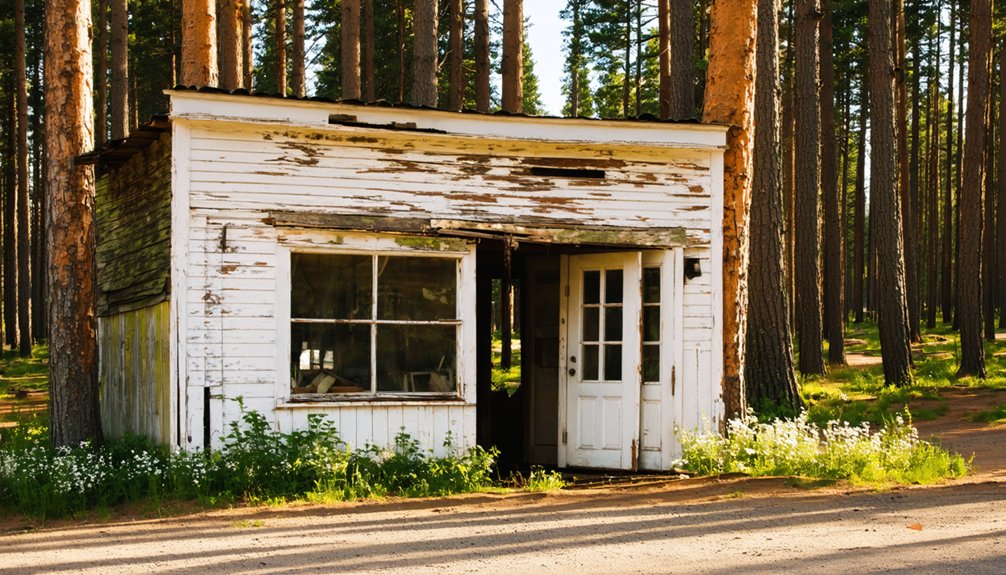
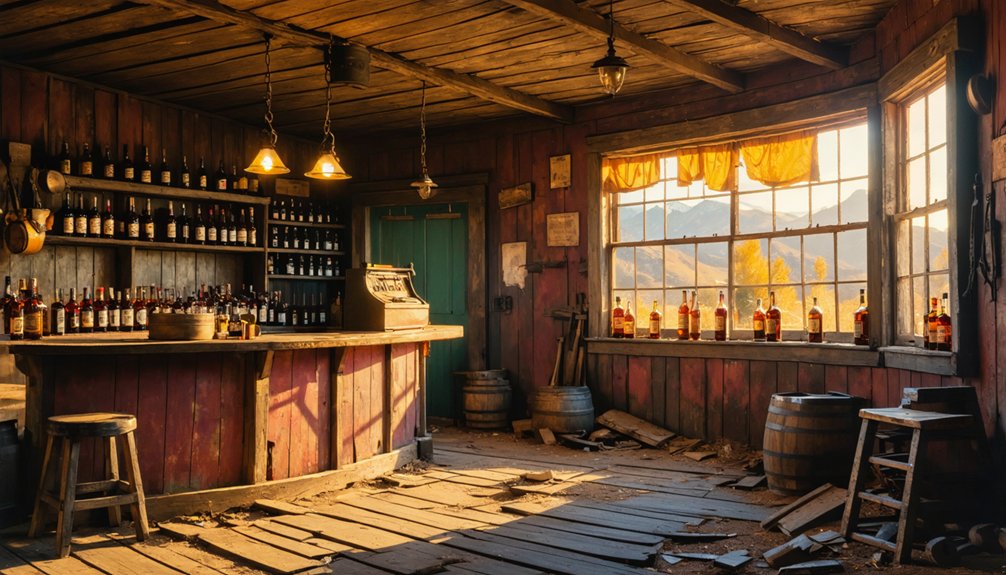
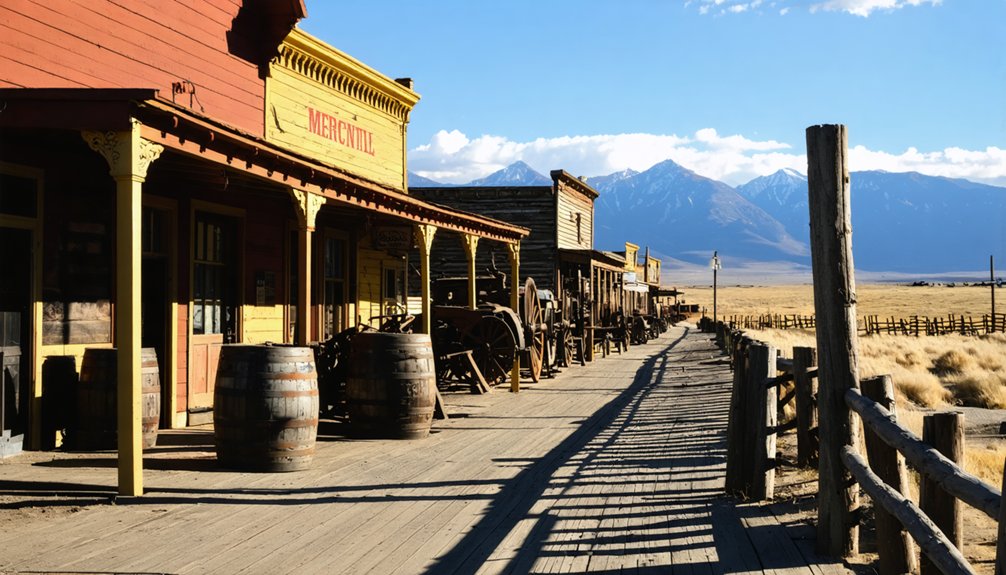
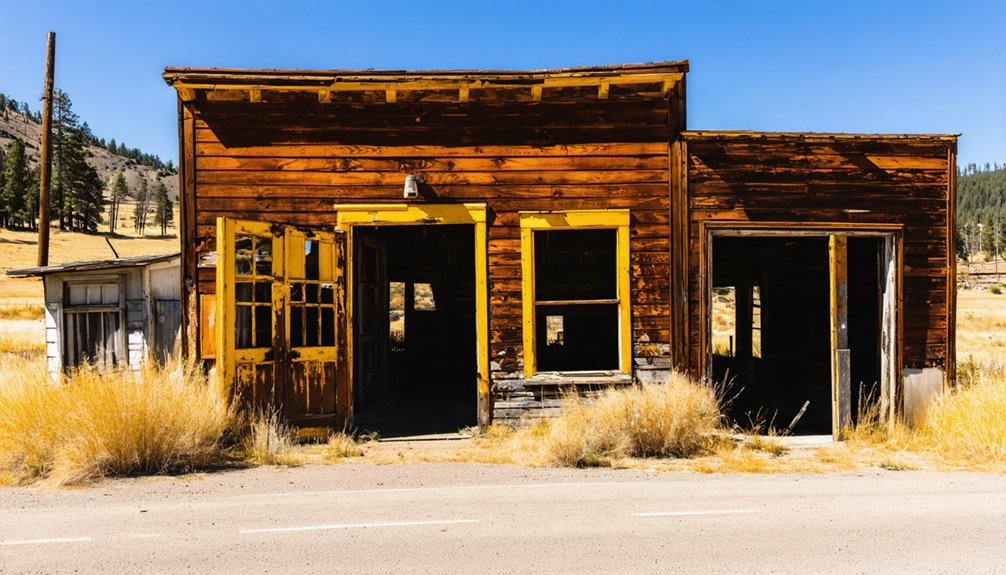
When you walk North Bloomfield Road today, you’ll find an impressive lineup of surviving structures, including wooden homes, storefronts, a blacksmith shop, a schoolhouse, a church, and museum buildings.
The cemetery remains active and well-maintained, and some sources suggest burial requests may still be honored there.
Weekend tours in spring and summer open many of these historic interiors to visitors, with daily summer tours also available through the park.
Historic Buildings Still Standing
Although North Bloomfield never fully emptied out, enough of its mining-era bones remain standing to make it feel like time stalled somewhere around the 1880s. The town architecture carries local legends in every weathered plank, and you’ll find real structures worth exploring:
- Wooden storefronts and homes lining North Bloomfield Road
- A blacksmith shop frozen mid-operation in appearance
- A schoolhouse and church reflecting everyday Gold Rush-era life
- A museum building housing artifacts from the hydraulic mining period
Some residences remain occupied, so you’re walking through living history rather than a sterile exhibit. The cemetery stays maintained, and a former guard hall once trained Civil War soldiers in 1860.
Expect authenticity here, not a theme park recreation.
The Maintained Cemetery
Unlike most ghost town cemeteries that fall into neglect and ruin, North Bloomfield’s burial ground remains actively maintained—and by some accounts, it still accepts burial requests today. That detail alone sets this place apart from the typical abandoned graveyard slowly swallowed by brush and time.
Cemetery preservation here feels intentional, almost defiant against the forgetting that claims most Gold Rush-era sites. You can walk among headstones that tell real stories—miners, families, and laborers who built a town from nothing and watched it fade.
Graveyard legends naturally grow in places like this, where history lingers in carved stone and quiet air.
If you respect places where the past still breathes, this cemetery deserves your time. It’s not a relic—it’s a living piece of California history.
Museum And Tour Access
Stepping into North Bloomfield today, you’ll find more than empty lots and collapsed walls—wooden homes, storefronts, a blacksmith shop, a schoolhouse, a church, and several museum buildings still line North Bloomfield Road in remarkable condition.
Access varies by season, so plan accordingly:
- Summer: Daily tours run through historic interiors, giving you full access to the preserved streetscape.
- Winter: Weekend-only tours operate, ideal for pairing with wildlife viewing along quieter trails.
- Spring/Fall: Weekend museum access continues through late September, perfect for exploring at your own pace.
- Year-round: Outdoor structures remain visible daily from sunrise to sunset.
Call ahead at 530-265-2740 to confirm schedules.
Don’t expect local cuisine nearby—pack your own provisions and arrive ready to explore freely on your own terms.
Is the Cemetery at North Bloomfield Really Still Active?
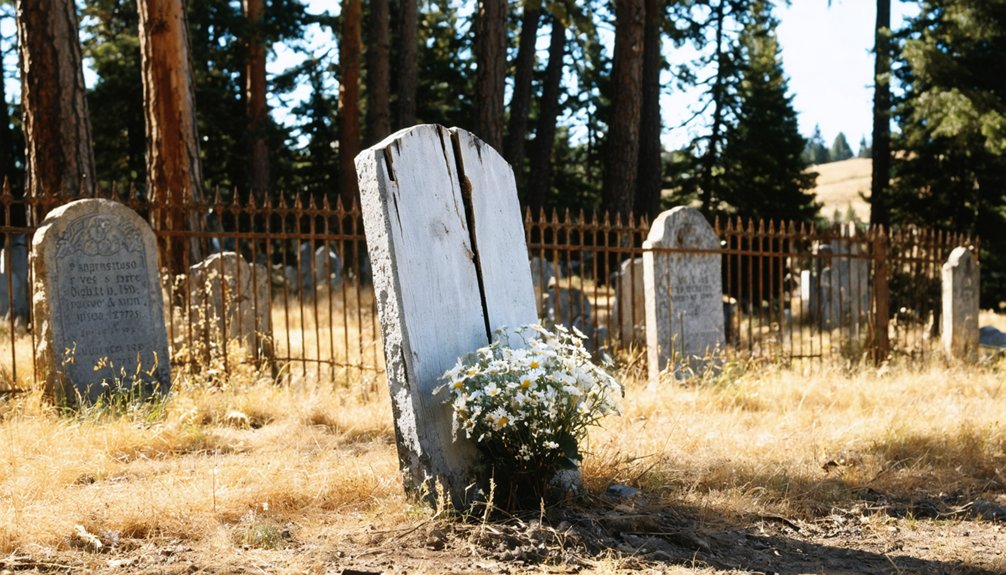
One of the more surprising details you’ll discover about North Bloomfield is that its cemetery isn’t just a relic—it’s reportedly still active. Unlike the burial grounds tied to local legends and ghost stories at fully abandoned sites, this cemetery stays maintained and may still accept burial requests today.
That detail adds a quiet, living dimension to what could otherwise feel like a frozen moment in time. When you walk through, you’re not just reading names from the Gold Rush era—you’re standing in a space that still holds meaning for real people.
It’s worth approaching respectfully and taking your time here. The cemetery connects North Bloomfield’s layered past directly to the present, making your visit feel less like a history lesson and more like genuine discovery.
When to Visit Malakoff Diggins State Historic Park
Knowing when to show up matters almost as much as knowing how to get there. The park opens daily from sunrise to sunset, but your experience changes dramatically by season.
- Spring and Summer – Weekend museum access opens up, local wildlife grows active, and trails feel alive.
- Summer Daily Tours – Guides lead you through historic buildings, giving you real context for what you’re seeing.
- Fall – Crowds thin, light turns golden, and seasonal events occasionally draw visitors for special programming.
- Winter – Weekend tours still run, and the quiet is remarkable, though some interiors stay closed.
Call ahead at 530-265-2740 before you go. Conditions shift, schedules change, and you don’t want to drive 26 miles for a locked door.
Parking, Tours, and the Best Order to See the Site
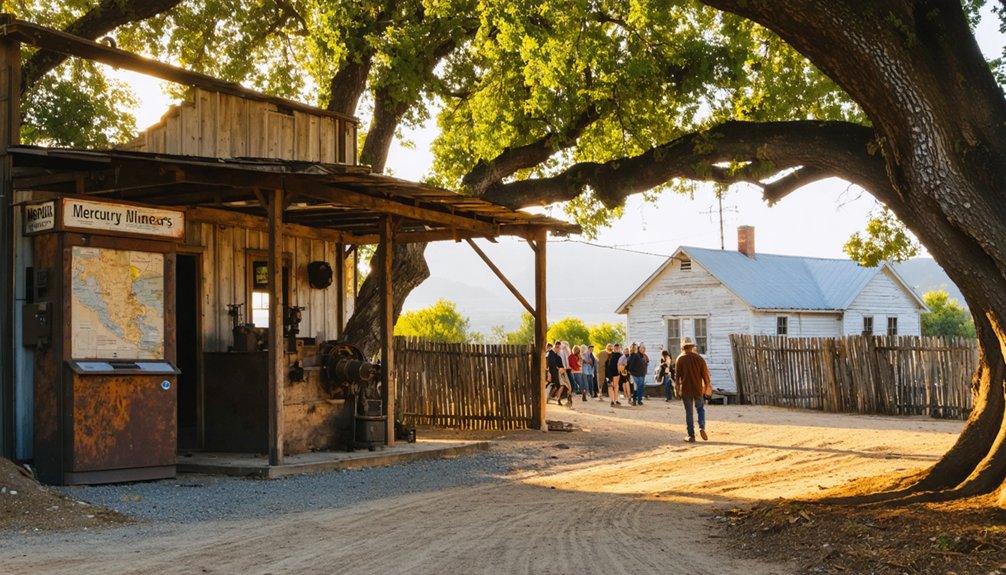
Once you pull into Malakoff Diggins State Historic Park, orient yourself at the visitor center before wandering the grounds. Staff there can tell you which buildings are open that day, since interior access depends on tours and seasonal schedules. Weekend visits in spring and summer give you the best shot at guided building tours, a key part of experiencing historical preservation firsthand.
From the visitor center, work your way along North Bloomfield Road, where the blacksmith shop, church, schoolhouse, and storefronts sit within easy walking distance of each other. Save the cemetery for last — it’s quietly tucked away and still maintained.
Visitor amenities are minimal, so bring water and snacks. Call ahead at 530-265-2740 to confirm tour availability before making the drive.
Before You Go: Safety at Abandoned Sites
Ghost town structures have stood without maintenance for decades. Floors, stairs and roof timbers fail without warning, and a building that looks solid from outside may not hold your weight. Stay out of standing structures unless the site is actively maintained and open to visitors.
Mine workings are the more serious hazard. Vertical shafts can be hundreds of feet deep, are often unfenced, and may be hidden by brush or capped with rotted boards. Never enter an adit, tunnel or shaft: abandoned workings can hold oxygen-poor or toxic air that gives no warning before you lose consciousness.
Enclosed spaces with rodent droppings carry a risk of hantavirus, which is contracted by breathing contaminated dust. Do not sweep or stir up dust inside old cabins and outbuildings.
Cell coverage at these sites is usually poor or absent. Tell someone your route and expected return time, and carry more water than you think you need.
Frequently Asked Questions
Can You Camp Overnight at Malakoff Diggins State Historic Park?
You can camp overnight at Malakoff Diggins State Historic Park, immersing yourself in historical preservation while enjoying wildlife viewing beneath star-filled skies. Call 530-265-2740 to confirm current campsite availability and embrace your freedom outdoors.
Are Pets Allowed on the Trails Near North Bloomfield?
The knowledge base doesn’t confirm pet policies, so you’ll want to call 530-265-2740 for current trail restrictions. Always prioritize pet safety by keeping your furry companion leashed and protected from rugged Sierra Nevada terrain.
Is There Cell Phone Service on the Drive to North Bloomfield?
Don’t count on reliable cell service during your drive to North Bloomfield. Signal quality drops considerably through the Sierra Nevada foothills, so you’ll want to download maps and directions before you hit the road.
Are There Food or Gas Stops Near the Park Entrance?
You’ll search for an eternity for local dining options or nearby fuel stations close to the park entrance! Stock up in Nevada City before you go — it’s your last reliable stop for both.
Is North Bloomfield Accessible for Visitors With Mobility Limitations?
You’ll find accessibility improvements at Malakoff Diggins, but terrain remains challenging. Contact the park at 530-265-2740 about mobility assistance programs before visiting, so you’re fully prepared to explore North Bloomfield’s fascinating historic streetscape on your own terms.
References
- https://www.thosesomedaygoals.com/2014/12/01/ghost-towns-north-bloomfield-california-aka-humbug/
- https://www.parks.ca.gov/MalakoffDiggins
- https://www.sierrafoothillsliving.tv/experience-the-mystique-of-north-bloomfield-a-preserved-california-ghost-town/
- https://www.youtube.com/watch?v=1hAcyH1XndA
- https://en.wikipedia.org/wiki/North_Bloomfield
- https://www.calexplornia.com/north-bloomfield-ghost-town/
- https://www.visitcalifornia.com/road-trips/ghost-towns/
- https://westernmininghistory.com/towns/california/north-bloomfield/
- https://rachelsruminations.com/favorite-ghost-towns-in-california/
- https://www.tripadvisor.com/ShowUserReviews-g32771-d128392-r170070414-Malakoff_Diggins_State_Historic_Park-Nevada_City_California.html