Pioneerville, Idaho is a rugged 1860s gold rush ghost town tucked deep in Boise County, about 17 miles east of Boise. You’ll need a high-clearance vehicle to navigate the rough, unpaved backcountry roads leading there. Once you arrive, you’ll find weathered wooden structures, mining remnants, and a historic dredge along Grimes Creek. It’s best explored with proper hiking boots, layered clothing, and plenty of water — and there’s far more to this forgotten boomtown than first meets the eye.
Key Takeaways
- Pioneerville sits roughly 17 miles east of Boise in Idaho’s Boise Basin, requiring a high-clearance vehicle like a truck or SUV.
- The final approach involves rough, unpaved backcountry roads with loose gravel, tight turns, and stream crossings unsuitable for low-clearance vehicles.
- Pack layered clothing, sun protection, sturdy hiking boots, navigation tools, and at least two liters of water per person.
- Pioneerville’s structures and artifacts are privately owned by the Poncia family; respect property boundaries and avoid disturbing anything.
- Nearby ghost towns like Idaho City, Placerville, and Centerville form a loop, making Pioneerville part of a larger road trip.
Why Pioneerville Is Worth the Drive Into Boise County
Tucked into the rugged hills of Boise County, Pioneerville tells a story that most Idaho history books barely mention — a gold rush boomtown that swelled to nearly 3,000 people within a year of its founding, then quietly faded into the timber and creek beds of the Boise Basin.
A gold rush boomtown of nearly 3,000 souls — swallowed whole by the hills of Boise County.
When you make the drive out here, you’re stepping into something raw and unfiltered. Historical artifacts still scatter the landscape — weathered wooden structures, mining remnants, and a dredge sitting right in the creek.
Local legends cling to this place like morning fog, stories of fortune-seekers who arrived with everything and left with nothing.
Pioneerville doesn’t hand you a polished museum experience. It hands you a landscape that demands your imagination and rewards your curiosity.
How to Reach Pioneerville From Boise
Getting to Pioneerville from Boise means committing to a drive that’s part pavement, part rough backcountry road — and you’ll want to plan accordingly. Head north toward Horseshoe Bend, then work your way roughly 17 miles east into the Boise Basin.
Alternatively, you can approach from New Centerville, placing Pioneerville about 8 miles northwest. Either route rewards you with scenic viewpoints across rolling Idaho terrain and real chances to spot local wildlife along the way.
Skip the minivan — the final stretch runs rough, and a high-clearance vehicle gives you far better control. Give yourself extra time, carry water, and don’t rely solely on cell service.
The road demands attention, but that independence and raw landscape is exactly what makes the destination feel earned.
What the Road Into Pioneerville Is Actually Like
Once you leave the main road behind, the route to Pioneerville stops pretending to be anything other than what it’s — a rough, narrow backcountry track carved through Idaho hill country. Road conditions demand your full attention, with uneven surfaces, loose gravel, and tight turns that punish distracted drivers.
Don’t attempt this in a minivan or low-clearance vehicle. Vehicle requirements lean toward trucks, SUVs, or anything with decent ground clearance and reliable brakes.
The old stage road that once carried miners and supplies now carries curious travelers, and it hasn’t softened much with age. Go slow, watch for ruts, and check conditions before heading out — seasonal weather can shift a manageable dirt road into something far less forgiving without much warning.
What Remains at the Pioneerville Townsite Today
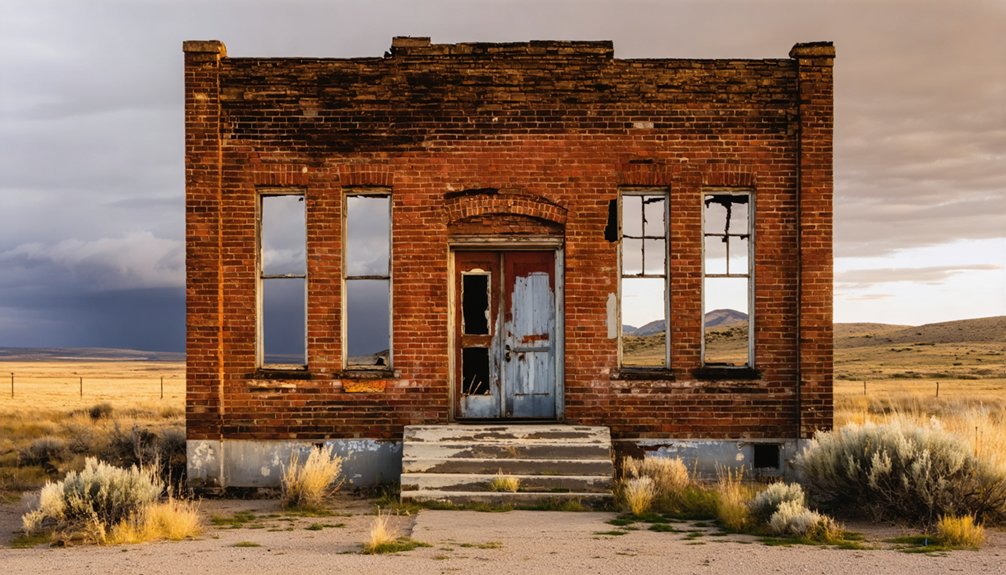
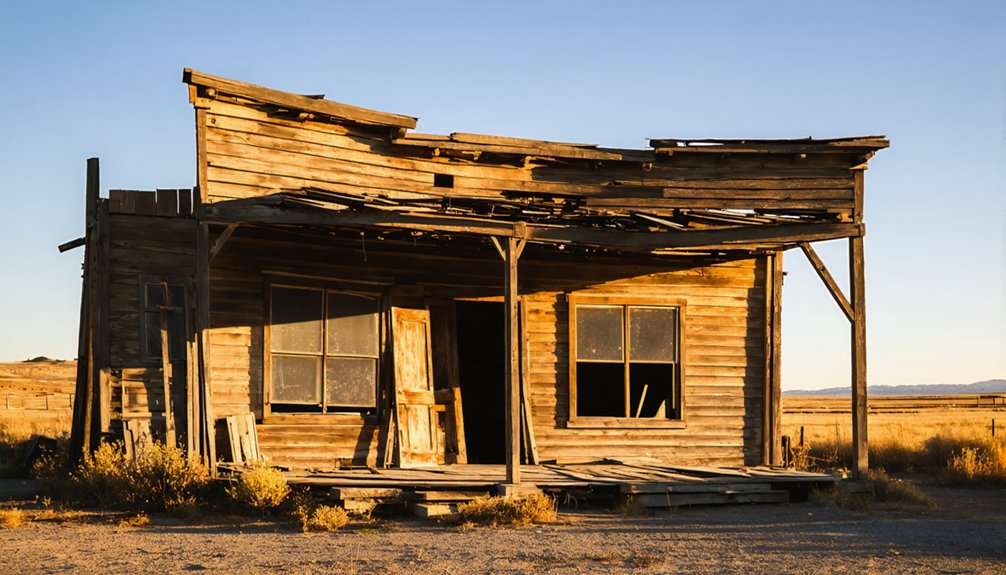
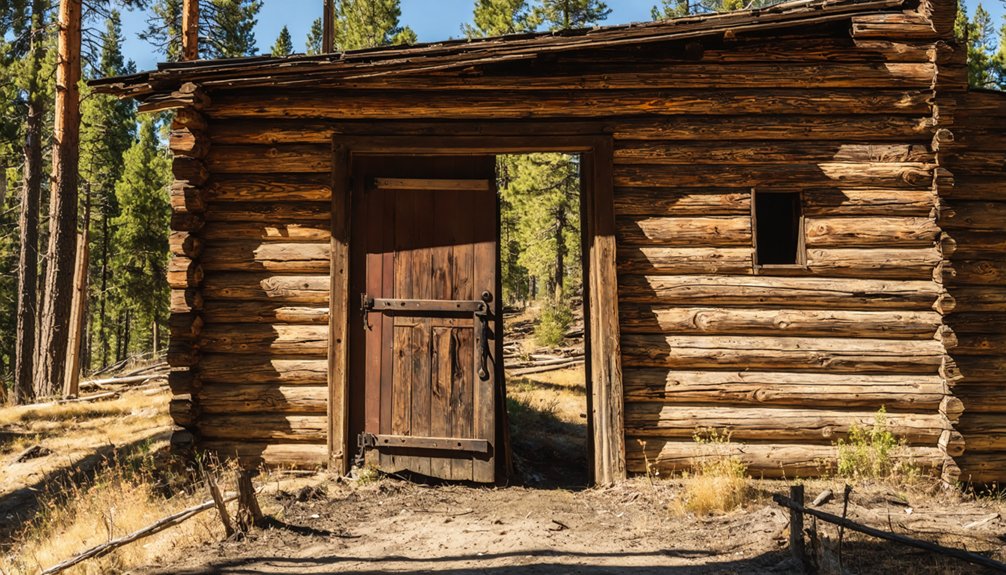
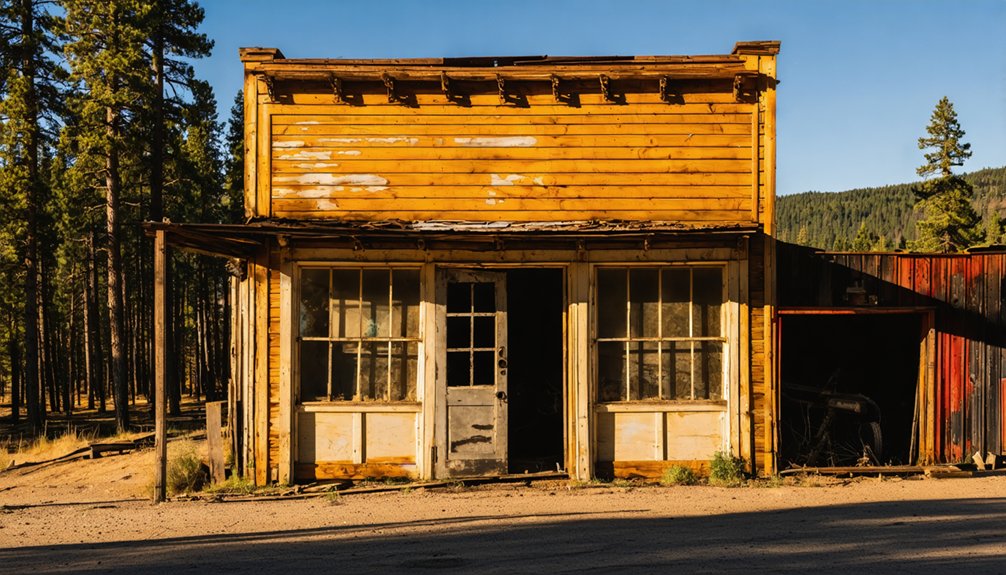
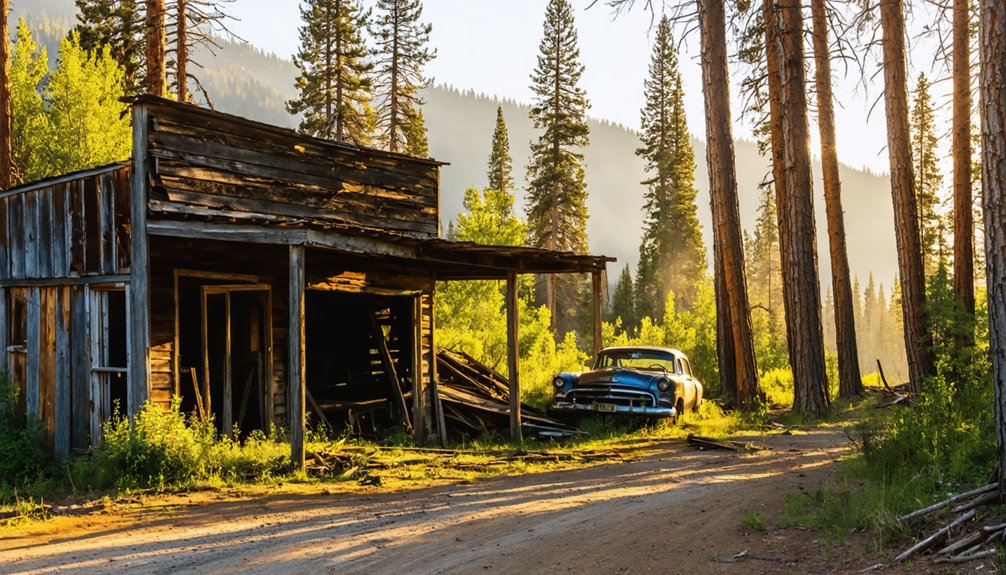
When you arrive at the Pioneerville townsite, you’ll find a handful of weathered wooden structures still standing among the hills.
You can also spot mining equipment remnants scattered across the area, including a dredge still resting in the stream.
Keep in mind, though, that the remaining property is privately owned by the Poncia family, so you’ll want to respect the boundaries before exploring further.
Standing Wooden Structures
Although time has whittled Pioneerville down to almost nothing, a few weathered wooden structures still stand at the townsite, offering a tangible glimpse into the town’s mining-era past. These survivors speak quietly to the raw ambition that once drove thousands of prospectors into these Idaho hills.
You’ll want to approach them with respect, as historical preservation remains an ongoing concern at privately owned sites like this one. Don’t rush your visit — take time to study the craftsmanship, imagine the bustling camp that once surrounded you, and scan the surrounding terrain for wildlife observation opportunities, since the remote landscape attracts deer, birds, and other native species.
The structures won’t last forever, making your visit a rare chance to witness living history before it disappears entirely.
Mining Equipment Remnants
Beyond the wooden structures, the real industrial soul of Pioneerville reveals itself in the mining equipment scattered across the site. You’ll find remnants that tell the story of evolving mining techniques, from early placer operations to the hydraulic elevators introduced in the 1880s. These historic artifacts connect you directly to the hands that shaped this canyon.
Most striking is the dredge still sitting in the stream, a hulking reminder of how aggressively miners worked the waterways. Rusted machinery and scattered ironwork mark where the smelter once attempted to process silver ores after placer gold declined.
Wandering through these remains, you piece together a complete industrial timeline. No museum curates this experience — it’s raw, open, and entirely yours to explore on your own terms.
Private Property Ownership
What greets you at Pioneerville today isn’t a public heritage site — it’s privately owned land belonging to the Poncia family. Land ownership here shapes everything about your visit, so respect property access boundaries before you explore. Keep these essentials in mind:
- The townsite sits on privately held ground — trespassing isn’t an option.
- No formal visitor infrastructure exists, so don’t expect signage or designated trails.
- Property access may require permission from the current landowners.
- Treat remaining structures and artifacts as someone’s private property, not public relics.
Pioneerville rewards the respectful traveler. You’re stepping onto land with a living ownership story, not a managed museum. Approaching it with awareness keeps the experience honest and ensures this forgotten corner of Idaho history remains accessible to future explorers.
The Gold Rush History That Built Pioneerville
When gold was discovered near Grimes Creek in 1862, it set off one of Idaho’s most dramatic mining booms and put Pioneerville on the map almost overnight. Thousands of prospectors flooded the Boise Basin, and by September 1863, Pioneerville’s population had swelled to nearly 3,000 people.
It ranked as the third largest camp in the basin, trailing only Idaho City and Placerville. Gold mining drove everything — commerce, construction, and community.
As you explore the area today, you’ll notice historical artifacts that hint at that explosive era, from weathered structures to mining remnants still scattered across the landscape. The boom didn’t last, but the legacy of those early prospectors shaped the region’s identity in ways you can still feel when you visit.
Other Ghost Towns Near Pioneerville Worth Adding to Your Route
Pioneerville sits at the heart of a ghost town loop that rewards curious travelers willing to explore the Boise Basin. You’ll find neighboring towns packed with historical artifacts and local legends worth chasing down. Add these stops to your route:
- Idaho City – The basin’s largest boom town, offering preserved buildings and rich mining history.
- Placerville – Once the second-largest camp, it retains authentic frontier character and remnants of its placer gold era.
- Centerville – A quieter stop with scattered historical artifacts that paint a vivid picture of 1860s mining life.
- Hogem – Tied directly to Pioneerville’s own local legends, this nearby site deepens your understanding of the region’s wild origins.
Together, these towns create an unforgettable loop through Idaho’s gold rush past.
What to Pack for a Day Trip to Pioneerville
Before you head out to Pioneerville’s rugged terrain, pack smart by bringing plenty of water, snacks, a first-aid kit, and a detailed map since cell service in Boise County’s backcountry is unreliable.
You’ll want sturdy, ankle-supporting hiking boots to handle the uneven ground and rough trail conditions around the old townsite.
Layer your clothing for shifting mountain temperatures, and don’t forget sun protection, as the exposed hillsides offer little shade during peak daylight hours.
Essential Gear and Supplies
Since the road to Pioneerville is rough and largely unpaved, you’ll want to pack smart before you head out. Unpredictable weather conditions and encounters with local wildlife make preparation essential for a rewarding visit.
Bring these four must-haves:
- Navigation tools – A downloaded offline map or GPS unit, since cell service is unreliable deep in Boise County.
- Water and snacks – At least two liters per person; there are no services near the townsite.
- Layered clothing – Mountain weather conditions shift quickly, so dress for both sun and cold.
- First aid kit – Rough terrain and remote location demand basic medical preparedness.
Pack light but pack right, and you’ll move freely through this forgotten slice of Idaho’s gold rush history.
Clothing and Footwear Tips
Dressing for a day trip to Pioneerville means planning for mountain conditions that can shift from warm and sunny to cold and breezy within hours. Layer a moisture-wicking base with a fleece or windbreaker you can easily tie around your waist. Idaho’s elevation demands respect, so don’t leave the car without sun protection and a hat.
For footwear, skip the sneakers. You’ll navigate rough terrain around historical preservation sites, old mining remnants, and stream crossings where a dredge still rests in place. Sturdy hiking boots with ankle support keep you stable and safe throughout the site.
Wildlife observation adds another reason to move quietly and carefully, so avoid loose clothing that snags on brush. Dress smart, move freely, and you’ll get far more from your visit.
Frequently Asked Questions
Is Pioneerville Located on Public Land or Private Property?
You’ll find Pioneerville’s remaining structures on private property, owned by the Poncia family. Land ownership shapes your visit, so respect boundaries while appreciating the site’s historical preservation — it’s a privately held piece of Idaho’s gold rush legacy.
What Was Pioneerville’s Original Name Before It Became Widely Known?
You’ll find that Pioneerville’s historical naming traces back to Fort Hogem, a rugged title reflecting its early settlement history. This raw, frontier identity captures the freedom-seeking spirit of gold rush pioneers who first carved out this bold community.
Did Pioneerville’s Silver Smelter Ever Successfully Operate at a Profit?
You’ll find that Pioneerville’s silver smelter likely never achieved economic viability. Mining history suggests the venture fell short of profitability, as records remain scarce and sources describe the operation as probably unsuccessful after placer gold deposits declined.
Is There an Entrance Fee or Permit Required to Visit Pioneerville?
Like a forgotten key still fitting its lock, Pioneerville’s doors stay open — no entrance fee or permit’s required. You’ll roam freely, chasing haunted legends and photography opportunities, though respect the Poncia family’s private property boundaries.
Are Any Organized Tours Available for Visiting Pioneerville Ghost Town?
No guided tours are available at Pioneerville, so you’ll explore freely on your own terms! Bring your camera and use natural lighting for stunning photography tips while wandering through abandoned structures and mining remnants at your own pace.
References
- https://www.facebook.com/groups/397526214154529/posts/1823026191604517/
- https://www.ghosttowns.com/states/id/pioneerville.html
- https://motoidaho.com/articles/gold-mining-ghost-towns-near-boise/
- https://history.idaho.gov/wp-content/uploads/2018/08/0064.pdf
- https://en.wikipedia.org/wiki/List_of_ghost_towns_in_Idaho
- https://kids.kiddle.co/Pioneerville
- https://www.elmorecountypress.com/boisecountynews.htm
- http://freepages.rootsweb.com/~gtusa/history/usa/id.htm
- https://www.touristsecrets.com/destinations/united-states/idaho/secrets-of-idahos-boise-basin-mining-towns/
- https://www.youtube.com/watch?v=AEHvMDPqgzY