Planning a ghost town road trip to Pluma, South Dakota is easier than you’d think. It sits right along U.S. Highways 85 and 385 between Deadwood and Lead, making it a natural roadside stop. You’ll find concrete foundations, weathered stonework, and echoes of a once-thriving milling hub that peaked around 1895. It’s a quick 15-minute stop, but it packs real historical punch. Stick around to uncover everything you need to make the most of your visit.
Key Takeaways
- Pluma sits between Deadwood and Lead in Lawrence County, SD, accessible via U.S. Highways 85 and 385 with no special detours needed.
- Plan roughly 15 minutes at the site, combining it with nearby ghost towns like Rochford, Mystic, and Galena for a fuller road trip.
- Visible remnants include the Treber Ice House concrete base and stone-wall foundations near the Gold Run and Whitewood Creek confluence.
- No interpretive signage exists, so research Pluma’s history beforehand and wear sturdy shoes for walking on uneven terrain.
- The Mickelson Trail runs through the area, offering optional hiking or cycling opportunities to extend your visit beyond the ghost town.
What Is Pluma, South Dakota?
Tucked between Deadwood and Lead in Lawrence County, Pluma is an abandoned ghost town that once thrived as a milling and service community during the Black Hills mining boom.
At its peak in 1895, locals called it “one of the most thriving places around,” supporting businesses like the Kildonan Mill and Belt Light & Power Company.
Its post office operated from 1898 to 1912, marking a brief but legitimate period of settlement before decline set in.
Today, Pluma’s cultural significance lies in what it reveals about boom-and-bust cycles that shaped the entire region.
You’ll encounter preservation challenges firsthand — foundations and stonework remain, but little else survives.
Pluma was annexed into Deadwood’s city limits in 1985, quietly closing the chapter on its independent identity.
Where Exactly Is Pluma Located?
You’ll find Pluma tucked between Deadwood and Lead along the Black Hills corridor, making it an effortless addition to any drive connecting those two towns.
The site sits at the confluence of Gold Run Creek and Whitewood Creek, a natural crossroads that once made it a logical hub for mining-era commerce and travel.
U.S. Highways 85 and 385 keep the area well-connected today, so you won’t need to hunt down obscure back roads to reach it.
Between Deadwood And Lead
Sitting right along the main corridor between Deadwood and Lead, Pluma occupies a historically strategic spot at the confluence of Gold Run Creek and Whitewood Creek in Lawrence County, South Dakota. You’ll find it naturally woven into any Black Hills road trip without requiring a significant detour.
That positioning wasn’t accidental — early travelers, freight haulers, and rail traffic all moved through this crossroads, giving Pluma real cultural significance during the mining era.
Today, preservation challenges define what you’ll encounter, since the townsite exists largely as foundations and stonework rather than standing structures.
Still, driving this corridor puts Pluma directly in your path between two of South Dakota’s most recognized Black Hills destinations, making it an effortless stop worth a few minutes of your time.
Creek Confluence Crossroads
Pluma’s exact position makes that corridor placement even easier to understand. The town sits at the confluence of Gold Run Creek and Whitewood Creek, a natural transportation crossroads that shaped its mining history from the start. Water, roads, and rail lines converged here, giving Pluma genuine strategic value.
That meeting point defined everything about the community:
- Two creeks intersecting created a logical hub for milling operations
- Stage and rail routes passed directly through the site
- Mining history ran deep, supported by the location’s water access
- Road traffic between Deadwood and Lead naturally flowed past
You’re not just visiting an abandoned town when you stop here. You’re standing at a spot where geography drove decisions, built businesses, and eventually watched them disappear.
Highway Access Points
Because Pluma sits directly between Deadwood and Lead, finding it requires almost no extra effort. U.S. Highway 85 and U.S. Highway 385 both run through this Black Hills corridor, placing Pluma within easy reach whether you’re heading north or south. You won’t need to hunt down obscure backroads or sacrifice significant drive time.
Pull off where the creek confluence meets the highway, and you’ll immediately sense the cultural preservation value packed into this compact stop.
The Mickelson Trail also passes nearby, so if you’re traveling by bike or on foot, you’ve got a non-motorized access point as well.
Visitor amenities in the surrounding area keep the stop practical without demanding a lengthy commitment.
Pluma rewards the curious traveler who values efficiency and historical depth equally.
Pluma’s Boom Years: Mills, Laundries, and Power
Though it lasted only a few decades, Pluma’s boom era packed in a surprising range of industry for such a small community. When you dig into its mining history, you’ll find this wasn’t just another camp — it was a working hub.
Pluma’s boom was brief — but brief didn’t mean small. This place worked hard and meant business.
By 1895, locals called it “one of the most thriving places around.” Here’s what powered that reputation:
- Kildonan Mill processed ore from surrounding claims
- Troy Steam Laundry handled the gritty work of a mining community
- Belt Light & Power Company kept operations running
- Treber Ice House (built 1910) served practical daily needs
Today, those ghost town ruins — foundations, stonework, concrete slabs — are what’s left. You’re walking through what was once a self-sufficient industrial corridor tucked into the Black Hills.
What Can You Still See at Pluma Today?
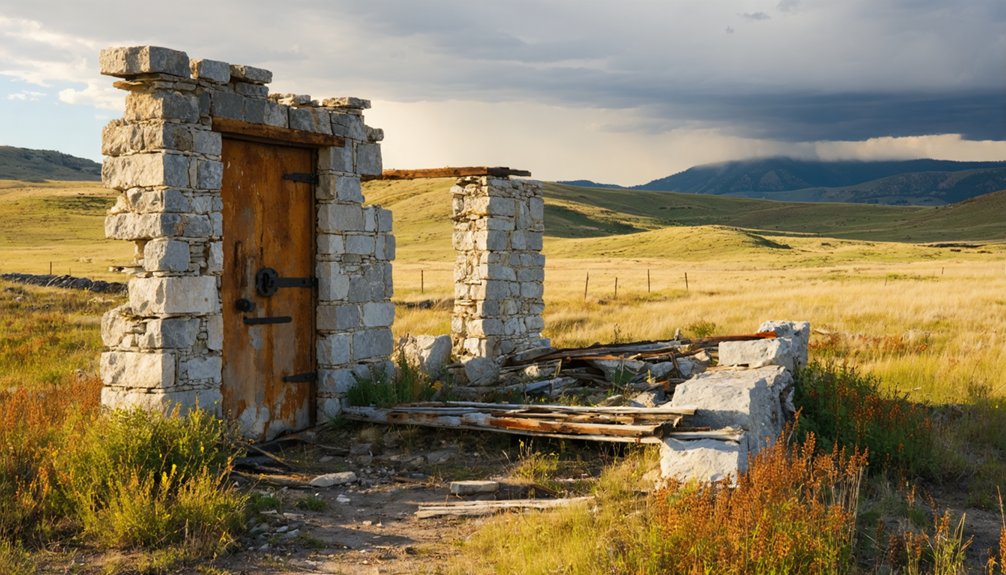
What remains at Pluma won’t overwhelm you with preserved buildings or interpretive signage — but that’s part of its appeal. You’re stepping into a landscape where history shows itself quietly. The concrete foundations of the 1910 Treber Ice House are still visible, and stone-wall remnants from milling operations anchor the site to its working past.
Historic preservation here isn’t polished — it’s raw and honest.
You’ll also find practical visitor amenities nearby, including trail access connecting to the Mickelson Trail corridor, making the stop work for hikers and cyclists too. Think of Pluma as a read-between-the-lines kind of place. The foundations, stonework, and open terrain tell the story. You just have to show up willing to look for it.
How to Add Pluma to a Deadwood-Lead Road Trip?
Adding Pluma to your Deadwood-Lead drive is almost effortless — it’s already on the route. Positioned directly between both towns along U.S. Highways 85 and 385, Pluma demands almost no detour. Pull off, explore the foundations, and keep moving on your own schedule.
Here’s how to make it work:
- Start in Deadwood, heading south toward Lead
- Watch for the Gold Run Creek confluence, your geographical marker for Pluma’s location
- Stop briefly to walk the foundation remnants and absorb the cultural significance of this milling-era community
- Connect with the Mickelson Trail nearby if you’re biking or walking
Preservation efforts here are minimal, so temper your expectations. What remains is raw and honest — a genuine snapshot of Black Hills boom-and-bust history worth your fifteen minutes.
Other Black Hills Ghost Towns Worth Combining With Pluma
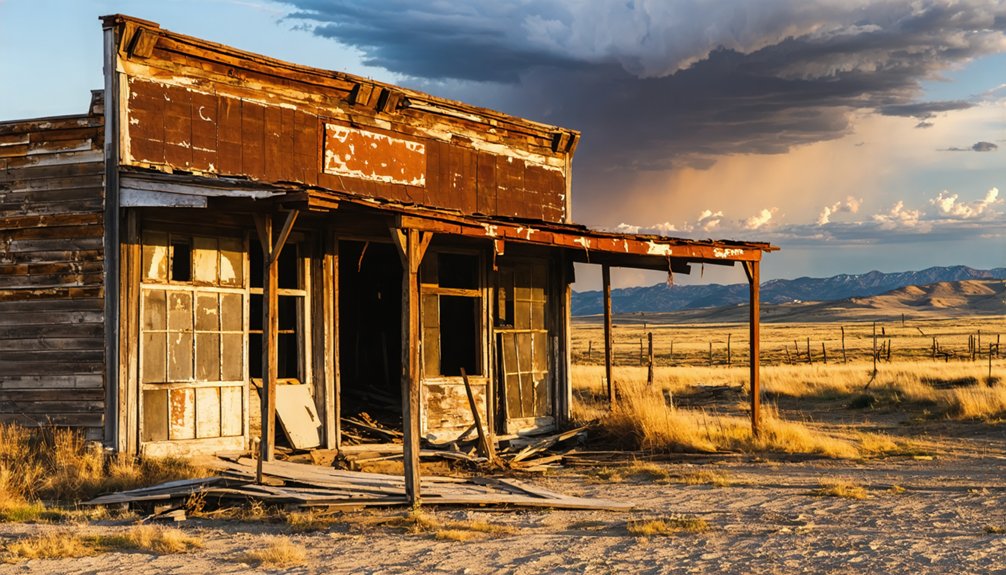
Since the Black Hills holds well over 600 ghost towns and former communities, you won’t struggle to build a longer itinerary around Pluma. The region rewards explorers who appreciate the cultural significance of mining-era settlements that shaped the American West.
Towns like Rochford, Mystic, and Galena sit within reasonable driving distance and offer their own layers of history, from placer mining operations to forgotten commercial districts. Many share Pluma’s story of rapid growth followed by quiet abandonment.
Preservation efforts vary across these sites, so some offer interpreted markers while others leave you piecing together stone foundations on your own. That freedom to explore without guardrails is exactly what makes a Black Hills ghost-town loop genuinely compelling rather than just another guided attraction.
What to Know Before You Walk the Site
Before you pull off the highway at Pluma, it helps to set realistic expectations about what you’ll actually find on the ground. This site carries real cultural significance, but preservation challenges mean there’s no maintained park or guided trail waiting for you.
Here’s what to keep in mind:
- Foundations dominate the landscape — the Treber Ice House concrete base is your clearest landmark.
- No formal signage guides you through the site, so research beforehand.
- Stone-wall remnants from milling operations are visible but weathered.
- The Mickelson Trail runs nearby, offering a clean entry point on foot or bike.
Wear sturdy shoes, bring water, and treat the remnants respectfully. You’re walking through working history, not a curated exhibit.
Is Pluma Worth the Stop?
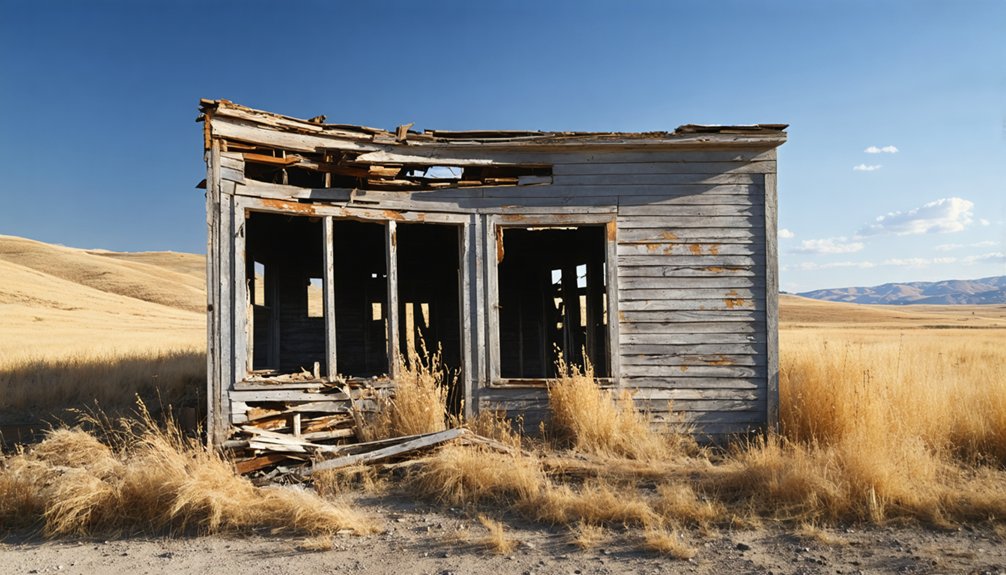
If you’re driving between Deadwood and Lead, Pluma fits naturally into your route without adding significant time.
You won’t find a preserved townsite waiting for you, but the remaining foundations and stonework give you something tangible to connect with the area’s milling past.
It’s a brief, rewarding stop that rewards historically curious travelers more than those expecting a full ghost-town experience.
Quick Historical Road Stop
Whether Pluma deserves a spot on your itinerary depends on what you’re after, but if you’re already driving between Deadwood and Lead, you’re passing right through it. Skip the long detour debate — this is a pull-off, not a planned destination.
Here’s what makes it worth two minutes of your time:
- Foundation remains from the Treber Ice House and milling operations are still visible
- Local legends tied to the mining boom give the site real historical weight
- Preservation efforts keep the story accessible through markers and trail connections
- Mickelson Trail access lets you stretch your legs beyond the windshield
Pluma won’t consume your afternoon, but it adds genuine Black Hills context to your drive without costing you anything but a brief stop.
Foundations Worth Seeing
What’s left of Pluma isn’t a museum or a restored townsite — it’s raw, honest evidence of a community that once called itself “one of the most thriving places around.” The concrete foundations of the 1910 Treber Ice House still push up through the ground, and stone walls tied to milling operations remain standing near the creek confluence where Gold Run and Whitewood meet.
You’re reading the cultural significance of an entire era through cracked concrete and weathered stone. No formal preservation efforts have transformed this into a polished attraction, and that’s exactly the point. You get to stand in an unfiltered space where history hasn’t been packaged for you.
Bring your curiosity, read the historical marker, and let the remnants speak for themselves.
Frequently Asked Questions
When Did Pluma Officially Become Part of Deadwood City Limits?
Pluma joined Deadwood’s city limits in 1985. Don’t let that kill the ghost town vibe — you’ll still find real historical mining remnants and authentic ghost town preservation that’ll make your free-spirited adventure totally worthwhile.
What Creeks Meet Near the Historic Pluma Townsite?
You’ll find Gold Run Creek and Whitewood Creek meeting near the historic Pluma townsite. These historic creek crossings shaped the waterway ecosystems and defined this crossroads community, making it a natural hub for travel and commerce.
Did Pluma Ever Have Its Own Functioning Post Office?
Yes, Pluma had its own functioning historical post office — and here’s what makes it fascinating for ghost town preservation lovers like you: it operated from 1898 to 1912, leaving behind just enough history to spark your curiosity.
Can Visitors Access the Mickelson Trail Near Pluma?
You can access the Mickelson Trail near Pluma, connecting trail accessibility with haunted landmarks along the route. Hike or bike through Black Hills history, exploring ghost-town remnants while freely roaming this legendary corridor between Deadwood and Lead.
How Many Ghost Towns Exist Across the Black Hills Region?
You’ll find over 600 “sleeping communities” scattered across the Black Hills, each whispering haunted legends through their abandoned structures. These forgotten places await your discovery, making every free-spirited road trip an unforgettable journey through South Dakota’s rich, mysterious past.
References
- https://en.wikipedia.org/wiki/List_of_ghost_towns_in_South_Dakota
- https://www.sdpb.org/rural-life-and-history/2023-08-21/some-black-hills-ghost-towns-and-their-origins
- https://www.powderhouselodge.com/black-hills-attractions/fun-attractions/ghost-towns-of-western-south-dakota/
- https://westernmininghistory.com/towns/south-dakota/pluma/
- https://www.youtube.com/watch?v=akmpBvLEMOA
- https://www.sdhspress.com/journal/south-dakota-history-2-2/some-black-hills-ghost-towns-and-their-origins/vol-02-no-2-some-black-hills-ghost-towns-and-their-origins.pdf
- https://kids.kiddle.co/List_of_ghost_towns_in_South_Dakota
- https://www.youtube.com/watch?v=_0WNYsFLSLA