Planning a ghost town road trip to Rice, California means heading east on Highway 62 into the Mojave Desert, where you’ll find crumbling WWII foundations, abandoned railroad cars, and a quirky shoe fence waiting without a single entrance fee or tour guide. Rice thrived briefly as a military training hub under General Patton before vanishing after 1944. Visit between October and April to avoid brutal heat. There’s far more to this forgotten desert stop than you’d expect.
Key Takeaways
- Rice, California, is located along Highway 62 between Twentynine Palms and the Colorado River, accessible by standard vehicles without high-clearance requirements.
- The ghost town originated as a railroad siding and served as Patton’s Desert Training Center during WWII before being abandoned in 1944.
- Key remnants include concrete foundations, abandoned railroad cars, old runway traces, and the iconic shoe fence roadside attraction.
- Visit between October and April to avoid dangerous summer temperatures that regularly exceed 110°F in this remote desert location.
- No services exist on-site, so pack ample water, sun protection, and fuel before making the trip to Rice.
What’s Actually Left to See in Rice, California?
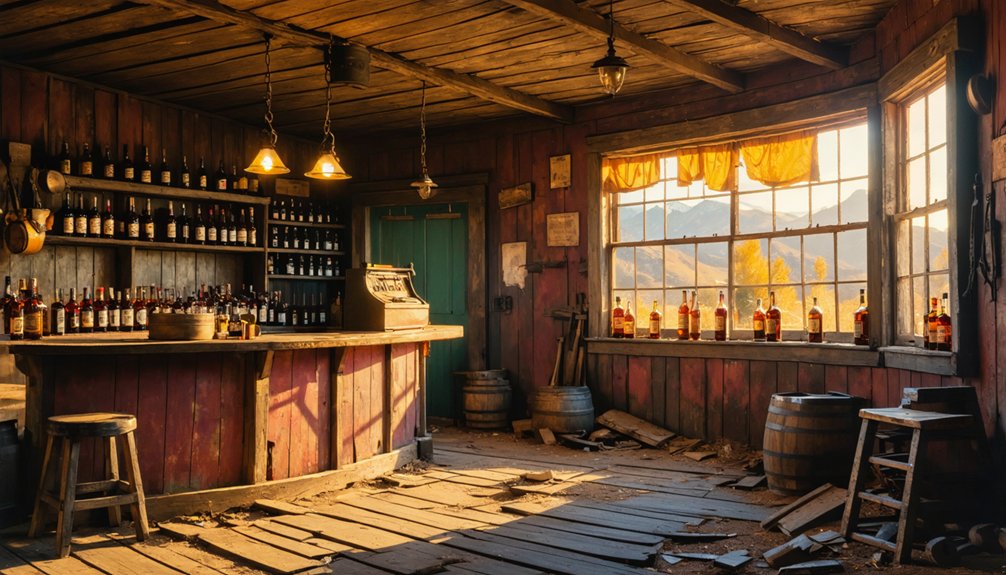
Although Rice has been abandoned for decades, you’ll still find enough scattered remnants to make the stop worthwhile. Concrete foundations from the World War II military era anchor the site, and rock-lined walkways hint at the organized camp that once housed thousands of enlisted personnel.
These historical artifacts sit quietly against the open desert landscape, giving you a raw, unfiltered look at what remains after decades of neglect.
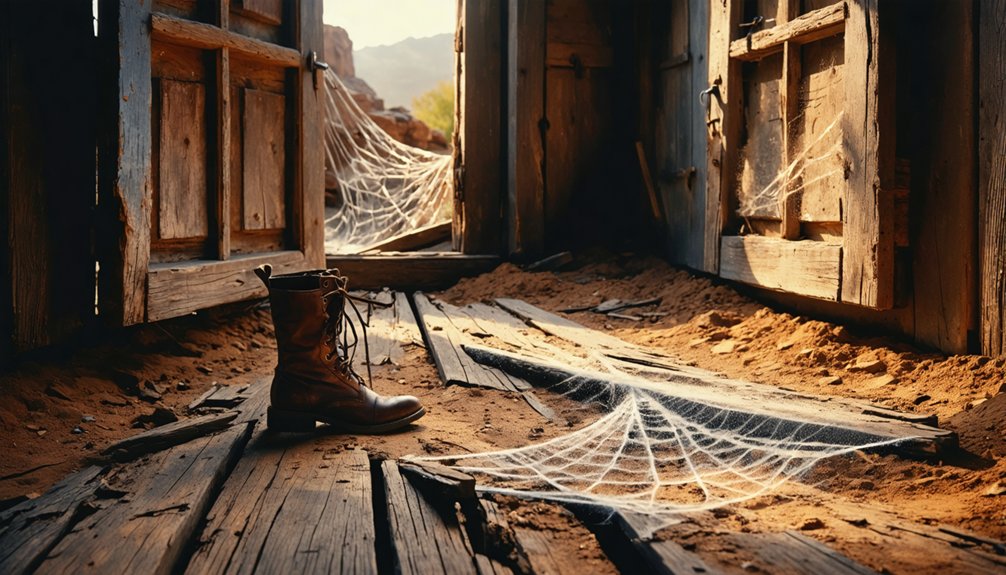
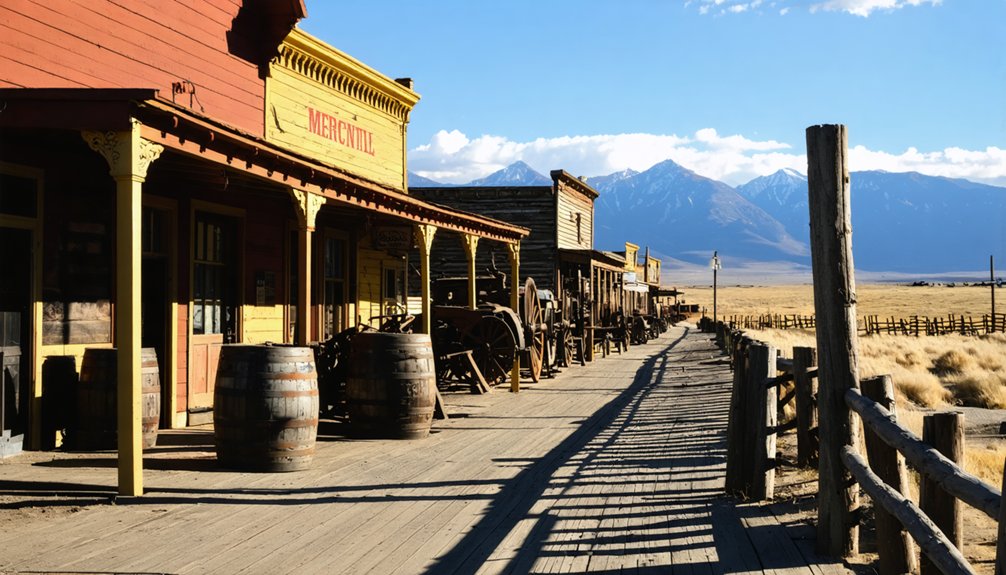
Traces of the old runway are still visible if you know where to look, and abandoned railroad cars add to the eerie atmosphere. There are no guided tours or fences telling you where to stand.
You’re free to explore at your own pace, photograph what catches your eye, and piece together Rice’s layered past on your own terms.
Getting to Rice, California Along Highway 62
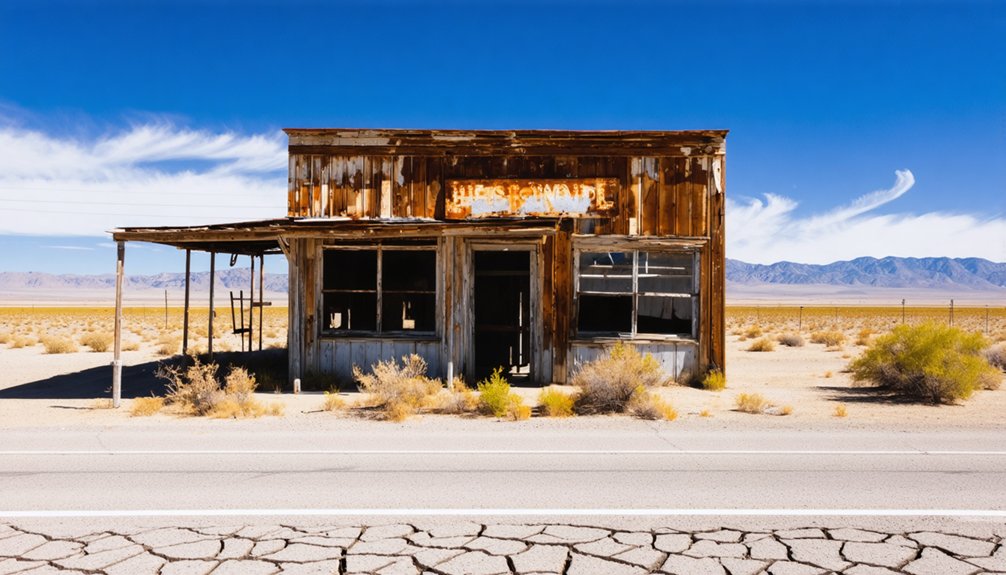
Once you’ve had your fill of exploring those scattered remnants, getting to Rice is straightforward enough that anyone with a standard vehicle can make the trip. You’ll find Rice along California State Route 62, sitting between Twentynine Palms and the Colorado River in San Bernardino County. No high-clearance vehicle is required — just pull off the highway and you’re there.
As you drive in, you’ll pass stretches of desert flora typical of the southern Mojave, from scrubby creosote to sparse ironwood. Local legends about the famous Shoe Tree give the roadside stop an extra layer of personality worth watching for.
The surrounding Rice Valley landscape is remote and raw, making the drive itself feel like part of the ghost town experience.
How Rice Went From Railroad Stop to Ghost Town
What started as a railroad siding in the early 1900s set the entire trajectory for Rice’s rise and eventual disappearance. The Atchison, Topeka and Santa Fe Railway gave this desert outpost its purpose, connecting it to Blythe and beyond.
By 1919, the town had its name, honoring railroad engineer Guy R. Rice.
World War II briefly transformed everything. Patton’s Desert Training Center brought thousands of soldiers, an airfield, and unexpected strategic significance — Rice even entered conversations around the Trinity Test site.
Then 1944 arrived, the military left, and the town never recovered.
Today, local legends and scattered concrete foundations are what remain. Historical preservation efforts are minimal, but the ruins speak clearly.
Rice didn’t fade slowly — it simply lost its reason to exist.
The Shoe Fence, Airfield Foundations, and Abandoned Railroad Cars
Scattered across the desert floor, Rice’s remains divide into three distinct curiosities that reward even a quick stop. You’ll spot the shoe fence first — thousands of shoes draped over fences and a gas station overhang, a roadside ritual born from local legends and traveler culture that turned abandonment into art.
Walk further and concrete foundations emerge through the desert flora, quiet evidence of the WWII airfield that once supported Patton’s Desert Training Center. These slabs are subtle but powerful reminders of Rice’s brief strategic importance.
Finally, abandoned railroad cars rust along the old siding, connecting you directly to the town’s railroad origins. Together, these three remnants give Rice its identity — not a restored attraction, but an honest, weathered snapshot of desert history you can explore entirely on your own terms.
When to Visit Rice and How to Prepare for the Mojave Desert
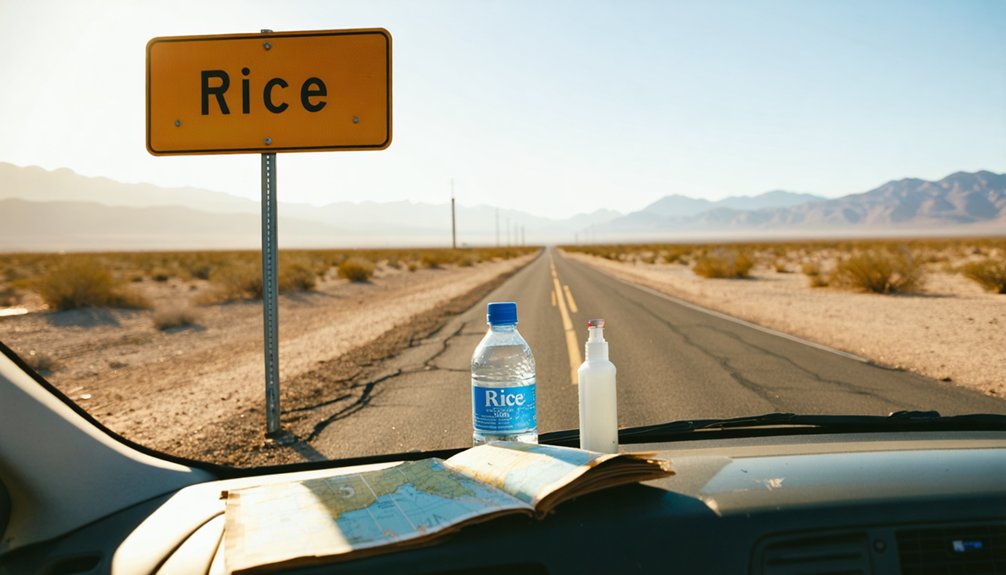
Timing your visit to Rice makes a real difference — while the site is technically accessible year-round, the Mojave Desert’s brutal summer heat can push temperatures well past 110°F, turning a casual roadside stop into a genuine safety risk.
Plan your trip between October and April, when cooler temperatures make exploring the foundations and abandoned railroad cars far more comfortable.
You’ll also notice desert flora at its most active during spring, with wildflowers occasionally pushing through the cracked earth.
Wildlife encounters are more common in cooler months too, so watch for desert birds and lizards moving freely across the site.
Pack plenty of water, wear sun protection, and fuel up before reaching Rice — there are no services waiting for you here.
Frequently Asked Questions
Was Rice, California Ever Considered for the Trinity Nuclear Test Site?
Among ghost town mysteries and abandoned sites, Rice, California was actually considered for the Trinity nuclear test. You’d be surprised — this quiet desert ghost town almost witnessed history’s first nuclear weapons test!
How Did Rice, California Get Its Name Changed From Blythe Junction?
You’ll find that railroad history shaped this ghost town legend—officials renamed Blythe Junction to Rice in July 1919, honoring railroad engineer Guy R. Rice, cementing the town’s identity along California’s desert rail corridor forever.
Is the Arizona and California Railroad Still Active Through Rice Today?
Like a steel spine still holding the desert together, yes, the Arizona and California Railroad’s still active through Rice today! You’ll witness this historic landmark humming with life during your ghost town exploration.
How Many Military Personnel Were Stationed at Rice Army Airfield?
You’ll find that military history records suggest several thousand enlisted personnel once powered airfield operations at Rice Army Airfield, making it a surprisingly bustling desert hub during World War II’s intense training years.
Why Was Rice, California Historically Referred to as “No Man’s Land”?
Like the Wild West’s lawless frontier, Rice earned its “No Man’s Land” reputation because its remote desert isolation left officials with little control over the area—you’ll find this ghost town history alive in its abandoned landmarks today.
References
- https://digital-desert.com/rice-ca/
- https://edition.pagesuite.com/tribune/article_popover.aspx?guid=ce44ec9f-ea9b-416a-b8ec-037aa985a70f
- https://www.ghosttowns.com/states/ca/rice.html
- http://www.gribblenation.org/2018/01/ghost-town-tuesday-rice-ca-and-bomb.html
- https://www.thedesertway.com/rice-aaf/
- https://en.wikipedia.org/wiki/Rice
- https://www.youtube.com/watch?v=jt6z573yxqA
- https://www.youtube.com/watch?v=sP9Sla_XPoc
- https://en.wikipedia.org/wiki/List_of_ghost_towns_in_California