Plan your Soldier Summit road trip by heading east on Highway 6 through Spanish Fork Canyon — you’ll reach this windswept Utah ghost town in about 30 minutes. It’s been frozen since 1984, exactly as the railroad left it. You’ll explore crumbling jail cells, forgotten foundations, and a hidden cemetery tied to soldiers from a long-ago army. There’s more waiting here than most ghost town hunters expect to find.
Key Takeaways
- Soldier Summit is located along Highway 6 in northeastern Utah, accessible via Spanish Fork Canyon with roughly a 30-minute climb from the valley floor.
- Key highlights include a two-room jail with intact cells, crumbling foundations, and an operational gas station surrounded by decayed historic walls.
- A hidden cemetery near the highway holds graves of soldiers and a 14-year-old boy, linked to Albert Sidney Johnston’s army.
- The ghost town offers unmanaged, authentic exploration of railroad-era ruins dating from 1883, with no curated tourism or reconstructed structures.
- Wildlife, scenic viewpoints, and dramatic geological terrain make the drive itself a rewarding part of the road trip experience.
Why Soldier Summit Is Worth the Detour
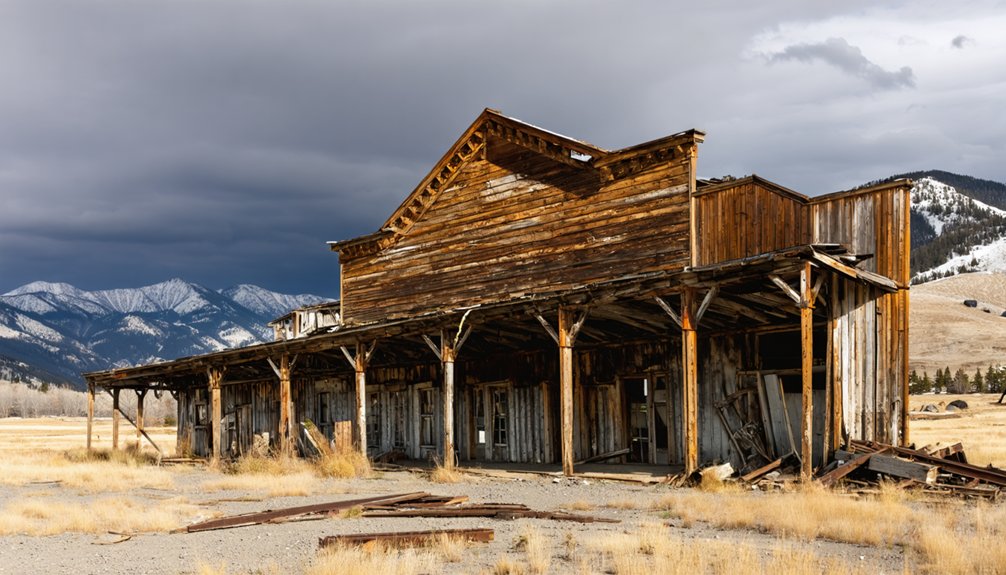
Though most drivers barrel through Highway 6 without a second glance, Soldier Summit rewards those who slow down with something rare: a genuine ghost town frozen in the aftermath of railroad glory. Its historical significance stretches from 1883, when it powered one of Utah’s largest railroad operations, to 1984, when disincorporation made its ghost town status official.
You’ll find more than crumbling foundations here. Local legends surrounding a hidden cemetery — where six soldiers and a 14-year-old boy are buried — give the place an eerie weight that no roadside marker fully captures. This isn’t a curated tourist stop; it’s raw, unmanaged history you can walk through.
If you value authentic discovery over packaged experiences, Soldier Summit delivers exactly that.
How to Reach Soldier Summit on Highway 6
Reaching Soldier Summit means committing to Highway 6, the main artery cutting through northeastern Utah’s canyon country. From the valley floor, you’ll climb Spanish Fork Canyon for roughly 30 minutes, watching the terrain shift from suburban sprawl to raw geological drama.
Keep your eyes open for local wildlife darting across rocky ledges — deer and hawks frequent these canyon walls. Scenic viewpoints appear unprompted, rewarding drivers who slow down long enough to notice them. Most travelers blow through without a second glance, missing the summit entirely. You won’t.
At the top, the highway quietly straddles the watershed divide between the Great Basin and the Colorado River — a geographic threshold that once made this forgotten railroad town strategically essential. Pull over. The ghost town waits just off the road.
How the Railroad Built: and Abandoned: This Utah Town
When the D&RGW railroad crews arrived in 1883, they didn’t stumble onto Soldier Summit — they built it from scratch, hammering a thriving operation into existence at one of Utah’s most strategically positioned mountain passes.
For nearly five decades, railroad history ran through this summit like steel through stone. Then the engines stopped coming.
Three forces collapsed the town:
- Modernized locomotives eliminated the need for summit-based crew stations
- Declining freight demand gutted the regional railroad economy
- Population exodus left buildings standing but empty by the 1970s
Today, ghost town preservation happens informally — you’ll walk crumbling foundations and a two-cell jail that nobody officially maintains.
The railroad built Soldier Summit fast and abandoned it faster, leaving you to read its bones alone.
What You Can Still See at Soldier Summit Today?
When you pull off Highway 6 and step onto Soldier Summit’s grounds, the past hits you hard and fast. You’ll find an old two-room jail with two intact cells, crumbling foundations stretching across acres, and empty houses frozen mid-decay.
A lone gas station still operates, its lights a strange, living pulse in an otherwise hollow town.
The Old Two-Room Jail
Among the scattered remnants of Soldier Summit, the old two-room jail stands as one of the most tangible links to the town’s working past.
Historical preservation here isn’t polished or curated — it’s raw, authentic, and waiting for you to discover it firsthand.
Local legends whisper about who once occupied those two cells.
When you visit, here’s what makes the jail worth your time:
- Two intact cells — rare structural survivors among mostly crumbling foundations
- Unfiltered access — no gates, no guided tours, just you and history
- Living context — standing beside the jail, you’ll feel the town’s railroad-era authority
Walk through it, photograph it, and let the silence remind you that real freedom sometimes means exploring forgotten places on your own terms.
Crumbling Foundations Remain
Beyond the jail, Soldier Summit opens up into a haunting tableau of empty houses, crumbling foundations, and acres of weathered walls that once held a thriving railroad community together. You’ll walk through structural decay that tells an honest story — no polish, no reconstruction, just raw history surrendering slowly to time.
Historical preservation here isn’t curated or controlled. It’s unfiltered. You’re free to explore crumbling doorways, trace foundation lines where homes once stood, and imagine the noise and motion of a peak-era railroad hub that powered northeastern Utah’s economy.
The D&RGW workers who once lived here left behind more than ruins — they left evidence of an entire way of life. Soldier Summit doesn’t sanitize its past. It simply lets you discover it on your own terms.
The Last Gas Station
One structure at Soldier Summit still functions — a gas station that quietly defies the decay surrounding it. A few residents keep it running, making it a rare pulse of life amid the ruins.
Local legends swirl around this place, and stopping here connects you directly to what little living history remains.
When you pull in, notice these three things:
- The attendants — actual residents who’ll share stories outsiders never read online
- The surroundings — crumbling walls frame the station like an open-air museum
- The atmosphere — preservation efforts are minimal, keeping the rawness honest and unfiltered
You’re not visiting a curated exhibit. You’re standing inside a forgotten world that refuses, stubbornly, to fully disappear.
The Hidden Cemetery That Named Soldier Summit
Perhaps the most haunting detail about Soldier Summit is that its very name traces back to a hidden cemetery most travelers never know exists. Buried nearby are six soldiers and one 14-year-old boy, their graves quietly marking a tragedy that history nearly swallowed whole.
Local legends connect these remains to soldiers from Albert Sidney Johnston’s army, though cemetery mysteries still cloud the full story. You’re driving Highway 6, passing this summit without realizing you’re rolling past unmarked graves that literally named the ground beneath your tires.
If you value discovering what mainstream tourism ignores, seek out this cemetery. It sits close enough to the highway that finding it feels achievable, yet remains obscure enough to reward anyone genuinely curious about Utah’s forgotten corners.
What to Know Before You Visit Soldier Summit
Before you drive up Spanish Fork Canyon, understand that Soldier Summit offers no formal welcome—no visitor center, no guided tours, no curated experience. You’re stepping into a self-guided relic, and that freedom demands preparation.
- Check weather conditions — The summit elevation brings unpredictable storms, ice, and wind that can shift quickly, especially outside summer months.
- Watch for local wildlife — Deer, raptors, and other high-elevation species inhabit the surrounding terrain, so move carefully and respectfully through the grounds.
- Respect remaining residents — Two or three occupied houses still stand here; the gas station operates with real people inside.
Highway 6 delivers you to the summit in roughly 30 minutes. Arrive curious, leave nothing behind, and let the crumbling foundations tell their own story.
Frequently Asked Questions
Can You Camp Overnight at Soldier Summit’s Ghost Town Site?
No formal camping regulations exist at Soldier Summit’s unmanaged site, so you’ll navigate historical preservation concerns freely. Respect the crumbling remnants, check local guidelines, and you might just sleep where railroad history breathes.
Are There Any Guided Tours Available at Soldier Summit?
No guided tours exist—because who needs historical preservation experts when you can freely wander crumbling foundations yourself? Embrace local legends solo, letting Soldier Summit’s haunting railroad ruins and forgotten soldier cemetery speak directly to your adventurous, unshackled spirit.
What Is the Best Season to Visit Soldier Summit?
You’ll love visiting in summer or fall! You’ll capture stunning photography tips among historic landmarks when skies are clear. Avoid winter’s harsh mountain conditions — the pass gets brutal, but warm seasons reward your adventurous spirit beautifully.
Is Soldier Summit Accessible During Winter Months on Highway 6?
Like pioneers braving frontier trails, you can tackle winter driving on Highway 6, but road conditions can turn treacherous fast. Check Utah DOT updates before you venture up — snow and ice don’t forgive the unprepared.
Are There Nearby Restaurants or Accommodations Close to Soldier Summit?
You won’t find local dining or nearby hotels at Soldier Summit’s ghostly outskirts. Stock up before heading up Spanish Fork Canyon — this abandoned railroad frontier rewards self-sufficient adventurers who embrace the raw, untamed spirit of Utah’s forgotten history.
References
- https://en.wikipedia.org/wiki/Soldier_Summit
- https://digging-history.com/2014/08/20/ghost-town-wednesday-soldier-summit-utah/
- https://www.soldiersummitestates.com/area-history
- https://www.youtube.com/watch?v=Tns6WY626RQ
- https://utahrails.net/drgw/rg-soldier-summit.php
- https://www.youtube.com/watch?v=du2WtClO2yc
- https://www.youtube.com/watch?v=EDTFPW0eGz4
- https://www.youtube.com/watch?v=70dV_euVg80