Planning a ghost town road trip to Thistle, Utah means heading into Spanish Fork Canyon to witness one of America’s most haunting disaster landscapes. From Salt Lake City, take I-15 south, then U.S. Route 6/89 east into the canyon. You’ll find submerged homes, fire-scarred ruins, and skeletal structures frozen in time by a catastrophic 1983 landslide and a devastating 2018 wildfire. It’s raw, eerie, and unforgettable — and there’s far more to this tragic story than meets the eye.
Key Takeaways
- Thistle, Utah, located in Spanish Fork Canyon, is a ghost town shaped by a 1983 landslide and 2018 wildfire, not gradual decline.
- From Salt Lake City, head south on Interstate 15, take exit 261 onto U.S. Route 6/89, and drive 12.7 miles into the canyon.
- Most exploration is roadside only, as Thistle sits on private property; submerged homes are visible directly from U.S. Route 6/89.
- Key sights include a red schoolhouse, half-sunken bog house, scattered rooftops, charred foundations, and skeletal ruins lining the highway.
- A large pullout near the double road cut offers the best viewpoint for photographing the landslide’s scale and ghostly ruins.
What Is Thistle, Utah and Why Visit This Ghost Town?
Tucked into the rugged landscape of Spanish Fork Canyon, Thistle, Utah is a ghost town unlike any other — one shaped not by economic decline, but by catastrophe. Once a thriving railroad community of 650 residents, Thistle vanished almost overnight when a massive 1983 landslide buried it beneath millions of cubic meters of water.
What’s left are haunting skeletal structures, sunken homes, and local legends that draw curiosity seekers from across the country. You’ll find no velvet ropes or guided tours here — just raw, unfiltered history exposed along a canyon highway.
Preservation efforts earned Thistle a spot on the National Register of Historic Places, ensuring its story endures. If you crave destinations that feel genuinely untamed, Thistle absolutely belongs on your road trip list.
The 1983 Landslide That Buried Thistle Overnight
The story of how Thistle disappeared begins in April 1983, when an unusually wet winter set the stage for one of the most destructive geological events in American history. A massive earthflow dammed the Spanish Fork River, backing up roughly 65,000 acre-feet of water behind a natural dam.
Officials ordered immediate evacuations as floodwaters rose without warning, swallowing the town whole.
As the water crept higher, there was no time — only the order to leave and never return.
The disaster became Utah’s first presidentially declared disaster area, with damages reaching half a billion dollars by today’s standards — the costliest landslide in U.S. history. Land usage across the canyon changed permanently overnight.
What was once a thriving community became a submerged ruin.
Today, historical preservation efforts recognize Thistle within the National Register of Historic Places, honoring what the floodwaters couldn’t fully erase from memory.
What’s Left to See at Thistle Today?
Decades of flooding, fire, and time have left Thistle a haunting shell of its former self, but there’s still plenty to capture your attention. You’ll spot a red schoolhouse standing defiantly near the road, alongside an old train machine shop echoing the town’s railroad past.
Rooftops that once became flood rafts still lie scattered across the landscape, fueling endless urban legends among visitors. A half-sunken house embedded in a bog practically writes its own ghost stories.
The 2018 wildfire claimed many remaining structures, leaving only skeletal ruins and damaged foundations behind. You can view submerged homes directly from U.S. Route 6/89 without leaving your vehicle.
How the 2018 Wildfire Destroyed the Remaining Ruins
If you think the 1983 flood left little behind, the August 2018 wildfire dealt Thistle an even crueler blow. Burning through more than 30,000 acres of Spanish Fork Canyon and consuming most of what remained of the ghost town.
The lightning-sparked blaze tore through the ruins, reducing structures that had survived decades of neglect and flood damage to ash almost overnight. A few homes managed to escape the flames, but they’re so damaged that you’ll find only skeletal frames and crumbling foundations where buildings once stood.
Fire’s Devastating Impact
Just when you’d think Thistle couldn’t suffer another catastrophic blow, a lightning storm in August 2018 ignited a wildfire that tore through Spanish Fork Canyon, burning more than 30,000 acres and consuming many of the ruins that had survived the 1983 flood.
The blaze stripped away structures that had stood as powerful reminders of the town’s history, dealing a serious blow to historical preservation efforts. A few damaged homes survived, but they’re barely recognizable, with only crumbling foundations marking where families once lived.
If you’re planning a visit, keep tourist safety in mind — unstable, fire-damaged structures pose real risks. What remains today feels even more ghostly than before, a landscape shaped by flood, fire, and time working relentlessly against Thistle’s fragile legacy.
Surviving Structures After Fire
Though the 1983 flood had already claimed most of Thistle, the 2018 wildfire erased what little remained. Sparked by lightning in August of that year, the fire tore through over 30,000 acres of Spanish Fork Canyon, consuming structures that had survived decades of neglect and flood damage.
For historical preservation efforts, the loss was devastating. The few standing buildings that once gave visitors a tangible connection to Thistle’s past were reduced to ash and charred foundations. What you’ll find today are scattered skeletal remnants, barely recognizable as structures.
As you explore, keep visitor safety in mind — unstable foundations and fire-damaged debris make close inspection risky. Viewing from a distance remains your best option, letting you absorb the haunting landscape without putting yourself in danger.
Is Thistle Worth Visiting Still? What to Expect on the Ground
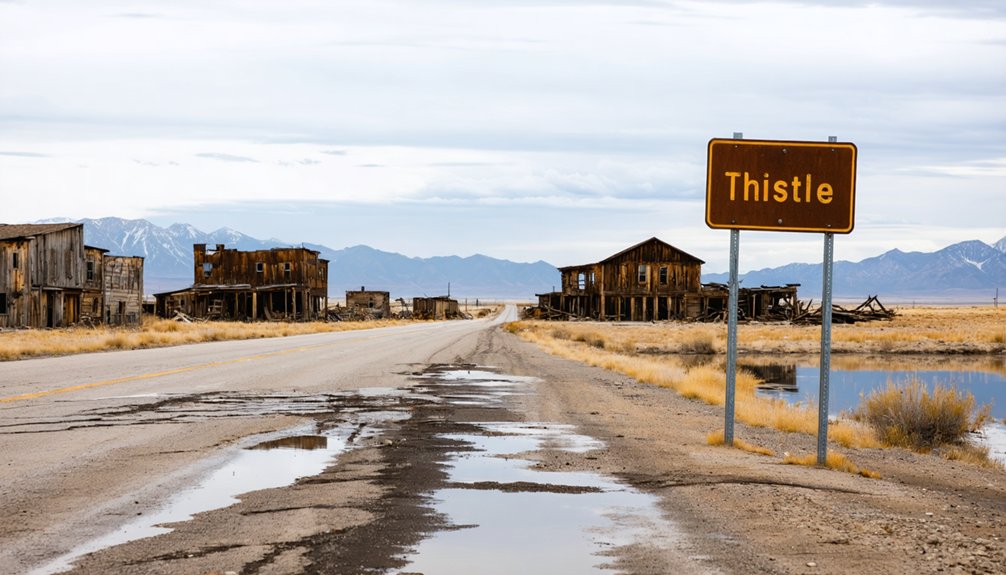
Despite the combined devastation of the 1983 landslide and 2018 wildfire, Thistle still offers a hauntingly compelling glimpse into its tragic past.
You’ll spot the red schoolhouse, scattered skeletal structures, and half-sunken homes embedded in bog from the road without ever stepping onto private property.
It’s not a pristine ghost town experience, but the raw, layered damage from both flood and fire makes Thistle unlike any other abandoned site in Utah.
Remaining Ruins Worth Seeing
After the 1983 flood and the 2018 wildfire, Thistle’s remaining ruins are sparse but still worth the detour. You’ll spot a red schoolhouse still standing near the road, a relic that anchors the site’s historical preservation efforts.
An old train machine shop sits close by, quietly deteriorating alongside scattered foundations barely recognizable beneath years of damage.
Rooftops that once floated as rafts during the flood still lie strewn across the landscape, frozen in time.
Half-sunken homes embedded in bog offer haunting scenic photography opportunities without requiring you to leave your vehicle.
Since Thistle sits on private property, keep your exploration roadside.
The submerged structures along U.S. Route 6/89 are visible and striking enough to make the stop genuinely memorable.
Fire And Flood Damage
What’s left of Thistle tells two disaster stories at once. The 1983 landslide submerged most of the town, warping foundations and scattering rooftops across boggy ground.
Then, in August 2018, a lightning-sparked wildfire tore through Spanish Fork Canyon, consuming more than 30,000 acres and destroying many structures that had survived the flood.
You’ll notice the combined damage immediately. Fire stripped vegetation and blackened remaining ruins, while flood sediment continues undermining foundations.
Very little stands intact, which makes historical preservation here an ongoing challenge rather than a finished effort.
Still, the cultural significance of what remains is undeniable. Scattered skeletal structures and half-sunken homes create a raw, unfiltered landscape that no museum could replicate.
If you want honesty from a ghost town, Thistle delivers it completely.
Viewing From The Road
Thistle is private property, so you’ll do most of your exploring from the road — and that’s honestly enough. Driving along U.S. Route 6/89, you’ll spot submerged homes sitting eerily along the roadside without stepping foot onto private land.
The red schoolhouse stands as a quiet anchor for historical preservation, visible and striking against the canyon backdrop. Scattered rooftops, broken foundations, and skeletal structures reward patient eyes and sharp lenses, making this a compelling stop for scenic photography.
New homes, horses, and cattle now share the landscape, blending eerie abandonment with unexpected life. You won’t need to wander far — the ruins come to you.
Pull over where you legally can, take it in, and let the canyon tell its story.
How to Get to Thistle From Salt Lake City
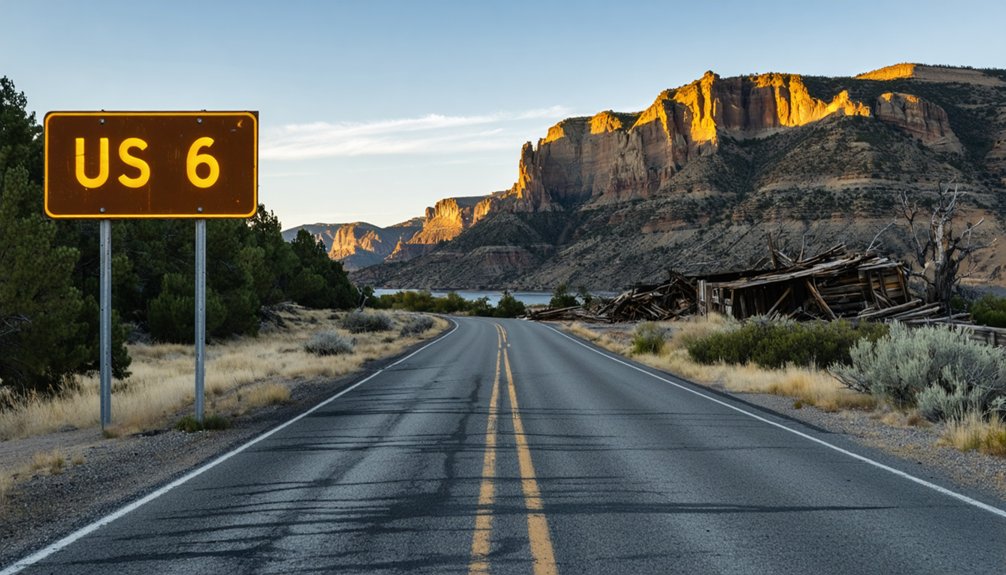
Getting to Thistle from Salt Lake City is a straightforward drive that takes you through some of Utah’s most dramatic canyon scenery. Head south on Interstate 15 toward Spanish Fork, then take exit 261 east onto U.S. Route 6/89 into the canyon.
After about 11 miles, turn right onto Spanish Fork River Park Road to view the landslide from the downstream side. Continue to the 12.7-mile mark and pull into the large pullout just before the massive double road cut — it’s an ideal stop to appreciate the ghost town architecture and reflect on historical preservation efforts in the area.
From there, travel 1.5 miles further, turn right onto U.S. Route 89, and drive another 1.5 miles to reach Thistle’s haunting remains.
Where to View the Ruins Without Setting Foot on Private Property
Although Thistle sits on private property, you don’t need to trespass to experience its ghostly atmosphere. Drive along U.S. Route 6/89, and you’ll spot submerged homes directly from the road, half-swallowed by the bog that the 1983 landslide created. No pull-off exists, so slow down and take it all in from your vehicle.
Slow down along U.S. Route 6/89 — submerged homes peek through the bog, no trespassing required.
For a broader perspective, turn right onto Spanish Fork River Park Road about 11 miles into the canyon to view the landslide from the downstream side.
Historical preservation efforts recognize Thistle as part of the National Register of Historic Places, so respect the site’s boundaries.
Local legends surrounding the flood, the buried railroad town, and the 2018 wildfire make every visible ruin feel like a page ripped from Utah’s most dramatic history.
What Else to See Near Thistle Along Spanish Fork Canyon
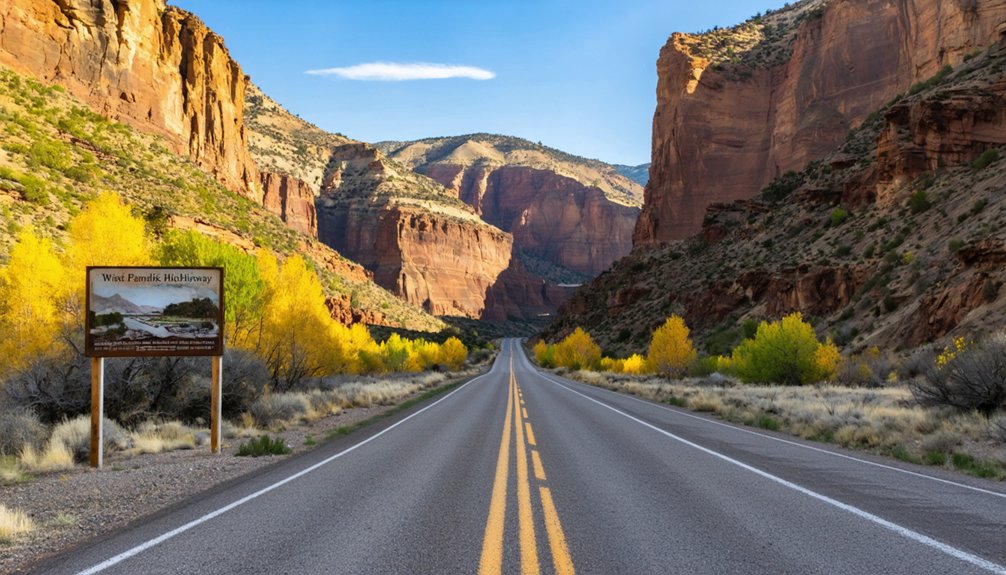
Spanish Fork Canyon doesn’t end its story at Thistle. As you drive U.S. Route 6/89, the canyon itself rewards curious travelers with dramatic landscapes shaped by geology, water, and time. Pull over at the downstream landslide viewpoint off Spanish Fork River Park Road to fully grasp the scale of the 1983 disaster that buried an entire community.
The canyon also carries its share of urban legends and local legends, whispered among hikers and history enthusiasts who’ve explored its remote stretches. Travelers report eerie sensations near the old railroad grades and creek beds that once supported a thriving town.
Beyond Thistle, the canyon connects you to Soldier Summit and the broader story of Utah’s railroad heritage, making the entire drive a layered, immersive experience worth taking slowly.
Frequently Asked Questions
Are There Guided Tours Available for Visiting Thistle Ghost Town?
No guided tours are available at Thistle, but you’re free to explore its historical significance independently. Respect preservation efforts by viewing ruins from a distance, as the site remains private property with submerged homes visible along U.S. Route 6/89.
What Is the Best Time of Year to Visit Thistle?
Spring and fall offer you the best visits, when mild weather enhances Thistle’s historical significance. You’ll spot local wildlife thriving among the ruins, making your exploration of this hauntingly beautiful ghost town truly unforgettable and deeply rewarding.
Is Thistle Accessible During Winter Months or Road Closures?
You can visit Thistle year-round, but winter road conditions may challenge seasonal accessibility. Check U.S. Route 6/89 for closures before heading out, as canyon roads occasionally shut down during heavy snowfall or icy conditions.
Are There Restrooms or Facilities Available Near the Thistle Ruins?
You won’t find restroom facilities or nearby amenities at Thistle’s ruins. Plan ahead by stopping in Spanish Fork before heading into the canyon, where you’ll discover gas stations and restaurants to fuel your adventure freely.
Can Photography Drones Be Used Legally Over the Thistle Area?
Like maneuvering uncharted skies, drone regulations here aren’t straightforward. Since Thistle’s on private property, you’ll need landowner permission for aerial photography. Always check FAA rules before launching your drone over the area.
References
- https://www.atlasobscura.com/places/thistle-ghost-town
- https://en.wikipedia.org/wiki/Thistle
- https://saltproject.co/blog/thistle-ghost-town
- https://www.facebook.com/utah.fun.guide/posts/underwater-ghost-townthistle-utah-once-a-thriving-railroad-town-of-about-650-res/1049119933911466/
- https://www.intermountainhistories.org/items/show/34
- https://www.deseret.com/utah/2022/9/1/23331255/thistle-utah-a-ghost-town-unlike-the-rest/
- https://www.thetravel.com/what-happened-to-the-town-of-thistle-utah/
- https://diaryofabandonment.com/thistle-ghost-town-utah/
- https://www.thetravel.com/what-is-thistle-utah-ghost-town-like/