Planning a ghost town road trip to Tin Cup, Colorado means heading to a remote, 10,157-foot mining relic perched on the Continental Divide in Gunnison County. You’ll want a high-clearance vehicle, a paper map, and extra supplies since cell service barely exists out here. Visit between June and September when the roads are passable and the seasonal spots are open. There’s far more to this lawless little town than you’d expect.
Key Takeaways
- Tin Cup sits at 10,157 feet in Gunnison County, accessed via dirt road CR-765 from Crested Butte, requiring high-clearance vehicles.
- Visit between June and September for open roads, operational amenities like Frenchy’s Cafe, and reliable access to historic sites.
- The year-round accessible cemetery features graves of marshals Harry Rivers and Andy Jameson, reflecting Tin Cup’s violent, lawless history.
- Pack water, paper maps, extra fuel, a first aid kit, and layered clothing, as cell service is virtually nonexistent.
- Watch for elk and deer on roads, and prepare for afternoon thunderstorms that can quickly turn dirt roads into dangerous mud.
What Makes Tin Cup a True Colorado Ghost Town?
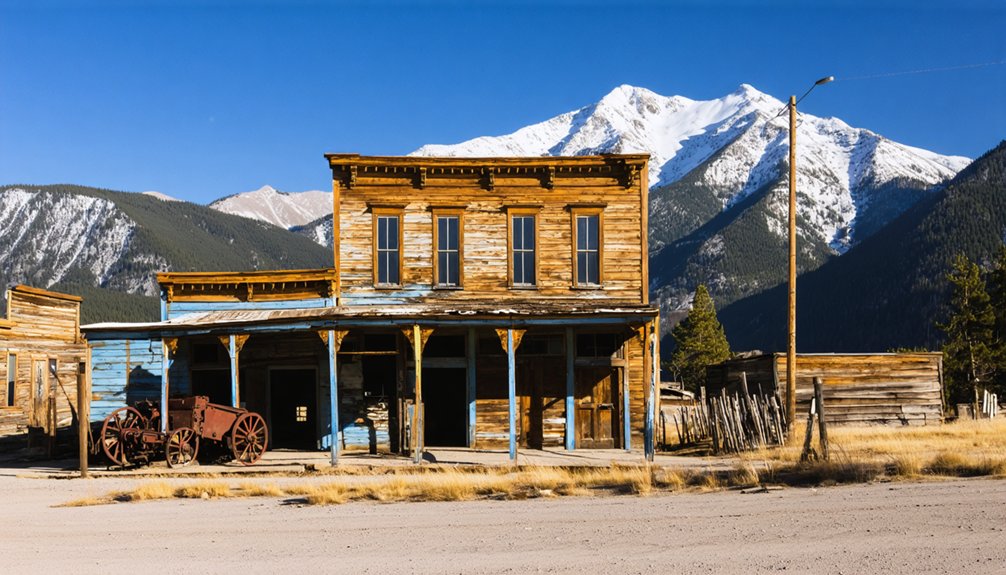
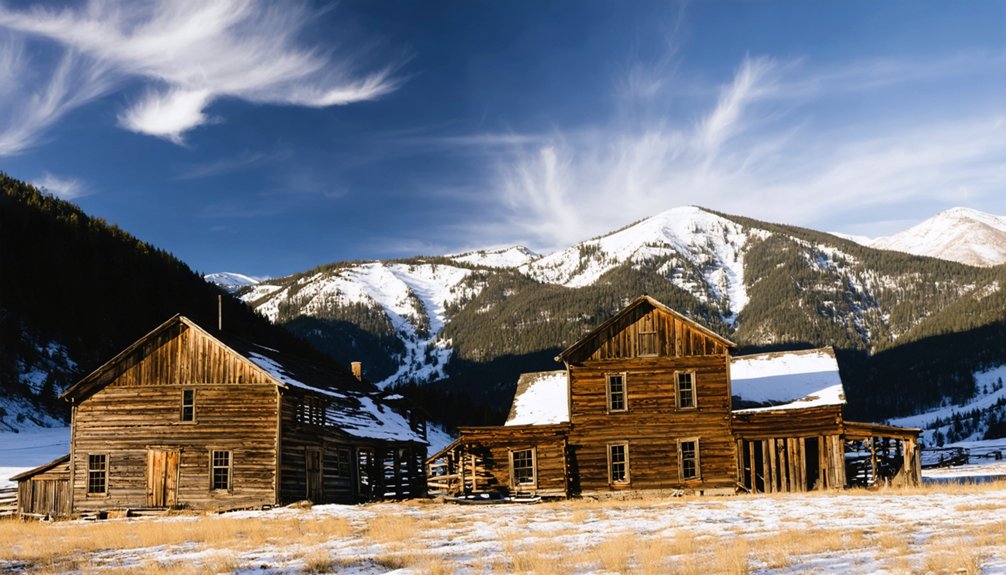
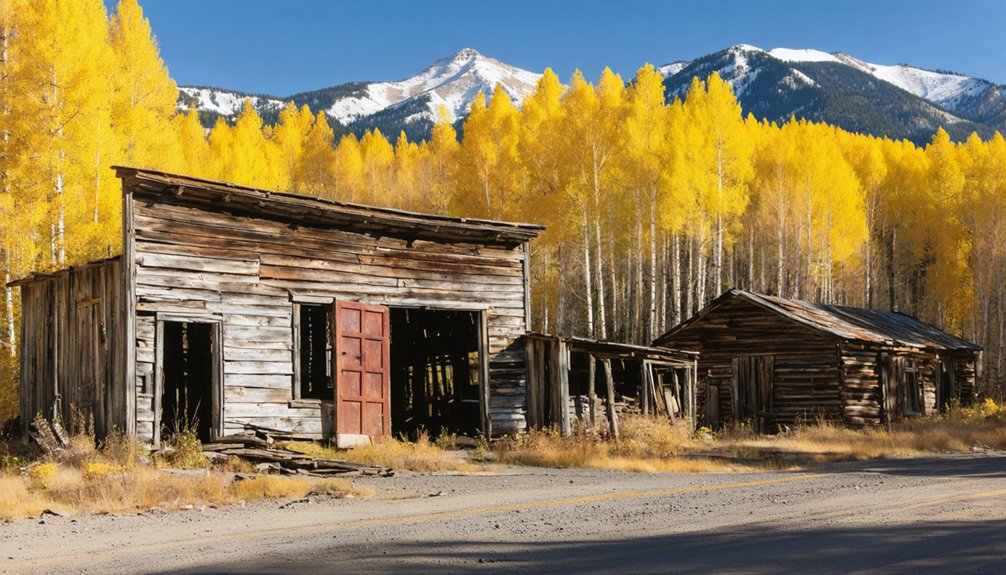
Although Tin Cup isn’t completely abandoned, it earns its ghost-town reputation through its striking isolation, preserved 19th-century log cabins, and a violent past that’s still etched into its historic cemetery. Sitting at 10,157 feet in Gunnison County, it’s the kind of place that rewards those who crave open roads and raw history.
Ghost town preservation here isn’t a museum effort — it’s organic. Most structures are privately owned, restored just enough to survive harsh winters but authentic enough to feel genuinely untouched.
Local legends surrounding marshals Harry Rivers and Andy Jameson, both killed in gunfights during the 1880s, add a real edge to your visit. You’re not walking through a theme park. You’re stepping into a community that boomed, bled, and barely survived.
How To Get To Tin Cup, Colorado
You’ll find Tin Cup tucked into Gunnison County, Colorado, sitting at a lofty 10,157 feet on the Continental Divide.
Your main route in is Colorado Road 765 from the west, a dirt road that winds through stunning backcountry terrain for roughly an hour and a half from Crested Butte.
Plan your visit for summer, though, because heavy snowfall and an unmaintained road make winter access nearly impossible.
Location And Elevation Overview
Tucked into Gunnison County along the Continental Divide, Tin Cup sits at a lofty elevation of 10,157 feet — so don’t be surprised if the thin air hits you the moment you step out of your vehicle. That altitude shapes everything here, from the rugged alpine terrain to the wildlife encounters you’ll have with elk, mule deer, and marmots roaming freely through the surrounding landscape.
The elevation also rewards you with dramatic, sweeping scenery that makes photography tips worth knowing before you arrive — shoot during golden hour when warm light catches the weathered log structures and mountain ridgelines perfectly.
You’re genuinely off the grid out here, sitting deep in Colorado’s backcountry where the landscape feels untamed, open, and entirely on its own terms.
Main Access Route
Getting to Tin Cup means committing to the journey — the primary route is Colorado Road 765, a dirt road that winds in from the west and rewards your patience with increasingly dramatic mountain scenery.
From Crested Butte, you’re looking at roughly an hour and a half of driving through open terrain that feels genuinely untouched.
If you’re arriving from the east, high-elevation OHV routes offer a more rugged alternative, though you’ll want a capable vehicle.
Each bend in the road builds anticipation, and by the time the old log structures come into view, you’re already primed for the local legends and ghost stories that define this place.
Plan your visit between June and September, when the road is accessible and the town is alive.
Seasonal Road Conditions
Road conditions on Colorado Road 765 shift dramatically with the seasons, and knowing what to expect keeps your trip from turning into an unplanned adventure. Summer brings the most reliable access, with the dirt road typically passable from June through September.
Watch for local wildlife crossing the road at dawn and dusk — elk and deer move frequently through this corridor. Weather patterns in the high country change fast, so afternoon thunderstorms can turn dry dirt into slick mud within minutes.
Winter closes the road entirely, as heavy snowfall and zero maintenance make it impassable for standard vehicles. Even in early summer, you’ll want to check current conditions before heading out.
A high-clearance vehicle gives you the best chance of reaching Tin Cup without incident.
The Best Time of Year To Visit Tin Cup
Summer is the undisputed sweet spot for visiting Tin Cup, roughly spanning June through September when the dirt roads are passable, the seasonal businesses are open, and the high-altitude weather won’t catch you off guard.
You’ll find Frenchy’s Cafe and the general store up and running, giving you a base for exploring mining relics and soaking in the town’s raw, 19th-century atmosphere.
The longer daylight hours also give you more time to wander the historic cemetery, where local legends of gunfighters and fallen marshals come alive through weathered headstones.
Outside of summer, heavy snowfall cuts off access entirely, and most of the town shuts down.
If freedom and open roads are what you’re after, June through September is your window.
What You’ll Actually Find Open When You Arrive?
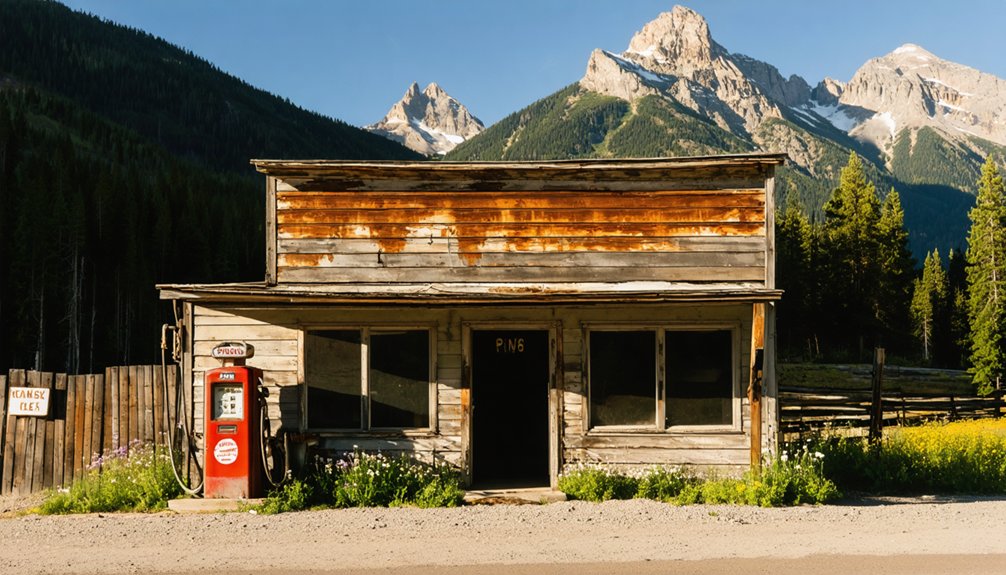
When you pull into Tin Cup, don’t expect a row of open storefronts — the town runs on a tight seasonal schedule, with the general store and Frenchy’s Cafe typically operating only from June through September.
You’ll find the cemetery open to visitors year-round, offering a sobering look at the marshals and miners who defined the town’s violent past.
Beyond those stops, most structures you see are privately owned historic buildings, so you’re fundamentally walking through a living snapshot of a 19th-century mining camp rather than a curated tourist attraction.
The General Store Hours
If you’re making the trek out to Tin Cup, don’t expect a bustling main street lined with open shops — the town runs on its own quiet schedule. The general store operates seasonally, typically from June through September, giving you a narrow window to stock up before heading deeper into the backcountry surrounded by historic structures and local legends.
Plan around these key details:
- Operating season: June through September only
- Winter access: The store closes as roads become unmaintained and snowfall increases
- No backup options: There are no grocery stores or saloons in town
- Frenchy’s Cafe follows the same seasonal schedule
Come prepared with supplies. Tin Cup rewards self-sufficient travelers who respect its rhythm rather than expect modern conveniences.
Frenchy’s Cafe Availability
Frenchy’s Cafe runs on the same June-through-September schedule as the general store, so you’re working with a short seasonal window the moment you commit to this road trip. Weather conditions at 10,157 feet can shift fast, and the cafe’s closing date reflects that reality — once fall sets in, the road becomes unreliable and the season ends.
If you’re arriving outside those months expecting local dining, you’ll find locked doors and silence instead of a hot meal. Plan your timing deliberately.
Hit that summer window, and Frenchy’s becomes a rare, welcome stop after miles of backcountry driving. Miss it, and you’re eating whatever you packed.
In a town with no restaurants or grocery stores, that distinction matters more than you’d expect.
Cemetery And Historic Sites
Unlike the cafe and general store, the cemetery doesn’t close for the season — it’s the most reliably accessible site you’ll find in Tin Cup. Walk among the gravestones and you’ll encounter town legends carved into weathered markers, including marshals who died violently keeping order in this lawless mining camp.
Key stops worth your attention:
- Harry Rivers’ grave — the marshal killed in a gunfight in 1882
- Andy Jameson’s marker — shot to death just one year later in 1883
- Scattered mining relics visible throughout the surrounding landscape
- Original log structures preserved along the town’s quiet streets
These sites require no ticket, no schedule, and no guide — just your curiosity and willingness to explore Colorado’s raw, unfiltered history.
Tin Cup’s Historic Cemetery and Its Four Dead Marshals
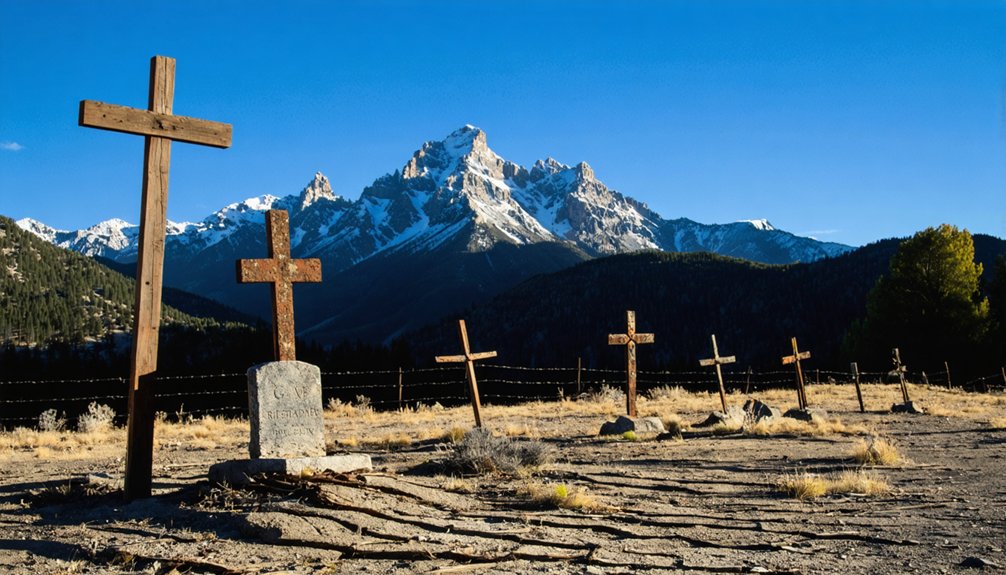
Tin Cup’s historic cemetery is one of the most compelling stops on any ghost town itinerary, and it’s not hard to understand why. The gravestones here tell a raw, unfiltered story of mining history — a town so lawless it burned through marshals faster than most camps struck gold.
Four marshals died violently while trying to keep order, including Harry Rivers, shot down in 1882, and Andy Jameson, killed just a year later. Walking through the grounds, you’ll feel ghost town preservation at its most honest — no sanitized museum displays, just weathered markers standing against the mountain sky.
It’s a direct connection to the people who lived and died here, and that kind of unfiltered history is exactly why places like Tin Cup deserve your attention.
What To Do Near Tin Cup Once You’ve Seen the Town
Once you’ve explored the town itself, the surrounding area opens up into a full backcountry playground. You’ll find trails, waterways, and mountain scenery that reward anyone willing to push deeper into Gunnison County’s high country. Local wildlife is active throughout summer, so keep your eyes open.
Popular activities nearby include:
- Hiking the surrounding trail network through alpine terrain
- Fishing the creeks and lakes fed by snowmelt
- OHV and ATV riding on high-elevation routes crossing the Continental Divide
- Trail exploration connecting Tin Cup to neighboring backcountry destinations
You don’t need a rigid itinerary here. Pick a direction, follow a trail, and let the landscape lead you. The freedom is the point, and the terrain delivers it generously.
What To Bring Before You Drive to Tin Cup
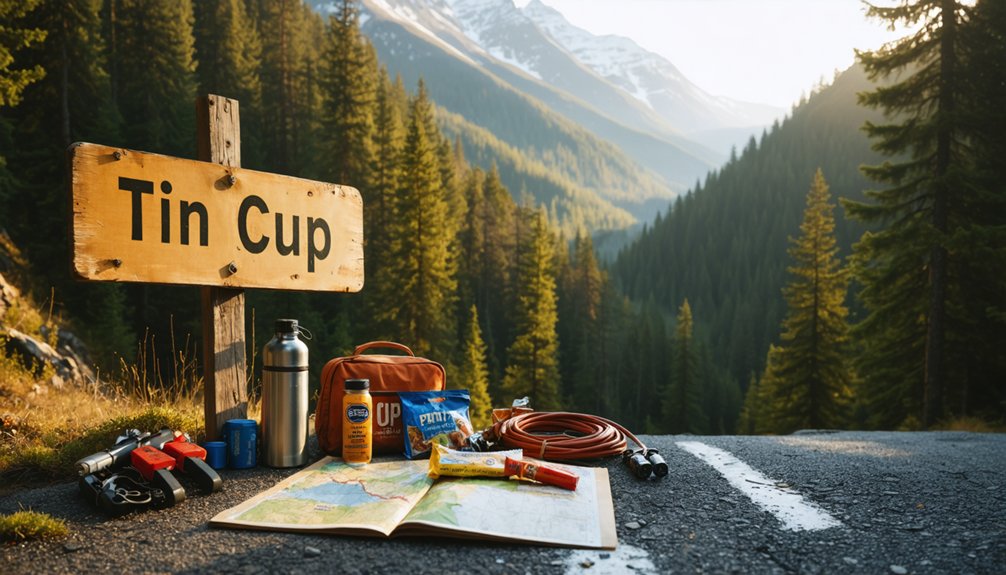
Getting out there’s the easy part—getting back safely takes a little planning. Tin Cup sits above 10,000 feet on an unmaintained dirt road, so pack accordingly. Bring extra water, a paper map, a first aid kit, and enough gas to cover remote miles without a fill-up nearby. Cell service is practically nonexistent out here.
Pack layers, since mountain temperatures drop fast even in summer. If you’re hoping to photograph historic landmarks like the cemetery or original log cabins, bring a quality camera. Binoculars help you spot local wildlife—deer, elk, and other high-country animals are common throughout the area.
Keep your vehicle in solid condition before you leave. Flat tires happen on rough terrain, so carry a spare, a jack, and the know-how to use them.
Frequently Asked Questions
What Was Tin Cup Originally Named Before Becoming Tin Cup?
You might not think the name matters, but it’s tied to historic preservation and local legends — Tin Cup was originally called Virginia City when it was laid out in 1879, before it’s reincorporated in 1882.
How Did Tin Cup Get Its Unusual Name?
You’ll love this tale rooted in Colorado mining history: prospector Jim Taylor reportedly carried gold dust from Willow Creek in a tin cup, giving one of America’s most memorable historic ghost towns its uniquely charming name.
How Large Was Tin Cup’s Population During Its Mining Boom?
At its peak, you’d have found 1,495 souls bustling among what’s now quiet ghost town architecture. The 1880 census captured that vibrant surge—today, only mining history artifacts and silence echo that remarkable, fleeting freedom.
Can Visitors Stay Overnight in Tin Cup?
You won’t find historical accommodations or modern lodging options in Tin Cup—the town has no hotels. Instead, you’ll want to camp nearby, embracing the wild freedom of this rugged, remote Colorado backcountry before exploring further.
Are Square Dances Still Held in Tin Cup Today?
You’ll find that historic dance events live on in Tin Cup! The town hall still hosts modern community gatherings, including lively square dances, letting you experience authentic Western tradition in this rugged, free-spirited Colorado mountain community.
References
- https://www.facebook.com/groups/CoMinesHistory/posts/1207576429921778/
- https://www.tripadvisor.com/Attraction_Review-g60740-d259722-Reviews-Tin_Cup-Gunnison_Colorado.html
- https://www.allcrestedbutte.com/history_museums/tincup_colorado_ghost_town.php
- https://www.gunnisoncounty.org/635/Tin-Cup
- https://www.uncovercolorado.com/towns/tincup/
- https://gunnisoncrestedbutte.com/blog/town-profiles-tincup/
- https://westernmininghistory.com/towns/colorado/tincup/
- https://5280.com/the-part-time-ghost-town-of-tin-cup-is-still-an-outdoor-mecca/
- https://outboundfolk.com/colorado/tin-cup-colorado/
- https://www.tripadvisor.com/ShowUserReviews-g60740-d259722-r629856032-Tin_Cup-Gunnison_Colorado.html