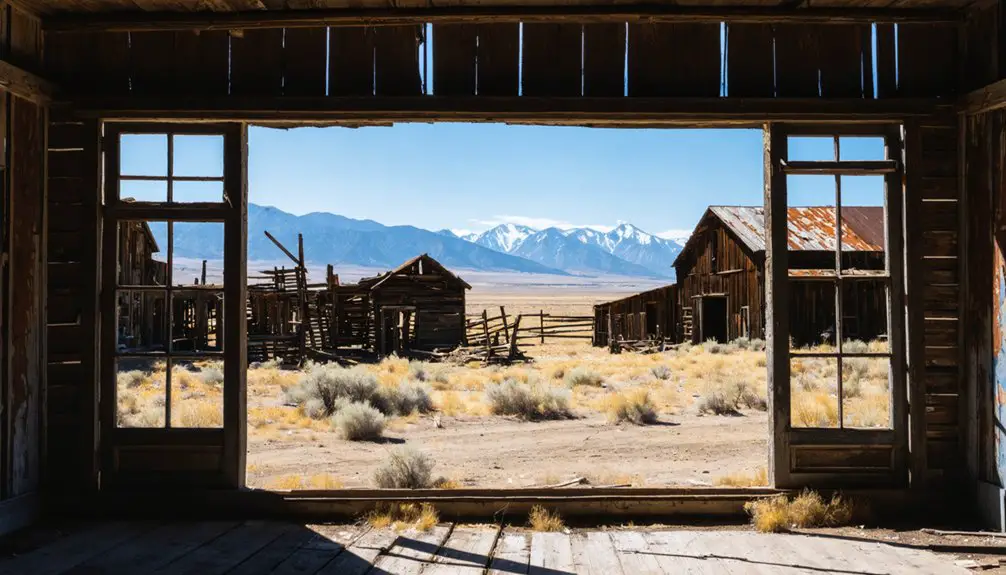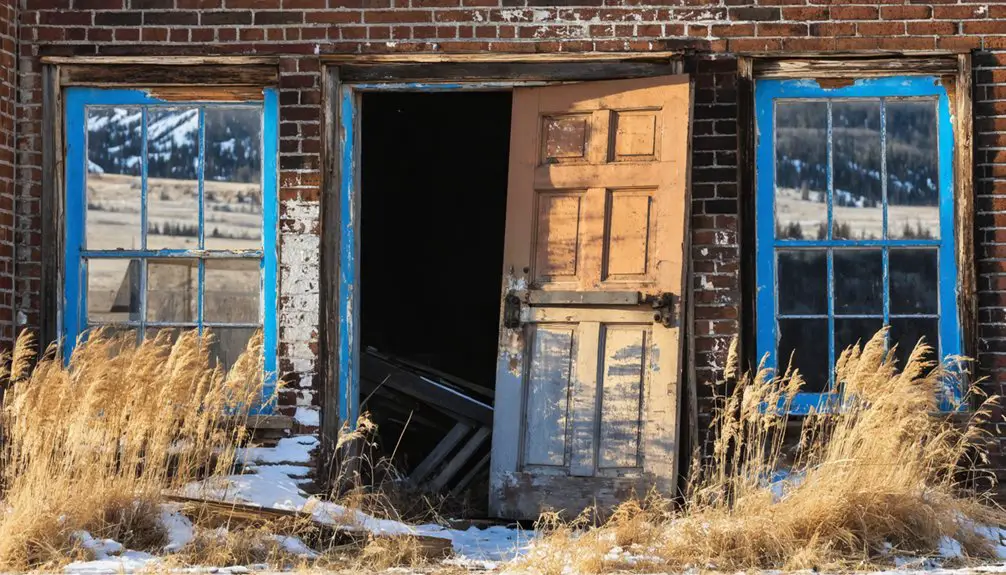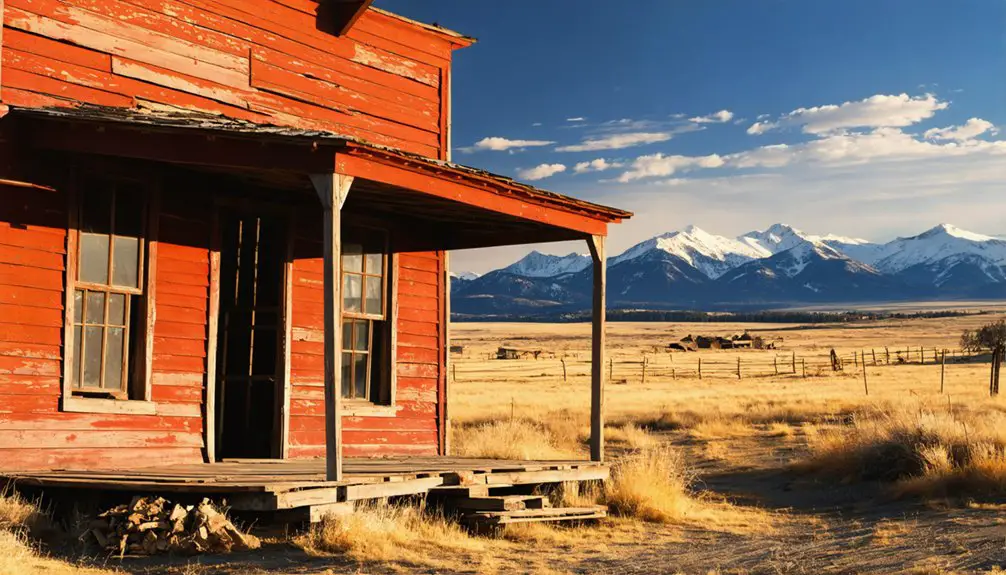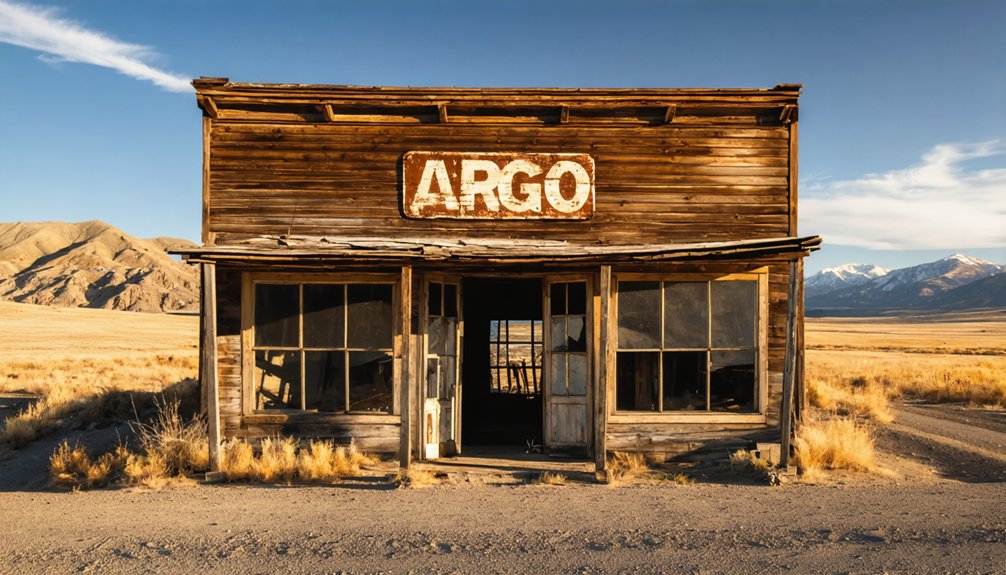
To plan your ghost town road trip to Argo, Montana, start in Boulder and head east on MT‑66 for 12 miles before turning north onto unpaved Argo Road. You’ll need a high-clearance 4×4 to handle 5–7 miles of rough, washboarded terrain. Once there, you’ll discover century-old cabins, mining equipment, and a historic cemetery. Check road conditions before you leave, pack plenty of water and fuel, and stick around — there’s far more to uncover ahead.
Key Takeaways
- Start in Boulder, Montana, heading east on MT-66 for 12 miles, then turn north onto unpaved Argo Road for 5–7 miles.
- A high-clearance 4×4 vehicle is required; verify road conditions with Jefferson County Road Department before departing.
- Pack essentials including extra water, food, a spare tire, offline maps, and weather-appropriate layers.
- Argo features semi-stabilized cabins, mining equipment, tailings piles, and a cemetery with readable graves and interpretive signs.
- Extend your trip by visiting nearby ghost towns like Bannack, Virginia City, or Garnet over two to three days.
How to Get to Argo Ghost Town From Boulder, Montana
Getting to Argo Ghost Town takes you through three distinct stretches of road, each with its own character.
Start in Boulder, Montana, then head east on paved MT‑66 for about 12 miles. Watch for the Argo Road turnoff heading north — it’s unpaved and easy to miss.
Begin in Boulder, Montana, heading east on paved MT‑66 for 12 miles before watching for the easy-to-miss Argo Road turnoff north.
From there, you’ll navigate 5–7 miles of washboarded, rocky terrain that demands a high‑clearance or 4×4 vehicle.
These driving tips matter: check road conditions beforehand with Jefferson County Road Department, carry extra water, and top off your fuel in Boulder.
That rough final stretch carries real historical significance — you’re traveling the same corridor miners used during the 1890s gold rush.
Download offline maps, since signage is sparse, and respect posted notices around active mining claims along the route.
What’s Left to See at Argo Ghost Town?
Remnants of Argo’s boom-era ambition still dot the landscape once you arrive — you’ll find semi-stabilized cabins, scattered foundations, and rusting fragments of mining equipment that hint at a town that once housed 500 residents.
Tailings piles and decaying mine shafts speak to the industrial scale behind Argo history, when this valley produced over $1,000,000 in gold by 1899.
Head uphill from the main townsite and you’ll reach the Argo Cemetery, where readable graves and interpretive signs add real human context to your ghost town exploration.
Tramway remnants and a mill foundation round out the industrial picture.
Stay alert for posted boundaries, though — some structures sit on private or active claim land, so respect the signs and stick to accessible areas.
Road Conditions and What Vehicle You’ll Need?
Once you leave the paved comfort of MT‑66, the Argo Road shifts quickly into rough, washboarded dirt that’ll rattle loose anything not properly secured in your rig.
Road conditions vary seasonally — spring mud, summer dust, and autumn rockfall all demand your full attention across those 5–7 unpaved miles to the townsite.
Vehicle requirements here aren’t suggestions — they’re survival basics. A high‑clearance 4×4 with solid tires handles the ruts, loose rock, and unexpected washouts far better than a standard sedan ever could.
Before you roll out, check current road conditions with the Jefferson County Road Department or a local ranger office.
Active mining traffic shares this corridor, so staying alert keeps your adventure moving forward rather than sideways into a ditch.
What Should You Bring for a Safe Visit to Argo?
Packing smart before you leave Boulder’s last gas station can mean the difference between a memorable ghost town adventure and a frustrating roadside emergency. Fill your tank completely, then load essential gear: extra water, trail food, a first aid kit, and sturdy footwear for Argo’s uneven, debris-scattered terrain.
Download offline maps since route signage is nearly nonexistent out there. Follow basic safety tips by respecting posted mining notices, steering clear of open shafts, and never ducking under blasting barriers.
Bring a spare tire because Argo Road’s loose rock and washboards punish unprepared vehicles fast. A flashlight, basic toolkit, and weather-appropriate layers round out your kit.
Pack deliberately, move confidently, and you’ll explore this forgotten boom town on your own terms.
Nearby Ghost Towns to Combine With Your Argo Visit
Argo deserves a full afternoon, but once you’ve walked its foundations and read the cemetery markers, you’ll want to keep the momentum going—and Montana rewards that impulse.
Head west toward Bannack State Park, roughly 50–60 miles away, where preserved buildings make history feel immediate.
Swing southwest another 30 miles and you’ll hit Virginia City, a living ghost town with restored storefronts and authentic atmosphere.
For rawer terrain, Garnet Ghost Town sits 130–140 miles northeast—remote, windswept, and unapologetically wild.
Coolidge Ghost Town extends that northeastern corridor even further.
String these sites together over two or three days, using Boulder or Butte as your base, and you’ve built a road trip that trades predictable itineraries for genuine discovery across Montana’s wide-open ghost town belt.
Frequently Asked Questions
When Is the Best Time of Year to Visit Argo Ghost Town?
You’ll find the best season is late spring through early fall, when weather conditions are mild and the unpaved Argo Road is most accessible, letting you freely explore this hauntingly beautiful ghost town without seasonal road closures.
Is There an Admission Fee or Permit Required to Visit Argo?
Like a open book, Argo’s ghost town history welcomes you freely—there’s no admission fee or permit required! You’ll roam the mining impact firsthand, but respect private claims and always check current access conditions before you go.
How Long Did Argo Ghost Town’s Post Office Remain Open After Mining Ended?
After mining ended in 1916, you’ll find Argo’s post office timeline stretched an impressive 34 more years, finally closing in 1950. That’s a fascinating chapter in its mining history, proving the community’s remarkable spirit endured long after the gold disappeared!
Are Guided Tours Available at Argo Ghost Town?
No formal guided tours exist at Argo, so you’ll explore its ghost town history independently. Wander freely through raw mining heritage, discovering crumbling cabins and rusted relics on your own adventurous terms—true freedom awaits bold, self-guided explorers here.
Can You Camp Overnight Near the Argo Ghost Town Site?
Like a modern-day prospector, you can camp near Argo, though no designated sites exist at the townsite itself. Check camping regulations with local rangers, and you’ll find nearby facilities in Boulder for supplies.
References
- https://www.roamingnearandfar.com/coolidge-ghost-town-road-trip/
- https://visitmt.com/trip-ideas/ghost-town-route
- https://www.youtube.com/watch?v=hy4q7uCGgdY
- https://aramblingunicorn.com/great-america-road-trip-day-9-garnet-ghost-town/
- https://www.youtube.com/watch?v=6WR-eG1knPw
- https://chaosandcoffeebeans.com/2021/07/05/road-trip-montana-garnet-ghost-town-ringing-rocks-missoula/
- https://www.beelovedcity.com/ghost-towns-montana-road-trip
- https://leisuregrouptravel.com/park-to-park-ghost-town-route/
- https://avrextravel.com/montana-ghost-towns/
- http://v2.travelark.org/travel-blog-entry/modernnomad67/58/1595228160