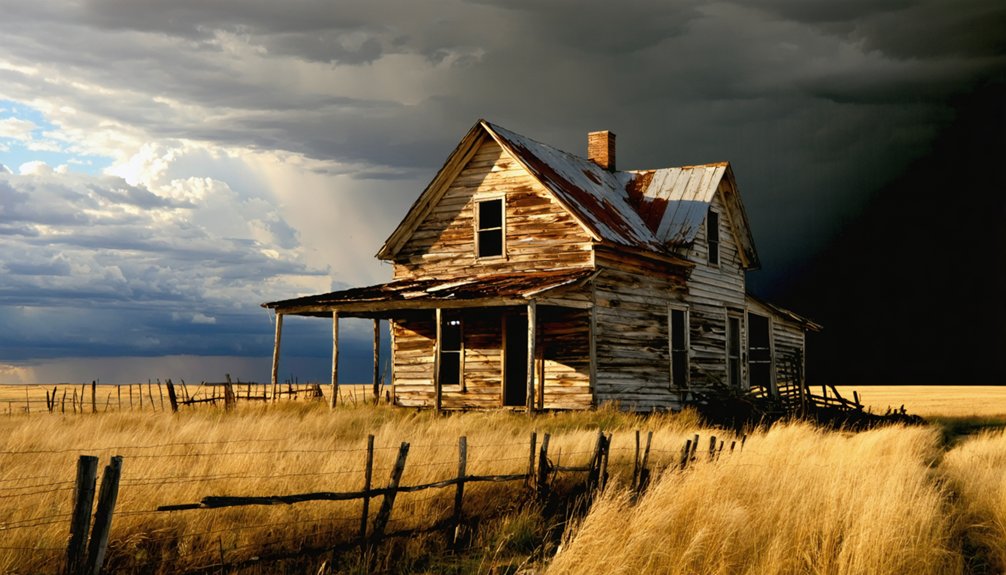
Planning a ghost town road trip to Bear Butte, South Dakota means exploring abandoned mining ruins, sacred Native American ground, and stunning Black Hills scenery. You’ll start your journey less than 45 minutes from Deadwood, hiking a 3.6-mile trail to sweeping summit views. Bear Butte isn’t just a ghost town—it’s a living cultural landmark where Lakota and Cheyenne ceremonies still take place today. There’s far more to discover about this hauntingly beautiful destination just ahead.
Key Takeaways
- Bear Butte, located in South Dakota’s Black Hills, is a historic ghost town abandoned after gold resources depleted during the 1874 gold rush era.
- The site is less than a 45-minute drive from Deadwood, featuring a scenic route through historically significant Black Hills landscapes.
- Visit between late spring and early fall, with summer mornings offering ideal hiking conditions along the 3.6-mile out-and-back summit trail.
- Bear Butte is a sacred Native American site, known as Mathó Pahá by the Lakota, with ongoing cultural ceremonies deserving visitor respect.
- Pack sturdy boots, water, layered clothing, and wildlife awareness essentials, as rattlesnakes and bison inhabit the surrounding area.
What Is Bear Butte and Why Does It Qualify as a Ghost Town?
Before the Black Hills became a playground for motorcycles and Mount Rushmore selfies, they were wild with prospectors chasing gold and silver dreams.
Bear Butte history traces back to that frenzied 1874 gold rush era, when a mining settlement sprouted along Bear Butte Creek, roughly where Galena sits today or further east down the gulch.
Bear Butte’s roots dig deep into 1874, when gold fever ignited a mining settlement along Bear Butte Creek.
When the ore dried up, the people vanished, leaving behind ghost town legends and crumbling evidence of lives once fully lived.
That abandonment is exactly what earns Bear Butte its ghost town classification. No bustling population remains, just deep pines, a babbling creek, and the skeletal memory of a community that burned bright and disappeared.
You’re fundamentally walking through an open-air time capsule every time you set foot here.
The Mining Boom That Built Bear Butte Creek
When gold fever swept through the Black Hills in 1874, it didn’t just attract dreamers — it built entire communities from raw wilderness almost overnight.
Bear Butte Creek became one of those communities, carved into existence by miners wielding picks, sluice boxes, and relentless ambition.
Prospectors flooded the gulch, developing mining techniques that transformed the landscape along the creek. Settlements sprouted rapidly, drawing merchants, laborers, and opportunists enthusiastic to stake their claim in the chaos.
But prosperity proved temporary. As the gold thinned out, residents packed up and moved on, leaving behind ghost town legends that still echo through the Black Hills today.
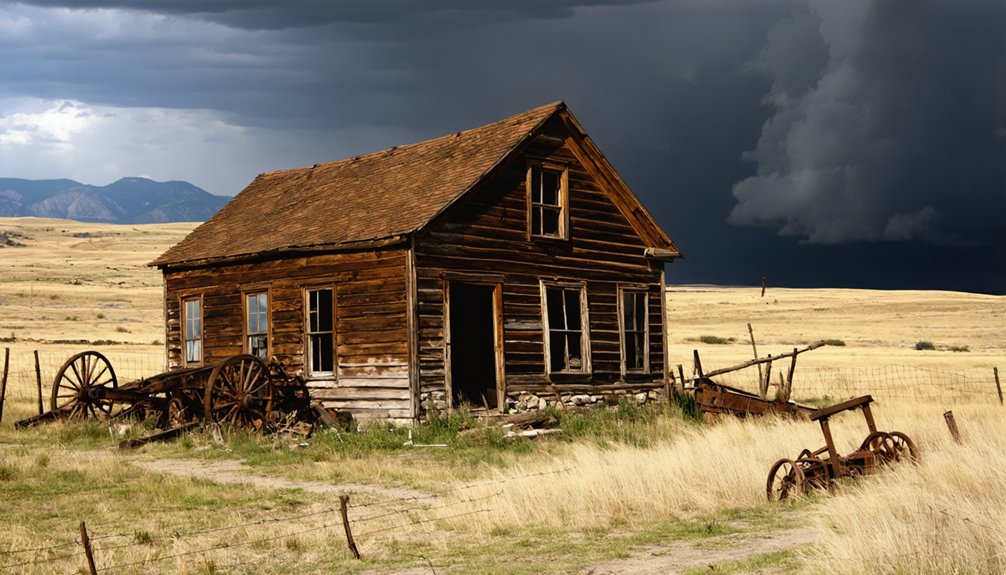
What you’ll find now are remnants of that furious energy — silent structures and scattered ruins whispering stories of a community that burned bright and vanished fast.
How to Reach Bear Butte From Deadwood
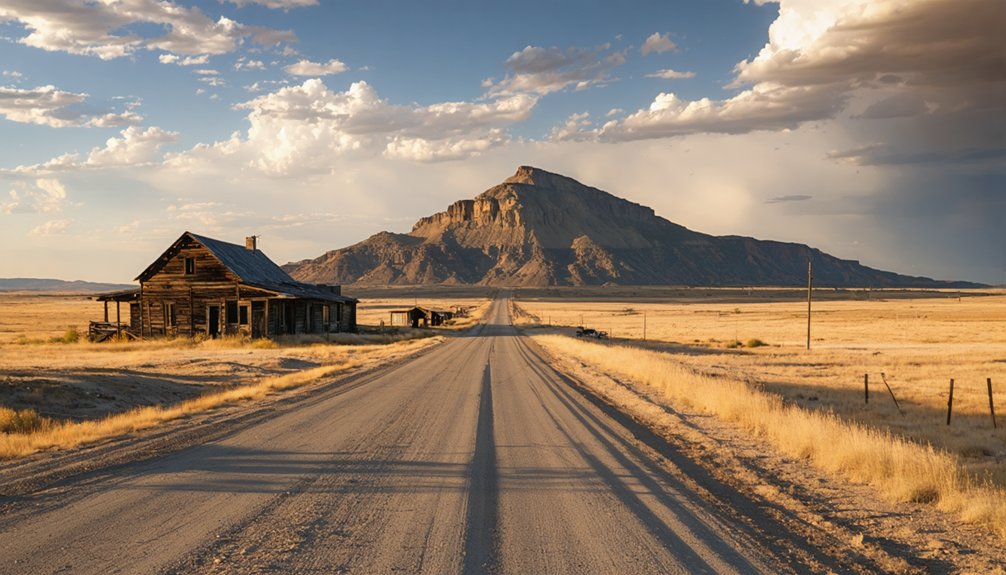
Getting from Deadwood to Bear Butte takes less than 45 minutes, and the drive itself earns its keep as part of the experience. Head northeast out of Deadwood, where ghost town legends still cling to every curve in the road.
The Black Hills pines gradually give way to open plains as you approach Bear Butte, and that shift in landscape tells its own story.
You’re basically tracing old routes that miners once traveled, carrying the weight of mining history through terrain that hasn’t changed much since the 1800s.
Bear Butte State Park marks your destination, rising dramatically from the surrounding flatlands. Keep your camera ready — the views demand it, and the journey between these two historically rich locations rewards every mile you put behind you.
When to Visit Bear Butte for the Best Experience
Timing your visit to Bear Butte shapes the entire experience. The best seasons for exploring this historic gulch are late spring through early fall, when trails stay accessible and the Black Hills forests glow with rich color.
Summer mornings offer crisp air before afternoon heat settles in, giving you comfortable hiking conditions through abandoned mine sites and crumbling structures. Fall delivers stunning foliage against weathered timber frames, creating dramatic photography opportunities.
Avoid winter visits, as snow and ice make trail navigation genuinely dangerous. Check local events before you go, since Sturgis Motorcycle Rally traffic in August crowds nearby roads and limits your freedom to roam casually.
Weekday visits consistently deliver quieter experiences than weekends, letting you explore at your own unhurried pace without competing with crowds.
Which Ghost Towns Near Bear Butte Deserve a Stop?
Once you’ve settled on the right time to visit, the next question worth asking is which ghost towns actually justify the detour. The Black Hills rewards curious travelers who chase mining history exploration off the beaten path.
- Galena – Eight miles east of Deadwood, this well-preserved stop offers crumbling cabins and volunteer-maintained structures perfect for ghost town photography.
- Deadwood – Not fully abandoned, but its museums and ghost tours deliver raw Wild West authenticity rooted in real mining-era stories.
- Bear Butte Creek settlements – Scattered remnants along the creek connect you directly to the original mining rush that shaped this entire region.
Each stop adds texture to your road trip, letting you piece together South Dakota’s layered, untamed history on your own terms.
What the Bear Butte Hiking Trails Actually Look Like
Once you’ve explored the ghost towns, Bear Butte State Park’s 3.6-mile out-and-back trail rewards you with a workout that mixes level stretches with steep, demanding climbs.
You’ll navigate wooden stairs and rest on a deck at the summit, where the trail’s careful construction makes the ascent manageable without sacrificing the raw feel of the landscape.
From the top, sweeping views of the Black Hills’ deep pine forests and the vast eastern plains stretch out before you, making every steep step worth the effort.
Trail Length And Difficulty
The main trail at Bear Butte State Park stretches 3.6 miles out and back, so you’re looking at a manageable but genuinely rewarding hike that mixes level stretches with steep climbs.
Trail conditions vary as you ascend, with wooden stairs and a summit deck making the elevation gain more approachable than you’d expect.
Here’s what to anticipate before you lace up:
- Distance: 3.6 miles round trip keeps the commitment reasonable for most fitness levels.
- Terrain: Expect alternating flat sections and sharp inclines that’ll get your heart pumping.
- Infrastructure: Wooden stairs and a summit deck ease the steepest sections considerably.
You’ll earn sweeping views of the Black Hills and eastern plains — a freedom-seeker’s natural reward for the effort.
Wooden Stairs And Decks
Wooden stairs and a summit deck aren’t just trail amenities here — they’re what make Bear Butte’s steeper sections genuinely accessible rather than punishing. As you climb, the wooden railings give you something solid to grip when the grade intensifies, letting you focus on the landscape rather than your footing.
The stairs carve through dense pines before opening onto scenic overlooks where the Black Hills roll outward in every direction. At the summit deck, you’ll feel the full reward of the ascent — plains stretching east, forest blanketing the hills below, and sky in every direction.
The structure’s thoughtful design keeps the experience challenging without becoming reckless, meaning you spend less energy surviving the climb and more time actually absorbing what you came here to see.
Summit Views And Scenery
Standing at the summit, you’ll understand immediately why people make this climb. The Black Hills stretch endlessly below, dense pines fading into open plains rolling eastward. It’s raw, unfiltered freedom in every direction.
These scenic overlooks reward patient hikers with three distinct visual experiences:
- Forested ridgelines cascading across the Black Hills landscape
- Eastern plains extending far beyond the tree line into open Dakota sky
- Bear Butte Creek valley winding through the gulch far below
For summit photography, arrive during golden hour when light cuts dramatically across the terrain. Your shots will capture depth and dimension that midday flattens completely.
You’ve earned this view. The steep climb and wooden stairs deliver you somewhere genuinely worth reaching — a vantage point that makes the entire road trip worthwhile.
Why Bear Butte Holds Sacred Meaning for Native Nations
As you explore the Bear Butte area, you’ll quickly discover that this landscape carries far more weight than its ghost town history suggests.
Bear Butte holds deep sacred significance for Native American nations, functioning as a spiritual anchor tied to centuries of cultural tradition and ceremony.
You’re standing on ground that many Indigenous peoples consider one of their most holy sites, a reality that layers the region’s story well beyond mining camps and Wild West legends.
Sacred Spiritual Significance
While the Black Hills hold a rich mining history, Bear Butte‘s significance runs far deeper than gold and ghost towns. For countless Native nations, this solitary mountain represents a living sacred space where spiritual practices and cultural ceremonies have unfolded for generations.
When you visit, you’ll notice prayer cloths and tobacco ties adorning the trees — tangible reminders that this land remains actively sacred. Respect that deeply.
Three reasons Bear Butte holds profound cultural importance:
- It serves as a gathering place for vision quests and tribal ceremonies.
- Multiple nations, including the Lakota and Cheyenne, consider it spiritually central to their identity.
- Oral traditions connect the mountain to creation stories passed down through centuries.
You’re walking through living history here — tread accordingly.
Native Nations Cultural Ties
Bear Butte’s sacred meaning isn’t rooted in a single tradition — it’s woven through the spiritual fabric of multiple Native nations, each carrying their own deep relationship with the mountain. The Lakota call it Mathó Pahá, while the Cheyenne know it as Noahvose.
Both nations have conducted spiritual practices here for centuries, including vision quests, prayer ceremonies, and offerings tied to ribbons you’ll still see fluttering from the trees today.
This living cultural heritage isn’t a relic — it’s actively practiced. Visitors are encouraged to respect ongoing ceremonies and refrain from disturbing sacred items.
When you walk these trails, you’re stepping through layers of meaning that predate every ghost town, every gold rush, and every road that brought you here.
Where to Camp or Sleep Near Bear Butte
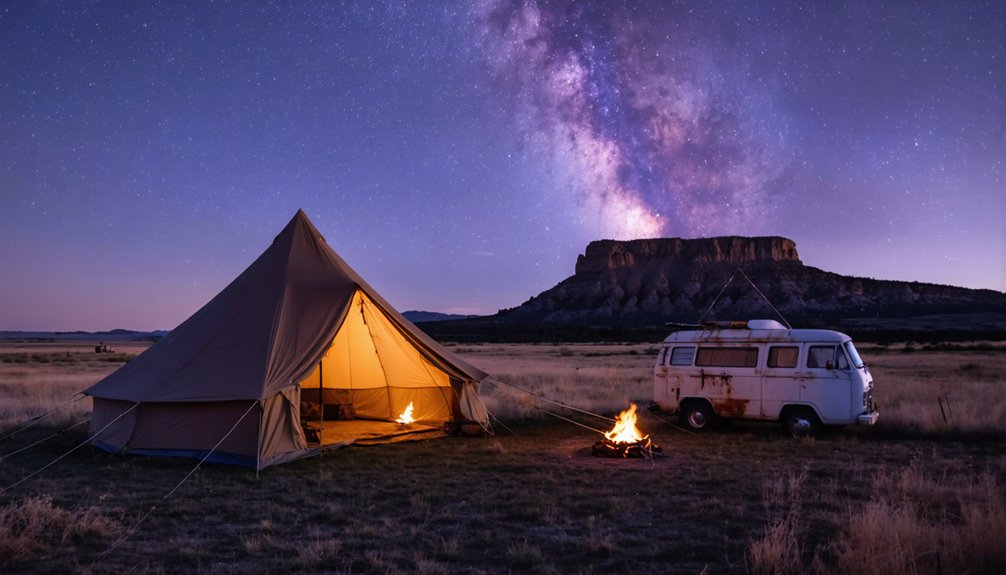
Nestled just a mile from Bear Butte State Park, the park’s own campground gives you direct access to the trailhead without any early-morning drive.
Whether you’re chasing ghost town history or sacred landscapes, these camping options and nearby accommodations keep you close to the action:
From ghost towns to sacred peaks, the perfect basecamp is never far from your next adventure.
- Bear Butte State Park Campground – Basic sites with stunning views; ideal for budget-conscious adventurers.
- Deadwood Hotels and Lodges – Historic lodging options approximately 45 minutes west, combining comfort with Wild West atmosphere.
- Fort Meade Area Campgrounds – Dispersed sites near the military museum, roughly 40 minutes away.
You’ll find the region flexible enough to suit tent campers, RV travelers, and those preferring solid walls beneath Black Hills skies.
What to Pack Before Exploring Black Hills Ghost Towns
Before you lace up your boots and head into the Black Hills, packing smart separates a memorable ghost town adventure from a miserable one. Your hiking essentials should include sturdy boots, layered clothing, a reliable map, sunscreen, and more water than you think you’ll need.
Trails around Bear Butte involve steep climbs and unpredictable weather, so preparation isn’t optional.
Wildlife awareness matters here. Black Hills terrain shelters rattlesnakes, mountain lions, and bison, so carry a whistle and keep your distance from any animals you encounter. A basic first aid kit handles minor scrapes from crumbling structures you’ll inevitably brush against.
Pack a fully charged phone, portable battery, and a flashlight for darker trail sections. Travel light, but never sacrifice safety for convenience.
A One-Day Route Linking Bear Butte and Galena
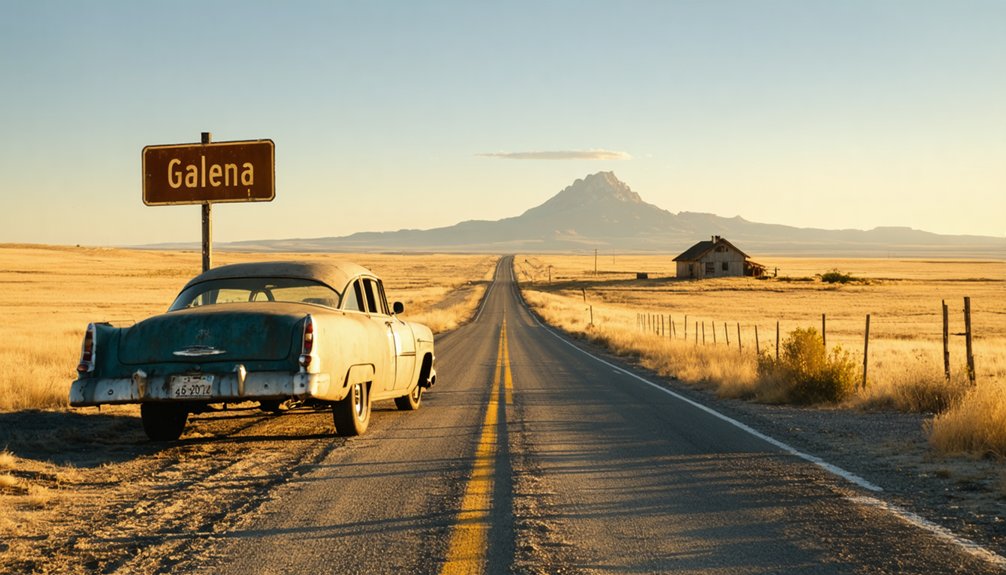
Linking Bear Butte State Park and Galena into a single day trip rewards you with two distinct slices of Black Hills history without burning unnecessary hours on the road.
Start early, tackle Bear Butte’s 3.6-mile trail, then drive eight miles east toward Deadwood before cutting south toward Galena’s preserved ghost town structures. Follow this simple sequence:
- Hike Bear Butte’s summit trail at dawn before crowds arrive
- Stop in Deadwood for a quick lunch and a glimpse at Wild Bill Hickok’s legacy
- Explore Galena’s volunteer-maintained ghost towns before sunlight fades
You’ll cover sacred ground, abandoned mining history, and stunning Black Hills scenery in roughly eight hours.
Keep your tank full and your camera ready — both destinations deliver genuinely unforgettable stops.
Frequently Asked Questions
Are Pets Allowed on Bear Butte State Park Hiking Trails?
Want to hit the trails with your furry friend? Bear Butte State Park’s pet policies aren’t specified in available details, so you’ll want to contact the park directly to guarantee proper trail etiquette.
Is There an Entrance Fee to Visit Bear Butte State Park?
The provided knowledge base doesn’t include specific details about Bear Butte State Park’s entrance fee. You’ll want to check the official South Dakota state park website for the most current, accurate fee information before your visit.
Can Visitors Legally Collect Artifacts or Souvenirs From Ghost Town Sites?
These sites are open books of history — don’t tear out the pages. You can’t collect artifacts; artifact preservation and legal regulations protect these treasures, keeping ghost towns intact for future freedom-seekers to explore and enjoy.
Are Guided Tours Available Specifically for Bear Butte Ghost Town Exploration?
Dedicated guided exploration tours for Bear Butte’s ghost town history aren’t widely documented, but you’ll find nearby Deadwood offers ghost tours, and the Galena Historical Society’s volunteers can enrich your independent adventure greatly.
What Photography Restrictions Exist at Sacred Native American Sites Nearby?
Like walking on hallowed ground, you’ll want to tread carefully — many sacred Native American sites near Bear Butte prohibit photography entirely. Respecting their cultural sensitivity and historical significance means always checking posted guidelines before you snap anything.
References
- https://www.tripadvisor.com/Attraction_Review-g28962-d145079-Reviews-Bear_Butte-South_Dakota.html
- https://www.youtube.com/watch?v=4SzYNTLnvFA
- https://www.southdakotamagazine.com/galenas-ghosts
- https://en.wikipedia.org/wiki/List_of_ghost_towns_in_South_Dakota
- https://www.blackhillsbadlands.com/blog/post/old-west-legends-mines-ghost-towns-route-reimagined/
- https://www.youtube.com/watch?v=wyzwrXTSpH0
- https://www.ghostcanyongetaway.com/insights/ghost-towns-and-gold-mines-uncovering-the-wild-west-history-near-ghost-canyon-getaway
- https://mad-peak.com/blog-posts-and-info/f/galena-south-dakota-adventure-into-a-wild-west-ghost-town
- https://hikearizona.com/decoder.php?ZTN=21614