Planning a ghost town road trip to Carterville, South Dakota means heading southwest from Rapid City on Highway 16 into the heart of the Black Hills. You’ll navigate gravel roads with no signage, so bring water, food, and a paper map. Scattered foundations and overgrown debris are all that remain of this 1879 gold rush camp. It’s a raw, exploratory experience unlike any roadside attraction. Stick around and you’ll uncover everything you need to make this adventure unforgettable.
Key Takeaways
- Carterville, founded in 1879 during the Black Hills gold rush, was named after the Carter Mine and known by several historical names.
- Travel southwest from Rapid City on Highway 16, securing fuel and supplies beforehand, with Rockerville serving as a natural checkpoint.
- No services or signage exist at Carterville, so carry water, food, and a paper map for navigation.
- Much of the site sits on private property, with only scattered debris and overgrown foundations remaining visible.
- Nearby ghost towns like Rockerville, Mystic, and Ardmore enhance the overall Black Hills road trip experience.
What’s The History Behind Carterville, South Dakota?
Tucked away in Pennington County’s rugged terrain, Carterville sprang to life around 1879 during the Black Hills gold rush, when prospectors flooded the region chasing mineral wealth. Named after the Carter Mine, this scrappy settlement carved its identity from the earth itself, sitting in Section 3, T2N-R3E among the Black Hills’ mineral-rich corridors.
You’d have known it by several names — Elkhorn, Gregory, or Montana City — reflecting the fluid, untamed spirit of frontier life. Distinct from Cartersville in Lawrence County, this particular town represented the raw ambition that defined the era.
Miners worked relentlessly, transforming wilderness into a functioning community almost overnight. That freedom-chasing energy built Carterville fast, but like most Black Hills boomtowns, its prosperity proved temporary, leaving behind only whispers of its former life.
What Should You Know Before Visiting Carterville?
Before you load up the truck and head southwest from Rapid City, understand that Carterville offers no services, no signage, and no guarantees — just gravel roads, historical remnants, and the quiet satisfaction of finding something most people drive right past.
Stock your rig with water, food, and a paper map. Cell service disappears fast out here.
Ghost town etiquette matters too — respect private property boundaries, don’t disturb remaining structures, and leave everything exactly as you found it. The historical significance of this 1879 mining settlement deserves that respect.
Some sites show almost nothing visible today, so temper your expectations. You’re chasing a feeling as much as a location.
Come prepared, stay curious, and you’ll walk away with something no tourist trap can offer.
How To Get To Carterville From Rapid City
Once you’re geared up and ready to roll, getting out of Rapid City and into Pennington County’s ghost town country is straightforward. Your directions route takes you southwest on Highway 16, cutting through the Black Hills toward the old mining districts where Carterville once thrived near Section 3, T2N-R3E.
Watch for gravel road turnoffs as you push deeper into the hills — that’s where the real adventure begins.
A few travel tips worth noting: fuel up and grab supplies before leaving Rapid City, since you won’t find open services once you’re out there.
Consider combining your drive with a stop at Rockerville, right along Highway 16. It’s a natural checkpoint before you press further into the backcountry toward Carterville’s remote, nearly vanished remnants.
What Remains At Carterville Today
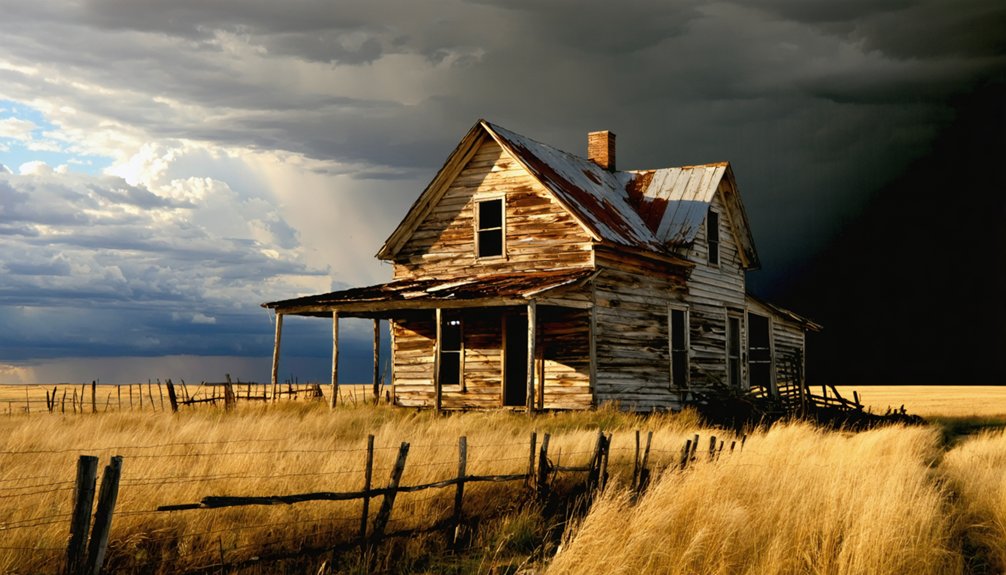
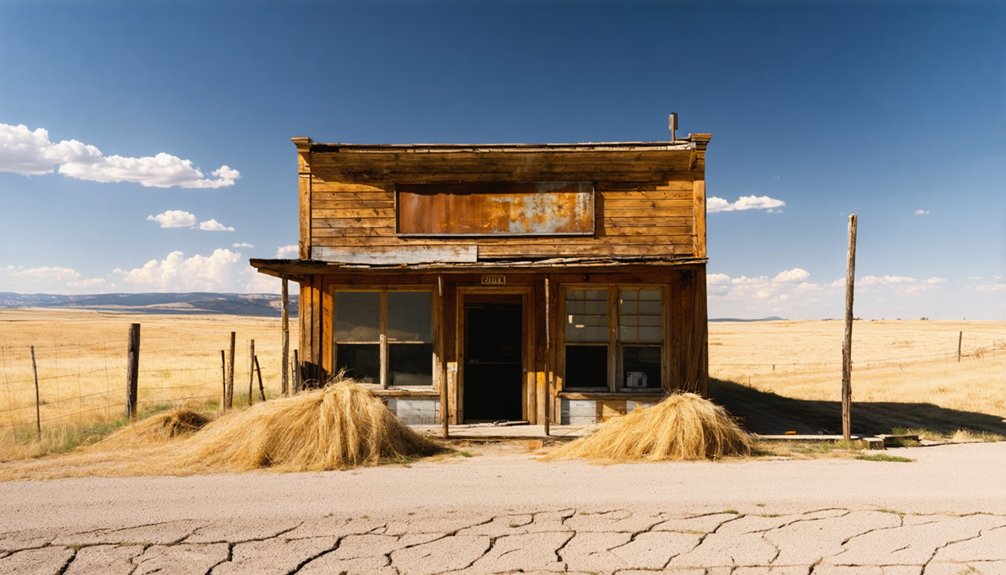
Arriving at Carterville’s general location near Elk Creek, you’ll find almost nothing left to mark where this once-active mining settlement stood. The historical remnants are scarce, but the experience still rewards the curious explorer.
Here’s what you might encounter:
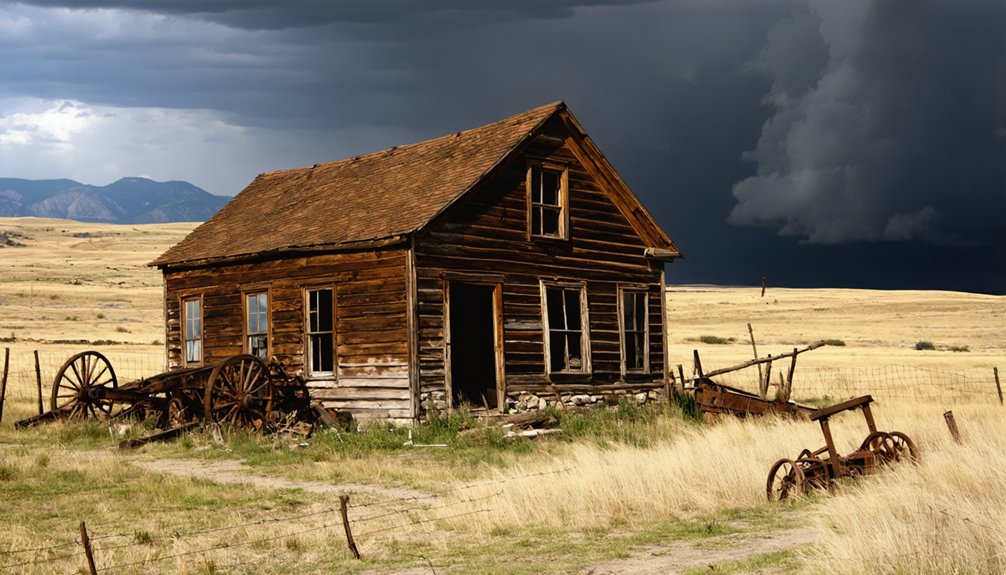
- Scattered debris – Faint traces of abandoned structures blend into the surrounding landscape.
- Overgrown foundations – Earth has slowly reclaimed whatever building bases once existed.
- Private land boundaries – Much of the site sits on private property, limiting access.
- Natural surroundings – Rolling Black Hills terrain gives you a vivid sense of the isolation miners once endured.
Respect Forest Service guidelines and private property boundaries. No active services exist here, so treat this as a raw, unfiltered connection to South Dakota’s wild mining past.
Other Black Hills Ghost Towns Near Carterville
While Carterville leaves you with little more than open terrain and scattered memories, the surrounding Black Hills region holds dozens of ghost towns worth tracking down.
Rockerville, just off Highway 16 toward Mount Rushmore, once thrived during the gold rush and still features abandoned structures that carry real historical significance.
Cartersville in Lawrence County sits near the legendary Homestake mining operations, offering a sharper glimpse into industrial-era ambition.
Mystic, tucked off a gravel road, rewards explorers willing to push past paved comfort.
Ardmore, roughly 50 miles southeast, held a population of just 16 in 1980 and still hosts periodic reunions.
Each stop layers your journey with deeper context, turning a single-site visit into a full Black Hills expedition through forgotten American history.
Frequently Asked Questions
What Is the Best Time of Year to Visit Carterville?
You’ll want to visit Carterville during late spring or early summer for the best seasonal highlights. Weather considerations favor May through June, when you’ll enjoy mild temperatures, accessible gravel roads, and vibrant Black Hills landscapes perfect for exploration.
Are There Guided Ghost Town Tours Available in the Black Hills?
Like a treasure map leading to hidden secrets, you’ll find guided tours highlighting ghost town history and local legends throughout the Black Hills — they’re widely available and let you freely explore South Dakota’s fascinating, abandoned past.
Can You Camp Overnight Near Carterville or Surrounding Ghost Towns?
You can camp overnight near Carterville! Follow camping regulations carefully, as many sites sit on private land. Nearby campgrounds in the Black Hills offer your freedom base while you explore these haunting, history-rich ghost towns.
What Supplies Should You Pack for a Black Hills Ghost Town Trip?
Pack water, snacks, maps, and first aid from Rapid City since there’s no services out here. You’ll also want camera gear for ghost town photography, and sturdy boots to explore without disturbing historical artifacts along the trail.
Are There Any Entrance Fees for Visiting Black Hills Ghost Towns?
You won’t pay entrance fees at most Black Hills ghost towns, but you’ll want to respect private property and Forest Service rules. Their historical significance makes these freely accessible sites unforgettable stops on your adventure!
References
- https://en.wikipedia.org/wiki/List_of_ghost_towns_in_South_Dakota
- https://www.youtube.com/watch?v=_0WNYsFLSLA
- https://www.powderhouselodge.com/black-hills-attractions/fun-attractions/ghost-towns-of-western-south-dakota/
- https://blackhillsatvdestinations.com/ghost-towns/
- https://www.blackhillshikingbikingandmore.com/old-mining-ghost-towns
- https://www.sdhspress.com/journal/south-dakota-history-2-2/some-black-hills-ghost-towns-and-their-origins/vol-02-no-2-some-black-hills-ghost-towns-and-their-origins.pdf
- https://www.youtube.com/watch?v=B_yGTJU5kvU
- https://www.ghosttowns.com/states/sd/sd.html