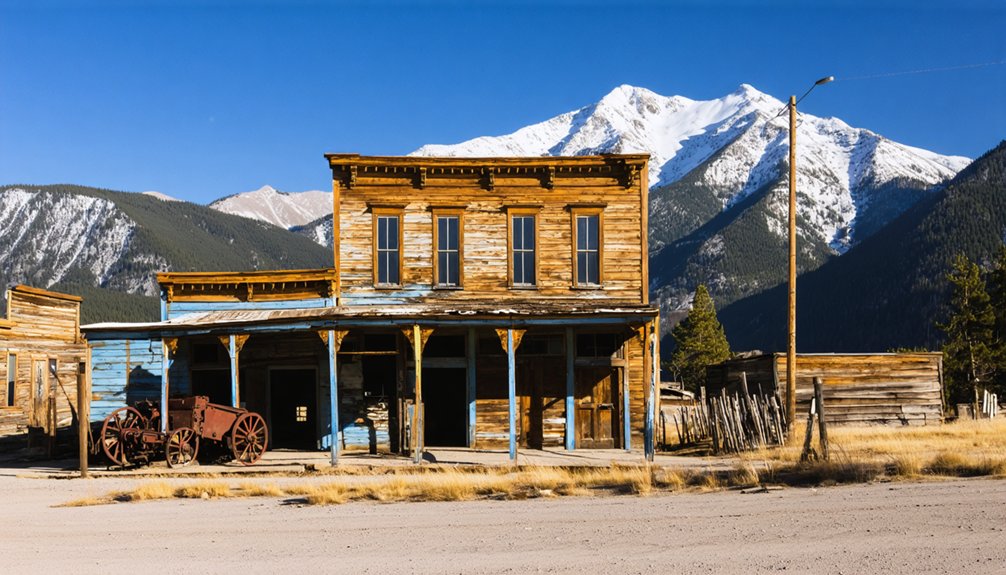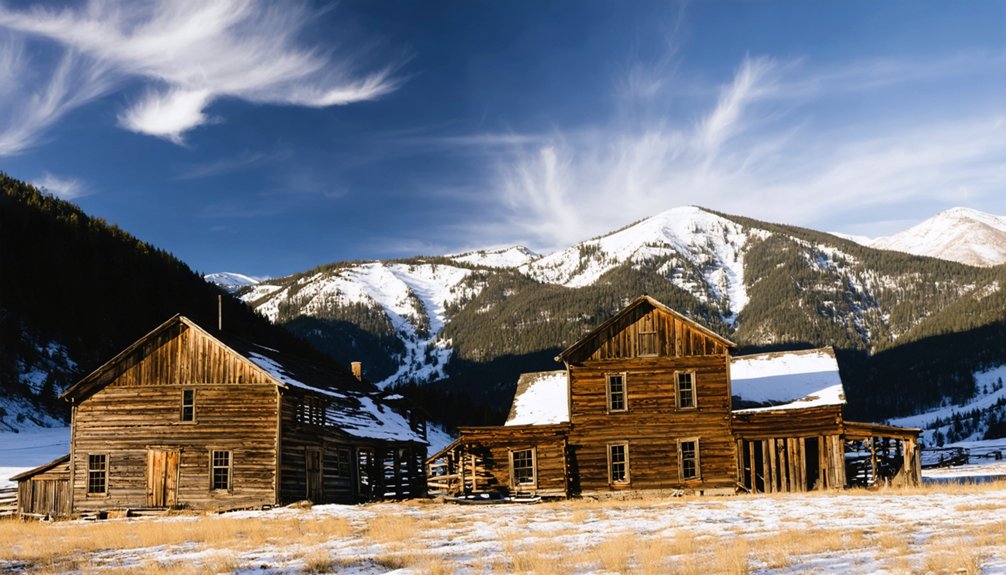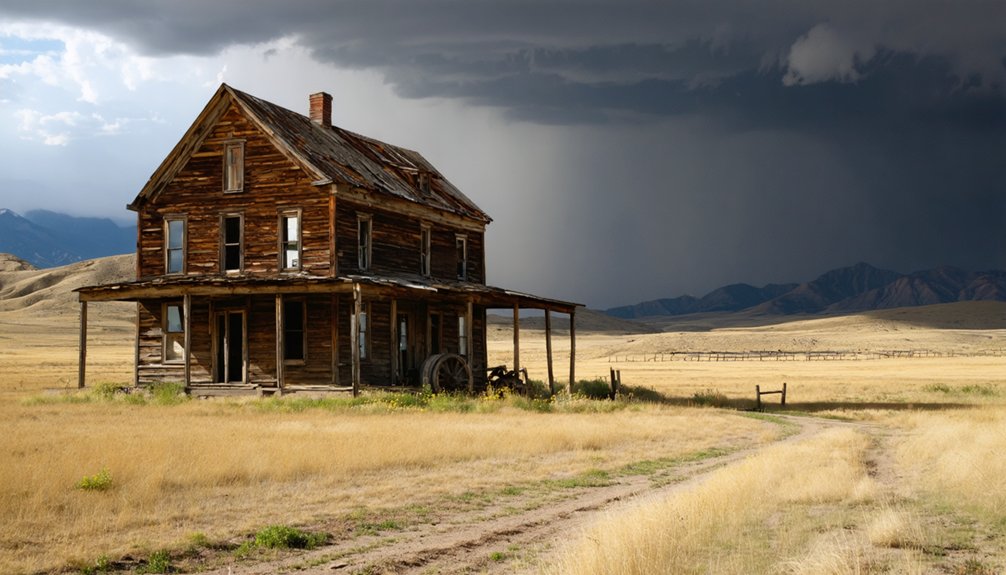
Planning a road trip to Dearfield, Colorado means stepping into the remarkable legacy of Oliver Jackson’s 1910 Black farming colony, located 65 miles northeast of Denver. You’ll find weathered remnants of a diner, gas station, and Jackson’s home standing as powerful symbols of Black self-determination. Pack water, snacks, and sunscreen — there are no services on-site. Before you go, visit the Greeley History Museum or Black American West Museum to deepen your understanding of what this extraordinary ghost town truly represents.
Key Takeaways
- Dearfield is located 65 miles northeast of Denver; take Highway 85 south, then Highway 34 east for 24-25 miles.
- Pack water, snacks, sunscreen, and sturdy shoes, as no services, shops, or restrooms are available on-site.
- Download maps beforehand and inform someone of your plans, since cell service is unreliable in the area.
- Visit the Greeley History Museum’s “Faces of Dearfield” exhibition to enrich your understanding before arriving.
- Remaining structures include a diner, gas station, and Oliver Jackson’s home, symbolizing Black resilience and self-determination.
Why Oliver Jackson Built a Black Farming Colony in the Colorado Prairie
Oliver Toussaint Jackson didn’t just stumble onto the Colorado prairie by chance—he arrived with purpose. In 1910, he founded Dearfield as a declaration of Black self-determination, carving out space where African Americans could own land, build wealth, and live freely beyond the reach of racial oppression.
Jackson’s vision was rooted in something radical for its time: economic independence through agriculture. He believed land ownership was the foundation of true freedom, and he wanted his community to prove it.
What emerged wasn’t just a farming settlement—it was community resilience made visible. Families broke dry, unforgiving soil, planted crops, built homes, and created a self-sufficient world on the Colorado plains.
When you visit Dearfield today, you’re walking through the legacy of that bold, deliberate dream.
What Remains of Dearfield’s Ghost Town Today
What’s left of Dearfield today is sparse but striking—a diner, a gas station, and Oliver Jackson’s home stand as the last survivors of a community that once housed hundreds.
These abandoned structures carry profound historical significance, quietly telling the story of Black resilience and ambition on the Colorado prairie.
Since 1998, the Black American West Museum has owned the site, working to preserve what remains. Colorado recognized Dearfield’s importance by listing it on the National Register of Historic Places in 1995.
A state marker at Highway 85 mile 264 and a 2010 monument help orient your visit.
Come prepared—the buildings are vulnerable to weather and vandalism.
You’re standing on sacred ground, and it deserves your full attention.
What to Bring to Dearfield
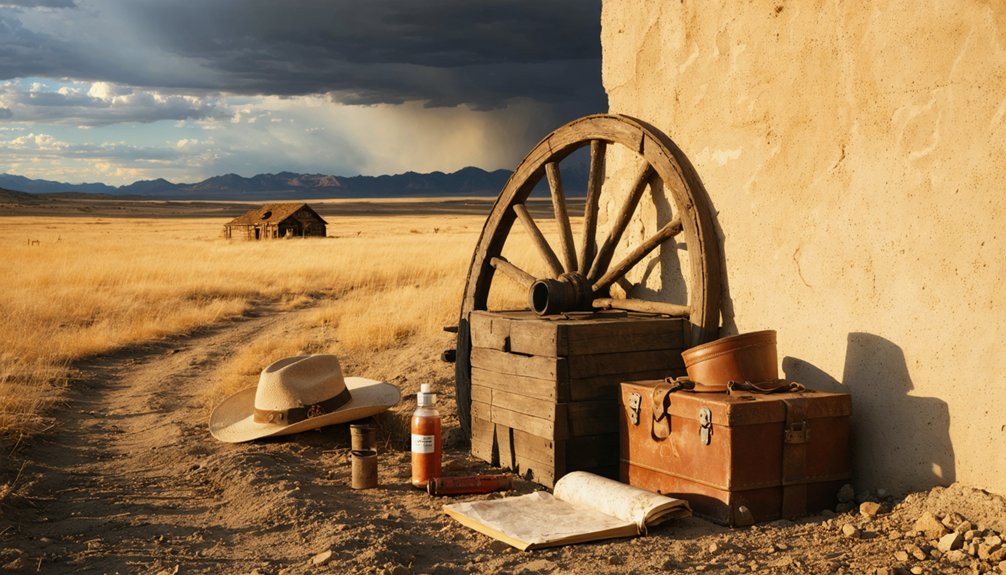
Visiting a remote ghost town like Dearfield means planning ahead, since there are no services, shops, or restrooms once you leave the highway.
Pack packing essentials like water, snacks, sunscreen, and sturdy walking shoes. Colorado’s eastern plains deliver intense sun, unpredictable wind, and minimal shade, so dress in layers and bring a hat.
Carry a camera to document the remaining structures—the diner, gas station, and Jackson’s home—each carrying deep historical significance as evidence of African American resilience and self-determination.
Bring a notebook if history inspires you to reflect.
Cell service is unreliable, so download maps beforehand and tell someone your plans.
You’re visiting sacred ground, not just abandoned buildings, so tread respectfully and leave everything exactly as you find it.
How to Get to Dearfield
Dearfield sits about 65 miles northeast of Denver and 30 miles southeast of Greeley in Weld County, placing it well within reach for a day trip across Colorado’s wide-open eastern plains.
From Greeley, head south on Highway 85 toward Garden City, then turn east on Highway 34 for roughly 24 to 25 miles. Road conditions along this route are generally smooth, making the drive straightforward in any reliable vehicle.
From Greeley, head south on Highway 85, then turn east on Highway 34 for a smooth 24-mile drive.
That said, keep your eyes sharp — Dearfield‘s few remaining structures and a small plaque make it easy to miss. One of the most essential travel tips is to slow down as you approach mile marker 264 on Highway 85, where a state marker signals you’re close.
Let the quiet landscape guide you in.
The Greeley and Denver Museums That Complete Dearfield’s Story
Before you leave the region, two museums transform Dearfield from a scattering of weathered structures into a living story.
Stop first at the Greeley History Museum, where Julie Vaught’s “Faces of Dearfield” exhibition highlights the families, faces, and ambitions that once made this colony thrive. You’ll leave understanding the cultural significance of what Jackson built — not just as farmland, but as a declaration of self-determination.
Then head southwest to Denver’s Black American West Museum, which broadens the context further. Together, these institutions connect Dearfield to a wider tradition of African American freedom-seeking across the Great Plains.
Don’t skip them. The ghost town shows you what remained; the museums show you what mattered. Both experiences are essential to fully grasping what was lost — and what still deserves to be remembered.
Frequently Asked Questions
Is There an Admission Fee to Visit Dearfield Ghost Town?
Dearfield doesn’t demand dollars for entry! You’re free to explore its historical significance without worrying about admission policies. Simply drive out, soak in the stories, and experience Colorado’s remarkable African American heritage firsthand.
Are Pets Allowed When Visiting the Dearfield Historic Site?
There’s no official pet policy listed for Dearfield, but you’ll want to follow ghost town etiquette—keep pets leashed, respect the fragile historic structures, and leave this sacred African American heritage site undisturbed for future explorers.
What Is the Best Time of Year to Visit Dearfield?
Spring and fall are your best seasons to explore Dearfield’s haunting beauty. You’ll experience mild weather conditions, avoiding summer’s scorching heat and winter’s harsh cold, letting you freely wander the ghost town’s surviving structures and absorb its powerful history.
Is Dearfield Accessible for Visitors With Mobility Limitations?
Like stepping onto uncharted terrain, Dearfield’s accessibility features are limited. You’ll find mobility options restricted, as it’s a weathered ghost town with uneven grounds. Plan carefully, and you’ll still capture its powerful, freedom-filled spirit.
Can Visitors Take Photographs of the Remaining Dearfield Buildings?
You can photograph Dearfield’s remaining buildings, capturing their historical significance through your lens. Follow responsible photography guidelines—respect the fragile structures, don’t disturb the site, and let your images honor this extraordinary African American community’s enduring legacy.
References
- https://www.uncovercolorado.com/ghost-towns/dearfield/
- https://pehc.colostate.edu/2022/03/dearfield-colorados-almost-forgotten-black-ghost-town/
- https://www.youtube.com/watch?v=xA5TNCoo-fs
- https://en.wikipedia.org/wiki/Dearfield
- https://www.cpr.org/2021/07/27/dearfield-colorado-black-history-preservation/
- https://coloradowatertrust.org/celebrating-colorados-black-history-learn-about-dearfield-colorado/