To plan your ghost town road trip to Crabtown, Iowa, take Highway 61 north from Maquoketa to Caves Road, then follow it to 150th Street near the old Maquoketa River bridge. You don’t need a 4WD vehicle, but you’ll want sturdy shoes, a metal detector, and layers for Iowa’s unpredictable weather. Summer’s your best bet for exploring this forgotten settlement. There’s far more to uncover about Crabtown than most travelers ever discover.
Key Takeaways
- Crabtown is located in Jackson County, Iowa, accessible via Highway 61 north to Caves Road, then 150th Street near Maquoketa Caves.
- The site features only three tangible remnants: the old Maquoketa River bridge, soil, and potential buried artifacts from the 1800s settlement.
- No 4WD vehicle is required; standard 2WD vehicles are sufficient, with parking available near the Maquoketa River bridge.
- Pack a metal detector, sturdy walking shoes, breathable layers, water, sunscreen, and a lightweight rain jacket for exploration.
- Summer is the ideal visiting season, offering warm, dry conditions and longer daylight hours for the best exploratory experience.
Crabtown, Iowa: The Ghost Town Most People Drive Past
Tucked away in Jackson County, Iowa, Crabtown is a ghost town so forgotten that most travelers zip right past it on Highway 61 without a second glance.
Named after the Crab family settlers, this small mid-1800s settlement carries real historical significance as one of Iowa’s documented ghost towns.
You’ll find it by turning onto Caves Road and following it past Maquoketa Caves to 150th Street, where the old Maquoketa River bridge still stands.
That bridge is the last surviving structure, a quiet monument to a community that vanished by the early 1900s.
Crabtown legends draw curious explorers who bring metal detectors hoping to uncover buried artifacts beneath the soil.
If you crave off-the-beaten-path adventure, this forgotten settlement delivers an authentic, unfiltered slice of Iowa’s hidden past.
How the Crab Family Settlement Became a Ghost Town
You’re tracing the roots of a settlement that took shape in the mid-1800s, when the Crab family and a handful of other pioneers carved out a small community along the Maquoketa River.
The town carried the family’s name through its brief existence, but by the turn of the century, residents had drifted away, leaving nothing but silence and scattered artifacts beneath the soil.
What you’ll find today is a ghost town that faded not from disaster, but from the quiet, inevitable pull of time.
Crab Family Settlement Origins
Although little remains of Crabtown today, its origins trace back to a small but determined community of settlers who put down roots in Jackson County, Iowa during the mid-1800s.
The Crab family led this settlement history, carving out pioneer life along the Maquoketa River with grit and determination. Their cultural impact shaped the community dynamics of this once-thriving outpost, leaving behind local legends that still fuel ghost town myths today.
You’ll find that historical artifacts buried beneath the soil tell stories no written record captured.
Town’s Gradual Decline
What once thrived as a tight-knit pioneer settlement along the Maquoketa River gradually surrendered to the forces that claimed so many small Iowa towns by the turn of the century.
Population changes swept through Crabtown as economic opportunities dried up, pushing residents toward larger, more prosperous communities. You can almost feel the weight of those departures when you stand near the old bridge site today.
The town’s historical significance lies precisely in its quiet disappearance.
No dramatic disaster erased Crabtown from the map — just the slow, inevitable drift of families seeking better futures elsewhere.
Do You Need 4WD to Reach Crabtown?
Wondering if you need a rugged 4WD vehicle to reach Crabtown? Good news — you don’t. The road conditions here are perfectly manageable for standard 2WD vehicles, keeping this ghost town history accessible to every adventurer.
Here’s your simple route:
- Drive Highway 61 north from Maquoketa until you spot Caves Road.
- Turn onto Caves Road, following it toward the river until you hit 150th Street.
- Continue one mile past the caves to reach the Maquoketa River bridge.
Summer’s your best window — you’ll capture stunning photography spots, scout historical artifacts with a metal detector, and enjoy scenic views along the riverbank.
Stay mindful of visitor safety near the water’s edge, and watch for local wildlife roaming the surrounding landscape.
Getting to Crabtown via Highway 61
Highway 61 is your gateway to Crabtown, cutting north from Maquoketa through Jackson County’s rolling landscape until Caves Road appears on your left.
Turn there and follow it toward the river, watching for 150th Street about a mile past the famous Maquoketa Caves.
Road conditions along this route are manageable for any standard vehicle, so you won’t need specialized gear to make the journey.
The drive itself offers scenic stops worth savoring, particularly the cave park nearby, which pairs perfectly with your ghost town exploration.
Once you reach the Maquoketa River bridge, you’ve arrived.
Park up, step out, and let the quiet remnants of this forgotten settlement speak for themselves.
The open road brought you here; now the history takes over.
Finding the 150th Street Bridge on Caves Road
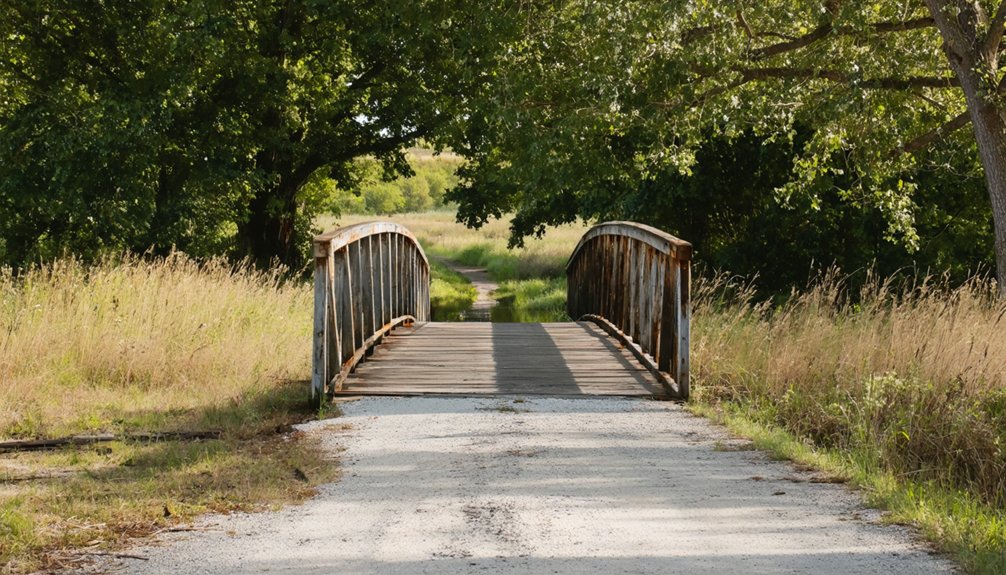
Caves Road stretches past Maquoketa Caves State Park, and you’ll find 150th Street roughly one mile beyond it, marked by the bridge crossing the Maquoketa River. This spot carries deep historical significance as the heart of what was once Crabtown, a thriving mid-1800s settlement.
Here’s how to navigate confidently:
- Stay on Caves Road heading north until the pavement shifts near the river corridor.
- Watch for 150th Street’s intersection, where the bridge becomes visible ahead.
- Park safely and cross on foot to appreciate the bridge accessibility firsthand.
The bridge remains the sole standing structure of Crabtown’s existence. Standing there, you’re literally walking the ground where settlers once built their lives.
Bring a metal detector — artifacts still hide beneath the soil, waiting for adventurous explorers like you.
What You’ll Actually Find at Crabtown Today
Arriving at Crabtown today, you’ll find just 3 tangible remnants of its past: the bridge, the soil beneath your feet, and whatever artifacts a metal detector can pull from the earth.
The Crab family settlers who built this community mid-1800s left no standing structures behind — just ghost town legends that draw curious explorers like yourself. Don’t expect restored buildings or historical markers.
Instead, you’ll walk ground where an entire community once lived, worked, and eventually vanished by the turn of the century. Bring your metal detector to uncover historical artifacts hiding inches below the surface.
The Maquoketa River still flows beside the bridge, indifferent to the settlement’s disappearance. This raw, unpolished site rewards those who appreciate history without the tourist packaging.
The Best Time of Year to Visit Crabtown, Iowa
Once you’ve mentally mapped out what’s left of Crabtown, the next question is when to actually go. Iowa’s climate shapes your experience dramatically, so timing matters.
Follow these best visiting tips for your ghost town adventure:
- Choose summer — Summer weather delivers warm, dry conditions perfect for walking the riverbank and swinging a metal detector through the soil.
- Avoid winter — Bitter cold and snow make the rural roads and bridge site genuinely miserable and potentially inaccessible.
- Combine your trip — Summer also lets you pair Crabtown with nearby Maquoketa Caves, maximizing your day along Caves Road.
The roads are 2WD-friendly year-round, but summer gives you longer daylight hours, better ground conditions, and the full exploratory experience this eerie site deserves.
Why Maquoketa Caves Makes the Perfect Add-On to a Crabtown Trip
Just a short drive from the Maquoketa River bridge where Crabtown once stood, Maquoketa Caves State Park rewards you with one of Iowa’s most dramatic natural landscapes — a network of caverns, trails, and limestone formations that transforms a single-stop ghost town visit into a full day of exploration.
The park carries its own Cave Legends, with stories embedded in the rock as deeply as the geological history itself. Its Historical Significance stretches back centuries, connecting Indigenous use and early settler exploration into a rich narrative you can physically walk through.
You’ll navigate underground passages, climb natural bridges, and breathe cool subterranean air — experiences that pair naturally with the eerie silence of abandoned Crabtown. Together, these two destinations create a road trip that’s both haunting and genuinely unforgettable.
What to Pack Before You Make the Drive to Crabtown
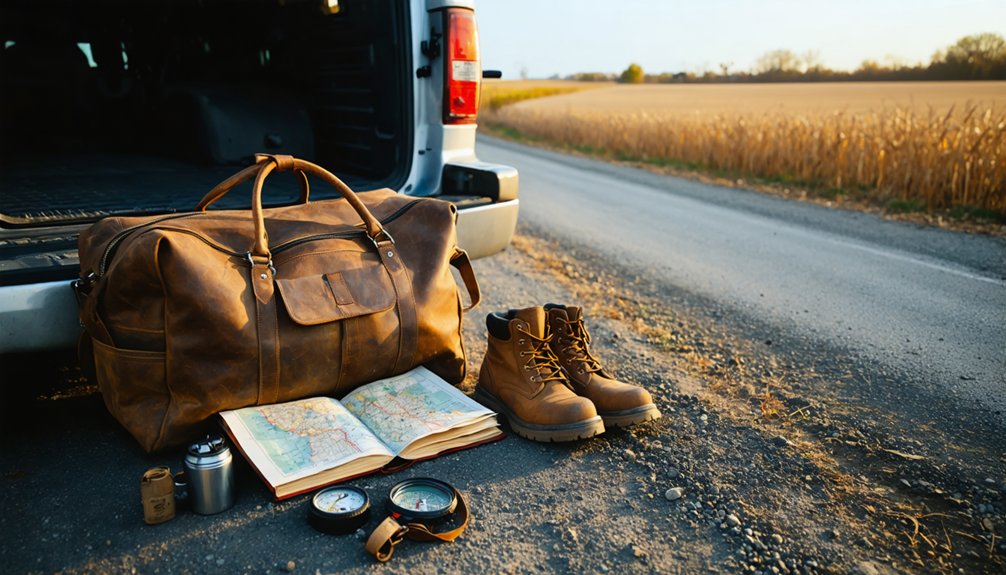
Before you hit the road to Crabtown, toss a metal detector in your trunk — it’s your best shot at uncovering buried artifacts beneath the soil where this ghost town once stood.
Since summers run hot and winters turn brutally cold in Jackson County, you’ll want to dress in breathable layers that adapt to Iowa’s unpredictable climate.
Pack sturdy walking shoes too, because you’ll be exploring the riverbank and surrounding terrain on foot once you reach the old bridge site.
Essential Exploration Gear
Packing the right gear can make or break your visit to Crabtown, so it’s worth taking a few minutes to load up before you hit Highway 61.
Follow these exploration tips to stay prepared:
- Metal detector – Artifacts hide beneath the soil near the old settlement, and a quality detector could uncover genuine pieces of history.
- Camera or smartphone – Ghost town photography rewards patience, so capture the bridge and riverside atmosphere in the golden morning light.
- Sturdy walking shoes – You’ll navigate uneven terrain along the Maquoketa River, and solid footwear keeps you moving confidently.
Toss in water, sunscreen, and a light jacket since Iowa summers run hot but river breezes can surprise you.
You’re ready to roam freely.
Seasonal Clothing Considerations
Though the knowledge confirms summer as the ideal season to visit Crabtown, Iowa’s climate throws curveballs that’ll test anyone who packs too lightly. Hot, humid summers mean breathable layers are essential, but afternoon storms roll in fast along the Maquoketa River. Your weather preparation should include a lightweight rain jacket you can stuff into a daypack.
For seasonal footwear, skip the sandals. You’ll be walking uneven terrain near the bridge and riverbanks, so waterproof hiking boots give you the grip and protection you’ll actually need. If you’re bringing a metal detector through the surrounding grounds, sturdy ankle support becomes non-negotiable.
Pack moisture-wicking socks, sun protection, and a hat. Iowa’s open skies offer little shade, and freedom tastes better when you’re not nursing a sunburn on the drive home.
Metal Detecting and Artifact Hunting at Crabtown
One of the most rewarding ways to explore Crabtown’s forgotten past is by bringing a metal detector along on your visit. The ground holds artifacts from mid-1800s settlers, waiting to be uncovered.
Follow these metal detecting tips for the best experience:
- Sweep slowly near the bridge’s eastern bank, where the original settlement stood.
- Focus on artifact identification by researching common 19th-century items like coins, tools, and household hardware beforehand.
- Grid your search area methodically, working outward from the bridge foundation.
You’ll want to bring small digging tools and labeled bags for organizing finds.
Respect the site by refilling any holes you dig. Every discovery connects you to Crabtown’s vanished community, making your exploration genuinely meaningful and historically significant.
Frequently Asked Questions
Is There an Entrance Fee to Visit Crabtown, Iowa?
Freely find freedom — you’ll face no fee exploring Crabtown’s enchanting corridors! No entrance costs await you. Immerse yourself in Crabtown history and ghost town legends completely unchained, roaming the riverside ruins on your own adventurous terms.
Are There Restroom Facilities Available Near the Crabtown Site?
You won’t find restroom locations or any facility cleanliness to worry about at remote Crabtown! Plan ahead by stopping at nearby Maquoketa Caves State Park, where you’ll discover proper facilities before venturing into this wild, abandoned ghost town.
Can You Camp Overnight Near the Crabtown Ghost Town Location?
Crabtown’s eerie silence beckons, yet camping regulations don’t permit overnight stays at the ghost town itself. You’ll find freedom camping near nearby attractions like Maquoketa Caves State Park, where you can rest before exploring!
Is Crabtown Suitable for Young Children or Elderly Visitors?
Crabtown’s suitable for family activities, but you’ll want to plan carefully! The roads are 2WD-friendly, offering decent accessibility options, yet uneven riverbanks may challenge elderly visitors. You’re free to explore comfortably during warm summer months!
Are There Any Guided Tours Available Specifically for Crabtown Visits?
No formal guided tours exist for Crabtown, but you’ll carve your own path through sun-dappled riverside ruins. Embrace guided exploration freely, uncovering Crabtown’s historical significance with a metal detector, discovering whispers of the 1800s settlement independently.
References
- https://www.youtube.com/watch?v=n8j-s9rJ1NQ
- https://www.ghosttowns.com/states/ia/crabtown.html
- https://reformedjournal.com/2019/07/05/ghost-town-legacy/
- https://en.wikipedia.org/wiki/List_of_ghost_towns_in_Iowa
- https://www.geotab.com/ghost-towns/
- https://pubs.lib.uiowa.edu/annals-of-iowa/article/7045/galley/115796/view/