Drytown is California’s oldest Gold Rush town, and it’s well worth adding to your Highway 49 road trip. Established in 1848 along Dry Creek in Amador County, this tiny settlement once boasted 10,000 residents and 26 saloons. Today, you’ll find surviving landmarks like the Hearst Store, the LeMoine House, and the legendary Drytown Club. It’s easy to miss if you’re not watching for it, so keep your eyes open — there’s far more to this storied little town than its size suggests.
Key Takeaways
- Drytown, California’s oldest Gold Rush town (est. 1848), sits along Highway 49 between Plymouth and Jackson in Amador County.
- Explore historic landmarks like the Hearst Store, LeMoine House, old schoolhouse, town cemetery, and the last surviving saloon, the Drytown Club.
- The Drytown Club serves as the town’s social hub, offering drinks and preserving the area’s rowdy Gold Rush heritage.
- From Sacramento, take Highway 16 east, connect to Highway 49 south, and watch carefully—Drytown’s small footprint is easy to miss.
- Extend your road trip along Highway 49 to nearby Amador City, Plymouth, Sutter Creek, and Jackson for a fuller Gold Rush experience.
Why Drytown Is Amador County’s Oldest Gold Rush Town
When gold fever swept through California in 1848, Drytown was already staking its claim as the first community established in Amador County. The Gold Discovery here along Dry Creek drew Mexican, Indian, and American miners racing toward fortune, pushing the population to a remarkable 10,000 at its peak.
You’re stepping into a place where Historical Significance runs deep. By winter 1849, journalist Bayard Taylor rode through and witnessed a thriving settlement packed with taverns, stores, and brisk diggings.
That energy built 26 saloons along a single creek that ironically dried up every summer — giving the town its fitting name.
Drytown didn’t just participate in the Gold Rush; it launched Amador County’s entire story.
Walking its grounds today, you’re standing at the very beginning.
What’s Actually Left to See in Drytown
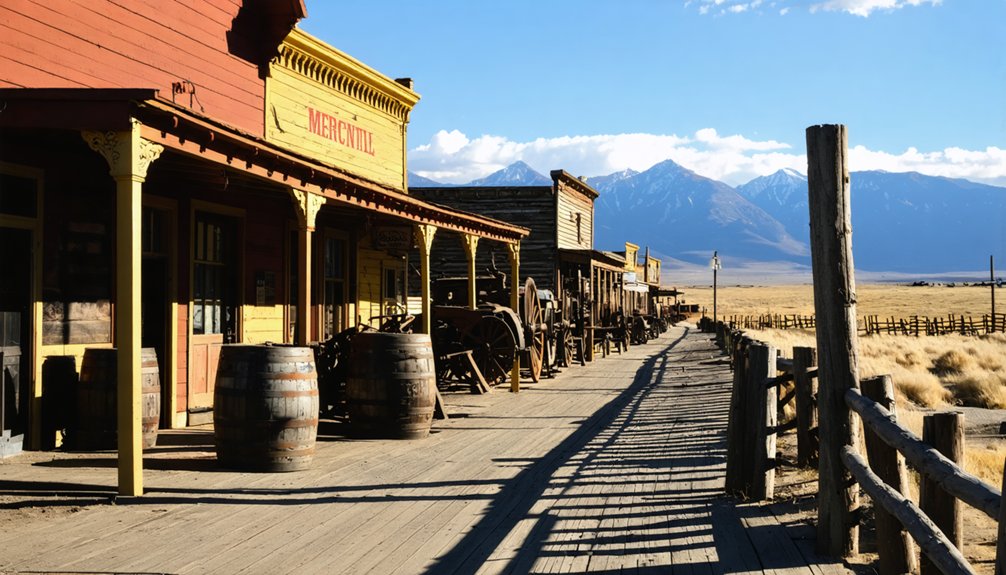
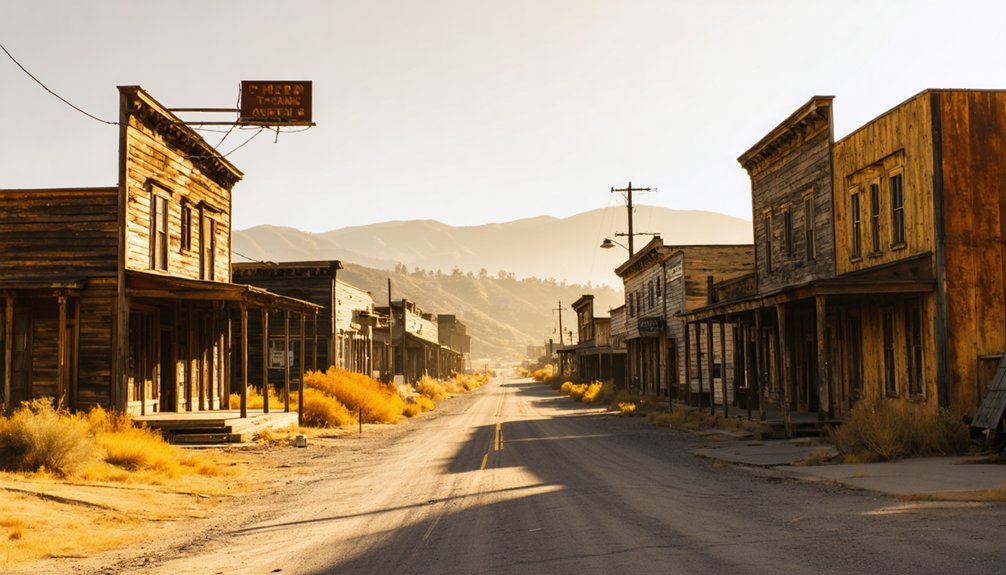
Drytown’s Gold Rush heyday may be long gone, but fragments of that era still stand along Highway 49, waiting for curious travelers to track them down.
Among the surviving historic buildings, you’ll find the Hearst Store, a brick structure from the 1850s where George Hearst once operated a mine office. The LeMoine House, built in 1857, still anchors the townscape, alongside a butcher shop featuring Italian marble counters and Fiddletown quarry floors.
Local legends echo through the old school, one of Amador County’s earliest, and the town cemetery tells its own quiet stories.
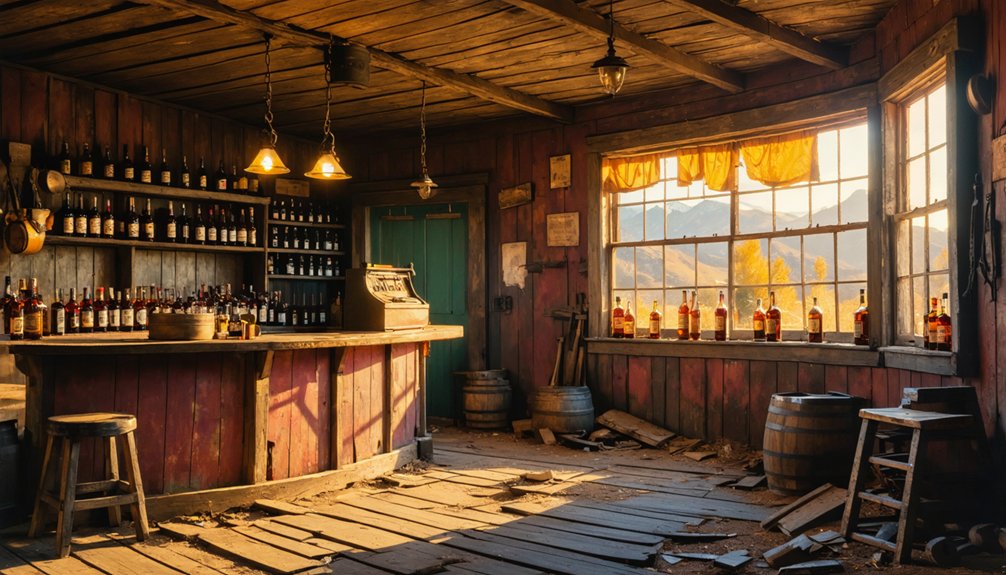
The Drytown Club, the lone survivor of the original 26 saloons, remains a tangible connection to the rowdy past you’ve come to explore.
Where to Eat, Drink, and Linger in Drytown
Though Drytown’s dining scene won’t rival a city block’s worth of options, the Drytown Club stands as the town’s undisputed social anchor—the last of 26 original saloons still pouring drinks along Highway 49.
The Drytown Club: the last of 26 original saloons, still pouring drinks along Highway 49.
When you’re ready to settle in, these historic taverns and local dining spots deliver an authentic Gold Rush atmosphere:
- Pull up a barstool at the Drytown Club and order cold drinks beneath weathered wood beams.
- Browse antique shops between meals for a leisurely afternoon stretch.
- Pack a picnic and spread out near the shaded garden adobe buildings along the highway.
- Visit the cemetery grounds for quiet reflection before heading toward nearby Plymouth or Jackson.
You’re trading convenience for character here—and that’s exactly the point.
How to Get to Drytown Along Highway 49
Getting to Drytown takes only a single road: Highway 49, the gold-veined spine of California’s Mother Lode country.
You’ll find Drytown sitting 2.5 miles south of Amador City, tucked between Plymouth and Jackson along this legendary corridor. Pull up a directions map before you leave — the town’s small footprint makes it easy to miss.
A few travel tips worth knowing: Highway 49 winds through rolling foothills, so keep your speed measured and your eyes open.
Drytown appears almost without warning, marked by brick storefronts and the occasional historical sign along the roadside. If you’re coming from Sacramento, head east on Highway 16, then connect south onto Highway 49.
The drive itself rewards you before you even arrive.
How Drytown Fits Into a Highway 49 Road Trip
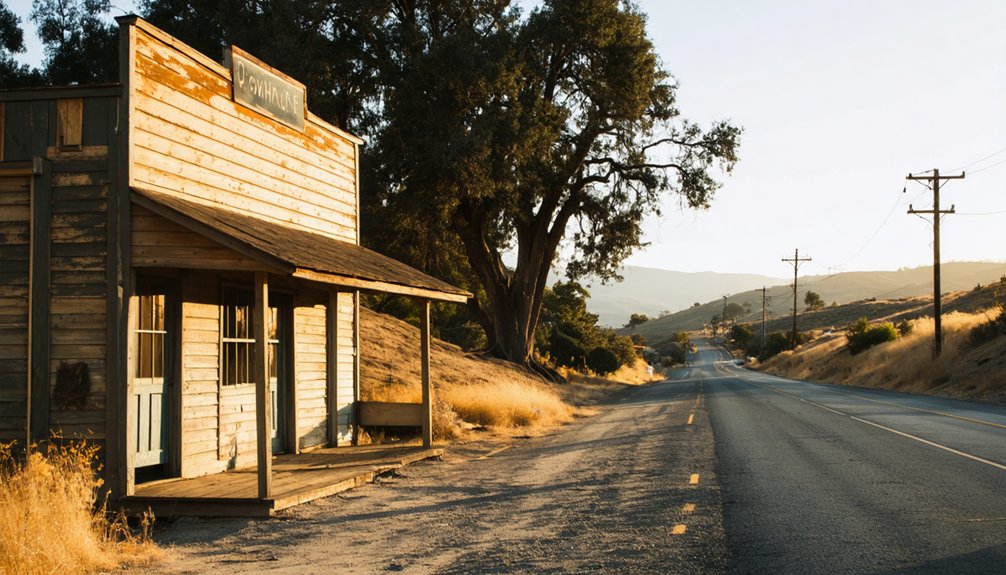
Once you’ve rolled into Drytown off Highway 49, you’ll quickly realize it’s not just a detour — it’s a natural anchor point for a broader Gold Rush road trip.
Drytown history and gold mining heritage connect seamlessly to neighboring towns worth exploring:
- Amador City – Just 2.5 miles north, California’s smallest incorporated city hides antique shops and quartz mine remnants.
- Plymouth – A quick drive reveals wineries alongside historic mining infrastructure.
- Jackson – Where Drytown’s abandoned residents resettled after gold depletion, carrying their stories forward.
- Sutter Creek – Preserved Victorian storefronts and active mine shafts bring the Gold Rush alive.
String these stops together along Route 49, and you’ve built a road trip that moves freely through California’s most rebellious, gold-hungry era.
Frequently Asked Questions
Is Drytown Safe to Visit for Families With Young Children?
Despite its wild past, Drytown’s perfectly safe for families! You’ll find family activities like exploring historic sites and antique shops. Follow basic safety tips, stay on marked paths, and you’ll create unforgettable memories with your young adventurers.
Are There Any Guided Tours Available Specifically for Drytown?
Drytown doesn’t offer formal guided tours, but you’ll discover ghost town history and local legends independently by exploring historic sites, stopping at the Drytown Club, and reading the California Historical Landmark marker yourself!
What Is the Best Time of Year to Visit Drytown?
Like the forty-niners chasing gold, you’ll find spring is the best season to visit Drytown. Weather conditions are mild before Dry Creek dries up, letting you freely explore historic sites comfortably without summer’s harsh heat slowing you down.
Is There Parking Available Near Drytown’s Historic Sites?
You’ll find easy roadside parking along Highway 49 near Drytown’s historic landmarks. Pull off near the Hearst Store and adobe buildings for quick access. Follow basic parking tips: respect private property and explore freely on foot!
Are Drytown’s Antique Stores Open on Weekends and Holidays?
The knowledge doesn’t confirm specific antique store hours, so you’ll want to call ahead before visiting. Drytown’s five antique stores offer exciting weekend shopping opportunities, so plan your trip flexibly to explore these historic treasures on your own schedule!
References
- https://www.ghosttowns.com/states/ca/drytown.html
- https://enjoyorangecounty.com/california-ghost-towns/
- http://cali49.com/hwy49/2018/4/6/drytown-cal
- https://westernmininghistory.com/towns/california/drytown/
- https://noehill.com/amador/poi_drytown.asp
- https://kids.kiddle.co/Drytown
- https://en.wikipedia.org/wiki/Drytown
- https://www.youtube.com/watch?v=dWYP6Kmjgyg
- https://www.drytownwaterpark.com/p/about/the-legend-of-drytown