Duncan’s Retreat sits three miles east of Virgin, Utah, right along State Route 9, making it an easy stop on your ghost town road trip. You’ll find dead fruit trees, crumbling foundation stones, and an old irrigation ditch that tell the story of settlers who called this place home from 1861 to 1891. Visit in spring or fall for the best weather, and pair it with Grafton and Zion National Park nearby. There’s much more to uncover about this haunting desert landmark.
Key Takeaways
- Duncan’s Retreat is located 3 miles east of Virgin, Utah on Route 9, making it easily accessible with roadside parking available.
- Visit between March and May or September and October for mild temperatures and fewer crowds during exploration.
- Combine Duncan’s Retreat with nearby Grafton ghost town and Zion National Park for a cohesive, efficient road trip.
- Pack at least two liters of water per person, sturdy footwear, and sun protection due to minimal shade.
- Key site features include dead fruit trees, an 1861–1891 irrigation ditch, pioneer graves, and scattered foundation stones.
What’s Left to See at Duncan’s Retreat Today?
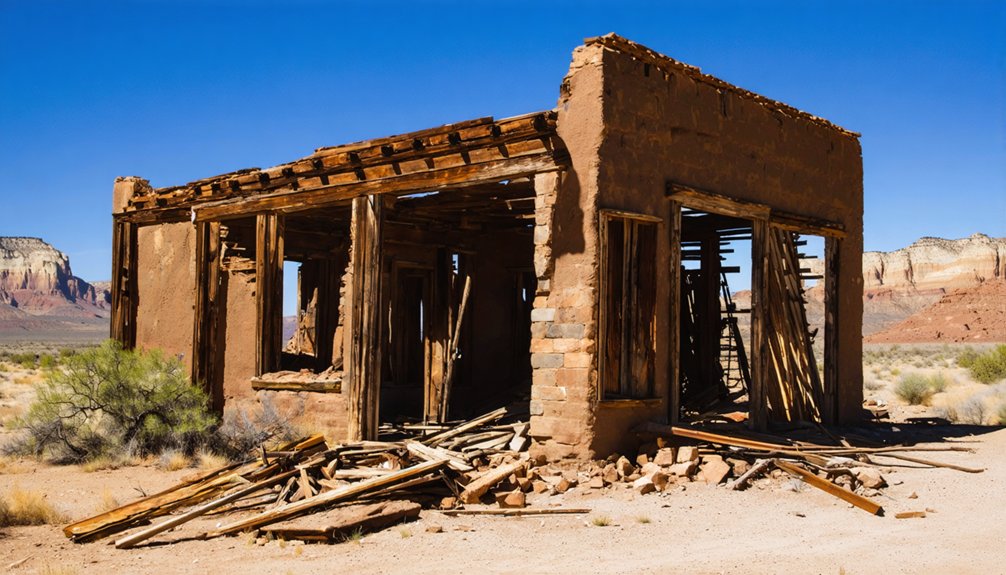
Although little remains of Duncan’s Retreat, what you’ll find still carries a quiet, haunting weight. Dead fruit trees stand where families once tended orchards, their gnarled trunks whispering ghost town history to anyone willing to slow down and look.
An old irrigation ditch traces the path settlers carved to sustain life here from 1861 to 1891.
The ditch remains, tracing a quiet scar across the land where settlers once coaxed life from the earth.
Walk the north side of Route 9 and you’ll discover a cluster of graves, perhaps the site’s most striking reminder of the people who lived and died here.
A few scattered foundation stones hold archaeological significance, offering tangible connections to a vanished community.
No buildings stand, no residents remain, but these quiet remnants reward the curious traveler who craves authentic, unfiltered history over polished tourist attractions.
How to Get to Duncan’s Retreat From Virgin, Utah
Once you’ve soaked in those quiet remnants, reaching Duncan’s Retreat couldn’t be simpler. From Virgin, Utah, you’ll head east on Utah State Route 9 for exactly 3 miles. That’s it — no complicated detours, no unmarked backroads.
Route 9 runs directly through the site, so you’re basically driving into ghost town history without even leaving the pavement. Keep your eyes open as you cruise east; the landscape shifts subtly where the old settlement once stood.
Local legends suggest early settlers chose this corridor deliberately, drawn by fertile soil and reliable water. You’ll notice the remnant irrigation ditch and clusters of dead fruit trees as natural landmarks confirming you’ve arrived.
Park safely along the roadside, step out, and let the desert silence tell the rest of the story.
Best Months to Visit Duncan’s Retreat for Weather and Crowds
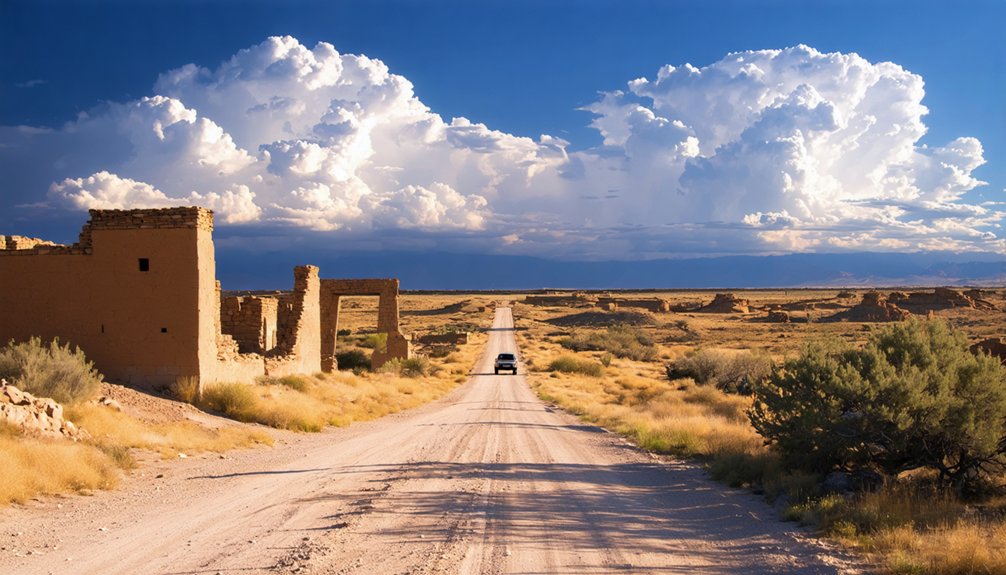
Timing your visit to Duncan’s Retreat makes a real difference, especially since the site sits close to Zion National Park, which draws massive crowds from late spring through summer.
For seasonal considerations, March through early May offers mild temperatures and thinner crowds before the summer rush hits Route 9 hard. September and October are equally strong choices, giving you cooler air and better crowd management as park tourism slows down.
Avoid July and August if you want space and comfort — the heat’s brutal and traffic along Utah State Route 9 backs up considerably. Winter visits are possible but can bring road complications.
Spring and fall simply give you the freedom to explore the site at your own pace, without the chaos surrounding Zion dragging down your experience.
Pair Duncan’s Retreat With Zion National Park and Grafton
Since Duncan’s Retreat sits right along Utah State Route 9, you can easily string together a road trip that hits three historically rich stops in a single day.
Start at Duncan’s Retreat to soak in the ghost town history, scanning the old irrigation ditch, scattered foundation stones, and dead fruit trees that once fed a community of 70.
Then head southwest toward Grafton, another abandoned settlement that deepens your understanding of Utah’s pioneer era.
From there, Zion National Park is right at your doorstep, offering dramatic canyon scenery as a powerful contrast to the quiet ruins you’ve just explored.
These nearby attractions complement each other naturally, giving you a full picture of the region’s human and geological story without backtracking or wasted miles.
What to Pack for a Visit to Duncan’s Retreat
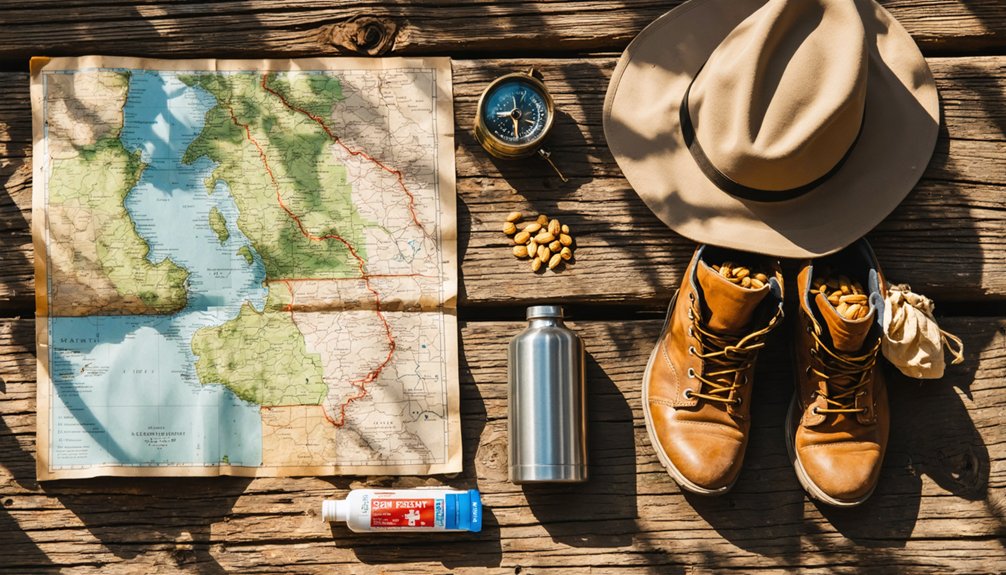
Planning your day around Duncan’s Retreat, Grafton, and Zion means you’ll cover open desert terrain with minimal shade and no services, so what you bring directly shapes how much you enjoy the experience.
Pack at least two liters of water per person, sturdy footwear, and sun protection. For photography tips, bring a wide-angle lens to capture the dead fruit trees, irrigation ditch, and grave cluster against Utah’s raw landscape — early morning light hits the remnants beautifully.
Bring water, solid footwear, and a wide-angle lens — early morning light transforms Grafton’s ruins beautifully.
Carry a notebook to record observations about the historical significance of each foundation stone and irrigation channel you encounter. A paper map helps since cell coverage along Route 9 can be unreliable.
Snacks, a first-aid kit, and a charged battery pack round out your essential gear.
Frequently Asked Questions
When Was Duncan’s Retreat First Settled by Its Earliest Inhabitants?
You’ll discover that Duncan’s Retreat’s early inhabitants first settled this fascinating site in 1861. Its settlement history spans a brief but adventurous 34 years, offering you a compelling glimpse into Utah’s rugged, freedom-seeking pioneer spirit.
How Many People Lived at Duncan’s Retreat During Its Peak Population?
You’ll find that historical records show Duncan’s Retreat reached its peak with around 70 residents in 1862. These fascinating population dynamics reveal a surprisingly vibrant, freedom-seeking community that once thrived within this now-silent, abandoned Utah landscape.
Why Was Duncan’s Retreat Ultimately Abandoned by Its Original Settlers?
Dusty dreams dissolved as Duncan’s Retreat’s settlers couldn’t sustain survival. You’ll find economic challenges drained their drive, while environmental factors battered their bold beginnings, ultimately forcing freedom-seeking families to flee this forsaken frontier by 1891.
Which Research Sources Provide the Most Detailed History of Duncan’s Retreat?
You’ll find the most detailed history through Wikipedia, JacobBarlow.com, and Utah Tech Archives. These sources blend historical archives with local folklore, giving you rich, freedom-fueling insights into Duncan’s Retreat’s fascinating, forgotten past.
How Long Did People Actually Live at Duncan’s Retreat Before Abandonment?
You might think it’s longer, but Duncan’s Retreat’s ghost town lifespan was just 34 years. You’ll find the settlement duration ran from 1861 to 1895—a brief, free-spirited chapter etched into Utah’s rugged landscape.
References
- https://jacobbarlow.com/2017/03/17/duncans-retreat/
- https://en.wikipedia.org/wiki/Category:Ghost_towns_in_Utah
- https://nl.abcdef.wiki/wiki/List_of_ghost_towns_in_Utah
- https://en.wikipedia.org/wiki/Category:Ghost_towns_in_Washington_County
- https://commons.wikimedia.org/wiki/Category:Ghost_towns_in_Utah
- https://en.wikipedia.org/wiki/Wikipedia:WikiProject_Ghost_towns/New_articles
- https://jacobbarlow.com/2020/03/03/ghost-towns-in-utah/
- https://archives.utahtech.edu/repositories/2/archival_objects/21865
- https://www.youtube.com/watch?v=97d0cf0udpg
- https://en.wikipedia.org/wiki/List_of_ghost_towns_in_Utah