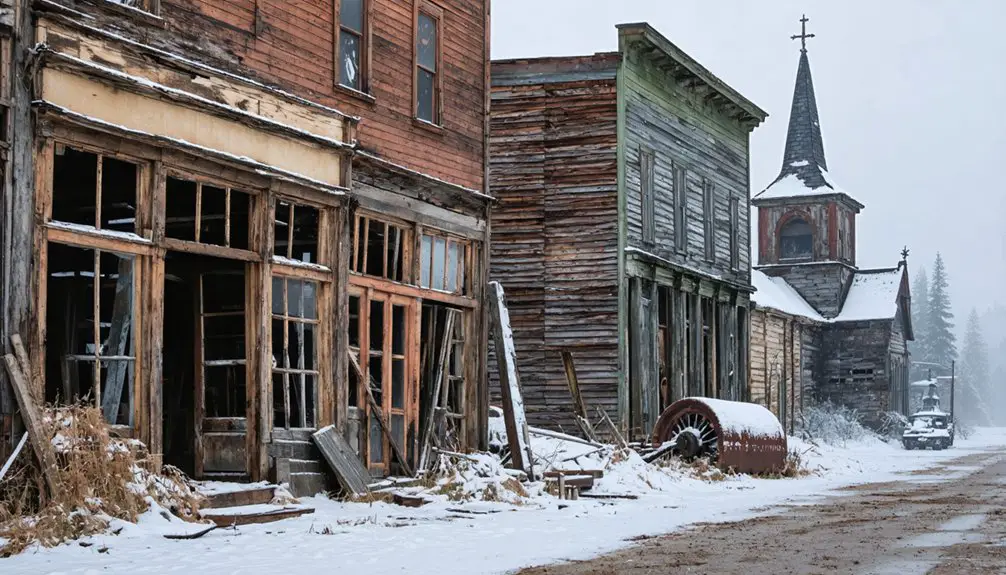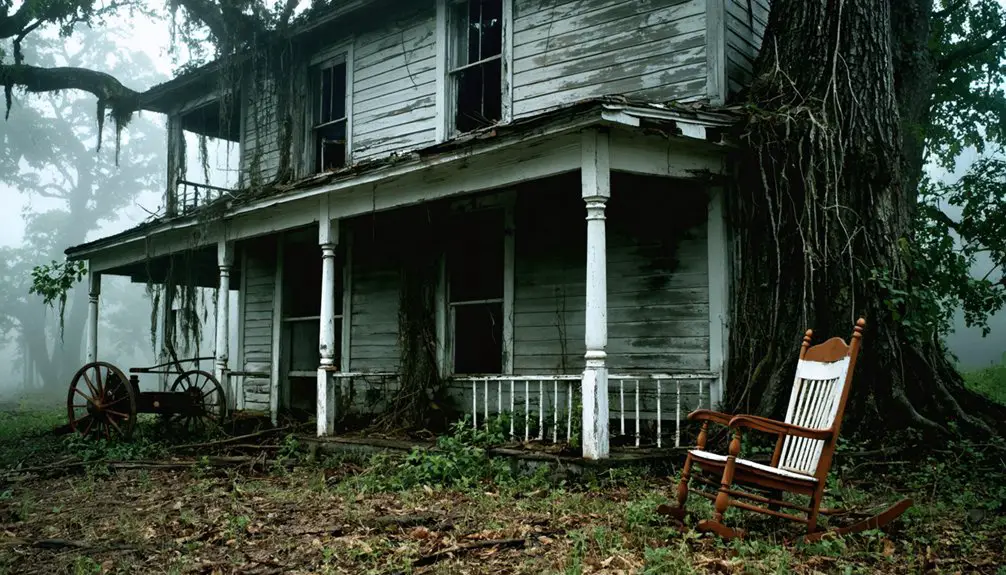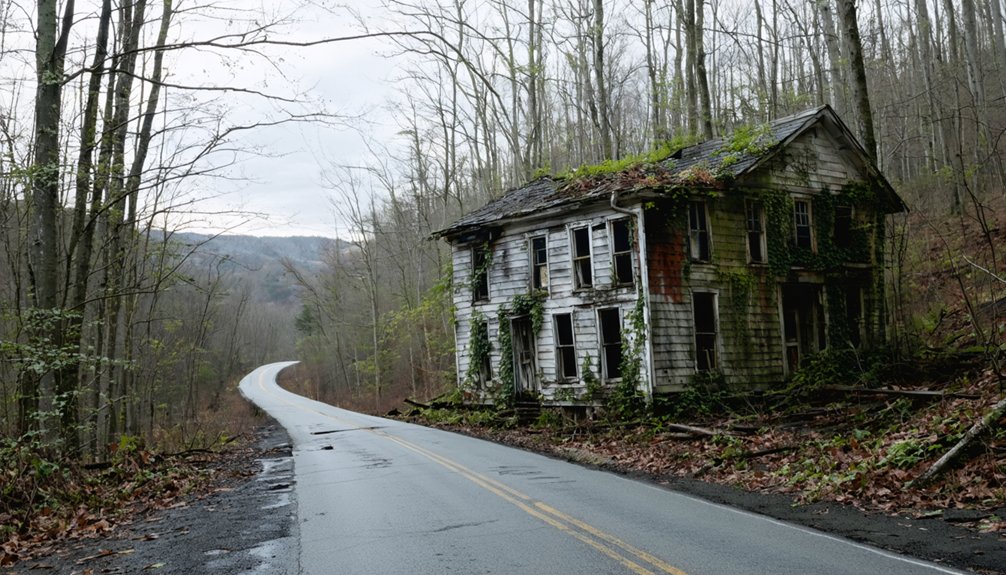
Planning a ghost town road trip to Goodwill, West Virginia puts you face-to-face with Appalachian history frozen in time. Established in 1886 by the Goodwill brothers, this once-bustling coal town of 1,500 residents collapsed after the primary mine closed in 1958. You’ll need a 4WD vehicle, solid navigation skills, and the right gear to explore what nature has quietly reclaimed. Stick around — there’s plenty more to uncover before you hit the road.
Key Takeaways
- Goodwill, West Virginia, is located 2 miles west of Montcalm in Mercer County, accessible via Route 52 North and Lorton Lick Road.
- A 4WD vehicle is essential, as roads are narrow, rugged, and increasingly reclaimed by nature, especially challenging in winter conditions.
- Visit between late April and October for the best weather, avoiding summer’s heavy vegetation and winter’s treacherous icy roads.
- Pack sturdy boots, layered clothing, a first-aid kit, sufficient food and water, and a camera for the full-day exploration.
- Stay in Bluefield or Princeton, both 20–30 minutes away, offering chain hotels and local dining with Appalachian character.
What Is Goodwill, West Virginia’s Ghost Town Story?
Once a thriving coal town nestled in the hills of Mercer County, Goodwill, West Virginia, went from a bustling community of over 1,500 residents to a near-empty ghost town in just a matter of years.
Brothers Robert and Phillip Goodwill established the town in 1886, opening a coal mine that sparked rapid growth. By 1950, the community boasted schools, churches, a theater, and over a hundred homes.
By 1950, what began as a single coal mine had grown into a full community of schools, churches, and over a hundred homes.
But when the primary mine closed in 1958, the boom-and-bust cycle that defines so much of West Virginia’s mining legacy hit hard. Residents left almost overnight, and most buildings were eventually torn down.
Today, only one house still stands. Exploring this ghost town history gives you a raw, unfiltered look at the human cost behind Appalachia’s coal-driven past.
How To Get To Goodwill, West Virginia
Tucked in the southern hills of West Virginia’s Mercer County, Goodwill sits about 2 miles west of Montcalm, and getting there requires a bit of old-school navigation.
Take Route 52 North and connect to state route 71, also known as Lorton Lick Road. Your GPS might struggle here, so bring a paper map or download offline directions before you leave.
Once you’re close, you’ll need a 4WD vehicle to explore the hollow leading toward the old coal tipple — the rugged terrain reflects the tough mining history that once defined this place.
The roads are narrow and the land is reclaimed by nature, but that rawness is exactly what makes chasing ghost town legends worthwhile. Prepare for adventure, not convenience.
What’s Left To See At The Goodwill Ghost Town Site?
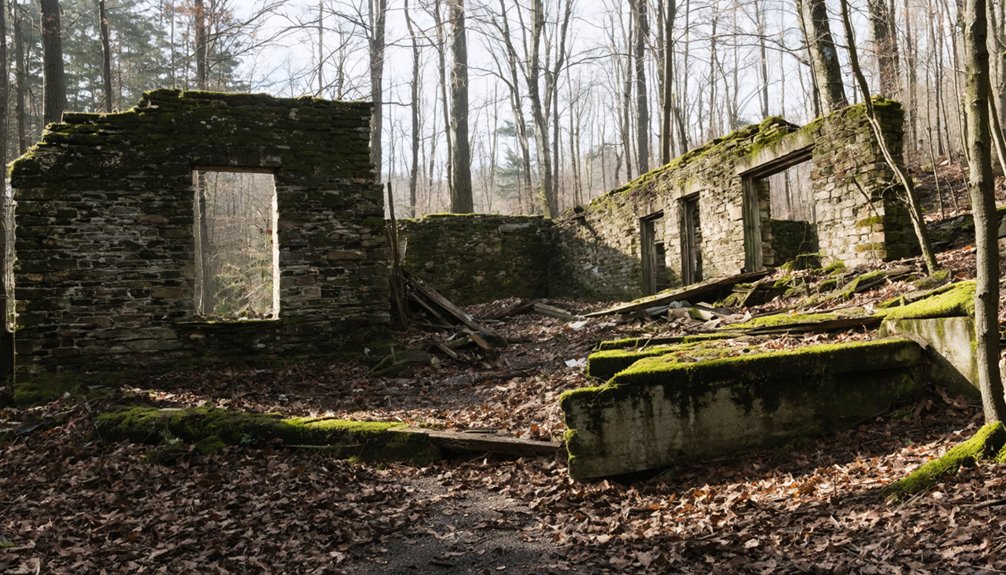
When you arrive at the Goodwill ghost town site, you’ll find almost nothing left of the thriving community that once housed over 1,500 people — almost nothing, that is, except one lone standing house that survived the demolition.
You can also seek out the cold water spring that once sat beside the post office, which still flows today as a quiet remnant of the town’s past.
If you’ve got a 4WD vehicle, you can follow the old hollow trail that leads back to where the coal tipple once stood, giving you a raw, unfiltered look at what remains of Goodwill’s industrial roots.
The Last Standing House
Among the ruins and reclaimed land of Goodwill, only one house still stands. It’s a striking reminder that nearly 1,500 people once called this hollow home.
As you approach the last house, you’ll notice its architectural features speak to the working-class character of the town — modest, practical, built to shelter miners and their families through hard Appalachian winters.
Walking around it, you can almost hear the echoes of a community that thrived and then vanished within a single generation. The surrounding vegetation has swallowed everything else, leaving this lone structure standing against the silence.
It won’t stand forever, so visiting now means witnessing a rare, tangible connection to Goodwill’s past before nature completes its reclamation of the land.
The Cold Water Spring
One of Goodwill’s most quietly remarkable survivors isn’t made of wood or stone — it’s water. Beside where the old post office once stood, a spring still flows with cold water, unchanged by the decades of abandonment surrounding it.
While the buildings crumbled and the people left, this spring kept running.
It carries real historical significance. Residents once depended on it as part of their daily lives in a bustling mining community of over 1,500 people.
Standing there today, you’re drinking from the same source they did.
If you’re exploring the site, seek it out. It’s one of those rare, tangible connections to Goodwill’s past — unpretentious, unrestored, and completely free.
Nature preserved what human hands didn’t bother to.
Old Mine Access Trails
Beyond the cold water spring, a hollow stretches toward where Goodwill’s coal tipple once dominated the landscape — and it’s still accessible today if you’ve got a 4WD truck.
These ghost town trails lead you deeper into what remains of a community that once housed over 1,500 people.
As you navigate the hollow, you’re fundamentally following the same path miners walked daily during Goodwill’s industrial peak.
The mining history embedded in this terrain is palpable — old pathways once connected the mine, schoolhouse, and company store, and traces of that network still exist underfoot.
Vegetation has reclaimed most of the land, but the hollow’s geography tells the story.
Route 52 North and Lorton Lick Road get you close, but that final stretch rewards only the adventurous.
Best Time Of Year To Visit Goodwill, WV
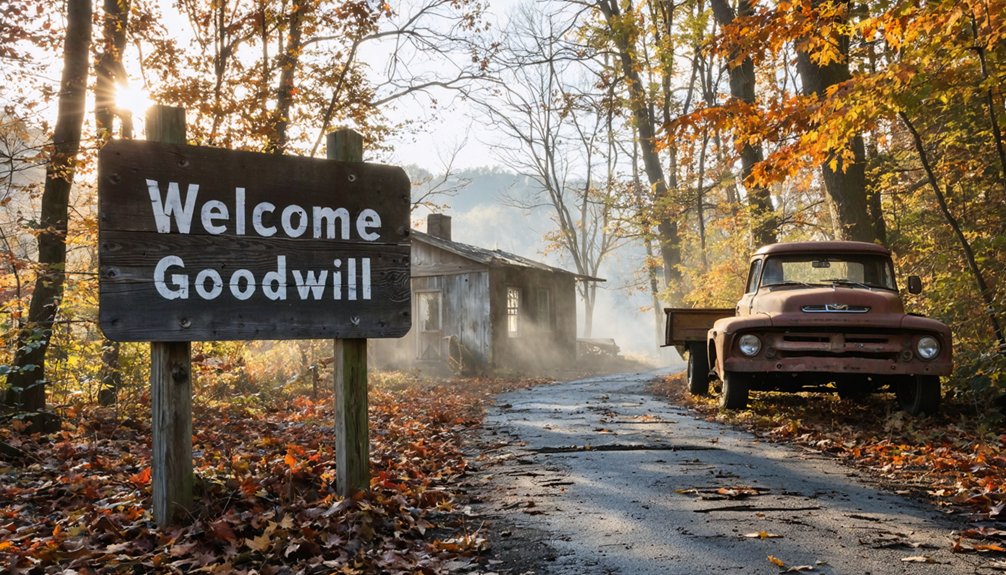
Spring and fall offer the best conditions for exploring Goodwill, when mild temperatures make hiking the old hollow and scouting remnants far more comfortable.
You’ll want to avoid winter visits, since West Virginia’s Appalachian terrain turns icy and unpredictable, making the 4WD route along Lorton Lick Road genuinely dangerous.
Summer works too, though heavy vegetation reclaims the land quickly, so you may find it harder to spot foundations and pathways beneath the overgrowth.
Ideal Visiting Seasons
When planning your visit to Goodwill, West Virginia, timing matters more than you might expect. Spring and early fall offer the best conditions for exploring this forgotten hollow.
You’ll enjoy mild temperatures, manageable trail conditions, and stunning Appalachian foliage that frames the ghost town’s remaining foundations beautifully.
Summer visits are possible, but dense vegetation quickly swallows the ruins, making exploration harder. You’ll also contend with humidity and aggressive insects along the 4WD route leading to the old coal tipple.
Winter strips away the foliage, revealing hidden structural remnants, though icy mountain roads create real hazards.
Fall delivers the sweet spot — comfortable seasonal activities like hiking and photography, plus rich local wildlife sightings as animals prepare for winter.
Plan accordingly and you’ll experience Goodwill at its most atmospheric.
Weather Conditions To Expect
Mercer County’s weather follows classic Appalachian patterns, so you’ll want to prepare for rapid shifts regardless of season.
Weather patterns here mean warm summers can turn stormy within hours, while winters bring ice and snow that make unpaved hollow roads genuinely dangerous. Temperatures typically range from the low 20s°F in January to the upper 80s°F in July.
Seasonal variations matter most when you’re traversing the 4WD route toward the old coal tipple.
Spring thaws create muddy, unstable conditions, and fall foliage, while stunning, signals incoming cold fronts.
Summer offers the longest daylight windows for exploration but demands vigilance against afternoon thunderstorms.
Whatever season you choose, layer your clothing, check forecasts before departing, and always carry emergency supplies.
Avoiding Harsh Winter Travel
Knowing what weather to expect is one thing, but picking the right window to actually make the trip is another. West Virginia winters hit hard, and Goodwill’s rural back roads become treacherous fast. Skip the headaches by timing your visit wisely.
Best months to visit:
- Late April–May – Mild temps, manageable trails, and fresh vegetation reclaiming the land
- June–August – Peak exploration weather, though humidity runs high
- September–October – Crisp air, stunning fall color, and dry trail conditions
- Avoid December–February – Ice, snow, and impassable 4WD routes make even basic travel tips useless without serious winter gear
You want freedom to roam the hollow, reach the old coal tipple, and explore without frozen fingers slowing you down.
What To Pack For Your Goodwill WV Ghost Town Trip?

Packing smart makes all the difference when you’re heading to a remote Appalachian ghost town like Goodwill, WV. The terrain is rugged, the roads are rough, and there’s no convenience store waiting at the end of the trail.
Bring sturdy hiking boots, layered clothing, and a reliable first-aid kit. Pack enough water and food for a full day since you’re deep in Mercer County with zero amenities nearby.
A 4WD vehicle handles the hollow road leading toward the old coal tipple far better than a standard car.
Carry a camera to document the historical significance of what remains, and research local legends before you go.
A notebook, compass, and downloaded offline maps keep you oriented when cell service disappears entirely.
Which Nearby West Virginia Ghost Towns Are Worth The Detour?
While you’re already deep in southern West Virginia’s coal country, why stop at just one ghost town? The region holds hidden treasures that most travelers never find.
These local legends deserve your attention:
- Glade – A vanished mining settlement swallowed by Appalachian wilderness
- Glen Alum – A forgotten coal camp where foundations still peek through the overgrowth
- Harewood – A stripped-down remnant of West Virginia’s boom-and-bust coal era
- Montcalm – Just 2 miles east of Goodwill, offering historical context for the entire region
Each site tells the same volatile story: industry arrived, communities thrived, mines closed, and people scattered.
Linking these stops into one route gives you the full, unfiltered picture of what coal country built — and what it left behind.
Where To Stay and Eat Near Goodwill, West Virginia
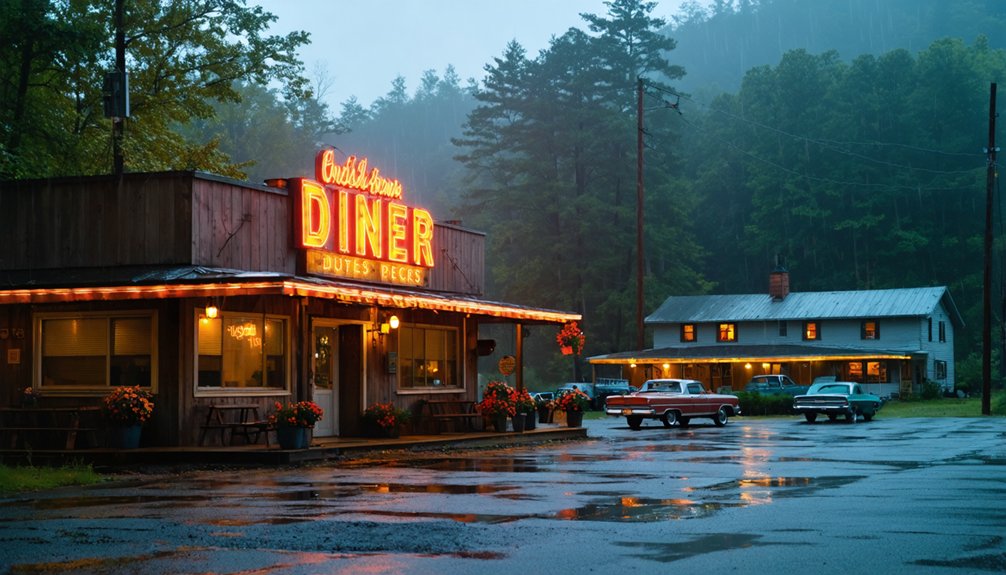
After a full day of ghost town exploration across southern West Virginia’s coal country, you’ll need a base camp that won’t require another hour of driving.
Bluefield and Princeton are your closest towns for local accommodations, sitting roughly 20–30 minutes from Goodwill. Both offer standard chain hotels that get the job done without draining your travel budget.
For dining options, Princeton’s downtown delivers your best variety — independent diners, barbecue spots, and casual American fare that’ll satisfy a road-weary appetite.
Bluefield adds a few more choices, including local restaurants reflecting the region’s Appalachian character.
Skip the resort mentality here. Southern West Virginia rewards travelers who embrace its unpretentious, working-class culture.
Fuel up, rest well, and you’ll be ready to chase the next forgotten hollow by morning.
Frequently Asked Questions
Is There an Entrance Fee to Visit the Goodwill Ghost Town Site?
There’s no entrance fee to explore Goodwill’s ghost town history! You can freely roam this abandoned mining community, uncovering local legends and remnants of a once-thriving town — your adventure awaits without spending a dime.
Can You Metal Detect or Artifact Hunt at the Goodwill Ghost Town?
You’ll want to research West Virginia’s laws before applying metal detecting tips at Goodwill. Always follow artifact hunting ethics—respect the land, don’t disturb foundations, and leave history intact for fellow freedom-seeking explorers visiting this hauntingly beautiful ghost town.
Are There Guided Tours Available for the Goodwill, West Virginia Ghost Town?
Once home to 1,536 residents, Goodwill doesn’t offer formal guided tours, but you’ll freely explore its historical significance independently, uncovering ghost stories and forgotten echoes where an entire community once thrived before vanishing after 1958.
Is the Goodwill Ghost Town Site on Public or Private Property?
The knowledge doesn’t confirm Goodwill’s property ownership status, so you’ll want to research that before visiting. Don’t let uncertainty stop you—its historical significance makes exploring this hauntingly beautiful site absolutely worth pursuing responsibly.
Has Goodwill, West Virginia Ever Been Featured in Ghost Town Documentaries?
The available records don’t confirm Goodwill’s ghost town history has earned documentary features, but its dramatic boom-and-bust story makes it a compelling subject you’d love seeing explored on film someday.
References
- https://www.ghosttowns.com/states/wv/goodwill.html
- https://en.wikipedia.org/wiki/Goodwill
- https://en.wikipedia.org/wiki/List_of_ghost_towns_in_West_Virginia
- https://www.goodwillncwv.org/shop/store-locations/
- https://kids.kiddle.co/List_of_ghost_towns_in_West_Virginia
- https://www.youtube.com/watch?v=wYiDeaGt-yE
- https://www.goodwillncwv.org
- https://goodwillhunting.org/shop/
- https://www.bramwellwv.com/goodwillcamp2.html
- https://www.mapquest.com/us/west-virginia/goodwill-288953966