Planning a road trip to Laurel Valley Village means stepping into the largest surviving sugar plantation complex in the U.S., just 60 miles from New Orleans along scenic Bayou Lafourche. You’ll explore nearly 76 original structures, from crumbling sugar mill ruins to historic shotgun houses, each carrying stories of enslaved communities, immigrant laborers, and resilience spanning centuries. Book guided tours at least 48 hours in advance, wear comfortable shoes, and bring water — there’s far more to this remarkable ghost town than first meets the eye.
Key Takeaways
- Laurel Valley Village, located at 595 LA-308 in Thibodaux, Louisiana, is approximately 60 miles from New Orleans along Bayou Lafourche.
- The village preserves nearly 76 original structures, including shotgun houses, Creole cabins, and a crumbling sugar mill ruin dating back to 1832.
- Guided tours are available at 10:30 AM and 2:00 PM daily, lasting one hour, with reservations required 48 hours in advance.
- Nearby historic landmarks include St. John’s Episcopal Church and the E.D. White Historic Site, enhancing your road trip itinerary.
- Wear comfortable clothing and bring snacks and water, as the village is open daily from 11:00 AM to 5:00 PM.
What Is Laurel Valley Village and Why Does It Matter?
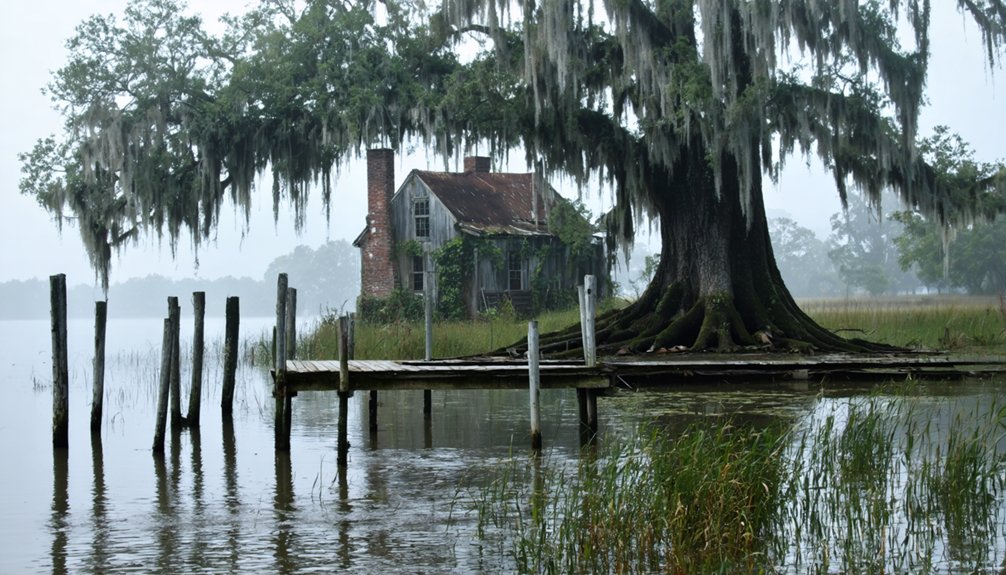
Tucked along the banks of Bayou Lafourche in Thibodaux, Louisiana, Laurel Valley Village is the largest surviving 19th and 20th century sugar plantation complex in the United States.
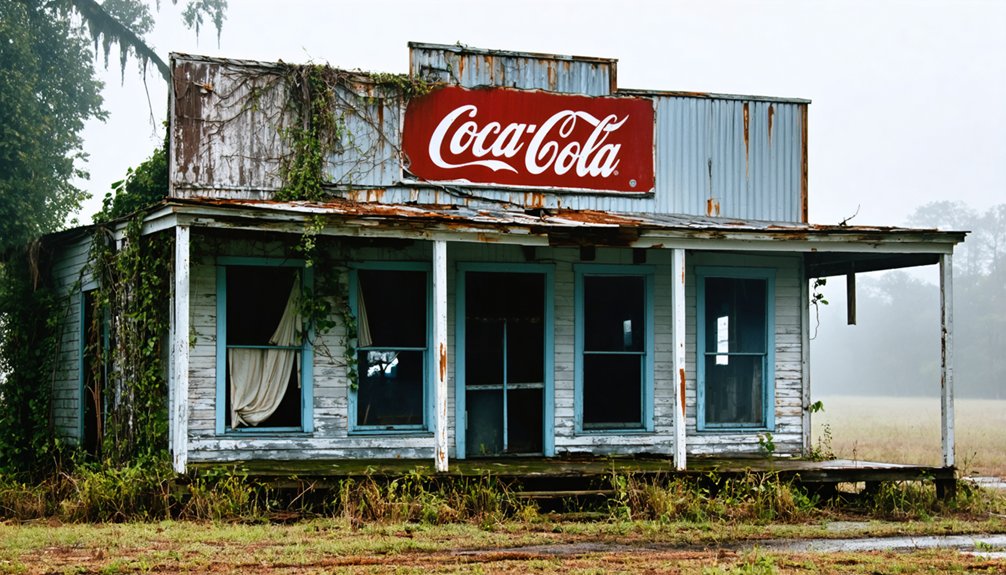
Listed on the National Register of Historic Places, this remarkable site preserves nearly 76 original structures, including worker’s houses, a sugar mill ruin, a church, and a general store.
What makes Laurel Valley truly significant is its cultural impact.
It’s not just a plantation — it’s a preserved community where enslaved people, free people of color, Acadians, Creoles, Irish, Italian, and Chinese laborers all shaped Louisiana’s history.
Their stories live inside these weathered walls.
Within these weathered walls, generations of untold stories wait — patient, permanent, and profoundly alive.
When you visit, you’re walking through genuine community heritage — a rare, unfiltered window into the diverse human experience that built the American South.
The History of Laurel Valley Village: Sugar, Slavery, and Survival
When Joseph W. Tucker purchased roughly 5,000 acres in 1832, he transformed Louisiana’s Bayou Lafourche corridor into a sugar production powerhouse.
What followed shaped the region’s cultural heritage profoundly.
You’ll encounter layers of history here that refuse to be simplified:
- Before the Civil War, as many as 135 enslaved people lived and labored across this land, their stories embedded in every surviving structure.
- After emancipation, Irish, Italian, and Chinese laborers joined Acadians and Creoles, creating a remarkably diverse workforce.
- By 1926, mill production ceased, leaving behind a frozen moment in Louisiana’s industrial agricultural past.
Walking these grounds means confronting both remarkable resilience and painful truths simultaneously.
Who Actually Lived and Worked at Laurel Valley Village?
Beyond the sugar cane fields and crumbling mill walls, Laurel Valley’s real story belongs to the people who lived and worked here.
Before the Civil War, enslaved communities of up to 135 people formed the backbone of this operation, their labor fueling one of Louisiana’s most productive sugar enterprises. Free people of color, Acadians, and Creoles also called this village home.
After emancipation, immigrant labor reshaped the workforce entirely. Irish, Italian, and Chinese laborers arrived to keep production running, with Chinese workers documented here as early as 1880.
Walking through the surviving shotgun houses and Creole cabins, you’re stepping through spaces where these remarkably diverse communities lived side by side. Their stories, often untold elsewhere, are exactly what makes Laurel Valley worth your time.
What’s Still Standing at Laurel Valley Village After Hurricanes and Time?
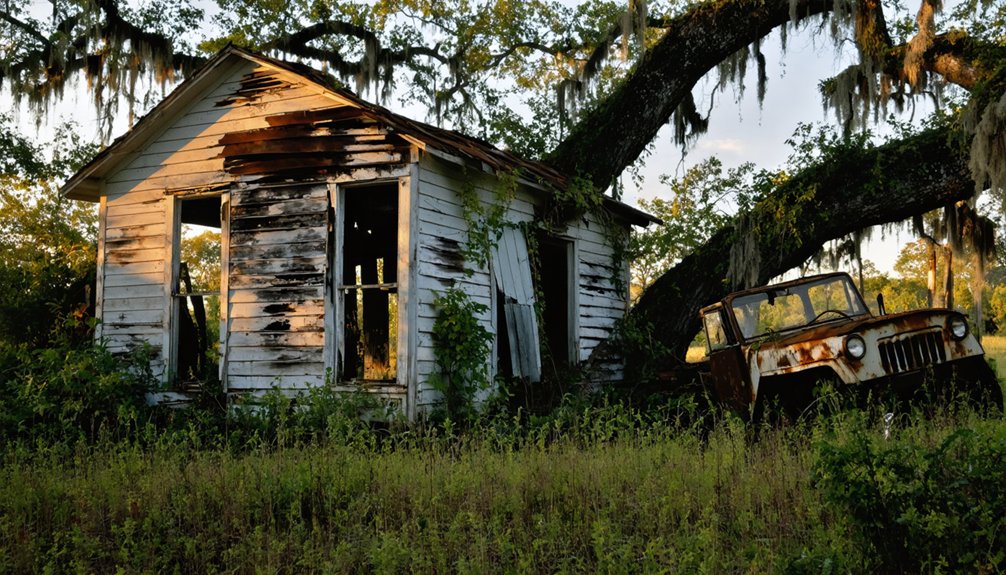
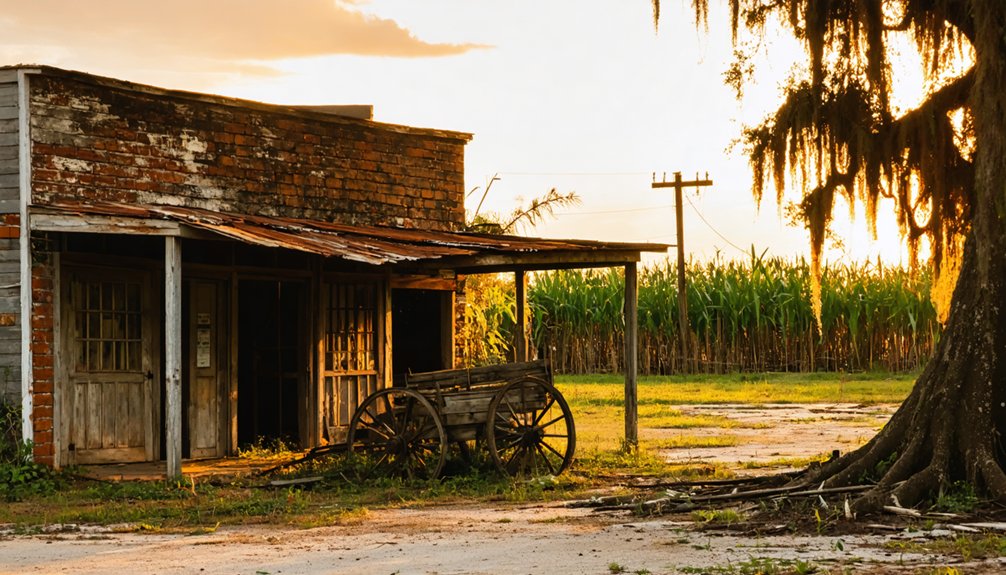
When you walk through Laurel Valley Village today, you’ll find 76 surviving buildings scattered across the property, including a crumbling sugar mill, a grinding mill, shotgun houses, Creole cabins, a church, and a store.
The oldest of these, the Boudreaux family home, dates back to 1816, while the shotgun houses and Creole cabins transport you straight into the plantation’s 19th-century daily life.
Hurricane Ida hit hard in 2021, destroying more than a dozen original structures, yet the village reopened within a month, a demonstration of the ongoing preservation efforts of the Laurel Valley Heritage Foundation.
Surviving Structures Still Standing
Though hurricanes and the relentless passage of time have taken their toll, Laurel Valley Village still holds nearly 76 surviving structures that paint a vivid picture of plantation life across two centuries.
Your visit reveals layers of cultural heritage embedded in every weathered board and crumbling wall.
Look for these standout survivors:
- Shotgun houses built circa 1895, where laborers once lived shoulder-to-shoulder
- Creole cabins dating to 1845, representing the earliest preservation efforts on the property
- The sugar mill ruin, a hauntingly beautiful reminder of industrial ambition
The Boudreaux family home, built in 1816, remains the oldest structure standing.
Walking among these buildings, you’re not just observing history — you’re moving freely through it.
Hurricane Damage and Recovery
Laurel Valley Village has weathered more than the slow decay of abandonment — it’s survived two of Louisiana’s most destructive storms.
Hurricane Betsy struck in 1965, leaving significant damage across the property. Then Hurricane Ida hit in 2021, delivering a devastating blow — destroying more than a dozen original buildings in a single storm.
The hurricane impact could’ve ended Laurel Valley’s story entirely. Instead, recovery efforts moved quickly. The village reopened roughly one month after Ida, a reflection of the determination of those committed to preserving this irreplaceable site.
What’s still standing carries weight — literally and historically.
You’re walking through structures that survived both nature’s fury and time’s indifference. That resilience makes every remaining building feel like a small miracle worth experiencing firsthand.
Where Is Laurel Valley Village and How Do You Get There?

Tucked along the banks of Bayou Lafourche in Thibodaux, Louisiana, Laurel Valley Village is roughly 60 miles southwest of New Orleans — making it an easy day trip from the city.
These location details put you well within reach of one of America’s most extraordinary historic sites.
Before you go, keep these travel tips in mind:
- Address: 595 LA-308, Thibodaux, LA 70301 — accessible via Highway 308 South along the bayou.
- Hours: The village is open daily from 11:00 AM to 5:00 PM.
- Tours: Guided walking tours depart at 10:30 AM and 2:00 PM, lasting approximately one hour — book at least 48 hours ahead online or call (985) 492-0782 for same-day availability.
The open road leads straight here.
What to Expect on a Laurel Valley Village Tour
Once you’ve made the drive down Highway 308 and pulled up to Laurel Valley Village, the real experience begins on foot.
Guided walking tours run daily at 10:30 AM and 2:00 PM, lasting roughly an hour each. Your guide walks you through nearly 40 surviving structures, revealing the cultural impact of the enslaved people, Acadians, Irish, Italian, and Chinese laborers who shaped this place.
Nearly 40 surviving structures. One hour. Generations of untold stories waiting to be walked through.
You’ll study contrasting architectural styles up close — Creole cabins dating to 1845, shotgun houses from 1895, and the haunting sugar mill ruins.
Book at least 48 hours in advance through their website, though same-day availability sometimes opens up by phone.
The grounds are open daily from 11:00 AM to 5:00 PM, giving you time to explore freely between tours.
What to Bring and How to Prepare for Your Laurel Valley Village Visit
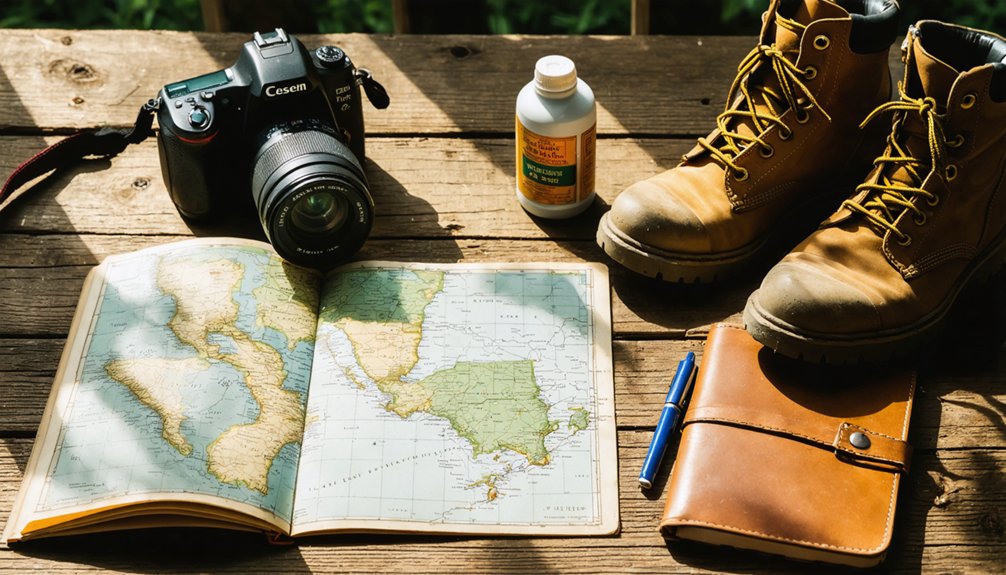
Before you head out to Laurel Valley Village, a little preparation goes a long way. The grounds are expansive, and tours last about an hour outdoors, so you’ll want to plan accordingly.
Here’s what to prioritize:
- What to wear: Choose comfortable, closed-toe shoes and lightweight, breathable clothing — Louisiana humidity is no joke.
- Recommended snacks: Pack water and light snacks since no food vendors operate on-site, keeping your energy up throughout the tour.
- Booking ahead: Reserve your spot at least 48 hours in advance through the website, or call (985) 492-0782 for same-day availability.
Arriving prepared means you’re free to fully absorb the history surrounding you.
What Other Historic Sites Are Worth Visiting Near Laurel Valley Village?
Now that you’ve packed your bags and locked in your tour time at Laurel Valley Village, it’s worth thinking bigger — because this stretch of Louisiana is loaded with history beyond the plantation’s cane fields and shotgun houses.
Thibodaux sits at the heart of Bayou Lafourche, where historic landmarks and cultural experiences stack up fast.
Visit St. John’s Episcopal Church, one of Louisiana’s oldest surviving churches, just minutes away. Explore the E.D. White Historic Site, the preserved home of a Louisiana governor and U.S. Senator.
Nearby Houma offers the Terrebonne Parish Museum, documenting Cajun and Native American heritage.
And Bayou Lafourche itself — once called the “longest street in the world” — rewards a slow drive south with authentic small-town Louisiana culture at every turn.
Frequently Asked Questions
Can I Book a Same-Day Tour Without a Reservation at Laurel Valley?
You can snag last-minute bookings for tour availability by calling (985) 492-0782 on the day you’d like to visit. It’s your best shot at securing a same-day adventure at Laurel Valley!
What Are the Exact Hours of Operation at Laurel Valley Village?
Like a ghost town frozen in time, Laurel Valley’s historical significance awaits you daily from 11:00 AM to 5:00 PM. You’ll want to arrive early — guided tours depart at 10:30 AM and 2:00 PM!
How Long Does a Guided Walking Tour at Laurel Valley Village Last?
You’ll spend about one hour on a guided tour duration that immerses you in village history — exploring fascinating structures, diverse cultures, and untold stories of the people who shaped Laurel Valley Village’s remarkable past.
How Far in Advance Must Tours at Laurel Valley Village Be Booked?
With 76 surviving buildings to explore, you’ll want to secure your tour booking with at least 48 hours’ advance notice. Can’t plan ahead? You can still call (985) 492-0782 for same-day availability!
What Phone Number Can Visitors Call for Same-Day Tour Availability?
For same-day tour availability, you can call (985) 492-0782 to handle your visitor inquiries directly. Don’t let advance booking stop you — this number keeps your spontaneous adventure plans alive and your freedom intact!
References
- https://ghostmap.org/haunted-places/laurel-valley-village-plantation/
- https://gardevoirci.nicholls.edu/2019/laurel-valley-plantation/
- https://en.wikipedia.org/wiki/Laurel_Valley_Sugar_Plantation
- https://www.lacajunbayou.com/things-to-see-and-do/tours-and-attractions/laurel-valley-village-and-sugar-plantation
- https://www.tripadvisor.com/Attraction_Review-g40459-d6855935-Reviews-Laurel_Valley_Village-Thibodaux_Louisiana.html
- https://www.laurelvalleyplantation.com
- https://www.ezhomesearch.com/blog/ghost-towns-in-louisiana/